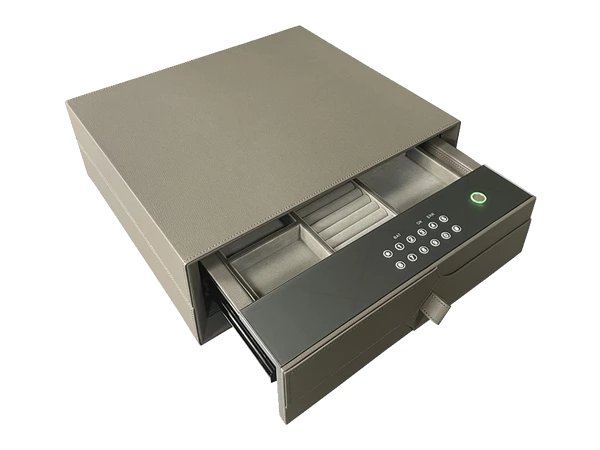
Advancing Smart Home Security with Intelligent Drawer Safes
Meeting the Growing Demand for Smart Home Storage
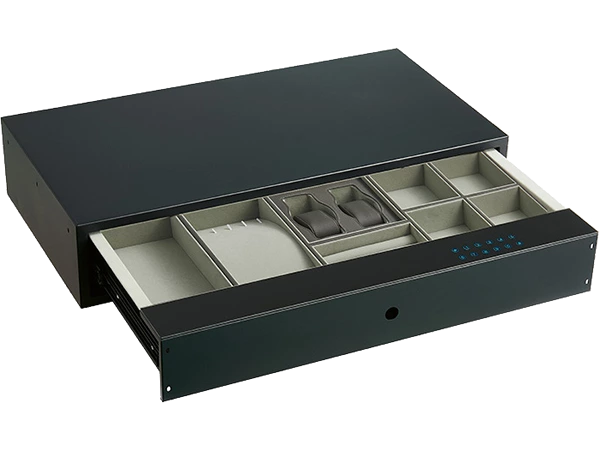
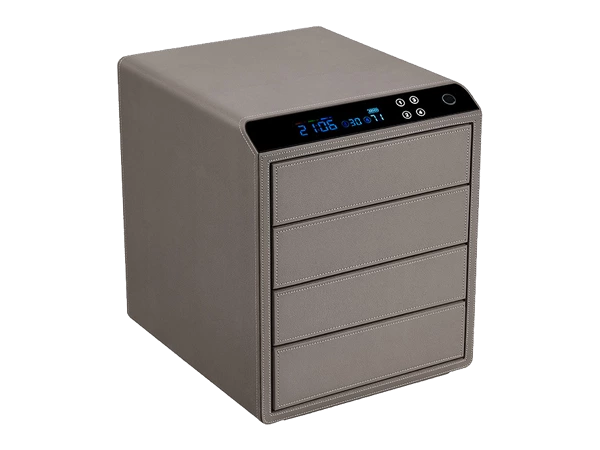
With the rise of smart homes and high-value personal belongings, consumers are increasingly seeking storage solutions that offer both security and convenience. Traditional safes often sacrifice aesthetics for functionality, making them unsuitable for modern interiors. Xinangang identified this gap and developed intelligent drawer safes that integrate seamlessly into wardrobes, cabinets, and customized furniture.
Advanced Security Technology
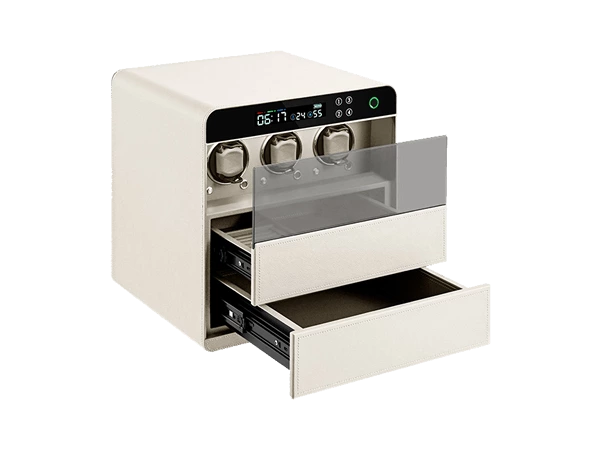
Xinangang smart drawer safes feature multiple unlocking methods, including fingerprint recognition, digital password access, Bluetooth connectivity, and mechanical key backup. This multi-layer security system ensures reliable protection in various scenarios while providing fast access in daily use. Error detection alarms further enhance safety by alerting users to unauthorized attempts.
Premium Materials and Craftsmanship
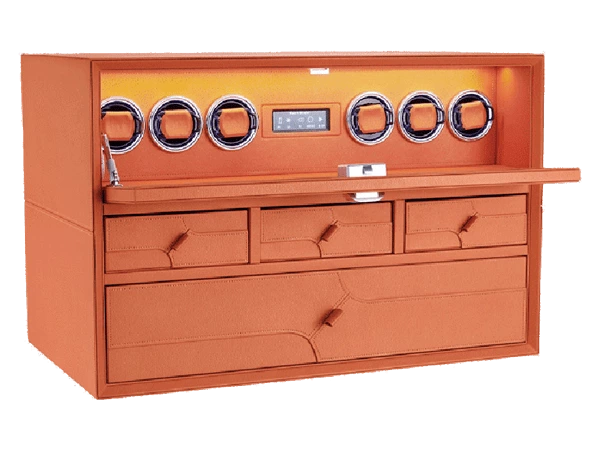
Each drawer safe is constructed with reinforced thick steel plates to ensure strong anti-theft performance. The exterior is finished with premium leather or steel surfaces, while the interior is lined with hand-crafted velvet or flannel to protect jewelry, watches, and documents from scratches.
Customization for Modern Living
Understanding that every home is unique, Xinangang offers extensive customization options, including size, color, internal layout, and drawer configuration. This flexibility allows customers to create storage solutions that match their personal lifestyle and interior design preferences.
A Trusted Partner for Smart Security
Through strict quality control and certified manufacturing processes, Xinangang continues to provide reliable, elegant, and intelligent storage solutions for modern homes worldwide.
The landscape of residential security has shifted dramatically in recent years. Today’s smart home isn’t just about doorbell cameras and automated alarm systems; it is also about integrating physical security seamlessly into your daily life. Gone are the days when protecting your valuables meant installing a massive, immovable steel behemoth in the basement. Modern homeowners are increasingly turning to discreet, accessible, and highly intelligent storage solutions.
At the forefront of this evolution are Drawer Safes. Blending advanced technology with stealthy placement, these secure enclosures offer unparalleled convenience without compromising on safety. Whether you are looking to protect important legal documents, safeguard expensive accessories, or keep defensive tools out of the wrong hands, integrating a drawer-mounted system into your furniture is a brilliant strategy.
In this comprehensive guide, we will explore everything you need to know about outfitting your home with intelligent drawer security—from choosing the right build and locking mechanisms to mastering the installation process.
The Rise of Discreet Home Security
When a burglar enters a home, their goal is usually to get in and out as quickly as possible. They target obvious places: jewelry boxes on top of dressers, unsecured office desk drawers, and master bedroom closets. By utilizing a hidden drawer safe, you remove your most precious items from a thief's line of sight.
A high-quality drawer safe box provides "security through obscurity." Because it is tucked away inside an existing piece of furniture, an intruder must first know it exists, then take the time to find it, and finally attempt to breach it. This multi-layered defense drastically reduces the likelihood of theft during a fast-paced smash-and-grab burglary.
Versatile Applications for Every Room
The beauty of a modern small drawer safe lies in its versatility. Homeowners can customize their security based on the specific room and the items they need to protect:
- The Bedroom Dresser: A dedicated jewelry drawer safe is perfect for protecting heirloom rings, expensive watches, and precious metals. Lined with felt or foam, these safes prevent scratches while keeping your investments secure from unauthorized houseguests or contractors.
- The Master Suite Closet: For larger collections of valuables, a closet drawer safe built into custom cabinetry offers a sleek, high-end storage solution that stays completely out of view.
- The Home Office: Identity theft is a growing concern. Using a small fireproof lockbox for documents inside your desk drawer ensures that passports, birth certificates, social security cards, and property deeds are safe from both prying eyes and unexpected disasters.
- The Guest Room: If you frequently host visitors, rent out a room on Airbnb, or employ household staff, providing hotel style guest safes for home use is a fantastic touch. It gives your guests peace of mind while securing their travel documents and cash.
Evaluating the Build: What Makes the Best Concealed Home Security Box?
Not all safes are created equal. When your goal is to find the best concealed home security box, you must look beyond the sleek exterior and evaluate the structural integrity of the unit.
Understanding Steel Gauge
A common question among first-time buyers is: what is the best steel gauge for home safes? In metal manufacturing, the gauge refers to the thickness of the steel—the lower the number, the thicker and stronger the metal.
For a high-quality residential safe, you should look for walls constructed of at least 14-gauge to 12-gauge steel. The door, which is the most common point of attack, should ideally be even thicker, often featuring an 8-gauge or 10-gauge steel plate. Anything thinner (such as 18-gauge or 20-gauge) is easily compromised with basic hand tools and acts more as a deterrent than a true barrier.
Anti-Theft Door Construction
The thickness of the steel won't matter if the door can be easily popped open. To prevent this, look for pry-resistant recessed door construction. This design ensures that the door sits flush with or slightly behind the frame of the safe, leaving virtually no gap for a burglar to insert a crowbar or flathead screwdriver. Combined with solid steel locking bolts and concealed hinges, a recessed door makes unauthorized forced entry incredibly difficult.
Fire and Regulatory Ratings
Physical theft isn’t the only threat to your valuables; fire is equally devastating. If you are storing sensitive paperwork or digital media, look for models boasting UL listed fire protection ratings. Underwriters Laboratories (UL) subjects safes to rigorous testing. A standard rating to look for is a 30-minute or 1-hour rating at 1550°F, ensuring the internal temperature does not rise above 350°F (the point at which paper begins to char).
Additionally, if you are utilizing the safe to store a handgun for home defense, compliance is critical. You should ensure the unit is classified as California DOJ approved firearms storage. This certification means the safe has passed strict regulatory tests for impact, prying, and lock manipulation, guaranteeing it is robust enough to keep firearms safely out of the hands of children and unauthorized users.
Access Modalities: Speed Meets Security
The way you interact with your safe is arguably just as important as its physical construction. When an emergency strikes, you don't want to be fumbling for a tiny key in the dark. Today’s intelligent drawer safes offer state-of-the-art entry methods.
Biometric vs Electronic Keypad Entry
The debate between biometric vs electronic keypad entry is a common one. Both have distinct advantages, and many top-tier safes offer both options for redundancy.
Biometric (Fingerprint) Scanners: Modern biometric scanners use capacitive technology to read the unique ridges and valleys of your fingerprint. The primary advantage here is raw speed. Biometric systems allow for fingerprint access for nightstand valuables in under a second. This is incredibly valuable in the middle of the night when you need instant access to medication or a defensive tool.
Electronic Keypads: Keypads offer a highly reliable, battery-operated access method. You can program a 4-to-8-digit PIN that is easy to remember. Keypads are fantastic because you can share the code with a trusted family member without needing to register their fingerprint. Furthermore, they are immune to issues like wet or dirty fingers, which can occasionally trip up a biometric scanner.
The Hybrid Approach: The best smart safes utilize both. You can use your fingerprint for daily, rapid access, but rely on the keypad (or a physical backup key) if the biometric scanner encounters an error or if the battery begins to run low.
Quality of Life Features
To truly qualify as an "intelligent" safe, look for thoughtful quality-of-life additions. An internal LED light for night access is a must-have feature. When you open the drawer in a dark bedroom, the interior of the safe automatically illuminates, allowing you to quickly grab exactly what you need without turning on the room lights and waking your partner.
Furthermore, many smart safes now feature Wi-Fi or Bluetooth connectivity. Through a smartphone app, you can track an audit trail of exactly when the safe was opened, monitor battery life, and receive push notifications if the safe is tampered with or subject to multiple failed entry attempts.
Sizing, Placement, and Installation
Even the strongest safe in the world is useless if a burglar can simply pick it up, carry it out to their van, and crack it open later at their leisure. Proper installation is the linchpin of home security.
Finding the Right Fit
Before purchasing a unit, you must dedicate time to measuring desk space for security installation. Drawer dimensions can be deceiving. You need to measure the internal width, depth, and height of the drawer, factoring in the clearance needed for the drawer to slide in and out of the cabinet without the safe scraping the frame.
Additionally, consider the weight capacity of your furniture. A solid steel safe can weigh between 15 and 50 pounds empty. Ensure the drawer runners and the bottom panel of the drawer are sturdy enough to support the safe plus the weight of your valuables. If you are outfitting a commercial space or a heavy-duty home workshop, you might want to skip the standard drawer entirely and opt for a heavy duty under counter locking unit. These are bolted directly to the underside of a solid wood or metal desk, offering massive structural support and keeping your actual drawers free for everyday items.
The Installation Process
Many people wonder how to bolt a safe inside a drawer without ruining their furniture. It requires a bit of DIY know-how, but it is highly achievable.
- Preparation: Remove the drawer completely from the desk or dresser. Place the safe inside the drawer exactly where you want it.
- Marking: Open the safe. Inside, you will find pre-drilled mounting holes in the bottom. Use a pencil or marker to trace these holes onto the bottom of your drawer.
- Drilling: Remove the safe and use a power drill to create holes through the bottom of the drawer at the marked locations.
- Hardware: Using the high-quality mounting hardware for furniture security provided by the manufacturer (usually heavy-duty steel bolts, washers, and nuts), secure the safe.
- Reinforcement (Optional but Recommended): Because standard drawer bottoms are often made of thin MDF or plywood, it is highly recommended to place a steel or thick wooden backing plate on the underside of the drawer before tightening the nuts. This sandwiches the thin drawer bottom between the safe and the backing plate, vastly increasing the structural integrity.
Can It Be Stolen?
This brings us to the most critical question homeowners ask: can a thief remove a drawer lockbox?
The honest answer is: yes, if it is installed improperly. If you simply place a safe inside a drawer without bolting it down, a thief will absolutely take the entire box. However, if you follow the bolting instructions above—and particularly if you utilize a reinforcement plate—removing the safe becomes an arduous, noisy, and time-consuming task.
To remove a properly secured drawer safe, a burglar would have to either smash the entire piece of furniture to splinters or spend significant time using power tools to sheer off steel bolts. Since burglars operate on a tight timeline and fear making loud noises, they will almost always abandon a properly bolted safe and move on to easier targets. For maximum security, some homeowners even choose to drill through the drawer bottom and the cabinet base beneath it, permanently locking the drawer shut and fixing the safe directly to the furniture's heavy frame.
Establishing a Complete Security Ecosystem
While an intelligent drawer safe is a powerful tool, it should be viewed as one component of a holistic home security strategy. Think of your home security in concentric circles.
The outermost circle includes exterior lighting, visible security cameras, and smart locks on your exterior doors. These act as your primary deterrents. The middle circle encompasses your alarm system, window sensors, and motion detectors, which alert you and the authorities to a breach.
Your drawer safe is the innermost circle—the final, physical line of defense. By the time an intruder has bypassed your cameras, triggered your alarms, and navigated your home, their time is incredibly limited. Confronted with a hidden, heavy-gauge steel box that requires a fingerprint to open and is bolted securely to a heavy oak desk, the intruder is functionally defeated.
Maintenance and Upkeep
To ensure your intelligent safe performs flawlessly when you need it most, a minor amount of maintenance is required.
- Battery Management: Smart locks run on batteries. Even though most units feature a low-battery warning light or app notification, make it a habit to change the batteries annually (perhaps at the same time you change your smoke detector batteries). Always use high-quality, name-brand alkaline or lithium batteries to prevent acid leaks.
- Sensor Cleaning: If you utilize biometric entry, keep the fingerprint scanner clean. A quick wipe with a dry microfiber cloth once a month prevents the buildup of oils and dust, ensuring the scanner reads your print instantly on the first try.
- Mechanical Lubrication: Even electronic safes have moving mechanical locking bolts. Once a year, apply a tiny drop of silicone-based lubricant to the hinges and the locking bolts to ensure smooth, frictionless operation.
Conclusion
Advancing your home security no longer requires sacrificing the aesthetic of your living space or your daily convenience. Intelligent drawer safes represent the perfect marriage of modern technology, discreet design, and formidable physical defense.
Whether you are looking to install a sleek jewelry box in your master suite, secure sensitive legal files in your home office, or ensure rapid, safe access to a defensive tool in the middle of the night, there is a specialized drawer security solution designed to meet your needs. By paying close attention to steel gauge, fire ratings, reliable access methods, and, most importantly, proper installation techniques, you can create an impenetrable sanctuary for your most prized possessions.
Invest in a high-quality, concealed locking unit today. The peace of mind that comes from knowing your valuables, documents, and family are protected by cutting-edge, integrated security is truly invaluable.