Are Watch Winder Safes Secure Locks Construction and Protection Explained
A watch winder safe brings two priorities together: keeping automatic watches ready to wear and storing them behind serious physical protection. Instead of choosing between display-style automatic watch winders and a separate safe, collectors use these systems to combine powered winding, controlled access, and secure watch storage in one cabinet. The right choice depends on the value of the collection, the number of watches, and how much protection you need from theft, fire, humidity, and everyday handling.
How secure is a watch winder safe?
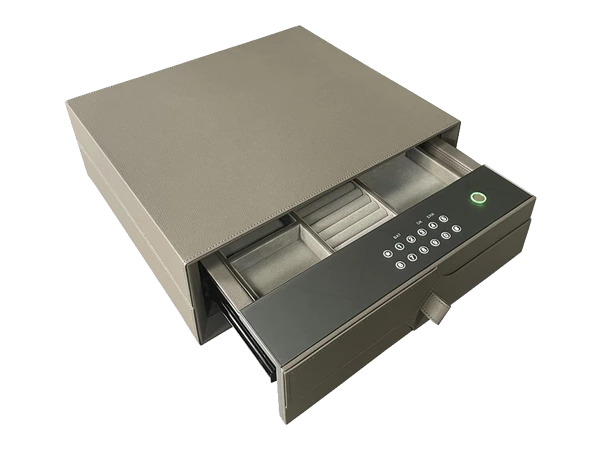
A watch winder safe can be highly secure when it is built like a real safe first and a watch accessory second. The safest designs use thick steel or composite construction, strong locking bolts, reliable lock mechanisms, internal relockers, and protected hinges, while the winding system sits inside the secure body rather than replacing it. In other words, watch safe security depends less on the presence of winders and more on the quality of the safe body, lock, installation, and certifications behind it.
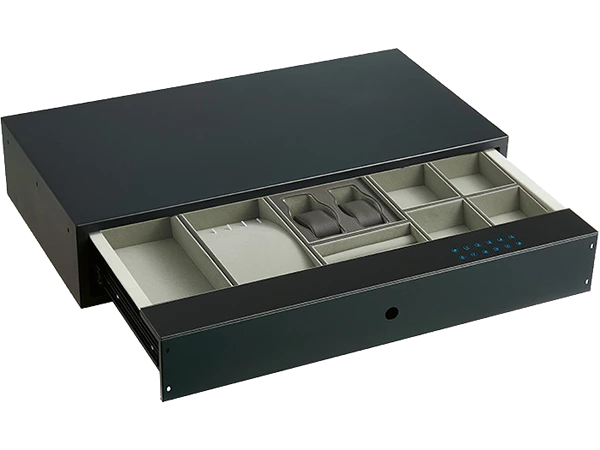
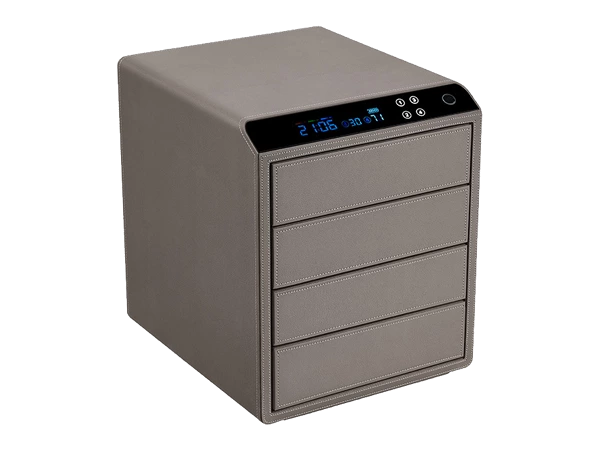
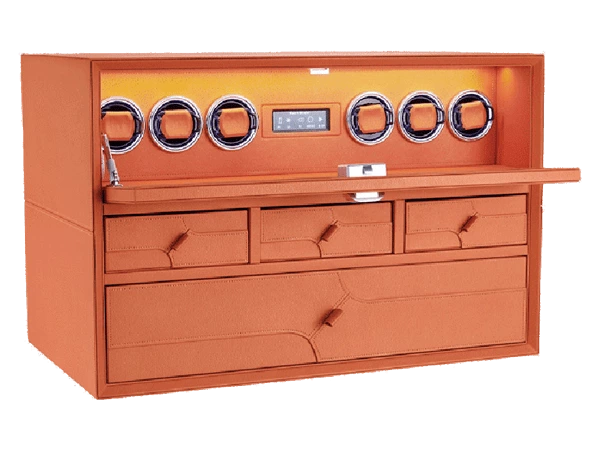
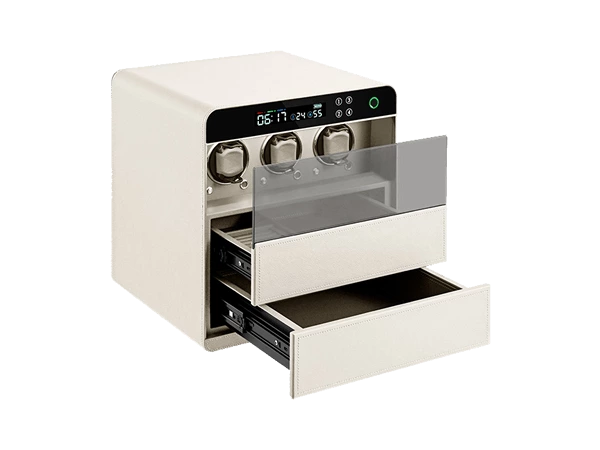
This distinction matters because not every attractive cabinet with rotors is a true luxury watch safe. Some products focus on presentation, lighting, and convenience but offer limited burglary resistance. Others are engineered as luxury watch winder safes with reinforced bodies, advanced locking systems, and environmental features that support long-term storage. A serious collector should look past the polished exterior and ask what stands between the watches and a forced entry attempt.

The construction details that matter most
The best watch safes are built around resistance: resistance to prying, drilling, impact, removal, and unauthorized access. A heavier body is not automatically better, but weight often reflects thicker materials, reinforced doors, and more substantial boltwork. Construction quality becomes especially important when watches are valuable, difficult to replace, or emotionally significant.
Key construction features to review include:
- Body and door material: Look for thick steel, composite steel, or advanced armor-style construction rather than thin sheet metal.
- Locking bolts: Multiple strong bolts on the door edge help resist prying and spreading attacks.
- Hinge protection: Internal hinges or protected external hinges reduce vulnerable access points.
- Relocking systems: A relocker can secure the door if the main lock is attacked or damaged.
- Anchoring options: A safe that can be bolted to the floor or wall is harder to remove from the property.
- Interior layout: Watch cushions, drawers, and rotors should hold pieces securely without crowding crowns, clasps, or bracelets.
High-end examples may add biometric locks, multi-alarm functions, GPS tracking, titanium locking bolts, or ballistic-style armor. These features can be valuable, but they should support the fundamentals rather than distract from them. A luxury label, glossy finish, or dramatic lighting does not compensate for weak steel, poor boltwork, or an unverified lock.
What does the winder actually protect?
The winder protects convenience and mechanical readiness, not the watch from theft by itself. Automatic watch winders rotate watches at programmed intervals so the movement stays running when it is not on the wrist. This is especially useful for watches with complex calendars, moonphase displays, or other complications that are tedious to reset after the power reserve runs down.A good watch winder storage system lets you adjust turns per day and rotation direction to suit different movements. That matters because automatic watches are not all wound the same way. Too little rotation may allow a watch to stop; excessive or poorly matched winding can create unnecessary wear over time. The goal is not constant motion, but controlled, appropriate motion.For many collectors, the everyday benefit is simple: the watch is ready when they open the safe. They do not have to unscrew crowns, reset dates, advance calendars, or handle delicate settings as often. Reducing that handling can make ownership feel easier, particularly when the collection includes several pieces worn on rotation.
Protection goes beyond the lock
A luxury watch safe should protect against more than theft. Watches are mechanical objects with lubricants, seals, metals, dials, straps, and finishes that can be affected by heat, moisture, dust, and careless storage. That is why a strong safe with a poorly managed interior may still fall short for long-term collecting.Fire protection is one area to review carefully. Standard high-security safes often have clearer certified fire ratings, while some luxury watch safes add fire-resistant construction as part of a broader feature set. Do not assume every watch winder safe is fire-rated just because it is expensive; confirm the rating, test standard, temperature threshold, and duration.Humidity control is also important. Too much moisture can encourage corrosion, while extremely dry conditions may affect leather straps and certain materials. Some luxury watch winder safes include humidity management or climate-conscious interiors, but collectors can also use monitoring devices and safe-compatible humidity control products when appropriate.
Integrated safe or hybrid setup?
An integrated watch winder safe is ideal when you want one polished, purpose-built system for storage, winding, access, and presentation. A hybrid setup places standalone automatic watch winders inside a standard safe, which can offer flexibility and sometimes stronger certified protection depending on the safe chosen. Neither approach is automatically superior; the better option depends on collection size, security expectations, and daily habits.
Consider this comparison:
| Option | Best for | Strengths | Trade-offs |
| Integrated watch winder safe | Collectors who want secure access and presentation in one unit | Clean layout, built-in power, fitted rotors, luxury finish | Can be costly and less modular |
| Standard safe plus winders | Collectors prioritizing certified safe performance | Flexible, upgradeable, easier to change winders | Interior may feel less refined |
| Standard safe only | Occasional wearers or smaller collections | Strong storage, lower complexity | Watches may stop between wears |
| Display winder cabinet | Low-risk environments and daily convenience | Attractive, easy access | Limited secure watch storage |
If your collection includes high-value watches worn frequently, an integrated watch winder safe may offer the best balance. If burglary resistance or fire certification is the top priority, a premium safe with carefully selected internal winders may be worth considering.

Choosing the right level of security
Before shopping for luxury watch winder safes, make a realistic inventory of what you own and how you use it. A small collection of daily-wear pieces has different needs than a larger group of rare, complicated, or investment-grade watches. The safest choice is the one that fits both the collection and the routine around it.
Use this checklist before buying:
- Count current and future capacity. Leave room for growth, not just today’s watches.
- Match winder settings to your movements. Look for programmable turns per day and direction.
- Verify safe construction. Ask about steel thickness, boltwork, relockers, anchoring, and lock type.
- Review fire and environmental protection. Confirm details instead of relying on broad marketing terms.
- Plan installation. A heavy safe still benefits from proper placement and anchoring.
- Consider servicing. Motors, locks, batteries, electronics, and seals may need attention over time.
- Balance visibility and discretion. A beautiful safe should not advertise too much to the wrong audience.
Operating costs are usually not the main expense, but they are still part of ownership. Winders use electricity, electronic locks may need batteries or backup access planning, and mechanical or biometric locks can require servicing. For a premium setup, maintenance is not a drawback; it is part of keeping the system reliable.
Presentation still has a purpose
Security is the foundation, but presentation is one reason collectors are drawn to watch safes winder systems in the first place. A well-designed interior makes it easier to see the collection, choose a watch, and keep pieces separated. Soft lining, proper spacing, and secure cushions help prevent accidental scratches and bracelet contact.Lighting can also be useful when it is restrained and practical. The point is not only to create a showroom effect, but to make everyday access easier. If the safe is frustrating to use, owners may start leaving watches outside it, defeating the purpose of buying secure storage at all.
Final takeaway
A watch winder safe is secure when it combines genuine safe engineering with reliable winding technology and thoughtful interior protection. Look for strong construction, credible locks, appropriate fire and humidity features, and programmable winders that suit your watches. Whether you choose an integrated luxury watch safe or a hybrid setup, the goal is the same: protect the collection, reduce unnecessary handling, and keep each automatic watch ready for the moment you want to wear it.