Auto Watch Winder vs Manual Winding: Which Is Better for Daily Watch Care?
Choosing between an auto watch winder and manual winding can be challenging for watch enthusiasts. Both methods have their unique benefits and appeal.Auto watch winders offer convenience, especially for those with multiple watches. They keep your timepieces ready to wear without the need for daily attention.Manual winding, on the other hand, provides a personal touch. It allows you to engage directly with your watch, appreciating its craftsmanship.This guide will explore the pros and cons of each method. By the end, you'll have a clearer understanding of which option suits your lifestyle and watch care needs best.

Understanding Automatic Watches and Their Care Needs
Automatic watches, known for their elegance and engineering, are cherished by many. These timepieces operate using the motion of the wearer's wrist.This movement of the wrist naturally winds the watch. However, when not worn regularly, they require alternative methods to stay in motion.Proper care is essential to maintain an automatic watch's accuracy and longevity. This involves regular winding to ensure the movement functions smoothly.
Some essential aspects of caring for automatic watches include:
- Keeping them clean and dry
- Protecting them from extreme temperatures
- Having them serviced regularly
Balancing regular use and rest can preserve the internal mechanics. Understanding these needs helps ensure your watch remains in perfect condition for years.
What Is an Auto Watch Winder? How Does It Work?
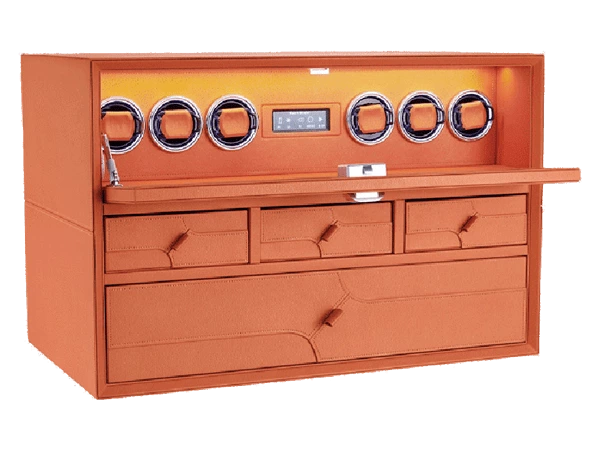
An auto watch winder is a clever device designed to keep automatic watches running when not worn. It mimics the natural movement of a wrist.The device contains a motor that rotates the watch, simulating the motion needed to wind it. This continuous motion keeps the watch in working order.Watch winders come in various sizes, designed to hold one or multiple watches. They often feature adjustable settings to match specific watch requirements.
Key features of auto watch winders include:
- Multiple rotation settings
- Silent operation
- Energy-efficient designs
- Attractive display options
Luxury watch winders might have extra features like LED displays or programmable settings. Their aesthetic appeal can also serve as a decorative piece.Auto watch winders provide a hands-free solution for maintaining watches. These devices offer unmatched convenience for watch enthusiasts and collectors alike. By keeping your watch functioning, they help extend its life and reduce wear on parts.

Manual Winding: The Traditional Approach
Manual winding is the age-old method of keeping watches running. It requires physically turning the crown of the watch.This approach offers an intimate connection between the owner and the timepiece. Many enthusiasts find it a cherished ritual.Manual winding provides precise control over the watch's tension. This hands-on care can maintain seals and prevent overuse.
Benefits of manual winding include:
- No extra equipment needed
- Full control over winding
- Deepened connection with the watch
- Maintains traditional watch care practices
For some, manual winding is more than just functional. It becomes a moment to appreciate the craftsmanship of their watch.This practice has stood the test of time. While it requires regular attention, the tactile feel and history make it rewarding.Manual winding embodies the tradition of watchmaking. It's a timeless method that allows owners to engage deeply with their watches.
Key Benefits of Using a Watch Winder
Watch winders are more than just convenient gadgets. They provide several advantages for automatic watch owners.An auto watch winder keeps watches ready to wear at all times. This eliminates the hassle of constantly resetting the time.For those with complex watches, winders are invaluable. They maintain intricate settings like perpetual calendars and moon phases.Additionally, watch winders distribute lubricants evenly. This can extend the life and accuracy of a watch by preventing internal wear.Not all winders are bulky or loud. Many options are silent and aesthetically pleasing, enhancing both function and display.
Key benefits include:
- Keeps watch always running
- Preserves complicated settings
- Distributes lubricants evenly
- Available in silent models
- Offers elegant display options
Choosing the right winder can improve your watch care routine significantly. It's a time-saving tool that caters to your collection.
With a range of designs, luxury to affordable, there's a watch winder for every need and budget.

Advantages of Manual Winding for Daily Watch Care
Manual winding has its own set of appealing benefits for watch enthusiasts. It's a time-honored tradition that connects you directly with the art of watchmaking.One of the primary advantages is control. Manual winding allows you to manage the tension and winding, ensuring your watch operates smoothly.It offers a tactile experience. Turning the crown establishes a personal bond between you and your timepiece.Manual winding is also ideal for maintaining seals and gaskets. This practice reduces wear and tear since it avoids constant pressure.
Additional benefits include:
- Increases personal interaction
- Provides better control over winding
- Helps maintain the watch's mechanical parts
- Encourages a greater appreciation for craftsmanship
Moreover, manual winding can be a cost-effective choice. It requires no extra equipment, making it budget-friendly for those who appreciate traditional watch care.For many collectors, the ritual of manual winding is about more than practicality. It's a way to honor the history and skill that goes into every watch.
Comparing Auto Watch Winders and Manual Winding: Pros and Cons
When deciding between an auto watch winder and manual winding, each method offers distinct pros and cons. Understanding these can guide you to make the best choice for your lifestyle and watch collection.Auto watch winders come with the advantage of convenience. They ensure your watch remains wound, saving you time and effort.
Pros of Auto Watch Winders:
- Keeps watches ready to wear
- Ideal for intricate complications
- Maintains watch accuracy
- Preserves lubricant distribution
However, the main drawback of winders is cost. High-quality models can be expensive, and they require space and electricity.Manual winding, on the other hand, offers a more personal approach. It's about engaging with your watch's history and technology.
Cons of Manual Winding:
- Requires regular attention
- Can wear out seals with overuse
- Less efficient for complex watches
In terms of daily care, manual winding provides tactile enjoyment and control. Yet, it demands more time and consistency, which might not suit everyone’s routine.By assessing these factors, you can select the method aligning with both your practical and emotional preferences.
Which Method Is Best for Different Types of Watch Owners?
The right method for daily watch care often hinges on the watch owner's lifestyle and preferences. Each type of watch owner may prioritize different aspects of winding.For collectors with a broad array of timepieces, auto watch winders could be indispensable. These devices efficiently manage multiple watches without constant manual intervention.Busy professionals who value time and efficiency might also prefer auto watch winders. They offer the luxury of worry-free maintenance, ensuring the timepieces are always ready for use.On the other hand, traditionalists and enthusiasts who relish the intimate experience of horology may lean towards manual winding. This method allows for a hands-on connection with their watch.
Considerations for Choosing Your Method:
- Collector with many watches: Auto watch winder
- Busy lifestyle: Auto watch winder
- Horology enthusiast: Manual winding
- Budget-conscious owner: Manual winding
Ultimately, the choice between auto winders and manual winding should reflect the owner’s watch care values and lifestyle demands.
How to Choose the Best Watch Winder for Your Collection
Selecting the perfect watch winder involves more than just aesthetics. It requires considering the functionality and compatibility with your watch collection. An ideal winder should cater to the specific needs of your watches.First, understand the winding requirements of your timepieces. Different watches may have unique winding directions and turns per day. A versatile watch winder will offer customizable settings to match these needs.Moreover, consider the size and design of the winder. If you own multiple watches, a larger or expandable winder could be beneficial. Prioritize winders that provide quiet operation, ensuring they don't disturb your environment.
Factors to Consider:
- Compatibility with watch movement
- Adjustable settings
- Size and capacity
- Noise level
- Design and aesthetics
By keeping these considerations in mind, you’ll ensure a worthwhile investment in your watch care routine.
Frequently Asked Questions About Watch Winders and Manual Winding
Curious about watch winders and manual winding? Many watch enthusiasts have common questions regarding these topics. Understanding them can simplify watch care decisions.A frequent question is whether watch winders can damage watches. Quality winders are safe and protect the mechanism from harm by mimicking wrist movement.Another question often asked is about manual winding frequency. It depends on the specific movement, but generally, daily winding ensures accuracy.
Common Questions:
- Can a winder harm my watch?
- How often should I manually wind my watch?
- Are silent winders truly silent?
Addressing these concerns helps in making informed decisions about your watch care approach.
Conclusion: Making the Right Choice for Your Watch Care Routine
Choosing between an auto watch winder and manual winding depends on your lifestyle and preferences. Each method offers unique benefits for watch care.Auto watch winders provide convenience and help maintain watch settings, especially for those with complex timepieces. They can also enhance the display of a watch collection.Manual winding, on the other hand, offers a traditional and personal touch to watch maintenance. It allows for a deeper connection with the craftsmanship of your watch.Ultimately, the best choice aligns with your watch habits and care priorities. Consider your routine, the complexity of your watches, and how you enjoy maintaining them.

Page Summary
An auto watch winder is a practical solution for automatic watch owners who want their timepieces to stay wound, accurate, and ready to wear. Compared with manual winding, an automatic watch winder offers greater convenience for collectors with multiple watches, complex functions, or busy daily routines. This guide compares the benefits of watch winders and manual winding, explains how a watch winder works, and helps buyers choose the best auto watch winder based on rotation settings, silent operation, capacity, design, budget, and compatibility with Rolex and other luxury automatic watches.
FAQ
1. What is an auto watch winder?
An auto watch winder is a device that rotates an automatic watch to simulate natural wrist movement. It helps keep the watch wound when it is not being worn, so the time, date, and other functions stay ready for daily use.
2. Is an auto watch winder better than manual winding?
An auto watch winder is better for users who own multiple automatic watches, wear different watches on different days, or want to avoid resetting the time and date. Manual winding is better for watch owners who enjoy a traditional hands-on routine and only need to maintain one or two watches.
3. What are the main watch winder benefits?
The main watch winder benefits include keeping automatic watches ready to wear, reducing the need for manual resetting, helping maintain complicated functions, offering organized display, and providing convenient daily care for luxury watch collectors.
4. How do I choose the best auto watch winder?
To choose the best auto watch winder, consider the watch movement requirements, turns per day settings, rotation direction, motor noise level, capacity, power supply, material, interior protection, and overall design. For luxury collectors, a silent watch winder or luxury watch winder safe is often a better long-term choice.
5. Is an auto watch winder suitable for Rolex and luxury automatic watches?
Yes. An auto watch winder can be suitable for Rolex and other luxury automatic watches when it offers adjustable rotation settings and stable winding performance. For high-value collections, an auto watch winder box or watch winder safe can also provide better organization, display, and security.