Best Closet Safe Options for Custom Walk In Closet Renovations
A custom walk-in closet renovation is the ideal time to plan secure storage into the room, not after the cabinetry is finished. The right closet safe can protect jewelry, watches, documents, heirlooms, and daily valuables while staying discreet, convenient, and visually aligned with the rest of the space. This list breaks down the best closet safe options for different layouts, security goals, and luxury closet designs.
What should you look for in a walk in closet safe?
A walk in closet safe should fit the way you actually use the closet: what you store, how often you access it, how visible you want it to be, and how much structural support the renovation can provide. The best choice is usually not the biggest safe or the most hidden one, but the option that balances access, concealment, anchoring, interior organization, and long-term convenience.
Before selecting a safe, confirm these basics with your closet designer, contractor, or custom safe manufacturer:
- Placement: Choose a location that does not interrupt drawers, hanging areas, lighting, mirrors, or traffic flow.
- Anchoring: Plan how the safe will be secured to framing, flooring, cabinetry, or another structural element.
- Access pattern: Decide whether you need daily access, occasional access, or emergency-only access.
- Concealment level: Determine whether the safe should be visible, discreet, or fully hidden behind a design feature.
- Interior layout: Match shelves, watch winders, jewelry trays, document space, and compartments to what you plan to store.
- Technology: Decide whether a smart closet safe, biometric lock, keypad, mechanical dial, or dual-access system fits your preferences.
- Future changes: Leave room for collections to grow, especially if you are storing jewelry, watches, luxury accessories, or important records.
1. Built-in cabinet safes create a seamless luxury look
A built-in cabinet safe is one of the most natural choices for a custom walk-in closet because it can be planned directly into the cabinetry. Instead of placing a standalone safe in an empty corner, the renovation can frame the safe within shelving, drawer banks, wardrobe doors, or a dedicated valuables zone. This gives the closet a cleaner finish and makes the safe feel like part of the design rather than an afterthought.
This type of closet safe works especially well when the safe needs to be accessible but not visually dominant. For example, it can sit behind a pair of matching cabinet doors, below a jewelry drawer, or inside a section reserved for watches and accessories. The exterior cabinetry can match the rest of the closet, while the safe itself provides the secure core.
A built-in option also encourages better planning. You can coordinate height, door swing, lighting, nearby surfaces, and interior storage before the renovation begins. If you use certain valuables daily, a waist-height or chest-height placement may be more comfortable than a floor-level safe.
Best uses include:
- Jewelry and watches you access frequently
- Passports, deeds, and important documents
- Small heirlooms or collectibles
- Cash storage, if appropriate for your household needs
- Luxury accessories that should remain private but easy to reach
The key is to plan the safe early. A built-in safe may require precise cabinet dimensions, reinforced support, and careful clearance for the safe door. Bringing a custom safe manufacturer or security specialist into the design phase can help prevent awkward retrofits later.
2. Hidden closet safes protect valuables without changing the room’s appearance
Hidden closet safes are designed for homeowners who want security without a visible security feature. In a custom walk-in closet, concealment can be achieved through mirror panels, false cabinet backs, sliding sections, toe-kick areas, decorative wall panels, or wardrobe doors that blend into the rest of the room. The goal is simple: the safe should not be obvious to someone who does not already know where it is.
A hidden closet safe can be especially useful in luxury closet security planning because it adds a privacy layer before the lock is ever tested. If the safe is concealed behind ordinary closet details, it may attract less attention than a freestanding metal unit. This approach is not a substitute for strong construction and anchoring, but it can make the entire security plan more discreet.
The best hidden designs are also practical. A safe that is too difficult to reach may go unused, especially for everyday items like rings, watches, or travel documents. Choose a concealment method that is subtle but not frustrating.
Smart places to conceal a safe include:
- Behind a full-length mirror panel
- Inside a locked cabinet that looks like standard storage
- Behind a jewelry wall or accessory display
- Within a wardrobe tower with matching doors
- Behind a removable or hinged panel in a low-traffic corner
When planning hidden closet safes, think carefully about lighting and motion. You should be able to access the safe comfortably without exposing its location from a hallway, bedroom, or nearby window. Good concealment works with the room’s natural flow rather than forcing a complicated routine.
3. Floor safes provide discreet storage for items you rarely access
A floor safe can be an effective option when you want valuables out of sight and do not need to open the safe every day. During a walk-in closet renovation, the floor structure, finish material, and concealment layer can be considered before installation. This makes the result cleaner than trying to add a floor safe after the closet is complete.
This style is often best for documents, backup valuables, or emergency items rather than jewelry you wear often. Because the user usually has to bend, kneel, lift a cover, or move a rug or panel, convenience is not its strongest feature. Its strength is discretion.
A floor-based closet safe may be hidden below a removable flooring panel, beneath a custom ottoman, under a rug, or inside a low built-in bench area. The surrounding design should make access possible without making the safe’s location obvious.
Consider a floor safe if:
- You prefer deep concealment over daily convenience
- Your renovation allows structural planning before flooring is installed
- You have items that do not need frequent access
- You want the safe out of the main sightline of the closet
- You can maintain comfortable, safe access to the opening
The main limitation is usability. If you have mobility concerns, delicate flooring, or a closet layout that leaves little open floor space, another closet safe option may serve you better. A floor safe should feel intentional, not like a puzzle you dread opening.
4. Wall safes work well behind mirrors, panels, and wardrobe features
Wall safes are a classic choice for hidden closet safe designs because they can sit behind vertical features that already belong in a walk-in closet. A mirror, framed panel, hanging section, scarf wall, or cabinet door can conceal the access point while preserving floor space. This is useful in closets where every square foot is already assigned to clothing, shoes, and accessories.
A wall safe is typically best for smaller items. Think passports, jewelry boxes, backup cards, slim document folders, compact valuables, and keepsakes. If you need to store bulky items or a large watch collection, a cabinet safe or full-height unit may be more practical.
Planning matters because wall depth, framing, utilities, and door clearance can limit what is possible. During renovation, your contractor can evaluate the wall before finishes are installed. That timing makes it easier to avoid conflicts with electrical wiring, plumbing, HVAC, or decorative millwork.
A wall safe may be a good fit when you want:
- Security without using drawer or shelf space
- Concealment behind a mirror or design panel
- Quick access at standing height
- A compact safe for documents and small valuables
- A discreet solution in a narrower walk-in closet
For the cleanest result, coordinate the safe location with the closet’s visual rhythm. A mirror that feels naturally placed is more convincing than one that appears oddly positioned. Concealment is strongest when the design element has a clear reason to exist.
5. Jewelry safes organize pieces while protecting them
A jewelry safe is not just a locked box. In a well-designed walk-in closet, it can become a secure version of a jewelry cabinet, with drawers, trays, necklace storage, ring rolls, watch compartments, and soft-lined sections. This makes it easier to protect pieces from loss, damage, and casual exposure while keeping them organized enough to enjoy.
This is one of the most practical closet safe options for homeowners who want security and daily usability. Instead of scattering valuables across drawers, vanity surfaces, and travel pouches, everything can have a defined place. That reduces clutter and makes it easier to notice when something is missing or out of place.
A jewelry-focused safe can be built into cabinetry, hidden behind a door, or designed as a more visible luxury feature within the closet. The right choice depends on your comfort level. Some homeowners prefer a beautiful safe interior that opens like a private display, while others want the entire unit concealed until needed.
Useful interior features may include:
- Ring rolls and small divided trays
- Necklace hooks or vertical storage
- Watch slots or removable cushions
- Soft-lined drawers for delicate pieces
- Separate compartments for documents or certificates
- Adjustable shelving for changing collections
If you are planning a luxury closet security upgrade, this option deserves early attention. Jewelry storage often requires more detailed interior design than general safe storage. Measure what you own now, then allow extra capacity so the safe does not become overcrowded.
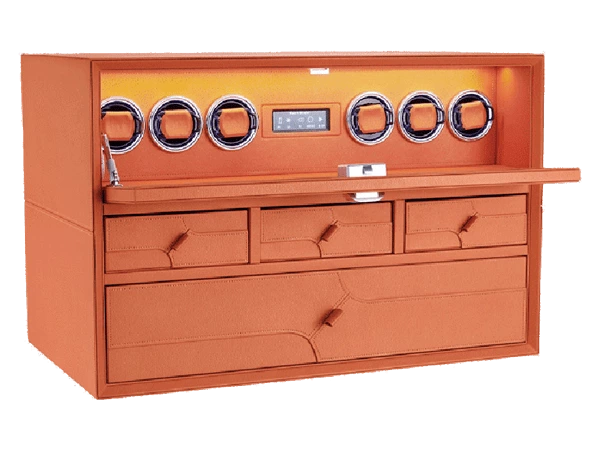
6. Watch safes protect collections with dedicated interior planning
A watch safe is ideal for collectors who need more than a generic shelf. Watches can require protected compartments, cushions, separation between pieces, and, in some cases, integrated watch winders. Even if you do not need advanced features, a dedicated watch layout can make the collection easier to view, select, and maintain.
In a custom walk-in closet renovation, a watch safe can be integrated near dressing areas, accessory drawers, or a vanity. This placement makes sense because watches are usually chosen as part of an outfit. Keeping them secure but close to where you get ready improves both convenience and organization.
The safest design is not always the flashiest. A dramatic display may look impressive, but it may not suit a homeowner who wants the collection hidden. Decide whether the watch safe should be a private presentation feature or a concealed storage zone.
A watch-focused closet safe works well for:
- Daily rotation watches
- Collector pieces
- Family heirlooms
- Travel watch storage
- Related items such as straps, tools, or certificates
If you are working with a custom safe manufacturer, ask about interior flexibility. Collections change, and fixed layouts can become limiting. Adjustable components, removable inserts, or modular trays can help the safe remain useful over time.
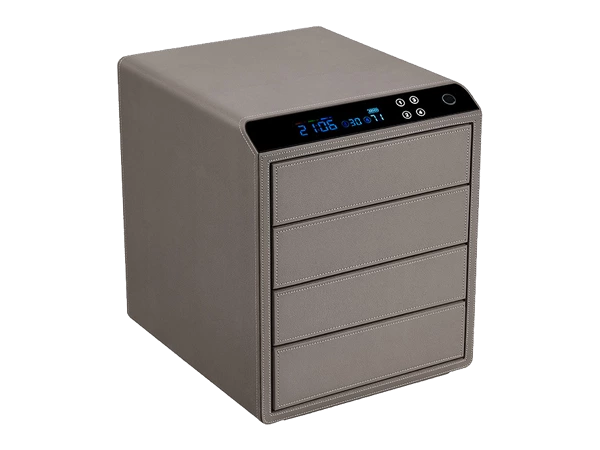
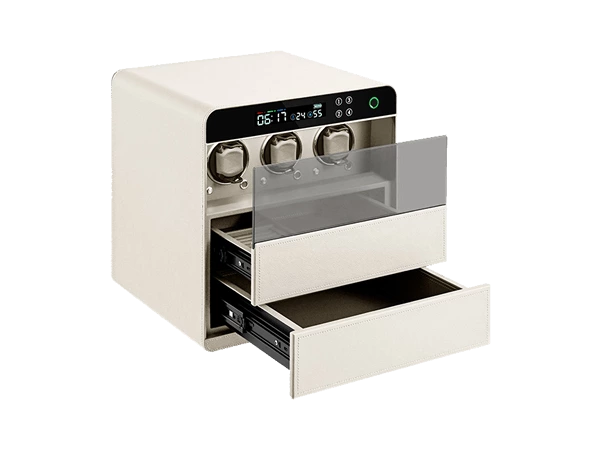
7. Smart closet safes add convenience and access control
A smart closet safe can make secure storage feel more connected to modern daily routines. Depending on the model and configuration, smart features may include biometric access, keypad entry, app-based notifications, audit trails, interior lighting, or other access controls. The main benefit is convenience, especially when the safe is used often.
Smart technology is most valuable when it supports good habits. If access is easy and reliable, you are more likely to put valuables away every time instead of leaving them on a counter or in a drawer. For shared households, access control can also help limit who can open the safe.
However, technology should not distract from fundamentals. A smart lock still needs a well-built safe body, proper anchoring, thoughtful placement, and a reliable backup access method. Battery management, connectivity expectations, and privacy preferences should be discussed before the safe is selected.
Consider a smart closet safe if you want:
- Faster access than a traditional dial
- Biometric or keypad entry
- Interior lighting for jewelry and watch storage
- Access controls for multiple authorized users
- A more modern user experience in a luxury closet
The best smart safe is one you understand and will maintain. Ask how backup access works, what happens if power or batteries fail, and whether the technology fits your comfort level. Convenience is valuable, but reliability is essential.
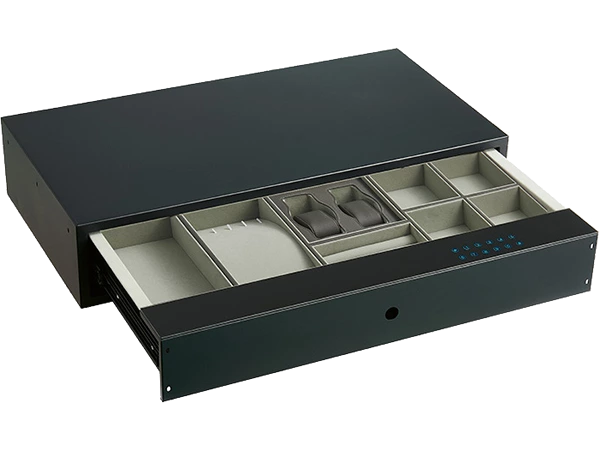
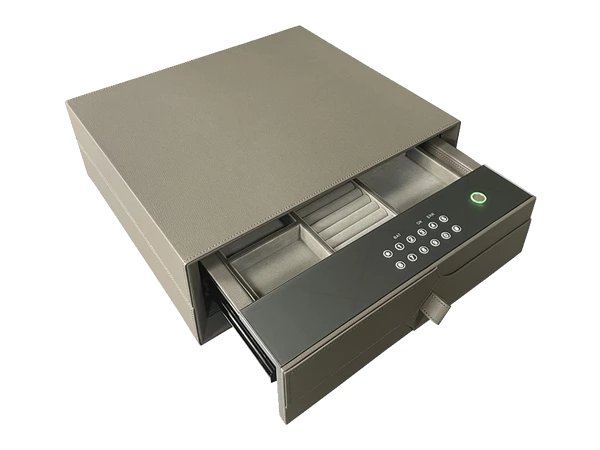
8. Drawer-style safes keep daily valuables close at hand
Drawer-style safes are useful when you want security near the point of use. They can be integrated into a vanity, island, wardrobe unit, or accessory cabinet, giving you a protected place for items you remove and replace frequently. In a walk-in closet, this can be especially convenient for rings, watches, wallets, passports, and small electronics.
This option is not always suitable for large collections or bulky items, but it can be excellent for daily routines. A secure drawer near a dressing surface makes it easy to store valuables before travel, workouts, cleaning, or sleep. Because the safe is part of the furniture layout, it can remain discreet while still being quick to reach.
Drawer-style safes need careful planning around slides, weight, locking hardware, and cabinet construction. The surrounding millwork should support the safe properly, and the drawer front should align with the rest of the closet design. A poorly integrated safe drawer can feel clunky; a well-integrated one feels effortless.
Good locations include:
- Inside a closet island
- Below a vanity counter
- Within an accessory drawer stack
- Near a dressing bench
- In a private owner’s wardrobe zone
If your renovation includes a large island, this option is worth considering. It keeps frequently used valuables in the same area where outfits and accessories are assembled, reducing the temptation to leave important items unsecured.
9. Full-height safes create maximum capacity for larger collections
A full-height safe can serve as a major security feature inside a large custom walk-in closet. It offers more interior volume than most wall, floor, or drawer safes, making it suitable for larger jewelry collections, handbags, documents, collectibles, or mixed valuables. When planned correctly, it can be concealed behind wardrobe doors or treated as a refined built-in element.
This option requires the most design coordination. The safe may affect floor loading, door swing, delivery access, cabinet dimensions, lighting, and the overall balance of the room. It is best considered early, before closet systems, flooring, and trim details are finalized.
A full-height closet safe is worth exploring when:
- You need more capacity than a compact safe provides
- You want separate zones for jewelry, watches, documents, and keepsakes
- Your walk-in closet has enough wall or cabinet space
- You prefer one secure location instead of several smaller safes
- You want the safe to be part of a larger luxury closet security plan
The tradeoff is visibility and space. Even when concealed, a large safe requires room. For some renovations, one full-height safe is the cleanest answer; for others, multiple smaller hidden closet safes may blend better into the design.
10. Custom safes solve unusual design and storage needs
A custom safe manufacturer can help when standard sizes, interiors, or finishes do not match the renovation. Customization may be useful if your closet has unusual dimensions, specialty cabinetry, a specific concealment plan, or a collection that needs dedicated compartments. It can also help align the safe with the room’s design language.
Custom does not have to mean overly complicated. Sometimes it means the safe fits a cabinet opening precisely, includes the right drawer configuration, or allows a door swing that works with the closet layout. In other cases, it may involve more advanced concealment, specialty interiors, or finishes that support a luxury closet aesthetic.
This route is especially helpful for homeowners who are renovating the closet as part of a larger primary suite or whole-home upgrade. The safe can be coordinated with lighting, millwork, mirrors, flooring, and security preferences from the beginning.
A custom approach may be right if you need:
- A nonstandard size or shape
- Interior trays for a specific jewelry or watch collection
- Concealment behind custom cabinetry or panels
- Coordination with premium closet finishes
- A safe that supports both security and presentation
The main advantage is fit. A standard safe may protect valuables, but a custom safe can protect them while respecting the design, storage plan, and daily routine of the closet.
11. Multi-safe layouts divide storage by access level
One safe is not always the best answer. In a large walk-in closet, a multi-safe strategy can separate daily valuables from long-term documents, heirlooms, or backup storage. This can make the space more efficient and reduce unnecessary access to items you rarely need.
For example, a drawer-style safe might hold daily jewelry, while a hidden wall safe stores passports and documents. A larger concealed cabinet safe might protect heirlooms or seasonal valuables. This layered approach can be especially useful in luxury closet security planning because it matches storage type to access frequency.
A multi-safe layout can help you organize by:
- Daily use: Rings, watches, wallets, and frequently worn pieces
- Occasional use: Travel documents, special-event jewelry, and backup cards
- Long-term storage: Heirlooms, certificates, and important records
- Private access: Items only one or two people should reach
- Collection type: Separate jewelry, watches, documents, and keepsakes
The challenge is coordination. Too many access points can become confusing, and poorly placed safes may interrupt the closet’s flow. Keep the strategy simple enough to use consistently.
How do you choose the right hidden closet safe for your renovation?
Choose the hidden closet safe that matches your layout, valuables, and habits instead of choosing concealment alone. The best option should be secure, accessible, properly anchored, and integrated into a design feature that already makes sense in the room.
Use this quick decision checklist during planning:
- List what you plan to store. Separate jewelry, watches, documents, heirlooms, cash, and everyday carry items.
- Rank access frequency. Daily-use items need convenient placement; rarely used items can be more deeply concealed.
- Choose the concealment style. Decide whether the safe belongs behind cabinetry, a mirror, a wall panel, a drawer front, or flooring.
- Confirm structure early. Ask about framing, floor support, anchoring, and delivery before cabinetry is ordered.
- Plan the door swing. Make sure the safe can open fully without hitting drawers, islands, benches, or closet doors.
- Think about lighting. Interior and nearby lighting can make a safe easier to use without revealing it unnecessarily.
- Decide on lock preference. Compare mechanical, keypad, biometric, and smart options based on reliability and comfort.
- Allow room to grow. Choose a size and interior layout that can handle future additions.
A closet renovation gives you one major advantage: you can hide the safe elegantly from the start. Retrofitting often forces compromises, while early planning lets the safe disappear into the architecture.
Practical planning tips before installation
The best closet safe installation begins before the closet looks finished. Once cabinetry, stone, mirrors, lighting, and flooring are in place, changes can become more difficult and more expensive. Early coordination protects both the design and the security plan.
Discuss these details with your renovation team:
- Exact dimensions: Include safe body size, trim, hardware, and clearance.
- Weight and support: Confirm the surrounding structure can support the safe safely.
- Delivery path: Make sure the safe can be moved through doors, stairs, halls, and the closet entry.
- Electrical needs: Plan power for lighting, smart features, or watch winders if needed.
- Humidity and environment: Consider the comfort of items such as watches, documents, leather goods, and jewelry.
- Privacy during construction: Limit unnecessary visibility of the safe location when possible.
- Future service access: Make sure the safe can be maintained without damaging finished cabinetry.
This is also the right time to decide whether the safe should be visible only when opened or treated as a premium feature. Some homeowners want a dramatic, illuminated interior. Others want complete discretion. Both can work, but the design should be intentional.
The strongest closet safe strategy blends security, design, and habit
The best safe for a custom walk-in closet is the one you will use consistently. A highly secure safe that is awkward, poorly placed, or too small can become frustrating. A beautiful safe that is easy to access but not properly anchored or planned may not provide the confidence you want.
For many renovations, the ideal solution combines several ideas: a built-in closet safe for frequently used valuables, hidden closet safes for discreet backup storage, and a smart closet safe or custom interior where convenience matters. If the closet is part of a luxury renovation, involve the safe provider, closet designer, and contractor early so the security plan supports the finished room rather than competing with it.
A walk in closet safe should feel natural in the space, simple to operate, and appropriate for the value and type of items it protects. Start with your valuables, your routine, and your desired level of discretion. From there, the right closet safe option becomes much easier to choose.
FAQ
Q: What is a closet safe?
A: A closet safe is a security storage solution designed to integrate into wardrobes or walk-in closets while protecting valuable items.
Q: Can a closet safe be customized for renovation projects?
A: Yes. Manufacturers can customize dimensions, structure, finishes and internal layouts according to closet designs.
Q: Are hidden closet safes suitable for luxury homes?
A: Yes. Hidden closet safes provide discreet protection while maintaining premium interior aesthetics.
Q: What items can be stored in a closet safe?
A: Closet safes can store jewelry, watches, cash, documents and other personal valuables.
Q: Why choose a custom safe manufacturer?
A: A custom manufacturer can provide project-specific solutions instead of standard products.