Best Safes for Watches How to Choose the Right Model for Your Collection
A good watch collection deserves more than a drawer, display tray, or bedside box. The right safe for watches protects your pieces from theft, damage, moisture, and everyday mishandling while keeping them organized and easy to enjoy. Whether you own a few meaningful watches or a growing luxury collection, choosing the right model comes down to security, storage layout, materials, and how you actually use your watches.
What should you look for in a safe for watches?
The best watch safes combine physical security with thoughtful interior design. A standard safe can protect valuables, but watch storage solutions need to account for delicate bracelets, leather straps, automatic movements, display preferences, and quick access. Look for a secure body, a reliable lock, interior cushioning, humidity awareness, and enough flexible space for the collection you own now and the one you may build later.
Many collectors start by focusing only on size, but the better question is how the safe supports both protection and daily use. If it is inconvenient to open, poorly organized, or too cramped, you may stop using it consistently. A watch safe should make good habits easy: remove the watch, place it safely, close the door, and know it is protected.
Why ordinary storage may not be enough
A display box can look beautiful, and a travel roll is useful for short trips, but neither is designed to resist forced access. Watches are small, portable, and often valuable, which makes them easy to remove quickly if they are left unsecured. Even sentimental pieces with modest resale value can be hard or impossible to replace.
There is also the issue of everyday damage. Watches left on hard surfaces can be scratched, dropped, or exposed to moisture, dust, and temperature changes. Leather straps may dry out or absorb humidity, while bracelets can rub against other items if they are stored loosely. Luxury watch storage should reduce those risks without hiding the collection so completely that it becomes difficult to wear and appreciate.
A dedicated safe gives your watches a defined home. It also helps you keep boxes, papers, spare straps, warranty cards, and service documents in one place. That kind of organization is valuable not only for convenience but also for insurance records, future servicing, and long-term collection management.
Security features that matter most
Not every safe offers the same level of watch protection. Some models are designed mainly to keep children or guests away from valuables, while others are built to resist burglary attempts. Before comparing finishes and interiors, consider the basic security features that determine how well the safe can do its main job.
Useful features include:
- Solid construction: A sturdy steel body and reinforced door help prevent quick forced entry.
- Reliable locking system: Electronic keypads, biometric readers, mechanical dials, and key locks can all work well when built properly. Choose the lock type you will use confidently.
- Boltwork and hinges: Strong locking bolts and protected hinges make the door harder to pry open.
- Anchoring options: A safe that can be bolted to the floor, wall, or cabinet is harder to carry away.
- Tamper alerts or lockout modes: Some electronic safes add protection by delaying access after repeated incorrect attempts.
- Fire resistance: Fire-rated models may help protect watches, papers, and accessories during certain fire events, depending on the rating and duration.
For many collectors, the ideal choice balances security with practicality. A safe that is extremely heavy and complex may be appropriate for a large collection, but a compact secure watch case may be better for a smaller home setup or secondary location. The key is matching the risk level, collection value, and storage environment.
How much storage space does your collection need?
Your safe should hold your current watches comfortably, with room for future additions and accessories. A tight interior increases the chance of scratches and makes it harder to keep watches separated. As a practical rule, plan for more capacity than you need today, especially if collecting is becoming a long-term hobby.
Start by counting the watches you wear regularly, then add pieces kept for special occasions, heirlooms, and watches that may be in rotation seasonally. If you own automatic watches, consider whether you want built-in winders or simple cushioned compartments. Winders are convenient for some automatic watches, but they are not necessary for every collector or every movement.
A smart interior plan may include:
- Individual watch cushions to prevent cases and bracelets from touching.
- Adjustable shelves for boxes, documents, or larger pieces.
- Drawers or trays for straps, tools, cufflinks, jewelry, or warranty cards.
- Open compartments for oversized watches or pieces with deployant clasps.
- Extra capacity so the safe does not feel full after one new purchase.
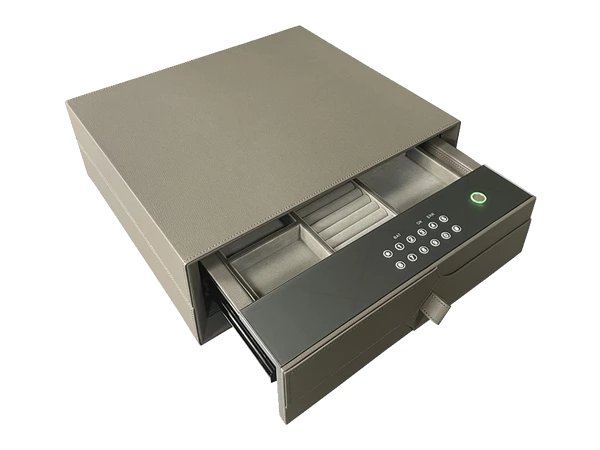
Think about access, too. If you wear a different watch most days, front-facing drawers or pull-out trays may be more comfortable than deep stacked storage. If you rarely rotate pieces, a simpler interior may work just as well.
Watch winders and when they are useful
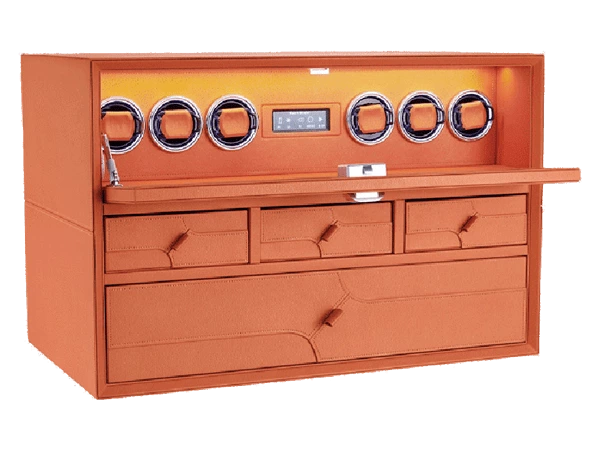
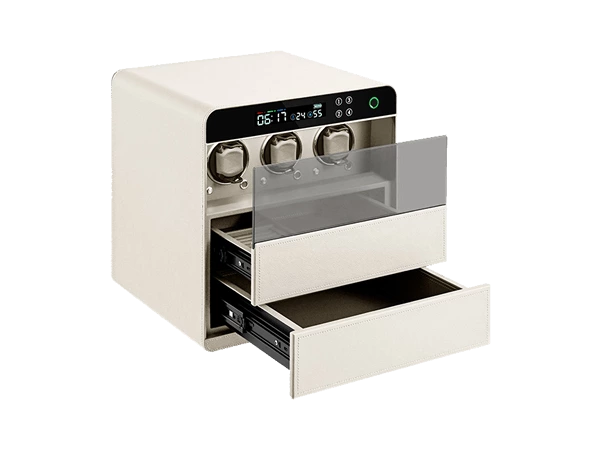
Watch winders are one of the most discussed features in watch safes. They keep automatic watches moving when not worn, which can help maintain the time, date, and other settings. This is especially convenient for watches with complex calendars or pieces you rotate frequently.
However, winders are not essential for every automatic watch. Some collectors prefer to let watches rest when not in use and wind them manually before wearing. Others value the convenience of picking up a ready-to-wear watch at any time. If you choose a safe with winders, look for quiet operation, adjustable rotation settings, and cushions that hold watches securely without stressing straps or bracelets.
The best watch safes with winders are not simply safes with motors added inside. They should provide secure storage, clean cable management, reliable power, and enough spacing between watches. Poorly designed winders can make the interior feel cluttered or expose watches to unnecessary contact.
Materials and interiors protect the finish
The inside of a watch safe matters almost as much as the outside. Watches should rest on soft, non-abrasive surfaces that do not press awkwardly against crowns, pushers, bezels, or clasps. Cushions should fit the watch well enough to hold it in place but not so tightly that they stretch bracelets or strain leather straps.
Common interior features include suede-like lining, microfiber surfaces, padded trays, removable cushions, and separated compartments. These details help prevent scuffs during storage and make the safe feel more refined. For luxury watch storage, interior quality also affects the daily experience: opening the safe should feel orderly, calm, and intentional.
Humidity is another factor to consider. Watches are built to handle normal wear, but long-term storage in damp conditions is not ideal, especially for leather straps, vintage pieces, and documents. Depending on your climate and storage location, you may want a safe with space for a small desiccant pack or humidity-control accessory. Avoid placing a watch safe in an area that is consistently damp, hot, or exposed to large temperature swings.
Should you choose a compact case, cabinet safe, or built-in safe?
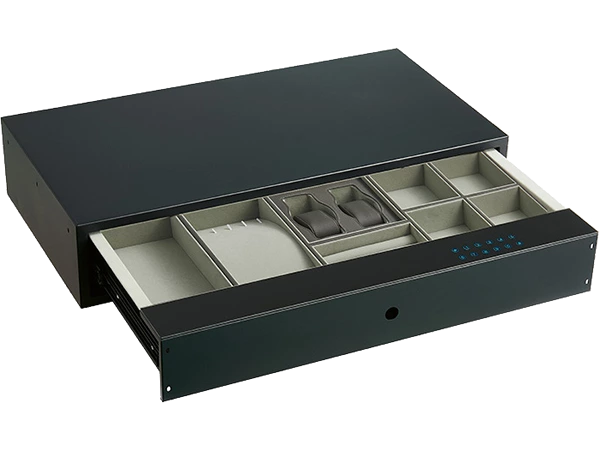
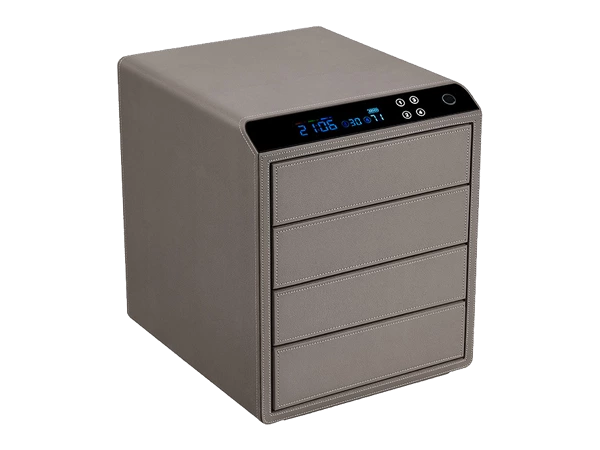
The right format depends on your collection size, available space, and security needs. A compact secure watch case can be a good fit for a smaller collection, an apartment, or a collector who wants simple access without a large installation. A cabinet-style safe usually offers more capacity, better organization, and room for documents or accessories. Built-in or concealed options can work well when you want the safe integrated into furniture, closets, or a dedicated dressing area.
Each style has trade-offs. Compact models are easier to place but may offer limited room for growth. Larger cabinet safes can hold more and may feel more premium, but they require more space and planning. Concealed installations can be discreet, but access and anchoring should still be practical.
Before choosing a format, ask yourself where you will use the safe most naturally. A safe hidden so deeply that it becomes annoying to open may not support daily storage habits. The best choice is secure enough to protect the collection and convenient enough that you will use it every time.
Practical checklist before you buy
Before comparing watch safes, take a few minutes to define your needs. This prevents overbuying features you will not use or choosing a model that feels too small within a year.
Use this checklist:
- Collection size: Count your watches and add realistic room for growth.
- Watch types: Note automatics, manual-wind pieces, quartz watches, vintage models, and oversized cases.
- Security level: Decide whether you need basic controlled access or stronger burglary resistance.
- Placement: Choose a dry, stable location where the safe can be accessed easily.
- Anchoring: Confirm whether the safe can be bolted down or secured appropriately.
- Interior layout: Look for cushions, trays, and compartments that match your watches and accessories.
- Access method: Choose a lock type you trust and can operate comfortably.
- Power needs: If winders or lights are included, think about outlets, batteries, and backup access.
- Documents: Make sure there is room for papers, cards, receipts, and service records if you want them stored together.
- Daily routine: Picture yourself using the safe every morning and evening. If the process feels awkward, keep looking.
This simple exercise makes it easier to identify the best watch safes for your situation rather than chasing the most expensive or feature-heavy option.
Matching the safe to your collecting style
A new collector with three to five watches may need a different solution than someone with multiple high-value pieces, rare vintage models, or a growing rotation of automatics. If your collection is small but meaningful, prioritize solid security, proper cushioning, and a little extra space. You may not need built-in winders or elaborate lighting.
If you rotate watches often, convenience becomes more important. Pull-out trays, clear organization, and quick access can make the safe feel like part of your dressing routine rather than a storage chore. If your collection includes watches you rarely wear, prioritize stable long-term storage and enough separation to prevent contact between pieces.
Collectors who keep original boxes may need additional storage outside the safe, because watch boxes can be bulky. In many cases, it makes sense to store the watches and essential documents in the safe while keeping larger presentation boxes in a separate secure area. That approach protects the most important items without forcing you to buy a much larger safe only to hold packaging.
Common mistakes to avoid
One common mistake is buying a safe that fits the collection exactly today. Watches tend to accumulate, and even one or two additions can make a once-perfect interior feel crowded. Another mistake is focusing on exterior appearance while overlooking anchor points, door strength, or lock quality.
Collectors also sometimes ignore the storage environment. A safe placed in a damp basement, hot attic, or area with frequent temperature shifts may create avoidable risks. Choose the location as carefully as the safe itself.
Finally, do not assume that any padded box offers real security. A nice-looking case may be useful for display, but it is not the same as a safe. For genuine watch protection, security and storage design need to work together.
The best safe is the one you will use consistently
Choosing among watch storage solutions is not just about buying the strongest box or the most luxurious interior. It is about finding a safe that fits your collection, your space, your habits, and your level of risk. When a safe is secure, organized, and easy to access, it becomes part of responsible ownership.
The best watch safes protect your watches while making them easier to enjoy. Start with security, choose an interior that respects the pieces, allow room to grow, and place the safe somewhere that supports daily use. With the right model, your collection stays protected, organized, and ready for the next time you reach for the perfect watch.
FAQ
Q: What are the best safes for watches?
A: The best models combine secure locking, organized compartments, smart access and optional watch winder functions.
Q: Why do collectors need dedicated watch storage?
A: Dedicated storage protects valuable watches while improving organization and accessibility.
Q: Should a watch safe include a watch winder?
A: For automatic mechanical watches, a watch winder can help maintain movement when watches are not worn.
Q: Can watch safes be customized?
A: Yes. Manufacturers can customize size, materials, compartments and installation methods.
Q: Are smart watch safes suitable for luxury homes?
A: Yes. They are commonly integrated into villas, premium apartments and private collections.