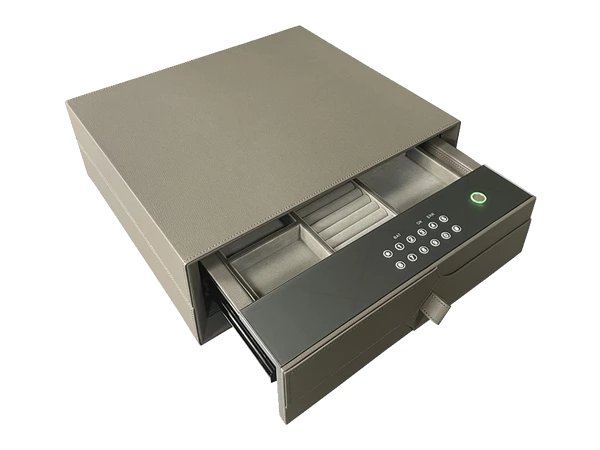
High End Watch Safe Design Guide for Private Collectors and Luxury Homes
A high end watch safe is more than a locked box. It is a tailored storage environment for valuable timepieces, combining security, presentation, organization, and daily convenience in one discreet installation. This guide is for private collectors, luxury homeowners, designers, and family offices planning a collector watch safe that protects investment-grade watches while keeping them easy to enjoy.
Whether you need a compact watch winder safe box for a focused collection or a fully integrated luxury watch safe design for a private dressing room, the right solution starts with how you live with your watches. The best design balances access, discretion, capacity, winding needs, interior finish, and the level of watch security solutions appropriate for your home.
What should a high end watch safe include?
A high end watch safe should include secure construction, thoughtful interior storage, appropriate winding capability, controlled access, and a design that fits naturally into the home. For collectors, the goal is not only to lock watches away, but to create premium watch storage that supports daily use, long-term organization, and confidence when pieces are not being worn.
The right configuration depends on the collection. A frequent wearer may want several powered winders near the front, open cushions for manual-wind or quartz pieces, and drawers for straps, tools, and documentation. A collector with rare or seldom-worn watches may prioritize compartmentalized storage, discreet placement, and a layout that minimizes handling.
A complete watch safe specification often considers:
- Secure enclosure: A safe body and locking system selected for the risk profile of the home and collection.
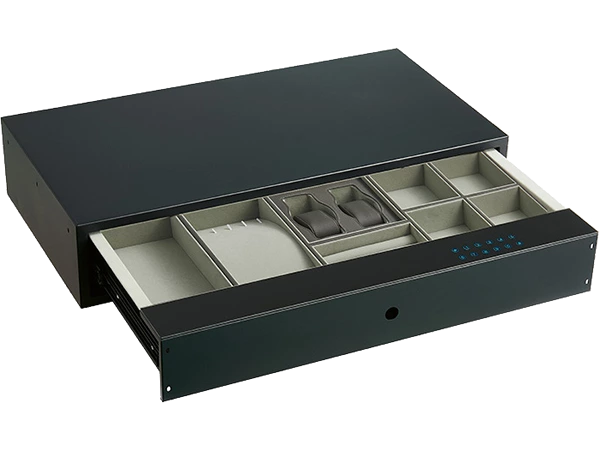
- Watch-specific interiors: Cushions, trays, drawers, and compartments sized for different case dimensions and bracelet types.
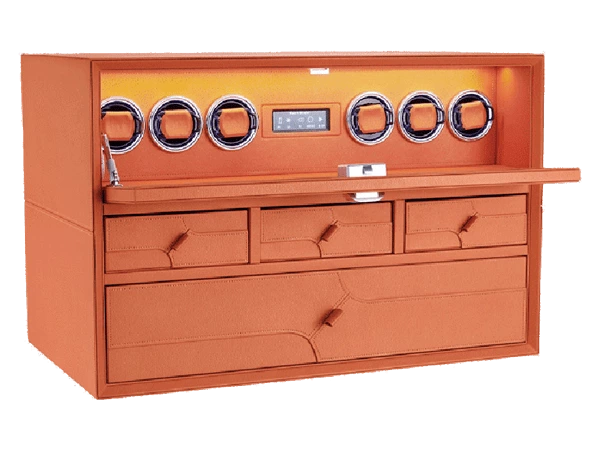
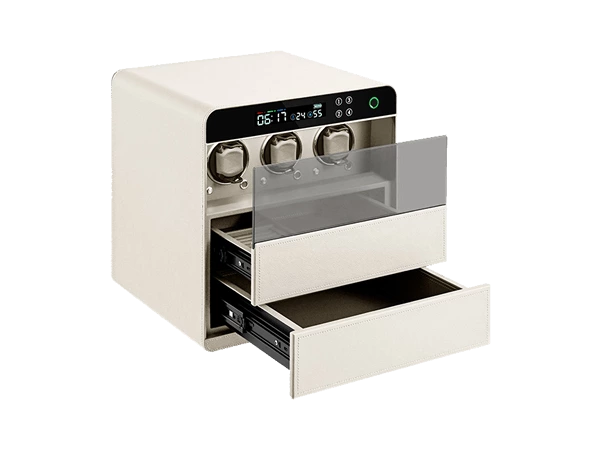
- Winding options: Integrated watch winders for automatic watches, with layout planned around visibility and access.
- Access control: Locking methods that suit the owner’s preferences, household routines, and privacy needs.
- Interior presentation: Lighting, lining, finishes, and drawer organization that make the safe feel intentional rather than improvised.
- Installation context: Placement in a wardrobe, dressing room, study, private vault, or concealed area of the residence.
- Growth capacity: Space for future acquisitions, strap storage, boxes, papers, and accessories.
A generic safe can store watches, but it usually does not solve the practical issues collectors face every day. Watches can crowd together, bracelets can rub, winders may be placed outside the secure area, and valuable accessories become scattered across drawers. A purpose-built collector watch safe brings those needs into one controlled, elegant system.
Designed for collectors who use their watches
Luxury watch storage should make ownership easier, not more cumbersome. If you rotate through several automatic watches, a watch winder safe box can keep selected pieces ready while still securing them when they are off the wrist. If you prefer manual-wind or vintage pieces, the design may focus more heavily on soft trays, individual compartments, and careful spacing.
The strongest layouts begin with a realistic map of your habits. Do you choose a watch in the morning while getting dressed? Do you return pieces to storage at night? Do you travel often and need a place for pouches, passports, or travel rolls? These details influence whether the safe belongs inside a closet, behind custom millwork, in a private office, or within a larger home security plan.
For many private collectors, the ideal safe includes distinct zones:
- Daily rotation area: Easy-access winders or front trays for watches worn most often.
- Archive storage: Deeper drawers or divided compartments for rare, vintage, or seldom-worn pieces.
- Accessory drawers: Storage for straps, spring bars, clasps, tools, loupe, gloves, and cleaning cloths.
- Document area: Space for warranty cards, service records, receipts, and appraisal documents if the owner wants them stored nearby.
- Travel preparation area: A section for watch rolls, cases, and items used before leaving home.
This approach prevents the safe from becoming a crowded container. Instead, it functions like a private collection cabinet with serious security behind it.
Security that fits the home, not just the object
Watch security solutions should be designed around the property, the collection, and the way people move through the residence. A safe placed in an obvious location, used awkwardly, or left open because it is inconvenient can undermine even strong hardware. Good design makes secure behavior feel natural.
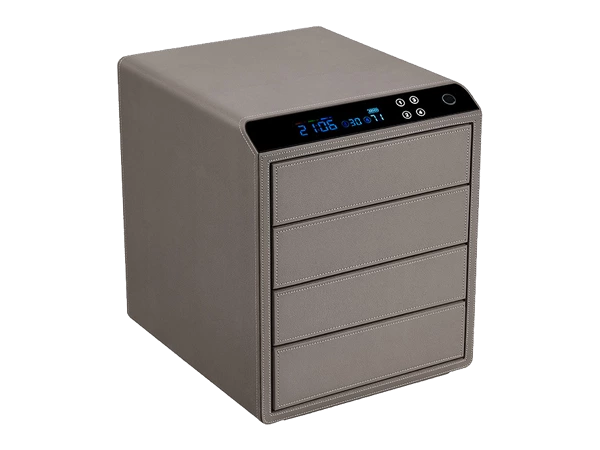
A high end watch safe can be planned as a standalone piece, a concealed installation, or part of a larger residential security strategy. The right choice depends on the home’s architecture and the owner’s preference for visibility. Some collectors enjoy a beautifully finished safe as part of a dressing suite, while others prefer a discreet solution hidden behind cabinetry or within a secured private room.
Important design considerations include:
- Location and privacy The safe should be accessible to the owner but not casually visible to visitors, contractors, or household traffic. Placement should support daily use while limiting unnecessary attention.
- Anchoring and installation A safe’s performance depends in part on how and where it is installed. Planning early helps avoid conflicts with flooring, cabinetry, structural elements, and electrical requirements for winders or lighting.
- Access habits The best locking method is one the owner will actually use consistently. Keypads, biometric options, mechanical locks, or multi-step access can each suit different preferences.
- Power and cable management Integrated winders and lighting require clean power planning. Cables should be concealed, reliable, and serviceable without disrupting the safe interior.
- Household protocols A luxury watch safe design should consider who has access, how often it is opened, and what happens when the owner travels.
Security is not only about resistance. It is also about reducing exposure, making access deliberate, and keeping the collection organized enough that missing items are noticed quickly.
Premium interiors for protection and presentation
The interior of a collector watch safe should protect watches from unnecessary contact and make selection enjoyable. Proper spacing matters, especially for larger cases, integrated bracelets, delicate vintage pieces, or watches with polished surfaces. A thoughtful layout reduces handling and helps each piece return to the same secure place.
Premium watch storage interiors often include soft-touch lining, removable cushions, drawer dividers, display shelves, and low-heat lighting. The visual effect should feel refined, but every aesthetic choice also has a practical role. Good lighting helps identify a watch without removing several pieces. Properly shaped cushions support straps and bracelets. Drawer organization keeps accessories from scratching cases or clasps.
A well-planned interior can be tailored around:
- The number of watches in the current collection.
- Expected future acquisitions.
- Automatic, manual-wind, quartz, and vintage pieces.
- Case sizes and bracelet styles.
- Need for watch winders inside the safe.
- Storage for straps, tools, papers, boxes, and travel cases.
- Preferred finishes, colors, lighting, and drawer layouts.
For example, a collector with twenty watches may not need twenty winders. They may need six winders for regular automatic rotation, ten cushioned slots for manual-wind and occasional pieces, two shallow drawers for straps, and one deeper compartment for travel cases. This kind of planning creates a better result than simply maximizing the number of watch slots.
Winder integration that supports the collection
A watch winder safe box is most useful when the winder layout matches the watches actually worn. Winders can add convenience for automatic watches, especially complicated pieces that take time to reset. However, not every watch needs to be kept on a winder, and not every collector wants the same level of automation.
Designing winder integration involves both function and presentation. Winders should be positioned so watches are easy to place and remove without bumping neighboring pieces. Controls should be accessible enough for adjustment, but not so visually dominant that they distract from the safe interior. If the safe includes lighting, the winders and display areas should work together rather than compete.
Before selecting a configuration, consider:
- How many automatic watches are worn regularly.
- Which pieces are complicated to set after stopping.
- Whether vintage watches should be stored still rather than wound.
- Whether the owner prefers visible rotating displays or a more discreet drawer-based layout.
- How future purchases may change winding needs.
The result should feel effortless. When the safe is opened, the owner should immediately see the pieces they wear most often, while less-used watches remain protected and orderly.
A design process for private residences
A luxury watch safe is easiest to plan before millwork, closet design, electrical routing, or renovation details are finalized. Early planning gives more control over size, placement, access, ventilation, power, and the surrounding finishes. It also helps the safe feel built into the home rather than added as an afterthought.
A practical design process usually includes:
- Collection review Start by counting watches, accessories, documents, boxes, and travel items. Separate daily rotation pieces from archive pieces.
- Use-case planning Identify when and where watches are selected, returned, wound, packed, or shown. This determines the most convenient location.
- Security assessment Consider the residence, visibility, access preferences, and whether the safe should be concealed, displayed, or integrated into a secure room.
- Interior configuration Plan winders, cushions, drawers, compartments, lighting, and finishes around the collection rather than forcing the collection into a standard layout.
- Installation coordination Align the safe with cabinetry, flooring, electrical needs, access clearances, and delivery requirements.
- Final handover and organization Once installed, arrange the watches by use, value, movement type, or collection category so the system is intuitive from day one.
For homeowners working with architects, interior designers, closet companies, or security consultants, a clear safe specification helps everyone coordinate around the same expectations.
Pricing and configuration guidance
Pricing for a high end watch safe depends on size, safe construction, locking system, number of watch winders, interior materials, lighting, customization, delivery complexity, and installation requirements. A compact safe with a small winder bank will sit in a different range from a large custom installation integrated into luxury millwork or a private vault area. Because those variables matter, exact pricing should be confirmed after the collection needs and installation setting are understood.
When comparing options, avoid judging only by the number of watch slots. A lower-capacity safe with better spacing, more appropriate winders, stronger placement, and well-designed accessory storage may serve a collection better than a crowded interior with impressive-looking capacity. The best value comes from a design that protects the watches, suits the home, and remains convenient enough to use every day.
To prepare for a consultation or specification request, gather:
- Current number of watches and expected growth.
- Number of automatic watches that may need winders.
- Largest case sizes in the collection.
- Storage needs for straps, tools, documents, and travel accessories.
- Preferred room or installation location.
- Desired level of visibility or concealment.
- Any renovation, closet, or millwork plans already in progress.
These details allow a more accurate recommendation and help avoid costly redesigns later.
Create a safer, more elegant home for your collection
A high end watch safe should feel like a natural part of owning important watches: secure, beautiful, organized, and easy to use. From winder placement to drawer layout, every detail should support the way the collection is worn, maintained, and expanded over time.
If you are planning a collector watch safe for a private home, start with the collection itself and design outward. Define what must be protected, what must stay ready to wear, and where the safe will fit into daily life. Then choose a luxury watch safe design that brings security and presentation together without compromise.
To move forward, prepare your collection details, preferred location, and storage priorities, then request a tailored specification for your home. The right premium watch storage solution will protect the watches you own now and give your collection room to grow.
FAQ
Q: What is a high end watch safe?
A: A high end watch safe is a premium storage solution designed to protect and organize valuable watches with advanced security and luxury features.
Q: Why do collectors need a specialized watch safe?
A: Specialized watch safes provide better protection, organization and presentation compared with standard furniture storage.
Q: Can a watch safe include a watch winder?
A: Yes. Many premium models integrate watch winder systems for automatic mechanical watch maintenance.
Q: Can watch safes be customized for luxury homes?
A: Yes. Manufacturers can customize size, materials, compartments and installation methods.
Q: What security features are commonly used?
A: Fingerprint access, password control and concealed installation are common features in modern watch safes.