How Do You Use a Hotel Room Safe Step-by-Step Guide for First-Time Guests
A hotel room safe is a simple way to keep passports, spare cards, cash, jewelry, electronics, and travel documents out of sight while you are away from the room. This practical travel safety guide explains how to use a hotel safe, how to lock a hotel safe, and what to check before you trust it with important belongings. The goal is not to create perfect security, but to add a smart layer of protection to your overall hotel safety tips routine.
What should you do before using a hotel room safe?
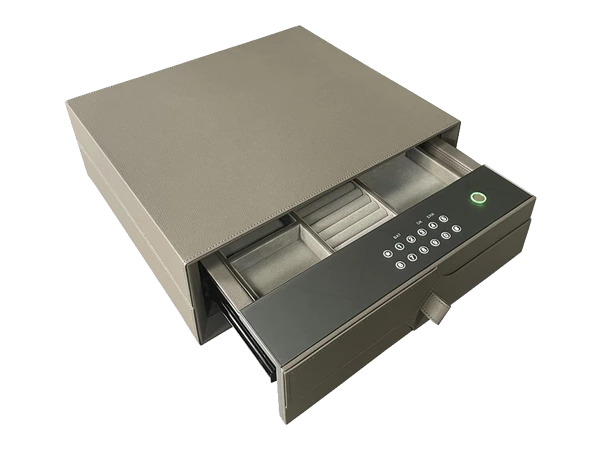
Before using the safe, make sure it looks secure, closes properly, and lets you set your own code. Most guest room safes are digital keypad models, so the basic process is to place your items inside, enter a personal code, lock the door, and test it before leaving. If the safe appears damaged, loose, already locked, or confusing to operate, call the front desk rather than forcing it or guessing.
Use this quick pre-use checklist:
- Check the door and hinges. The safe should open and close smoothly without wobbling.
- Look for damage. Avoid using a safe with cracks, missing buttons, exposed wiring, or a loose cabinet.
- Confirm it is empty. Look inside before placing your belongings in it.
- Read the instructions. Many hotels place brief digital hotel safe instructions on the safe door, inside the closet, or near the keypad.
- Test before trusting. Lock and unlock the safe once while the door is still open or with a low-value item inside.
- Ask for help early. If you are unsure how to operate hotel safe controls, contact hotel staff before you store anything important.
Step-by-step digital hotel safe instructions
The exact buttons vary by model, but most hotel safes follow the same pattern. Take your time the first time you use one, especially if you are tired after travel. A rushed code entry is one of the most common reasons guests accidentally lock themselves out.
1. Inspect the safe before placing items inside
Open the safe and check that the interior is clean, dry, and empty. Press the door gently, inspect the lock area, and make sure the safe is firmly positioned in the closet, drawer, or cabinet. If it feels loose or detached, do not rely on it for valuables.Guests do not need a hotel room safe cabinet installation guide, but the safe should still appear properly mounted or housed. If it looks poorly fitted, report it to the front desk and ask whether another safe, room, or secured front-desk storage option is available. This is a basic but often overlooked part of hotel security tips.
2. Choose what belongs in the safe
Use the safe for items you do not need to carry every time you leave the room. Good examples include passports, backup credit cards, emergency cash, small electronics, travel insurance documents, house keys, and jewelry you are not wearing. Avoid overfilling the safe, because jammed items can block the door or press against the locking bolts.Keep essentials accessible if you may need them quickly. For example, if local law or your travel plans require you to carry identification, do not lock away the only document you need for the day. Safe travel advice is always practical: secure what you can, but do not make your day harder or riskier.
3. Place items neatly inside
Lay flat items, such as passports and papers, at the bottom or against the back wall of the safe. Put smaller valuables in a pouch, envelope, or packing cube so they are easy to see when you check out. Keep liquids, food, and damp clothing out of the safe to avoid damage or odors.Before closing the door, take a quick mental inventory. You do not need to photograph everything, but you should know what you stored. A small checklist in your notes app can help you avoid leaving something behind at checkout.
4. Create a code you can remember but others cannot guess
Most digital hotel safes allow a four- to six-digit code. Choose a number you can recall under pressure, but avoid obvious choices such as your room number, birth year, phone number ending, repeated digits, or simple sequences. If you are traveling with someone you trust, agree on the code privately instead of saying it out loud in the hallway.Do not write the code on the key card sleeve or hotel stationery. If you must record it, disguise it in a secure notes app or use a method only you understand. The best code is memorable to you and meaningless to anyone else.
5. Lock the safe correctly
Close the safe door firmly without slamming it. Enter your chosen code, then press the required lock button if the model has one. Depending on the safe, the button may be labeled Lock, Enter, Close, #, or shown as a key symbol.Wait for the locking bolts to move and listen for the mechanism to finish. Many safes beep or display a message such as “Closed” or “Locked.” If the door does not catch, reopen it, check for items blocking the bolts, and try again.
6. Test the lock before leaving the room
After locking, gently pull the safe door to confirm it is secured. Then unlock it using your code while you are still in the room. This test proves that you know how to use a hotel room safe before you depend on it.Once the test works, lock it again and check the door one more time. This extra 30 seconds can prevent a stressful call to the front desk later. It is one of the simplest hotel safety tips for first-time guests.
7. Keep the safe closed whenever you are not using it
Do not leave the safe door open with valuables inside while you shower, nap, or step into the hallway. If someone enters for housekeeping, maintenance, or an accidental room mix-up, an open safe offers no protection. Treat the safe like a temporary secure drawer: open it, use it, close it.If you need frequent access to medication, chargers, or daily items, consider storing those elsewhere and reserving the safe for less frequently used valuables. A safe works best when you are not opening it every few minutes.
How do you lock a hotel safe without making a mistake?
To lock a hotel safe correctly, close the door, enter a private code, press the model’s lock or enter button, wait for confirmation, and test the handle before leaving. The biggest mistake is assuming the safe locked just because the door looks closed. Always check for a beep, message, bolt movement, or firm resistance when you pull the door.
Use this simple locking routine every time:
- Look inside. Make sure nothing blocks the door or bolts.
- Close the door fully. Hold it steady so the latch aligns.
- Enter your code calmly. Avoid rushing or pressing buttons twice.
- Press the lock command. Use the button shown in the safe’s instructions.
- Wait for confirmation. Listen, watch, and let the mechanism finish.
- Pull gently. Confirm the door does not open.
- Leave the keypad clear. Do not leave smudges or notes that reveal your code.
If the keypad does not respond, check whether the safe has a visible low-battery warning or a dim display. Do not repeatedly punch in random codes, because some models temporarily lock after too many failed attempts. Call the front desk and explain exactly what happened.
Common hotel safe problems and quick fixes
Even when you know how to use a hotel safe, small issues can happen. Most are simple, but you should handle them calmly and avoid forcing the door. The hotel has a procedure for safe access, reset, or maintenance, and staff can usually help faster if you describe the problem clearly.
| Problem | What it may mean | What to do |
| Safe is already locked when you arrive | Previous guest left it closed or staff missed it | Call the front desk before placing anything inside |
| Keypad does not light up | Battery may be low or the safe may be inactive | Ask hotel staff to inspect it |
| Code does not work | Wrong code, button error, or lockout delay | Wait a moment, try once carefully, then call for help |
| Door will not close | Item is blocking the bolts or the safe is overfilled | Remove items, rearrange them, and try again |
| Safe feels loose | Cabinet or mounting may be insecure | Do not use it for valuables; request another option |
| You forgot the code | Human error or code confusion | Contact the front desk and be ready to show ID |
Never try to pry, reset, or repair the safe yourself. Besides risking damage fees, you may make it harder for staff to open. Good hotel security tips are about reducing risk, not improvising with a lock you do not own.
Smart habits for safer hotel stays
A room safe is useful, but it should be part of a broader routine. Combine it with common-sense habits such as locking your door, using the deadbolt when inside, keeping luggage organized, and limiting how much cash or jewelry you bring. The safest travelers build small routines they can repeat in every hotel.
Follow these extra safe travel advice basics:
- Carry only what you need for the day. Leave backup cards and spare cash secured.
- Use the do-not-disturb sign thoughtfully. It can reduce unnecessary room entry, though it should not replace real security.
- Keep valuables out of sight. Do not leave laptops, passports, or wallets visible on the bed or desk.
- Separate backups. Do not store every card, ID, and cash source in one place.
- Check the safe before checkout. Make it part of your final room sweep, along with drawers, outlets, bathroom hooks, and the closet.
- Trust your instincts. If the safe, room, or situation feels wrong, speak with hotel staff.
Use the safe, but keep realistic expectations
Knowing how to operate hotel safe controls gives you more confidence during a trip, especially if you are staying in hotels for the first time. The process is simple: inspect the safe, choose a private code, store items neatly, lock it properly, and test it before leaving. Repeat the same routine every day and again before checkout.A hotel safe is not a guarantee against every possible loss, but it is better than leaving valuables in plain sight. When combined with practical hotel safety tips and a calm travel routine, it helps you protect important items while you enjoy the rest of your stay.