How to Choose a Rolex Watch Winder Without Overwinding Your Timepiece
A Rolex is built to be worn, but not every owner wears the same watch every day. A well-chosen watch winder can keep an automatic Rolex running between wears, reduce the need to reset the time and date, and provide secure watch storage when the piece is off your wrist. The key is choosing a rolex winder with adjustable settings, gentle motion, and a design that protects the watch rather than simply spinning it all day.
Can a watch winder overwind a Rolex?
A modern automatic Rolex is designed with a mechanism that helps prevent true overwinding when the mainspring is fully tensioned. However, that does not mean any watch winder is automatically a good match. A poorly configured winder can run more than necessary, add needless wear over time, or hold the watch in a way that risks scratches, pressure, or instability.
The better question is not whether a Rolex can be “overwound” in the old-fashioned sense, but whether your watch is being wound responsibly. A quality watch winder should mimic normal wrist movement in controlled cycles, then rest. It should also allow you to set turns per day and rotation direction instead of forcing a one-size-fits-all program.
The role of a winder in everyday Rolex ownership
A watch winder is a powered storage case that rotates an automatic watch to keep its movement energized. For Rolex owners, this can be useful if you alternate between multiple watches, travel often, or own a model with a date or other display you prefer not to reset repeatedly.
That said, a winder is not mandatory for every Rolex. If you wear the same watch daily, your wrist naturally keeps it wound. If you leave a simple time-only model unworn for a few days, resetting it may take less effort than using a winder. The value of a watch winder rolex owners appreciate most often comes down to convenience, presentation, and safe storage.
A good winder also creates a dedicated place for the watch. Instead of leaving a luxury timepiece on a nightstand, in a drawer, or near other jewelry, you can place it on a fitted cushion inside a protected enclosure. That alone can help reduce accidental knocks and surface scratches.
Adjustable settings matter more than constant motion
The most important feature in a rolex winder is adjustability. Automatic watches do not need to rotate endlessly. They need an appropriate number of turns per day, often called TPD, and the correct rotation direction for the movement.
Because Rolex models and calibers can vary, you should always confirm the recommended settings from the watch documentation, the manufacturer, or a trusted watch professional. Avoid assuming that a setting you saw online applies to every Rolex. A responsible winder gives you room to fine-tune the program instead of trapping you into excessive daily rotation.
Look for settings that include:
- Turns per day control: The ability to choose lower or higher winding cycles based on your watch’s requirements.
- Rotation direction options: Clockwise, counterclockwise, and bidirectional modes are useful because not all movements wind the same way.
- Rest periods: Intermittent operation is better than nonstop spinning because it more closely resembles normal wear.
- Memory function: Some winders remember your settings after being unplugged or powered off, which can prevent accidental changes.
- Separate controls for multiple slots: If you own more than one automatic watch, each should be set according to its own movement needs.
A luxury watch winder should feel controlled, not aggressive. If the device appears to rotate constantly, rattles while moving, or offers no meaningful settings, it is not ideal for a valuable timepiece.
How do you choose the right watch winder for Rolex care?
Choose a watch winder by focusing on movement compatibility, cushion fit, build quality, noise level, power options, and security. The best auto watch winder for rolex use is not necessarily the biggest or most decorative option; it is the one that holds the watch safely, winds it gently, and lets you control the cycle.
Start with compatibility. Your winder should allow the recommended TPD range for your specific Rolex and support the correct direction. If it cannot be adjusted, you may end up using more winding action than the watch needs.
Next, consider how the watch sits inside the unit. The cushion should hold the bracelet or strap firmly without stretching it. A loose cushion can let the watch shift during rotation, while an overly tight one can place unnecessary stress on the bracelet or clasp. For heavier watches, the motor should feel stable enough to rotate smoothly without jerking.
Build quality also matters. A well-made winder should open and close cleanly, keep dust away, and use soft interior materials where the watch makes contact. Exterior finish is a matter of taste, but the interior should be practical and protective.
Before buying, use this quick checklist:
- Confirm the winder has adjustable TPD settings.
- Confirm it offers clockwise, counterclockwise, and bidirectional rotation.
- Check that the cushion fits your bracelet or strap securely.
- Look for quiet operation if it will sit in a bedroom or office.
- Choose an enclosure that protects from dust and accidental contact.
- Make sure the controls are easy to understand and access.
- Consider whether you need one slot now or room for future watches.
This approach keeps the purchase grounded in watch care rather than showroom appeal.
Storage quality is part of the decision
A winder is also a form of watch storage, so treat it like part of your care routine. The interior should be soft, clean, and sized so the watch does not scrape the case, glass, or neighboring watches. If the unit has multiple compartments, each watch should have enough space to move without touching another piece.
Dust protection is another practical benefit. Even a watch that is worn regularly can collect dust around the bracelet, clasp, bezel, and crown when left exposed. A closed winder helps create a cleaner resting place, especially if you keep your watch near windows, fabrics, or busy surfaces.
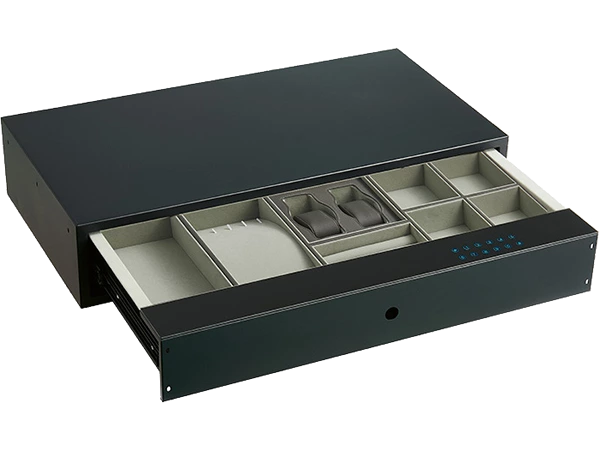
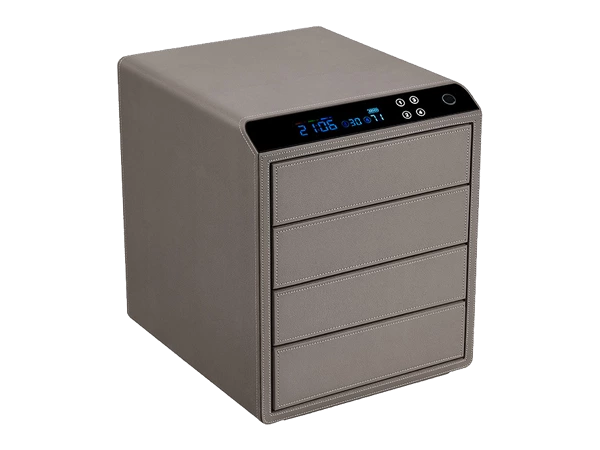
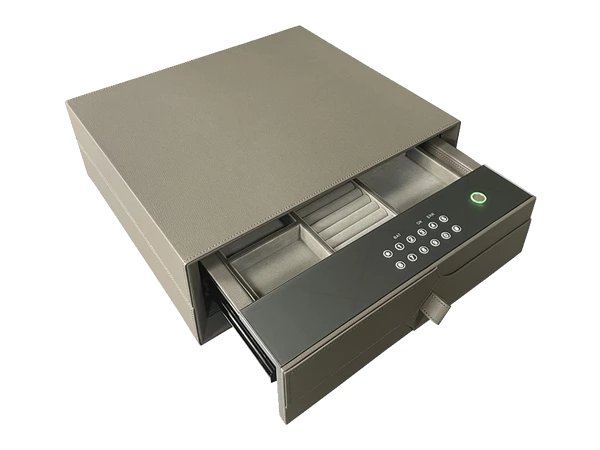
Security may matter as well. A winder is not a replacement for a safe, but some owners prefer a model that can sit inside a safe or a secure cabinet. If you plan to store the winder in a confined space, check ventilation, power access, and clearance for the door or lid before making a choice.
Noise, power, and placement shape daily satisfaction
A watch winder can have excellent settings and still be frustrating if it hums loudly or looks awkward in your space. Noise level is especially important if the winder will live on a bedside table. Even a subtle motor sound can become noticeable in a quiet room at night.
Power options also affect convenience. Some winders use plug-in power only, while others offer battery operation or both. Plug-in models can be practical for permanent placement, while battery capability can help if you want to keep the unit in a safe or move it between rooms.
Placement should be stable and away from extremes. Avoid putting the winder where it may be bumped, exposed to direct heat, or placed near moisture. A flat, secure surface is best. The goal is simple: keep the watch accessible without creating new risks.
Style should support function, not replace it
There is nothing wrong with wanting a luxury watch winder that looks beautiful. Many Rolex owners appreciate fine materials, clean design, and a display-worthy case. The mistake is choosing style first and discovering later that the settings are limited, the motor is noisy, or the cushion does not fit well.
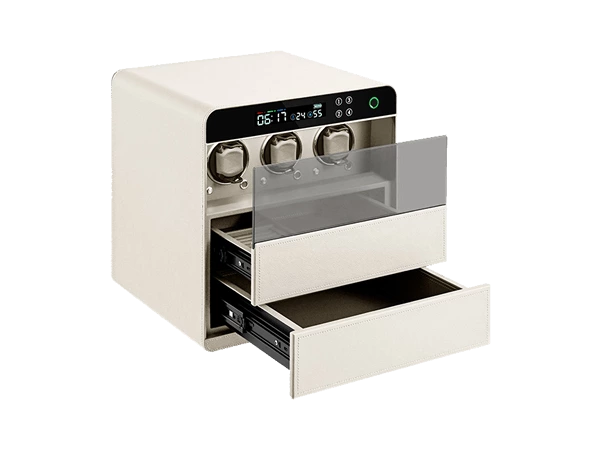
Think of aesthetics as the final filter. Once a winder meets the practical requirements, choose the finish and layout that suit your taste. Wood veneer, leather-like finishes, glass lids, carbon-style textures, and minimalist cases can all work if the core winding and storage features are sound.
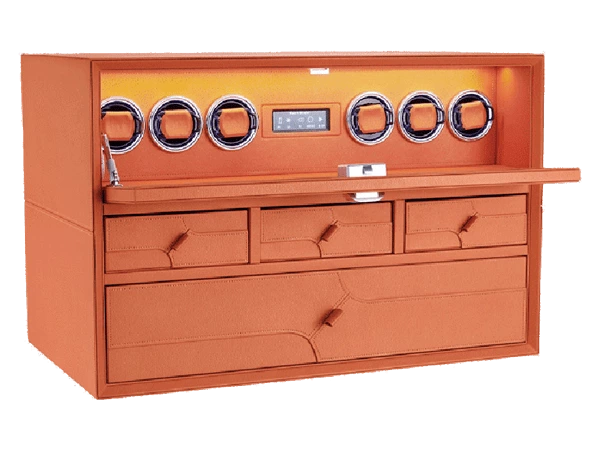
If you own one Rolex, a single-watch unit may be all you need. If you rotate several automatic watches, a multi-watch winder can be more efficient, but only if each slot has independent controls. Without separate settings, a multi-watch model may be less useful than it appears.
Common mistakes to avoid
Buying a watch winder should not be complicated, but a few common mistakes can lead to poor results. Most come from focusing on appearance or convenience while ignoring the needs of the movement.
Avoid these issues:
- Choosing a non-adjustable winder. Fixed programs may not match your Rolex and can create unnecessary rotation.
- Running the watch constantly. Automatic watches need winding cycles and rest, not endless motion.
- Ignoring direction settings. The wrong direction may do little or nothing for winding efficiency.
- Using a poor-fitting cushion. A watch that shifts or rattles inside the winder is not being stored properly.
- Placing the winder carelessly. Heat, moisture, unstable shelves, and busy surfaces can create avoidable risk.
- Assuming every Rolex needs a winder. If you wear one watch daily, you may not benefit much from one.
A little patience before purchase can prevent frustration later.
A practical buying process
If you are comparing models, narrow the field step by step. This keeps you from being distracted by glossy finishes or oversized cases that may not suit your actual needs.
Follow this simple process:
- Identify your Rolex model and confirm its winding requirements from a reliable source.
- Decide whether you need a single, double, or multi-watch unit.
- Eliminate any winder that lacks adjustable TPD and rotation direction.
- Check cushion size, interior materials, and case clearance.
- Consider where the winder will live and whether noise or battery power matters.
- Choose the design that best fits your room, safe, or display area.
This sequence puts protection and compatibility first, then lets style and budget guide the final decision.
The best winder is the one that respects the watch
A Rolex does not need to be spun all day to stay ready. It needs thoughtful handling, suitable settings, and safe storage when it is not on your wrist. The right watch winder can be a practical accessory, especially for collectors or owners who rotate watches frequently.
When choosing an auto watch winder for rolex care, prioritize adjustability, fit, quiet operation, and protective construction. A beautiful case is a bonus, but controlled winding is the real value. Select carefully, set it correctly, and your winder can make ownership simpler without asking your timepiece to work harder than it should.
FAQ
Q: Can a watch winder overwind a Rolex?
A: Quality watch winders are designed with controlled rotation programs to avoid unnecessary winding.
Q: What should I consider when choosing a Rolex watch winder?
A: Collectors should consider rotation settings, build quality, security features and storage design.
Q: Does every Rolex need a watch winder?
A: Automatic Rolex watches can benefit from proper winding solutions when not regularly worn.
Q: Can a watch winder be customized?
A: Yes. Manufacturers can customize materials, capacity, compartments and installation methods.
Q: Are watch winders suitable for luxury homes?
A: Yes. They are commonly integrated into villas, private collections and premium interior projects.