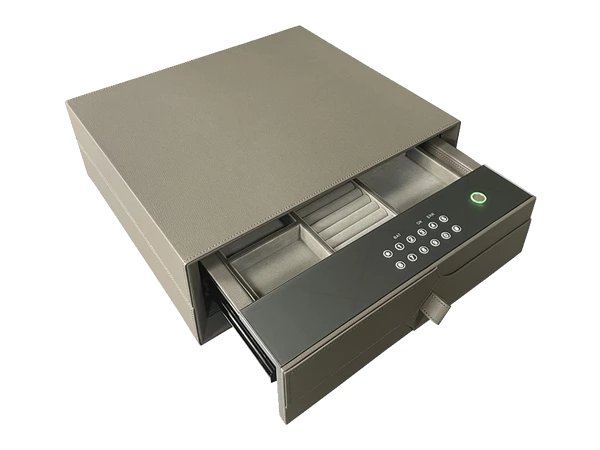
Jewelry Safes for Closets: What Watch and Jewelry Collectors Should Look For
If you are researching Jewelry Safes for Closets: What Watch and Jewelry Collectors Should Look For, you already know that protecting a valuable collection requires much more than just a standard locked door. For passionate horologists and fine jewelry connoisseurs, a collection represents a profound investment of time, emotion, and finances. Storing these irreplaceable pieces properly is an absolute necessity.
However, standard metal lock boxes simply do not cut it when housing Patek Philippes, Rolexes, or heirloom diamond sets. You need a dedicated solution that marries formidable security with elegant convenience. Placing a premium safe inside a master closet offers the ultimate blend of accessibility and concealment.
Here is a comprehensive guide to the features, security ratings, and organizational tools that matter most when selecting the perfect closet safe for your high-value collection.

Why Specialized Closet Safes Matter
There is a distinct difference between generic security boxes and luxury jewelry safes designed specifically for collectors. A standard safe is built purely to keep things out, often resulting in a utilitarian, cumbersome box that looks wildly out of place in a refined home. In contrast, premium models are engineered to protect your valuables while complementing your lifestyle.
Integrating discreet hidden safes for master closets provides a seamless experience. You can easily access your daily wear watches or signature necklaces while getting dressed, without having to trudge down to a cold basement or rely solely on an off-site bank vault. Modern high-end safes can be custom-painted and beautifully clad in fine woods or leathers to match your existing closet cabinetry perfectly.

Uncompromising Security and Burglar Resistance
When evaluating jewelry safes for collectors, the core function is uncompromising security. Burglars often operate on speed; your safe's job is to buy time and withstand aggressive attacks.
Steel Thickness and Construction
The foundation of any good safe is its physical construction. You should closely examine the solid steel door thickness for burglar resistance. Thinner doors can be easily pried open with crowbars, but doors boasting half an inch to a full inch of solid steel present a formidable barrier.
When comparing luxury home safes vs commercial grade safes, you will notice that commercial safes are incredibly heavy and brutally secure, but they lack aesthetic appeal. Fortunately, today’s top-tier luxury models bridge this gap, utilizing commercial-grade steel barriers wrapped in sophisticated residential finishes.
Understanding High-Security Ratings
If your collection is highly valuable, your insurance provider will likely dictate the level of security required. Understanding TL-15 vs TL-30 high security ratings is crucial for this.
- TL-15: This rating means the safe has been tested by Underwriters Laboratories (UL) and can withstand a vigorous 15-minute attack on the door using a combination of hand tools, picking tools, mechanical or electrical tools, and grinders.
- TL-30: This rating guarantees the safe can withstand a similar, highly aggressive attack for 30 minutes.
Meeting strict insurance requirements for luxury jewelry storage usually hinges on these ratings. A TL-rated safe not only provides peace of mind but can significantly lower your annual insurance premiums.
Advanced Locking Technologies
A thick steel door is useless if the lock is easily bypassed. The best jewelry safes utilize cutting-edge locking hardware to keep intruders at bay.
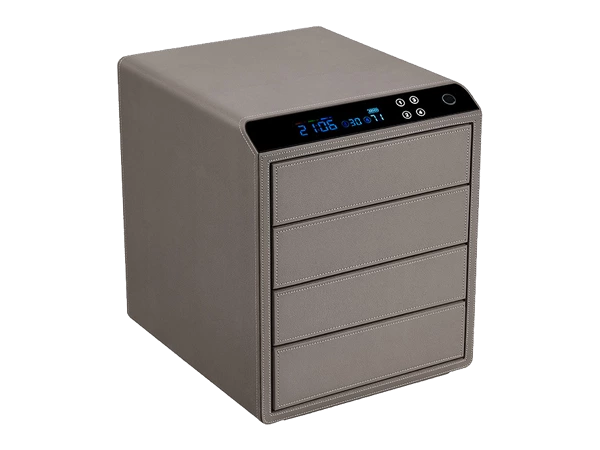
- Biometric Access: Modern biometric fingerprint lock technology allows you to open your safe in less than a second using just your fingerprint. This is incredibly convenient for daily access.
- Dual Custody: For ultra-high-net-worth collections, dual custody locking mechanisms are highly recommended. This requires two distinct forms of authentication (like a fingerprint plus a PIN code) or two different people to unlock the safe, vastly reducing the risk of forced entry.
- Anti-Drill Features: High-end safes feature a glass plate relocker system. If a burglar attempts to drill through the lock face, the drill bit shatters a tempered glass plate hidden inside the door. This triggers multiple spring-loaded bolts to fire randomly into the safe's door frame, permanently locking it shut and thwarting the robbery.
Defending Against Environmental Threats
Thieves are not the only threat to your investments. Fire, smoke, and moisture can be equally devastating to delicate watch movements and fine gems.
Fire Protection
Always look for UL rated fireproof home safes. A legitimate fire rating guarantees that the internal temperature of the safe will not exceed 350°F for a specified duration (usually 1 to 2 hours) while external temperatures rage upwards of 1200°F to 1700°F. This protects important valuation documents, cash, and the structural integrity of your jewelry.
Climate and Humidity Control
Luxury watches are intricate micro-machines. Fluctuations in humidity can cause the specialized oils inside mechanical watches to dry out or cause condensation to form under the crystal. Investing in a safe with internal climate control for luxury watch storage is vital. These systems maintain a steady temperature and utilize dehumidifying rods or silica-based systems to keep ambient moisture levels perfectly balanced, preventing rust and dial degradation.

Interior Layout and Customization
The interior of your safe should be just as carefully considered as its steel exterior. The way your items are organized prevents accidental damage and enhances the joy of collecting.
Sizing and Spatial Planning
Choosing the right safe size for luxury watches and jewelry is often where new buyers make a misstep. Always buy a size larger than you currently need. Collections grow over time, and a cramped safe leads to items bumping into one another. Ensure the internal depth can accommodate watch winders and deep necklace drawers.
Custom Drawers and Presentation
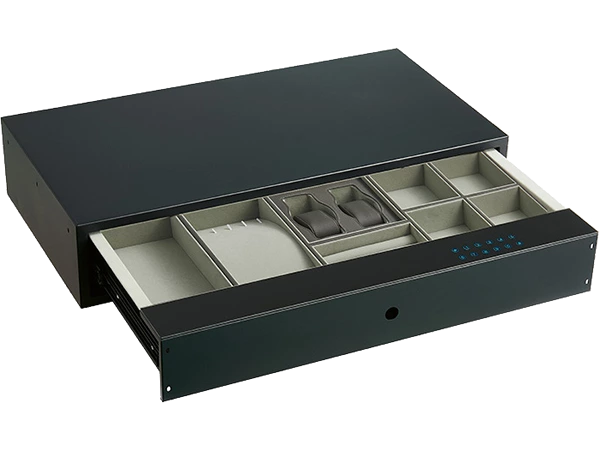
To protect soft metals like high-karat gold and platinum from micro-scratches, look for custom velvet lined jewelry drawers. Premium manufacturers allow you to customize the height and layout of these drawers. You can specify ring rolls, compartmentalized grids for earrings and cufflinks, and flat padded sections for statement necklaces.
Watch Winders and Lighting
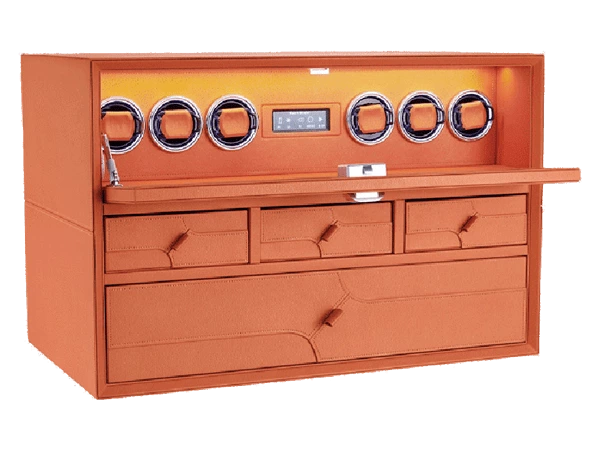
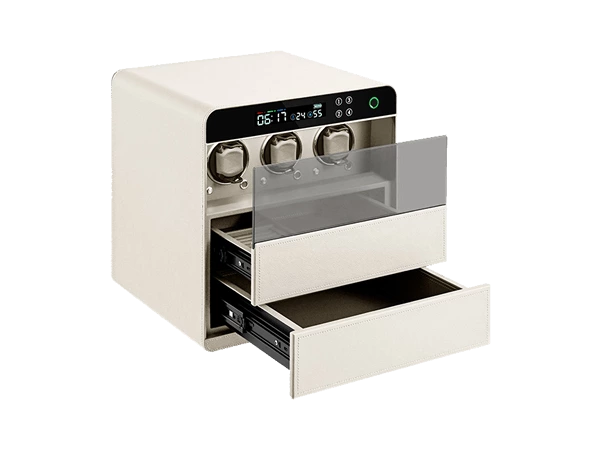
If you collect automatic timepieces, integrated watch winder safe modules are an absolute necessity. These winders keep your automatic watches fully wound and ready to wear, preventing you from having to constantly reset perpetual calendars and moon phases. High-quality modules allow you to program the specific turns per day (TPD) and direction of rotation for each individual watch model.
To highlight your collection, opt for high-security interior lighting for jewelry safes. Motion-activated LED strips illuminate the interior the moment the door opens, allowing you to clearly see your gems sparkle while replicating the luxurious feel of a high-end boutique right inside your closet.
Installation: Securing Your Investment
Even the heaviest safe is vulnerable if a determined crew of thieves brings a heavy-duty dolly. Properly anchoring your safe is non-negotiable.
Knowing how to bolt a safe to a closet floor is a crucial part of your overall security strategy.
- Concrete Floors: If your master closet is on a ground floor with a concrete slab, heavy-duty concrete wedge anchors should be used. These bolts expand inside the concrete, making it nearly impossible to rip the safe out of the ground.
- Wood Floors: If your closet is on a second story, the safe must be bolted directly into the wooden floor joists using robust lag screws, rather than just the subfloor.
Because of the extreme weight of high-security safes—often ranging from 600 to over 2,000 pounds—professional delivery and installation are highly recommended to ensure the anchoring is flawless and your home’s flooring is not damaged during the process.

Essential Jewelry Protection Tips & Storage Solutions
To maximize the efficacy of your new safe, keep these top jewelry protection tips in mind:
- Inventory Everything: Keep a detailed, digitized inventory of your collection. Include high-resolution photos, purchase receipts, and updated appraisals. Store a backup of this information on a secure cloud server, not just inside the safe.
- Routine Maintenance: Even the best jewelry storage solutions require occasional maintenance. Change the batteries in your electronic keypads annually, and have the safe's mechanical locking bolts serviced by a professional locksmith every few years.
- Strategic Placement: While your safe should be accessible to you, try to place it in a part of the closet that is not immediately visible from the bedroom door. Concealing the safe behind a false cabinet door or a full-length mirror adds an extra layer of psychological security.
- Separate Valuables: Keep daily wear pieces in the easily accessible top drawers, and place your most valuable, rarely worn heirlooms in the bottom drawers.
The Bottom Line on Preserving Your Collection
Curating a collection of fine timepieces and exquisite jewelry is a lifelong pursuit. Protecting that pursuit shouldn't be an afterthought. By transitioning from basic lock boxes to purpose-built, luxury jewelry safes, you elevate both the security and the enjoyment of your investments.
Remember that the ultimate closet safe is a customized balance of form and function. By prioritizing heavy steel construction, understanding TL ratings, incorporating watch winders, and ensuring flawless floor anchoring, you are doing more than just storing metal and stone. You are preserving your legacy. Take the time to evaluate your specific needs, consult with your insurance provider, and invest in a safe that is as beautifully crafted as the treasures it holds within.
Page Summary
Jewelry safes for collectors are designed to protect high-value watches, fine jewelry, heirlooms, appraisal documents, and personal valuables while fitting naturally into luxury closets and master wardrobes. Unlike standard lockboxes, luxury jewelry safes combine strong steel construction, advanced locking systems, fire protection, climate control, custom velvet-lined drawers, watch winder modules, LED lighting, and concealed closet installation. This guide explains what watch and jewelry collectors should look for when choosing the best jewelry safes, including security ratings, biometric access, dual authentication, internal organization, humidity control, professional installation, and long-term jewelry protection tips.
FAQ
1. What are jewelry safes for collectors?
Jewelry safes for collectors are specialized safes designed to protect high-value jewelry, luxury watches, heirlooms, cash, appraisal documents, and personal valuables. Compared with standard lockboxes, they usually offer stronger steel construction, advanced locks, soft interior drawers, watch compartments, and customized storage layouts.
2. Why should collectors choose a closet jewelry safe?
A closet jewelry safe allows collectors to store watches and jewelry close to where they dress every day while keeping valuables discreetly concealed. When installed inside a master closet or luxury wardrobe, the safe can provide both daily convenience and hidden security without affecting the interior design.
3. What features should the best jewelry safes include?
The best jewelry safes should include reinforced steel construction, pry-resistant doors, biometric or digital keypad access, fire-resistant protection, soft velvet or microfiber drawers, ring rolls, necklace storage, watch trays, optional watch winders, LED lighting, and secure floor anchoring.
4. Can luxury jewelry safes include watch winders?
Yes. Luxury jewelry safes can be customized with integrated watch winder modules for automatic watches. These modules help keep mechanical watches wound and ready to wear, while the safe protects them from theft, dust, scratches, humidity, and unauthorized access.
5. What jewelry protection tips should collectors follow?
Collectors should keep a detailed inventory with photos and appraisals, separate daily-wear pieces from rarely worn heirlooms, use soft-lined drawers to prevent scratches, control humidity inside the safe, update digital lock codes regularly, and ensure the safe is professionally anchored inside the closet or wardrobe.