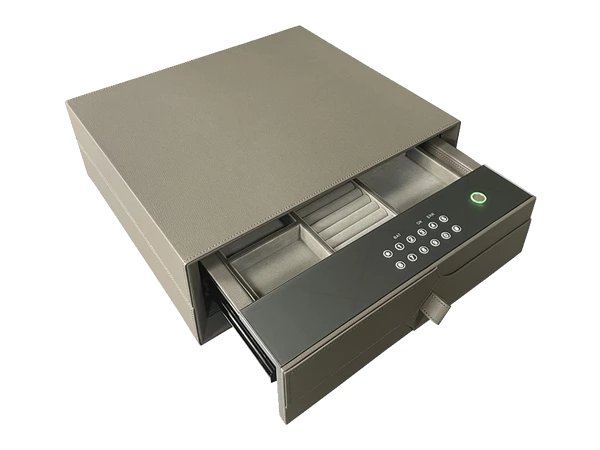
Wardrobe With Hidden Safe How to Combine Interior Design and Security
A well-designed wardrobe can do more than store clothing. When planned carefully, it can also protect valuables, documents, watches, jewelry, heirlooms, or backup devices without making the room feel like a security zone. A wardrobe with hidden safe features blends everyday convenience with discreet protection, giving homeowners a practical way to support luxury home security while preserving the look and flow of the interior.
What makes a hidden wardrobe safe different?
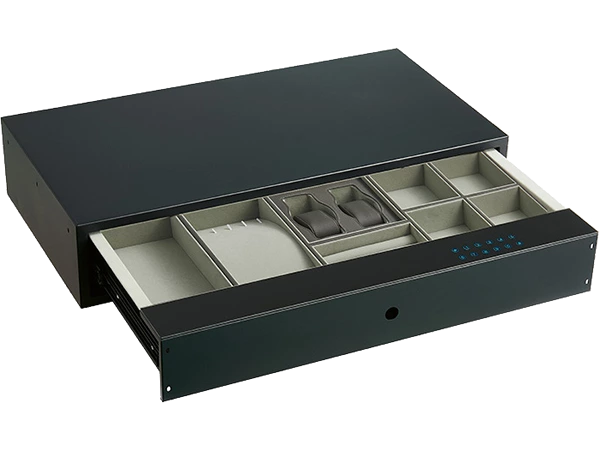
A hidden wardrobe safe is built into or concealed within the wardrobe system, rather than placed visibly in a room. The goal is not only to lock valuables away, but to make the safe feel like a natural part of the furniture design. Done well, it becomes an integrated safe solution: secure, accessible to the owner, and visually aligned with the rest of the space.
This approach is especially useful in bedrooms, dressing rooms, walk-in closets, and private suites where valuable items are often used and stored. Instead of walking to a separate room or leaving items in drawers, the homeowner can keep essentials close while reducing visual clutter. The result is a cleaner interior and a more intentional security plan.
Security begins with thoughtful placement
The best location for a wardrobe safe is rarely the most obvious one. It should be easy for the owner to access but difficult for others to identify. That balance depends on the wardrobe layout, the daily routine of the user, and the type of items being protected.
In many designs, the safe can be concealed behind hanging garments, within a panelled section, behind a false drawer front, or inside a cabinet zone that visually matches the rest of the wardrobe. The surrounding joinery should help disguise its presence without making access awkward. If the safe is inconvenient, it is less likely to be used consistently.
Consider these placement factors early in the design process:
- Visibility: Avoid locations that draw attention through unusual handles, gaps, lighting, or panel breaks.
- Access: Choose a position that can be reached comfortably without moving too many items.
- Structure: Ensure the wardrobe and wall area can support the safe’s weight and installation method.
- Privacy: Place the safe where it can be opened without being easily seen from doorways or windows.
- Future use: Allow enough internal space for items you may acquire later, not just what you own today.

Interior design and security should be planned together
A hidden safe should not feel like an afterthought. If it is added too late, the design may require compromises: awkward cabinet depths, mismatched finishes, blocked shelving, or visible clues that something has been inserted. Planning the wardrobe and safe together creates a smoother result.
This is where collaboration matters. An interior designer, cabinetmaker, installer, and custom safe manufacturer can each solve a different part of the project. The designer protects the room’s style and usability. The cabinetmaker manages the joinery. The safe specialist helps determine dimensions, locking options, anchoring needs, and practical access.
For a refined look, the safe area can be coordinated with:
- Matching door fronts or drawer fronts
- Concealed hinges or touch-latch panels
- Wardrobe lighting that does not spotlight the safe
- Soft-close hardware for a consistent furniture feel
- Internal compartments for watches, jewelry, documents, or devices
The aim is not to hide poor planning behind decorative finishes. The aim is to make protection feel native to the room.
Is a smart wardrobe safe worth considering?
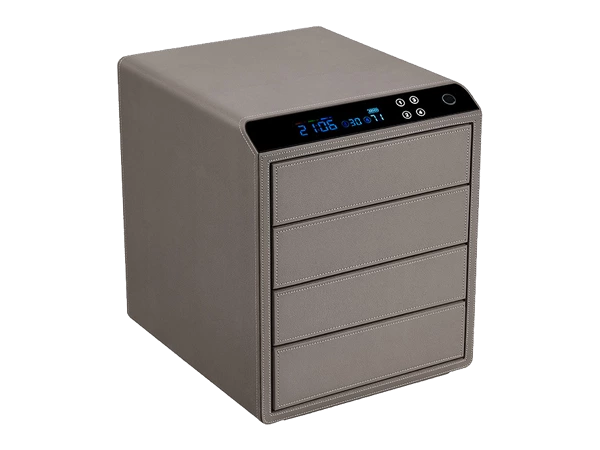
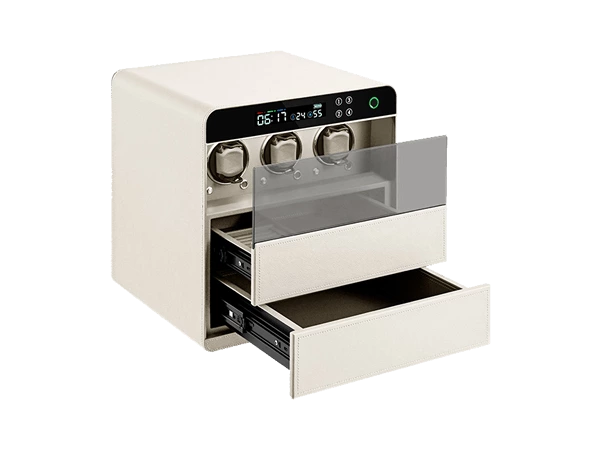
A smart wardrobe safe can be worth considering when convenience, access control, and modern monitoring features are important to the homeowner. Depending on the product and installation, smart functionality may include electronic locking, user access settings, audit-style access records, alerts, or connection with a broader home security system. The right choice depends on how the safe will be used and how much technology the homeowner genuinely wants.
Smart features can make daily use easier, especially when more than one approved person needs access. However, technology should support the safe’s purpose, not complicate it. A reliable mechanical or electronic system, strong installation, and good concealment are still essential. Before choosing a smart wardrobe safe, ask how it is powered, what happens during an outage, how access can be reset, and whether the system fits your privacy expectations.
A practical evaluation checklist includes:
- Locking method: Decide whether key, keypad, biometric, app-based, or multi-method access suits your routine.
- Backup access: Confirm how the safe can be opened if batteries fail or credentials are lost.
- User management: Consider whether multiple users need separate access permissions.
- Integration: Decide whether the safe should connect to alarms, smart home systems, or remain independent.
- Maintenance: Understand the care, battery replacement, and service requirements before installation.
Materials, finishes, and proportions matter
The success of a wardrobe with hidden safe features depends heavily on proportion. If one cabinet section is unusually deep, heavy, plain, or difficult to open, it may stand out. Good design keeps the visual rhythm consistent across the wardrobe, even where the safe is concealed.
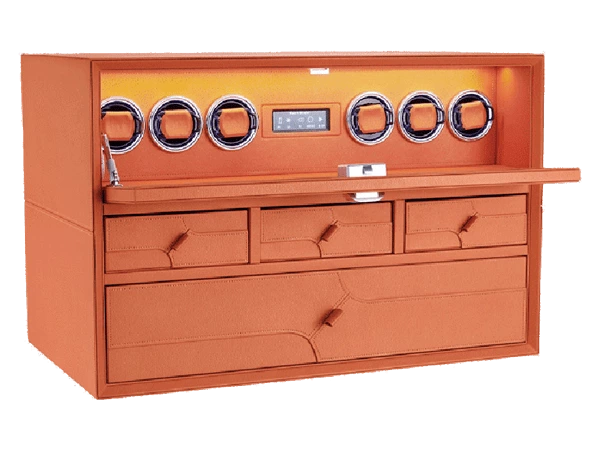
Materials should also be chosen with both beauty and durability in mind. Veneer, lacquer, textured panels, leather-look inserts, metal trims, or fabric-lined interiors can create a luxury feel, but the concealed safe area still needs practical clearances and stable construction. Decorative elements should not block ventilation, interfere with locks, or make servicing difficult.
Inside the safe, organization matters just as much as the outer design. Shelves, watch cushions, document slots, jewelry trays, or removable boxes can prevent damage and make items easier to retrieve. A secure space that is messy or poorly arranged quickly becomes frustrating, which weakens the habit of using it.
Common mistakes to avoid
Many homeowners focus on the safe itself but overlook the surrounding experience. A premium safe can be undermined by poor placement, visible hardware, or a wardrobe design that makes daily access inconvenient. The best projects feel calm, natural, and easy to use.
Avoid these common issues:
- Choosing a safe before confirming wardrobe dimensions and structural support
- Making the concealed panel too unusual compared with nearby doors or drawers
- Installing the safe where it is difficult to open fully
- Forgetting about lighting, cable access, batteries, or future servicing
- Selecting a size that fits today’s valuables but leaves no room for change
- Treating concealment as the only security measure instead of combining it with proper anchoring and locking
A hidden safe is strongest when discretion, construction, and usability work together.
Working with the right specialist makes the difference
A custom safe manufacturer can help adapt the safe to the intended use, the available space, and the style of the interior. This does not mean every project needs an oversized or complex solution. It means the safe should be chosen and specified with the same care as the wardrobe itself.
For high-end interiors, the most successful integrated safe solution is usually quiet in appearance and precise in function. It respects the architecture of the room, supports the homeowner’s habits, and protects important belongings without interrupting the design story. That is the heart of modern luxury home security: protection that feels personal, elegant, and effortless.
A discreet upgrade with everyday value
A hidden wardrobe safe is not just a design feature or a security feature. It is a practical bridge between the two. By planning placement, access, materials, technology, and concealment from the beginning, homeowners can create a wardrobe that looks refined while quietly protecting what matters.
Whether you are designing a new dressing room or upgrading an existing bedroom suite, think beyond storage alone. With the right planning and specialist input, a wardrobe can become one of the most discreet and useful security elements in the home.
FAQ
Q: What is a wardrobe with a hidden safe?
A: It is a wardrobe system that includes a concealed security compartment designed to protect valuables while maintaining interior aesthetics.
Q: Can a hidden safe be integrated into custom wardrobes?
A: Yes. Professional manufacturers can customize the safe structure, size and installation method according to wardrobe designs.
Q: Are hidden wardrobe safes secure?
A: Yes. They can include fingerprint access, password control and additional security functions.
Q: Where are hidden wardrobe safes commonly used?
A: They are commonly used in luxury villas, walk-in closets, premium apartments and hospitality projects.
Q: Why choose a custom hidden safe manufacturer?
A: A custom manufacturer can create solutions that match specific furniture designs and project requirements.