Watch Winder for Automatic Watches: What Rotation Settings Do Buyers Need
Automatic watches are marvels of engineering. They rely on wrist movement to keep ticking. But what happens when they're not worn? That's where watch winders come in. These devices mimic wrist motion to keep watches wound. They ensure your timepieces are always ready to wear. Choosing the right watch winder is crucial. It involves understanding rotation settings. Too much or too little can affect your watch's performance. Most automatic watches need specific turns per day. The direction of rotation also matters. Some watches require clockwise, others counterclockwise, or even both. This guide will help you navigate these settings. You'll learn how to select the perfect watch winder for your collection.
What Is a Watch Winder and Why Do Automatic Watches Need One?
A watch winder is a practical device for automatic watches. Automatic watches power themselves through wrist motion. When they're not worn, they stop keeping time. Watch winders solve this problem. They simulate wrist movements, keeping watches wound even when not worn. This maintains their accuracy and readiness.
Let's break down why they're essential:
- Keep watches ticking and ready to wear.
- Maintain accuracy by preventing stop-and-go cycles.
- Protect the watch's internal mechanics from overwinding.
Using a winder can protect your investment. Automatic watches can be costly, and proper care is vital. Watch winders also offer an elegant display solution. They can prevent lubricant settling within the watch's movement. This can enhance the longevity and performance of the timepiece. Having a reliable winder for your automatic watches ensures they're always in prime condition.
How Automatic Watch Winders Work: The Basics
Automatic watch winders are simple yet effective tools. They mimic the motion of a wrist to keep the watch wound. Let's explore how they accomplish this. Inside a winder, a motor powers the rotation. This motor can be adjusted for speed and direction. By rotating, it replicates the natural movements that keep an automatic watch running.
Here's what typically happens:
- The watch is secured onto a padded holder.
- The motor turns, spinning the holder either clockwise, counterclockwise, or both.
- A timer controls how long and how often it rotates.
Programming a winder to suit your watch's needs is important. Various settings are available for different models. Selecting the correct one ensures optimal performance. Automatic watch winders also offer convenience. Instead of manually winding your timepiece every few days, the winder does it for you. This way, your watch remains accurate without any hassle.
Understanding Watch Winder Rotation Settings: TPD and Direction
Choosing the right settings for your watch winder is crucial. Two key factors are Turns Per Day (TPD) and rotation direction. Let's break these down. TPD is the total number of rotations a watch undergoes in a 24-hour period. Most automatic watches require between 650 and 950 TPD. Setting the correct TPD ensures the watch stays properly wound. The direction of rotation is also important. Watches may need to rotate clockwise, counterclockwise, or in both directions. Different movements have specific needs, so it's essential to consult your watch's manual.
Here’s a quick list to consider:
- TPD Range: 650-950 turns per day
- Rotation Direction: Clockwise, counterclockwise, or bi-directional
Rotating the watch correctly prevents wear and tear. An incorrect setting could cause overwinding or underwinding, leading to mechanical issues. Therefore, matching these settings with your watch’s requirements is crucial.
Ultimately, understanding these settings enhances both the function and lifespan of your timepiece. Properly configured, your winder ensures your watch is always in top condition. Making informed choices about TPD and direction is key to maintaining your watch’s precision.
How to Find the Right Rotation Settings for Your Watch
Determining the correct settings for your automatic watch involves a few crucial steps. First, refer to the watch's manual or manufacturer guidelines. These resources typically include information on the optimal TPD and rotation direction. Many watch brands provide specific recommendations for their models. If this information is lacking, watch databases or forums may offer insights from other enthusiasts. Consulting these sources can provide valuable guidance based on similar experiences. If in doubt, start with a moderate TPD setting, such as 750. This level suits many watches and can help avoid over or under winding. Observe your watch's performance over a few days and adjust accordingly.
Here's a step-by-step approach to guide you:
- Consult Manufacturer: Check for specific settings.
- Use Databases: Look for model-specific advice.
- Start Moderately: Begin with a safe TPD, like 750.
- Monitor Performance: Adjust after a few days if needed.
Adjusting settings based on observation can lead to optimal winding without excess. Fine-tuning is key. This process ensures the watch remains accurate and reduces the risk of mechanical issues. Properly set, your watch is always ready to wear, providing accuracy whenever needed.
Step-by-Step Guide: Setting Up Your Watch Winder
Setting up a watch winder is simpler than it seems. Begin by choosing a location with stable temperature and no direct sunlight. Harsh light and temperature changes can affect the watch’s performance. Next, ensure your watch winder is plugged in or fully charged if it's battery-operated. Reliability in power supply guarantees consistent performance. Position the winder where it can operate quietly without disruptions. Place your watch securely in the winder, fitting it snugly without forcing it. Most winders have adjustable cuffs. Proper positioning helps prevent movement and potential damage. Select the appropriate rotation settings. Refer back to your research or watch manual. Begin with the manufacturer-recommended TPD and rotation direction.
Here's a simple checklist to follow:
- Choose Location: Avoid direct sunlight and heat.
- Power Up: Ensure stable power supply.
- Secure Watch: Fit watch snugly on cuff.
- Set Rotation: Use TPD and direction guide.
Monitor the watch over the next few days, checking for consistent timekeeping. Adjust settings as needed. Fine-tuning ensures efficiency and prevents overwinding.
Common Problems and Solutions with Watch Winder Settings
Using a watch winder can sometimes present challenges. One common issue is finding the correct Turns Per Day (TPD). Incorrect TPD settings may lead to the watch stopping or running fast. Another problem is the rotation direction. Some watches require a specific direction to wind effectively. Missetting the direction can result in the watch not winding at all. Noise levels can also be a concern, particularly if the winder is located in a bedroom. Many winders claim silent operation but still produce noticeable sounds.
Here are quick solutions to common issues:
- Incorrect TPD: Consult the watch manual for specifications.
- Wrong Direction: Check the movement's requirement.
- Excess Noise: Consider relocating to a less sensitive area.
These adjustments can quickly enhance your watch winder's performance, ensuring your timepieces are always ready to wear.
Choosing the Best Watch Winder: Features, Styles, and Storage Solutions
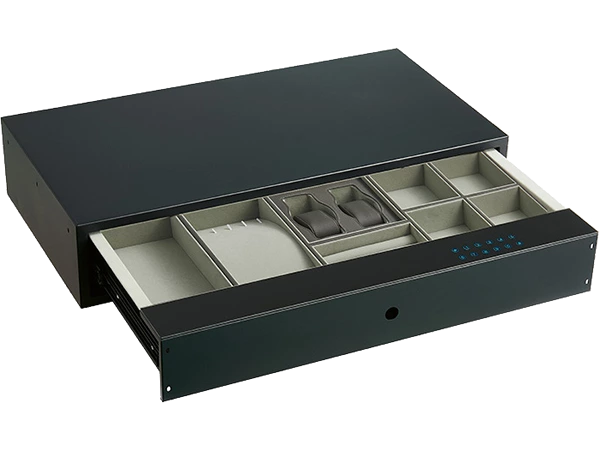
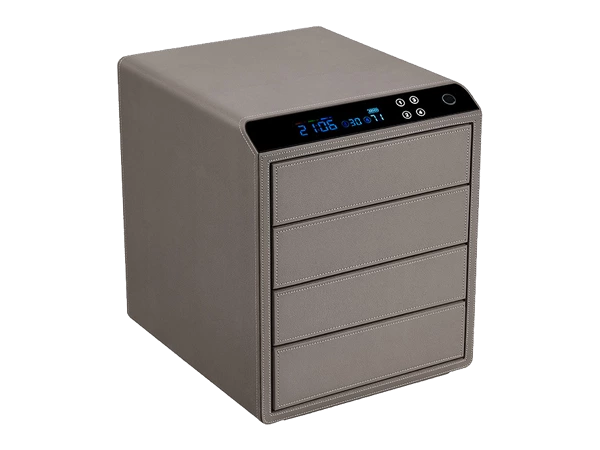
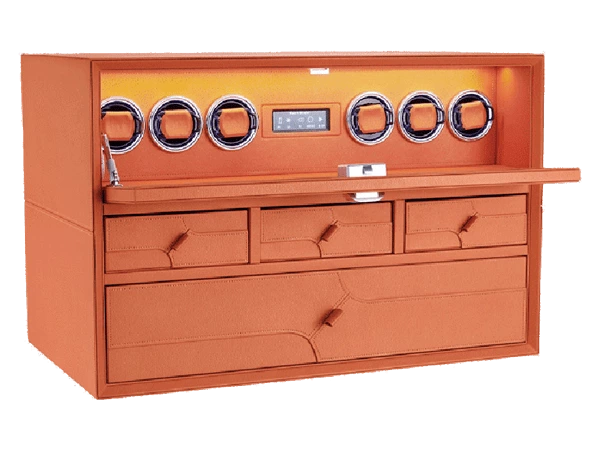
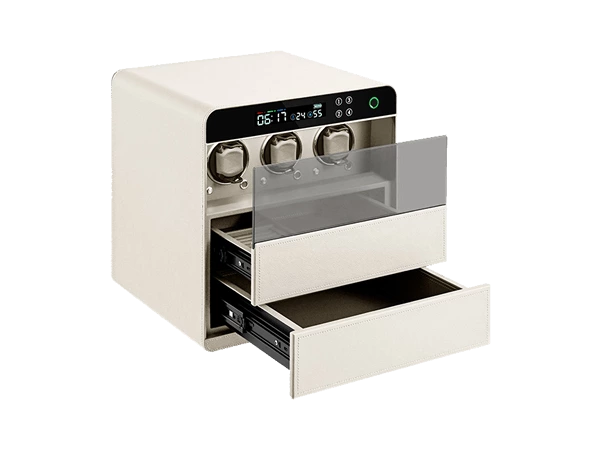
Selecting the ideal watch winder requires careful consideration of several factors. A primary feature to consider is the number of watches it can accommodate. This is crucial if you have a growing collection. Different styles are available, from sleek modern designs to vintage-inspired options. Choose a style that complements your decor and reflects your personality. This can make your winder a stylish addition to any room. Storage solutions are also important. Some watch winders come with additional compartments for accessories, offering a complete storage solution. The rotation settings are another key factor. Look for models with customizable settings to match your watch specifications perfectly. Flexibility in settings can prevent overwinding and underwinding. Consider the powering option. Battery or AC adapter? The choice depends on convenience and placement.
Here are essentials to look for in a watch winder:
- Capacity: Number of watches it holds.
- Rotation Settings: Flexibility and programmability.
- Power Source: Battery or AC.
- Style and Material: Aesthetic appeal and durability.
- Storage Options: Extra compartments for accessories.
By carefully evaluating these features, you can find a watch winder that not only maintains your watches but also enhances the experience of owning them.
Custom and Luxury Watch Winders: What to Look For
When it comes to custom and luxury watch winders, the attention to detail is paramount. These high-end options often showcase craftsmanship that elevates the visual appeal of any watch collection. Luxury watch winders typically offer advanced functionalities. These could include programmable settings tailored to specific watch brands, enhancing the precision and convenience of use. Custom options provide a unique touch, with personalized designs and materials. Whether you prefer exotic woods or carbon fiber finishes, the possibilities are extensive. A well-crafted winder can be a proud display piece.
When selecting custom or luxury models, consider these factors:
- Materials: Choose high-quality woods or metals.
- Design: Personalization for a unique touch.
- Features: Advanced settings and lighting options.
- Craftsmanship: Reflects the luxury status of the collection.
Ultimately, a custom or luxury watch winder does more than keep your watches wound. It serves as a testament to the artistry and elegance of horology itself.
Frequently Asked Questions About Watch Winders and Rotation Settings
Choosing a watch winder can raise several questions. Understanding the key aspects is crucial. Here, we address some common queries about watch winders. Is a watch winder necessary for all automatic watches? While not essential, it ensures watches remain fully wound and ready to wear. How do rotation settings impact an automatic watch? Correct rotation prevents overwinding or underwinding, preserving the timepiece's accuracy and longevity. What rotation settings are suitable for most watches? Generally, 650 to 950 turns per day (TPD) cover many watches' needs.
For further clarity, here are other common questions:
- Direction preference: Clockwise, counterclockwise, or bi-directional?
- Noise level: Are all watch winders noisy?
- Portable options: Are there travel-friendly winders available?
Understanding these aspects can significantly enhance your experience with a watch winder.
Conclusion: The Value of the Right Watch Winder for Your Collection
Selecting the ideal watch winder is crucial for watch enthusiasts. It not only preserves the function but also enhances the lifespan of automatic watches. Proper settings can ensure that watches are always ready to wear. A watch winder can be both a functional tool and a stylish accessory. It reflects personal taste while maintaining watch health. The right choice contributes significantly to the care and presentation of any collection. Investing in a quality watch winder is investing in the longevity and accuracy of your timepieces. It ensures they remain treasured for years to come.
FAQ
Q: What are turns per day in a watch winder?
A: Turns per day describe how many rotations a watch winder performs within 24 hours. The correct setting depends on the watch movement.
Q: Do all automatic watches need the same rotation setting?
A: No. Different movements may require different rotation directions and turns per day.
Q: Can a watch winder be customized for luxury projects?
A: Yes. Manufacturers can customize size, materials, compartments, finishes and security functions.
Q: Is a watch winder only for collectors?
A: While collectors use them frequently, luxury homes, hotels and private clubs also use premium watch storage solutions.
Q: Can watch winders include security functions?
A: Advanced designs may combine winding systems with fingerprint access, password control and hidden installation.