OEM Smart Safe Systems Supplied for a Custom Furniture Brand in the United States
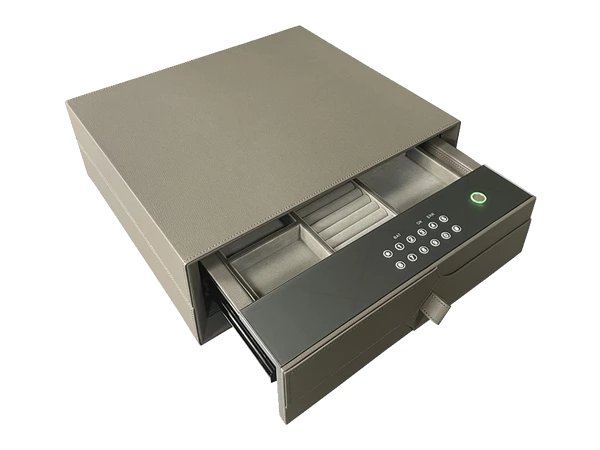
A Smart Safe built into custom furniture gives homeowners a secure place for valuables without interrupting the look of a bedroom, office, closet, hotel suite, or luxury living space. For a furniture brand in the United States, an OEM Smart Safe can become part of the product experience: discreet, convenient, and designed to match the furniture instead of looking like an afterthought. This article explains how these systems work, where they fit, and what brands should consider before adding smart safe technology to a furniture line.
What makes an OEM Smart Safe different from a standard safe?
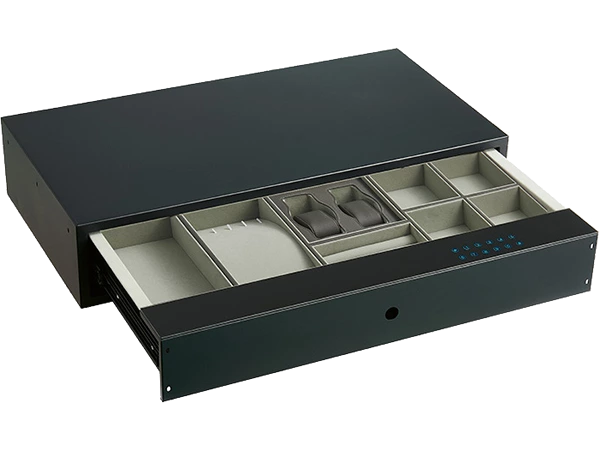
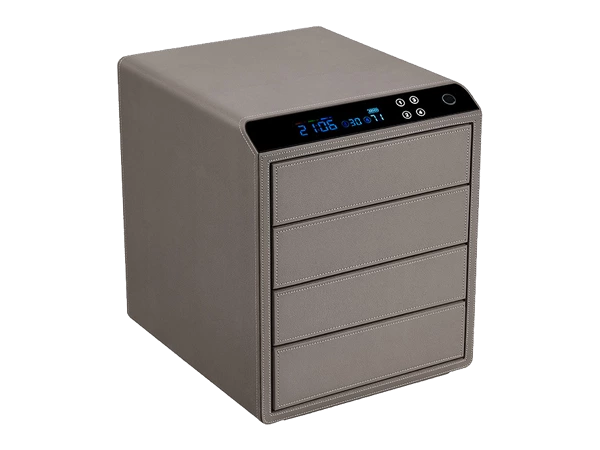
An OEM Smart Safe is designed to be integrated into another company’s product, often with custom sizing, finishes, access methods, branding, installation details, and software settings. Unlike a freestanding digital safe box that a customer buys separately, an OEM solution can be engineered around the furniture itself, so the safe feels built in from the start.
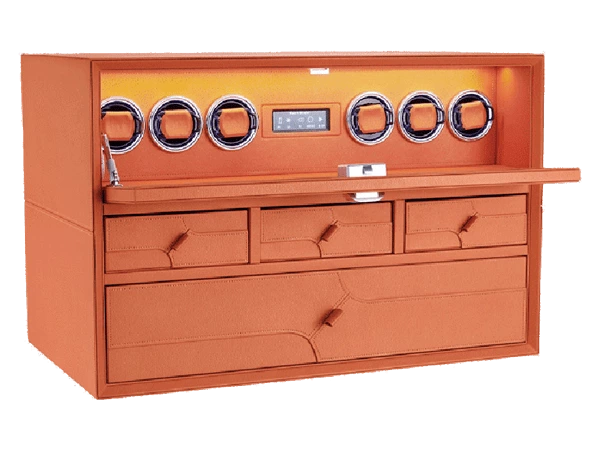
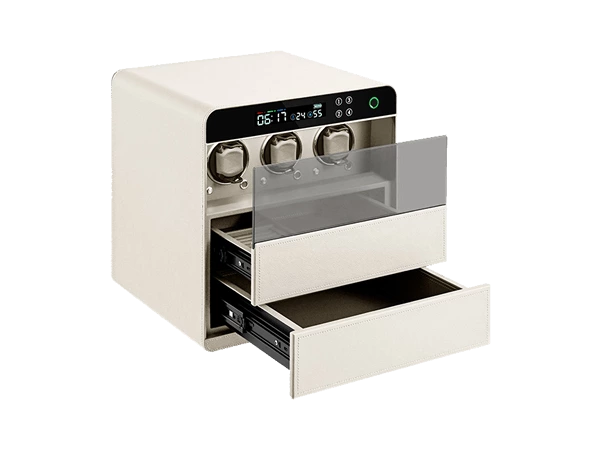
For a custom furniture brand, that difference matters. A traditional safe may be secure, but it can be bulky, visually distracting, or difficult to place inside premium furniture. An OEM approach allows the safe to sit inside a drawer, cabinet, wardrobe, nightstand, vanity, media console, or office credenza while preserving the design language of the piece.
The result is not simply a hidden metal box. It is a product feature that supports the way people actually live: storing passports, jewelry, watches, cash, keys, contracts, small electronics, medication, or private documents close at hand without leaving them exposed.
Smart safe systems support design, security, and convenience
The strongest reason to integrate a smart safe for home furniture is balance. Customers want protection, but they also want quick access, clean interiors, and furniture that still looks intentional. A well-planned smart safe system gives them all three.
For furniture makers, the safe can be positioned as a premium upgrade rather than a purely technical component. It adds practical value to luxury furniture, especially when the access panel, drawer layout, compartment depth, and finish details are planned together.
Key benefits include:
- Discreet storage: The safe can be concealed behind a drawer front, inside a cabinet, beneath a removable panel, or behind another integrated furniture feature.
- Cleaner room design: Customers do not need a separate safe sitting on the floor or visible in a closet.
- Faster daily access: Digital, biometric, or app-based unlocking can be easier than managing keys.
- Product differentiation: A furniture brand can offer a feature that feels modern, useful, and aligned with premium living.
- Custom fit: Dimensions, mounting points, power access, interior lining, and user interface placement can be planned around the furniture design.
The goal is not to make the furniture feel like security equipment. The goal is to make security feel like a natural part of the furniture.
Core technologies inside a Smart Safe
A modern Smart Safe can combine several access and monitoring technologies. The right mix depends on the product category, buyer expectations, and how the safe will be used.
Biometric access
Fingerprint access is popular because it is fast and personal. It can work well for bedroom furniture, closet systems, and private office pieces where one or two primary users need frequent access. Customers do not need to remember a code every time, and there is no physical key to misplace during normal use.
Biometric access should still include backup options. Fingerprints may fail if the sensor is dirty, a finger is wet, or a registered user is unavailable. For that reason, many smart safe designs combine fingerprint access with a digital keypad, emergency key, or administrator reset process.
Digital keypad control
A digital keypad remains one of the most familiar access methods. It is especially useful for users who prefer passcodes, families who need shared access, or businesses that want to assign temporary codes. A digital safe box with a keypad is also easy for customers to understand without much instruction.
The keypad placement deserves careful design attention. If it is too visible, it may reduce concealment. If it is too hidden, the customer may find the safe inconvenient. For furniture integration, the best placement is often reachable, discreet, and protected from accidental bumps.
App-based access
Bluetooth or app-controlled access can add convenience, especially when the furniture brand wants a more connected product experience. Depending on the system, an app may support unlocking, user management, alerts, battery status, or access records.
However, app access should be treated as a convenience layer, not a reason to ignore security fundamentals. Brands should ask about encryption, data handling, administrator controls, firmware update processes, and what happens if a phone is lost or replaced.
Access logs and user management
Some smart safe systems can record access events, such as which user opened the safe and when. This can be useful in a home office, executive suite, hospitality setting, or shared household where controlled access matters.
For furniture brands, this feature can support higher-end use cases. A luxury wardrobe safe may only need simple access. A custom office cabinet for sensitive files may benefit from user records and administrator permissions.
Choosing the right access method for the furniture use case
No single lock type is best for every product. A smart safe for home use should match the customer’s habits, the furniture location, and the level of convenience expected.
Consider these practical pairings:
- Nightstands and bedside cabinets: Fingerprint access plus keypad backup is useful because customers may want quick access without searching for a key.
- Closet islands and wardrobes: Biometric access, hidden keypad placement, and soft interior finishing can support jewelry, watches, and personal documents.
- Home office furniture: Keypad control, access logs, and multiple user profiles may be more important than speed alone.
- Luxury vanities or dressing rooms: Concealment, quiet operation, and matching finishes are often as important as the lock technology.
- Hospitality or serviced residences: Administrator controls and reset procedures are essential because users change over time.
The best OEM Smart Safe specification usually combines a primary access method with at least one dependable backup. That way, convenience does not become a weakness.
How should a digital safe box password reset be handled?
A digital safe box password reset should be simple for authorized users but difficult for anyone else. The process should confirm ownership or administrator authority, protect stored valuables, and avoid exposing default codes or unsafe shortcuts.
Because reset procedures vary by system, the exact steps should always follow the manufacturer’s instructions. Still, furniture brands can prepare customers by designing a clear, secure reset experience.
A practical reset flow may include:
- Verify the user’s authority. The reset should require an administrator credential, emergency key, registered fingerprint, secure app login, or another approved method.
- Open the safe before changing the code when possible. Many digital safes are designed so password changes happen while the door is open, reducing lockout risk.
- Use the internal reset button or administrator setting. This prevents casual tampering from outside the safe.
- Enter a new code that is not obvious. Customers should avoid birthdays, repeated digits, simple sequences, or codes used on other devices.
- Test the new code with the door open. This is a small step that prevents many frustrating lockouts.
- Update authorized users. If multiple people have access, remove old users who no longer need entry and confirm current users know the approved method.
- Store emergency access information securely. Backup keys, recovery codes, or administrator credentials should never be kept inside the safe.
For an OEM program, user instructions should be written in plain language and included with the furniture documentation. A premium customer experience depends not only on the safe working well, but also on the owner knowing how to manage it confidently.
Customization details that matter for furniture brands
Integrating a safe into furniture is not only a technology decision. It is a design, engineering, and customer experience decision. The safe must fit the furniture structurally, visually, and functionally.
Important customization points include:
- Size and internal volume: The safe should hold the intended valuables without making the furniture feel awkward or heavy.
- Mounting method: Secure anchoring helps the safe function as part of the furniture rather than a removable insert.
- Door swing and drawer clearance: The user should be able to open the safe comfortably without fighting nearby panels or hardware.
- Finish and trim: Visible parts should match or complement the furniture’s materials, colors, and hardware.
- Interior protection: Soft lining, dividers, watch cushions, or document slots can make the safe feel more premium and organized.
- Power planning: Battery access, low-battery warnings, charging options, and emergency power points should be easy to understand.
- Noise and feel: In luxury furniture, a loud latch or rough keypad can make the entire product feel less refined.
A good OEM process starts early in the furniture design cycle. If the safe is added late, compromises are more likely: poor access angles, weak concealment, wasted space, or visible hardware that disrupts the piece.
Security is strongest when physical and digital details work together
A Smart Safe should protect against both physical intrusion and careless access management. Strong metal construction, reliable locking bolts, reinforced mounting, and concealed placement all matter. So do password rules, user permissions, app security, and reset procedures.
Furniture brands should ask practical questions before choosing a system:
- What backup access methods are available if the battery dies?
- Can user codes or fingerprints be deleted individually?
- Does the system support administrator control?
- How are app credentials protected?
- What happens if the customer changes phones?
- Is the reset process documented clearly?
- Can the safe be serviced without damaging the furniture?
These questions help prevent avoidable problems after the product reaches the customer’s home. The best smart safe experience feels effortless in daily use, but that ease is built on careful planning.
Smart safe integration creates a premium ownership experience
For buyers, the appeal is simple: valuables are protected, nearby, and hidden within furniture they already use. A smart safe for home settings can turn a wardrobe, nightstand, or desk into a more capable piece without changing the room’s style.
For furniture brands, the opportunity is broader. An OEM Smart Safe can help a product line feel more modern, more personal, and more useful. It also gives sales teams a feature that is easy to explain: secure storage built directly into beautiful furniture.
The strongest applications are not gimmicky. They solve everyday concerns in a polished way. A homeowner can store jewelry in a closet island. An executive can secure documents in an office credenza. A couple can keep passports and spare keys in a bedroom cabinet. In each case, the safe supports the furniture’s purpose rather than competing with it.
Key takeaways for custom furniture brands
A successful OEM smart safe program should feel intentional from the customer’s first interaction to daily use years later. Before selecting a system, brands should align the safe with the furniture category, target buyer, and expected access habits.
Keep these priorities in mind:
- Build the safe into the furniture plan early, not as a last-minute add-on.
- Match the lock technology to the real use case: biometric for speed, keypad for familiarity, app access for connected control.
- Provide a secure and simple digital safe box password reset process.
- Protect the design experience with discreet placement, refined finishes, and quiet operation.
- Include backup access and service planning so customers are not left helpless during a lockout or power issue.
- Treat cybersecurity and user permissions as part of the product experience, especially for app-connected models.
When smart security is integrated thoughtfully, it becomes more than a feature. It becomes part of why the furniture feels premium, practical, and built for modern living.
A better way to bring security into the home
Custom furniture already shapes how people organize their spaces. Adding a Smart Safe gives that furniture a deeper role: protecting what matters while keeping rooms elegant and uncluttered.
For a custom furniture brand in the United States, an OEM Smart Safe can support luxury design, everyday convenience, and meaningful product differentiation. The best systems are discreet, easy to use, carefully documented, and designed around the furniture from the beginning. That is where smart security feels less like hardware and more like a natural part of home life.