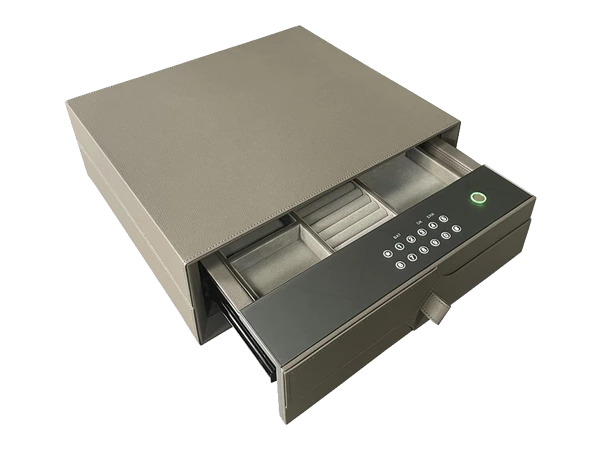
Are Hotel Room Safes Really Safe Security Risks and What Hotels Should Check
Hotel room safes can be useful, but they are not the same as a bank vault or a fully monitored security system. The real answer to “are hotel room safes safe” depends on the safe’s design, how well the hotel manages override access, and how carefully the guest uses it. For travelers, the goal is not panic; it is knowing what risks exist and making smarter choices with passports, cash, jewelry, laptops, and backup cards.
How safe are hotel room safes?
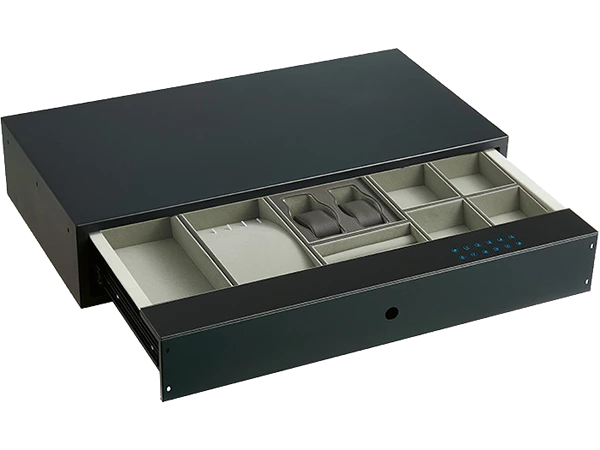
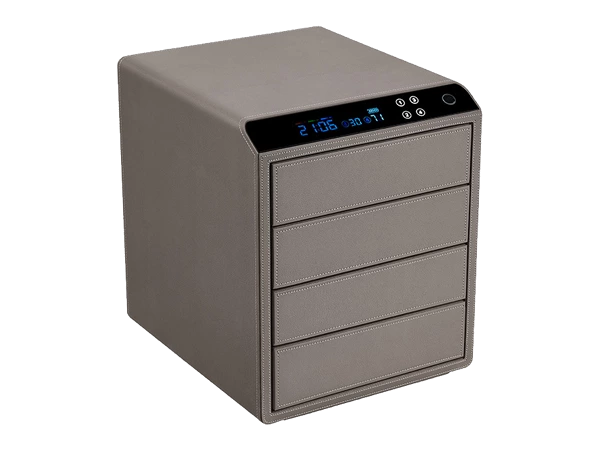
Hotel room safes are generally best for reducing casual opportunity theft, not for stopping a determined person with access, tools, or an override code. An in-room hotel safe may keep valuables out of sight from visitors, maintenance traffic, or an open suitcase, but it can still have weaknesses in its lock, construction, mounting, and staff access procedures. That is why the better question is not only “are hotel safes really safe?” but “safe against what kind of risk?”A safe can be helpful when you are going to the pool, gym, breakfast area, or conference floor and do not want to carry every valuable with you. It is less reassuring if the safe has a widely known default code, is not anchored properly, has visible damage, or can be opened by multiple staff members without a clear control process. Hotel safe security works best when both the hotel and guest treat the safe as one layer of protection rather than the only layer.

Common hotel security issues with in-room safes
Many hotel security issues are not dramatic; they come from ordinary shortcuts. A safe may be installed and then forgotten. Staff may know how to open it for lockouts, but the property may not regularly audit who has override access or whether default settings were changed.
The most common concerns include:
- Default or weak override codes. Some safes have factory-set master codes that should be changed during setup. If they are left unchanged, a person who knows the default may be able to open the safe.
- Master keys or emergency access. Hotels need a way to help guests who forget their code, but that access should be controlled, logged where possible, and limited to authorized staff.
- Lightweight construction. Many in-room safes are designed for convenience and deterrence, not serious burglary resistance. Thin metal, weak doors, or poor hinges can make physical attack easier.
- Poor anchoring. A safe that can be lifted, moved, or pried from furniture is less useful, especially if it contains small high-value items.
- No visible accountability. Front-desk safe deposit options may have more staff oversight than an unattended in-room unit, depending on the hotel’s process.
These risks do not mean every safe is useless. They mean travelers should avoid assuming that a closed safe automatically equals strong protection.
A quick guest checklist before using the safe
Before storing important items, take two minutes to inspect the safe. This is not about tampering or forcing anything open. It is a simple hotel room safety check to decide whether the safe deserves your trust.
Use this checklist:
- Check the door and keypad. Look for loose buttons, cracked casing, exposed wires, dents, or signs that the door has been pried.
- Test your code twice. Lock the safe empty, open it, then repeat. If the keypad behaves strangely, do not store valuables inside.
- Try obvious weak guest codes only on your own new setup. Avoid using simple codes like 0000, 1111, 1234, your room number, birthday, or checkout date.
- Look at the mounting. Gently check whether the safe is firmly attached. If it shifts easily, treat it as low security.
- Ask about lockout procedures. If you are carrying especially important items, ask the front desk how forgotten codes are handled and who can open the safe.
- Take a photo of stored items. This can help you remember what you placed inside and support a report if something goes missing.
If anything feels off, do not argue with the safe. Use a different strategy.
Better ways to protect valuables while traveling
Good hotel security tips start with reducing what you bring. If you do not need expensive jewelry, extra cards, or large amounts of cash, leave them at home. The fewer high-value items you carry, the fewer decisions you have to make in the room.When you do have valuables, split your risk. Keep one payment card with you, store a backup separately, and avoid placing every essential document in one bag or one safe. A passport, emergency cash, spare card, and device backup should not all depend on a single lock.
Consider these options depending on the situation:
| Option | Best for | Main caution |
| In-room hotel safe | Short periods away from the room | Depends on safe quality and hotel access control |
| Front-desk safe deposit | Passports, cash, smaller valuables | Ask about receipt, access process, and hours |
| Portable travel lockbox or anti-theft bag | Added personal control | Must be secured to a fixed object or kept with you |
| Carrying items with you | Essential documents and cards | Risk of pickpocketing, loss, or distraction |
| Leaving items at home | Jewelry, extra electronics, unnecessary cards | Requires planning before travel |
There is no perfect option. Carrying everything can expose you to street theft or simple loss. Leaving everything in the room can expose you to room-access risk. The best approach is usually a mix: carry what you truly need, secure backups separately, and avoid making any one location a single point of failure.

What hotels should check regularly
Hotels play the biggest role in improving hotel safe security because they control installation, staff access, maintenance, and guest communication. A safe is only as trustworthy as the process around it.Properties should regularly check that factory default master codes have been changed, override access is limited, and emergency openings require a clear procedure. If the safe system supports access logs, those logs should be reviewed when there is a complaint or unexplained lockout. Staff training matters too: employees should know how to help guests without casually sharing override details or leaving reset instructions exposed.Physical inspection is just as important. Hotels should look for loose mounts, damaged doors, failing batteries, worn keypads, and safes that no longer lock smoothly. A broken or unreliable in-room hotel safe creates two problems at once: guests may lose access to their items, and the property may lose trust.Finally, hotels should be honest about options. If front-desk secure storage is available, guests should know how it works. If a room safe is intended for convenience rather than high-value storage, clear wording can prevent false confidence.
A practical risk-based approach
The most balanced answer to “how safe are hotel room safes” is that they are useful but limited. They can discourage casual access and keep valuables out of sight, but they should not be treated as guaranteed protection for irreplaceable or very high-value items.For most travelers, the safest habit is layered security: bring less, divide essentials, use strong codes, inspect the safe, and ask the hotel about alternatives when something seems weak. For hotels, the priority is routine checking, controlled override access, and clear maintenance standards.Hotel room safes are not automatically unsafe, but they are not automatically safe either. A few minutes of awareness can turn them from a blind trust decision into a practical part of your travel security plan.