Are Hotel Safes Safe in Europe Security Standards and Practical Travel Tips
A hotel safe is usually a practical layer of protection during a European trip, not an impenetrable vault. For most travelers, it is safer to lock passports, backup cards, extra cash, tablets, and small valuables in the room safe than to leave them loose in a suitcase or carry everything through crowded streets all day. The best approach to travel safety Europe is realistic: understand what a European hotel safe can and cannot do, then combine it with smart habits.
Are hotel safes safe in Europe?
Yes, hotel safes in Europe are generally safe enough for everyday travel use, especially when the alternative is leaving valuables visible in a room or carrying every important item in busy public areas. The key is to treat the safe as a deterrent against opportunistic theft, not as bank-level storage for irreplaceable or extremely high-value items.Most hotel room safe security concerns come from two facts: many safes have management override options, and some models are sturdier than others. Hotels need a way to open safes when guests forget codes or batteries fail, so a master code, override key, or maintenance process may exist. That does not mean staff are likely to misuse it; reputable hotels have strong incentives to prevent theft, protect their reputation, and resolve security issues quickly.The bigger practical risk is often not a dramatic safe burglary. It is forgetting items at checkout, choosing an easy code, failing to test the safe, or storing everything important in one place. A secure hotel safe works best when it is part of a wider Europe travel safety routine.

What a hotel safe can realistically protect
A room safe is useful because it reduces casual access. Housekeeping, maintenance staff, visitors, and anyone who briefly enters the room are less likely to access valuables that are locked away. It also keeps important documents organized, which matters when you are changing cities, catching trains, or packing in a hurry.
A hotel safe is a good place for items you do not need every hour but would suffer to lose. Examples include:
- Passport, if local circumstances and your plans make it reasonable to leave it behind.
- Backup credit or debit card, kept separate from the card you carry.
- Extra cash, divided so you are not carrying the full amount.
- Travel documents, such as printed reservations or emergency copies.
- Small electronics, including tablets, e-readers, headphones, or a compact work laptop.
- Jewelry or watches, provided they are not unusually valuable or emotionally irreplaceable.
- Spare keys, SIM cards, or storage devices, especially if losing them would create problems.
A safe is less appropriate for items with exceptional monetary or sentimental value. If you are traveling with expensive jewelry, specialist equipment, or sensitive business material, ask the hotel about front desk safe deposit options or consider whether you need to bring those items at all.
Hotel security features that matter most
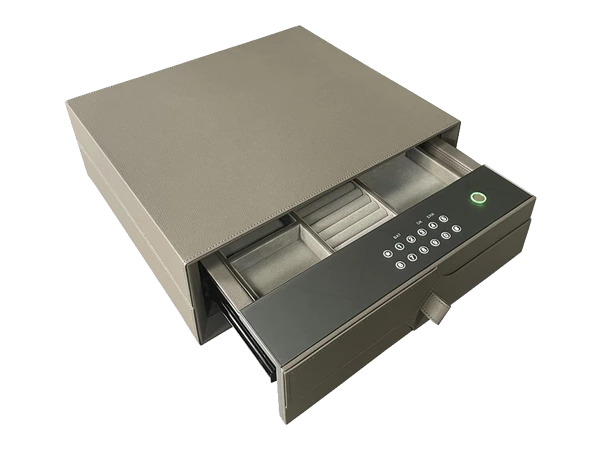
Not every hotel safe is built the same way, and visible appearance does not always tell the full story. Still, a few hotel security features can help you judge whether a safe is worth using.Look first at whether the safe is fixed into the furniture, wall, or closet structure. A lightweight safe that can be lifted out is less reassuring than one that is bolted down. Check whether the door closes flush, whether the keypad responds properly, and whether there are obvious gaps, loose hinges, or signs of damage.Electronic safes are common in European hotels. They are convenient, but they rely on batteries, functioning keypads, and a reset process. Mechanical key safes are simpler, but the key must be controlled carefully. Front desk deposit boxes may be useful in smaller or lower-tier hotels, especially where no in-room safe is provided.When reading hotel safe reviews, remember that most guests only mention safes when something goes wrong. A review saying the safe was broken, missing, or too small is useful. A lack of comments does not prove the safe is perfect, but it often means the feature was unremarkable, which is what you want from basic room security.
How safe are hotel safes in Europe for passports, cash, and electronics?
For typical travel items, a hotel safe is usually a sensible choice when used correctly. Passports, spare cash, backup cards, and small electronics are often better protected in a locked safe than in a backpack at a café, a coat pocket on public transport, or an unlocked suitcase in the room.The passport question is the most personal. In many European travel situations, carrying a photocopy or digital copy for routine identification may be enough, while the original stays locked in the hotel. However, you may need the original passport for border crossings, certain hotel check-ins, car rentals, official requests, or travel between countries. The safest habit is to decide each morning whether the passport is needed for that day, rather than automatically carrying it or automatically locking it away.Cash should be split. Carry what you reasonably need for the day and leave the rest in the safe. The same logic applies to payment cards: take one primary card and store a backup separately. If your wallet is lost or stolen, you still have a way to pay for transport, food, or accommodation.Electronics require a practical judgment call. A tablet or e-reader fits easily in many safes, but larger laptops may not. If you are traveling for work, ask ahead about safe size or plan to secure your laptop in locked luggage when the room safe is too small. Avoid leaving devices in plain sight on desks or beds, even in highly rated hotels.
A simple routine for safer safe use
Good hotel room safe security is mostly about repeatable habits. Do the same steps every time, and you reduce the chance of lockouts, forgotten valuables, and avoidable exposure.
- Inspect the safe before placing anything inside. Check that it is clean, empty, fixed in place, and not visibly damaged.
- Test it while empty. Close it, set your code, lock it, reopen it, and confirm the keypad works before storing valuables.
- Use a code that is not obvious. Avoid “0000,” “1234,” your room number, birthday, or a sequence printed on your travel documents.
- Store items in a pouch. A bright zip pouch or packing cube makes it easier to see everything at checkout.
- Keep essentials divided. Do not put every card, all cash, and every ID document in the same location.
- Set a checkout reminder. Put a reminder in your phone, leave a note in your shoe, or place a must-use item near the safe.
- Open the safe the night before departure. This gives you time to solve a malfunction before an early train, flight, or tour.
That last step is especially useful. Safe problems are uncommon, but they become stressful when you discover them ten minutes before leaving for the airport.

Common mistakes that make hotel safes less secure
The first mistake is using the safe without testing it. If the batteries are weak or the door mechanism sticks, you want to know before your passport and wallet are inside. A thirty-second test can prevent a morning of panic.The second mistake is choosing an easy code. A code should be memorable to you but hard for someone else to guess. Do not use the room number, the hotel address, repeated digits, or anything written in your travel notebook.The third mistake is making the safe your only security plan. A secure hotel safe is helpful, but it does not replace situational awareness. Keep a backup card separate from your main wallet, store digital copies of documents securely, and know how to contact your embassy or consulate if your passport is lost.The fourth mistake is ignoring room behavior. Lock your door properly, use the deadbolt when inside, and avoid inviting unnecessary attention to valuables. A “Do Not Disturb” sign may reduce routine room entry, but it should not be your only protection, and some hotels may still enter for safety or housekeeping policies.
When carrying valuables is safer than storing them
Sometimes the safest place for an item is on your body. If you need your passport for a train crossing, a flight, a rental car, or an official appointment, carry it in a secure inner pocket, money belt, or hidden pouch. The same applies to medication, essential medical devices, or one payment method you cannot afford to be without.Crowded European tourist areas can create pickpocket risk, so “carry it with you” does not mean “put it in an open tote bag.” Use zipped compartments, keep bags in front of you in crowded places, and avoid placing phones or wallets on café tables. If you carry a passport, keep it separate from your cash so one loss does not become a complete travel emergency.This is where balance matters. Leaving everything in the room can be risky if the safe is poor or unavailable. Carrying everything can be risky if you spend the day in markets, metros, nightlife areas, or busy landmarks. The best Europe travel safety strategy is to split your valuables according to the day’s plans.
Alternatives when the room safe feels inadequate
If your hotel safe is broken, missing, too small, or visibly flimsy, you still have options. The goal is not perfection; it is making theft harder, reducing exposure, and avoiding a single point of failure.
Consider these supplementary measures:
- Front desk safe deposit: Ask whether the hotel offers a managed safe or deposit box for passports or valuables.
- Portable travel safe: A slash-resistant portable safe can secure small items to a fixed object when used correctly.
- Locking luggage: A suitcase lock will not stop a determined thief, but it can deter casual access and keep belongings organized.
- Add-on safe lock: Some travelers use secondary locking devices designed for hotel safes, especially when they distrust override access.
- Hidden storage: Divide low-value backups in separate places, such as a spare card in a zipped inner compartment.
- Minimalism: The simplest security upgrade is bringing fewer valuables in the first place.
These alternatives are not magic solutions. A portable safe must be attached to something solid. Locking luggage is only as secure as the bag and zipper. Front desk options depend on hotel procedures. Still, layering these measures can improve peace of mind when hotel room safe security is uncertain.
Choosing hotels with safer storage in mind
If safe storage matters to you, check before you book. Search room descriptions for an in-room safe, laptop safe, or front desk deposit service. In larger business hotels and many mid-range or upscale properties, an in-room safe is common. In budget hotels, guesthouses, older buildings, and small inns, availability may vary.Hotel safe reviews can be helpful when they mention size, reliability, or whether the safe was included in the room. Look for practical details rather than emotional wording. “The safe did not fit a laptop” is more useful than “security was bad.” “Front desk fixed the safe quickly” tells you something about service response.Also think about the property as a whole. Reception coverage, controlled room access, elevators requiring key cards, luggage storage procedures, and staff responsiveness all shape hotel security features. A safe in a poorly managed property may feel less reassuring than a modest safe in a hotel with attentive operations.
A practical packing and storage plan
Before leaving home, make your valuables easier to manage. Photograph or scan key documents and store them in a secure, password-protected location. Bring only the cards you need, and keep emergency contact numbers separate from your wallet. If you travel with jewelry, choose simple pieces you can wear daily or leave valuable pieces at home.
Once at the hotel, divide items into three categories:
- Carry daily: one payment card, some cash, phone, needed ID, transit pass, essential medication.
- Store in the safe: passport when not needed, backup card, extra cash, spare documents, small electronics.
- Leave at home or use special storage: high-value jewelry, unnecessary devices, sensitive documents, or anything irreplaceable.
This system keeps decisions simple. You are not asking, “Are hotel safes safe in Europe?” every morning from scratch. You are following a routine that matches the real risk of each item.
Peace of mind comes from layers
A European hotel safe is a useful security tool, but its real value depends on how you use it. Test it empty, choose a strong code, split your valuables, and check it before departure. If the safe seems unreliable, use front desk storage, a portable option, or locked luggage as a backup.The most confident travelers are not the ones who trust every safe blindly or fear every hotel room. They use layers, stay organized, and make calm decisions based on the day’s plans. That balanced approach gives you better protection, less stress, and more attention for the trip you came to enjoy.