Built-In Wardrobe Safe vs Standalone Safe: Which Solution Fits Luxury Projects Better?
A private-label closet safe program gives your brand a practical way to offer discreet in-home security without developing every component from the ground up. The right OEM partner helps you shape a wardrobe safe that fits cabinetry, protects personal valuables, and presents your brand consistently from product design through packaging. This page outlines what to look for when choosing a wardrobe safe manufacturer for custom production.
What should your OEM closet safe partner provide?
Your OEM partner should provide more than a metal box with a lock. A strong manufacturing partner supports product planning, enclosure design, lock integration, finish selection, branding, testing expectations, packaging, and repeatable production for your target market. For brands selling to closet companies, interior designers, cabinetmakers, home organizers, or security retailers, that combination matters because the safe must feel built into the environment instead of added as an afterthought.A wardrobe security safe needs to balance three requirements: reliable protection, clean installation, and a polished customer experience. If one of those is weak, the product can create friction for dealers, installers, and end users. Look for custom safe manufacturers who understand both security hardware and furniture-adjacent fit, because closet applications often demand tighter visual integration than a standard freestanding safe.
Private-label closet safes built around your brand
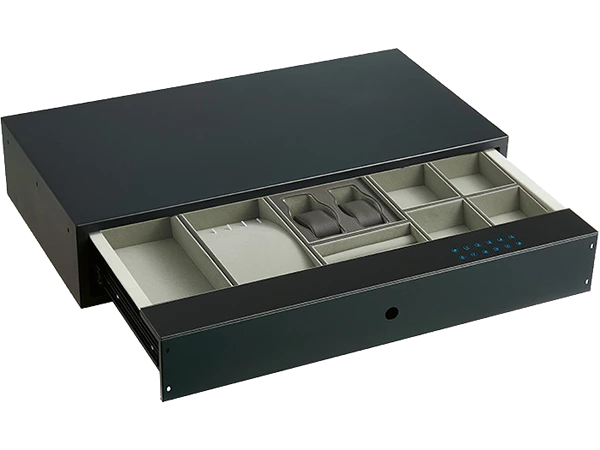
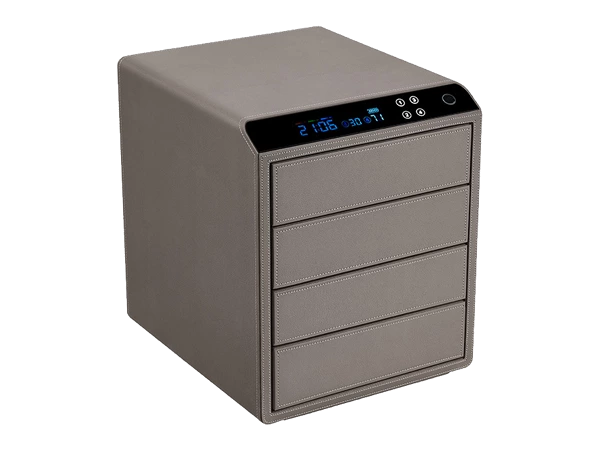
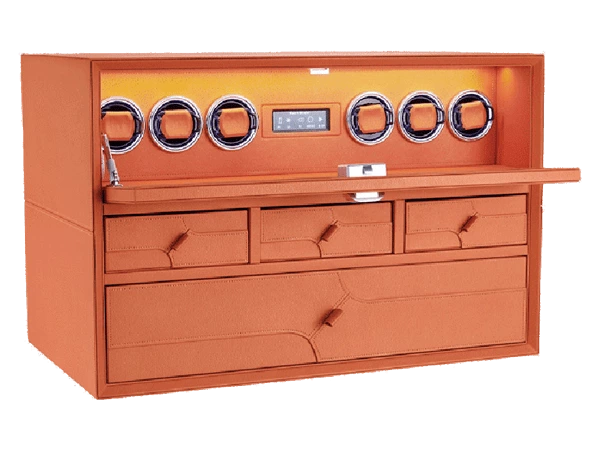
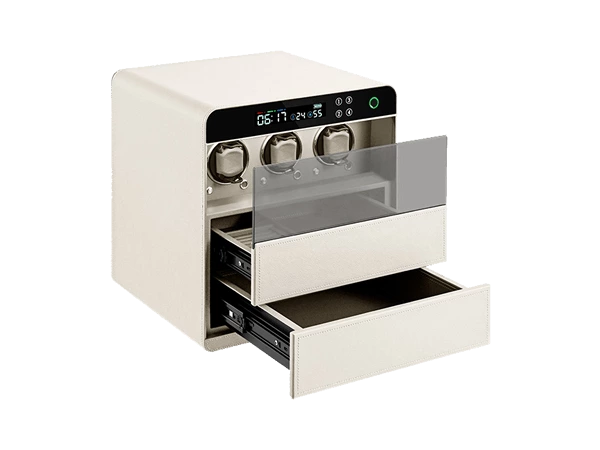
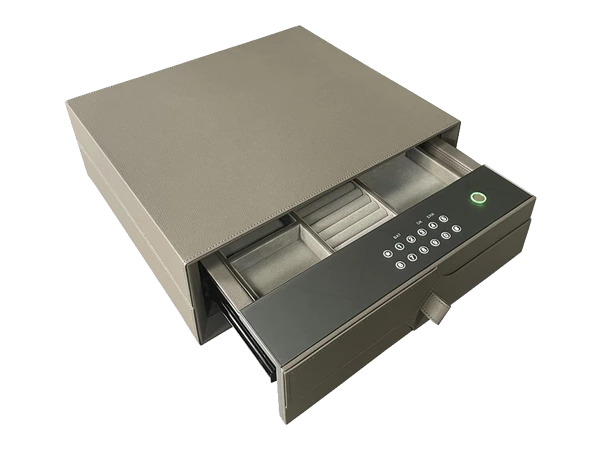
A custom closet safe program lets you define how the product appears in your catalog, showroom, or dealer network. Depending on your market, the product may be positioned as a wardrobe lock box for watches and documents, a built-in wardrobe safe for luxury closets, or a wardrobe hidden safe for customers who want valuables secured out of sight.
Useful private-label options may include:
- Exterior finish direction that coordinates with closet interiors or premium storage systems
- Door style, handle placement, and face design aligned with your product line
- Lock type selection based on the customer experience you want to offer
- Interior layout planning for jewelry, documents, watches, passports, or compact valuables
- Logo placement, labeling, manuals, and packaging that support your brand presentation
- Sample development before moving into broader production
- Production planning that matches your sales channel and order model
These choices help your closet safe feel like a branded product rather than a generic accessory. They also make it easier for sales teams to explain the safe in practical terms: where it fits, what it protects, and how it complements the closet system already being sold.
Designed for fit inside wardrobes and closet systems
Closet safes have a different job than large floor safes. They are often installed inside cabinetry, behind doors, within drawer stacks, or in areas where the customer wants security without visual clutter. That means size, mounting approach, clearance, and finish are just as important as the lock itself.When discussing a built-in wardrobe safe with a manufacturer, clarify the real installation environment. A safe intended for a custom walk-in closet may need a different enclosure, anchoring plan, or door swing than a compact wardrobe lock box designed for apartments, hospitality spaces, or modular cabinets. Good OEM planning reduces field surprises and helps your dealers present the product confidently.
Key design considerations include:
- Cabinet opening dimensions and clearance around the safe door
- Wall, shelf, or cabinet mounting expectations
- Door swing direction and handle projection
- Interior depth for the valuables your customers commonly store
- Finish durability for regular use inside a closet environment
- Access experience for daily-use items versus occasional-use storage
- Packaging protection for shipment to dealers, installers, or end customers
The goal is not simply to hide a safe. The goal is to make secure storage feel natural inside the closet workflow.
Security features matched to customer expectations
A wardrobe hidden safe may be discreet, but it still needs to feel trustworthy. Your OEM partner should help you choose security features that make sense for the intended customer, price tier, and installation method. If your buyers expect quick access to watches and passports, the lock interface must be simple. If your channel focuses on higher-value home storage, the construction and mounting approach may carry more weight in the selling conversation.Possible feature areas to define include lock mechanism, door construction, hinge design, anchoring points, interior lining, shelf or tray configuration, override method, and user instructions. Avoid choosing features only because they sound impressive. A product that is difficult to install, explain, or use can create more service questions than sales momentum.A capable wardrobe safe manufacturer will help you translate feature decisions into end-user benefits. For example, an organized interior helps prevent jewelry and documents from being stacked loosely, while a discreet cabinet location keeps the safe out of casual view. Practical benefits like these are easier for dealers to sell than vague claims about luxury or protection.
OEM development process from concept to production
A clear development process helps your brand avoid miscommunication, missed details, and inconsistent samples. Even if your team already has a concept, the manufacturer should still confirm application, target users, installation setting, and brand requirements before recommending a production path.
A typical private-label development flow includes:
- Product brief — Define your market, preferred safe style, expected use case, branding needs, and sales channel.
- Design discussion — Review dimensions, door style, lock preference, interior organization, finish, and installation requirements.
- Sample planning — Create or adapt a sample so your team can evaluate fit, usability, appearance, and packaging.
- Branding and documentation — Confirm logo treatment, labels, manuals, cartons, and any dealer-facing materials needed for launch.
- Production confirmation — Finalize specifications, quality expectations, order quantities, lead time assumptions, and inspection steps.
- Ongoing program support — Review feedback from installers, dealers, and buyers so future runs can be refined.
This kind of process gives your team a repeatable path from idea to sellable product. It also helps you compare custom safe manufacturers on more than price, because process discipline often determines how smooth the launch feels.
Pricing, samples, and production scope
Pricing for a custom wardrobe safe depends on the product design, materials, lock system, dimensions, finish, interior configuration, branding requirements, packaging, quantity, and testing or documentation needs. Because those details vary by program, the most reliable path is a custom quote after the product brief and technical requirements are reviewed.For early-stage brands, a manufacturer may begin with a sample or prototype discussion before quoting larger production. Established brands may already know their target price range, expected annual demand, or dealer margin needs. In either case, be transparent about the commercial goal so the manufacturer can recommend a realistic balance between features, cost, and production complexity.If you are comparing quotes, make sure each proposal covers the same scope. A lower unit price may not include branding, packaging, interior accessories, sample revisions, or inspection expectations. The best OEM partner helps you understand what is included so your landed product cost and launch plan are easier to manage.
Built for brands, dealers, and closet professionals
A private-label closet safe can serve several types of businesses. Closet system brands can add a security upgrade to premium projects. Cabinetmakers can offer built-in storage for clients who want valuables accessible but discreet. Retailers and distributors can position a wardrobe lock box as a focused solution for small valuables inside bedrooms, dressing rooms, or hospitality spaces.This product category works best when the safe is easy to explain. Customers do not need a complicated pitch; they need to understand where the safe goes, what it helps protect, and why it belongs in the closet instead of sitting visibly elsewhere. A well-planned OEM program gives your sales channel that clarity.
Start your custom closet safe program
If your brand is ready to develop a wardrobe safe, built-in wardrobe safe, or wardrobe hidden safe under your own label, start with a focused product brief. Share your target customer, installation environment, preferred dimensions, brand requirements, and expected order model. From there, the right manufacturing partner can help turn the concept into a practical, polished, private-label product.Request a custom OEM consultation to discuss your closet safe design, sample needs, production scope, and next steps for building a branded wardrobe security safe program.