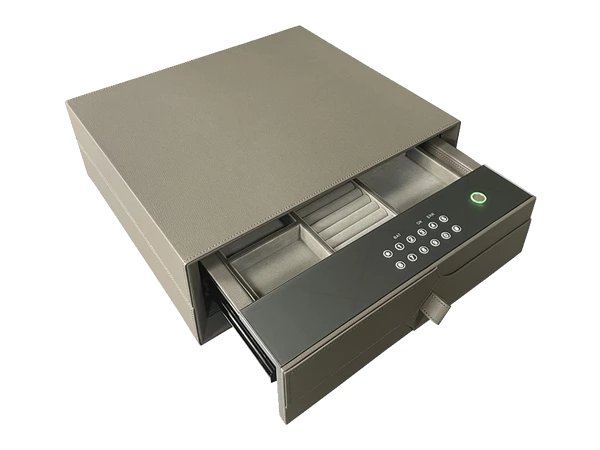
Closet Hidden Safe Designs That Match Modern Luxury Home Decoration
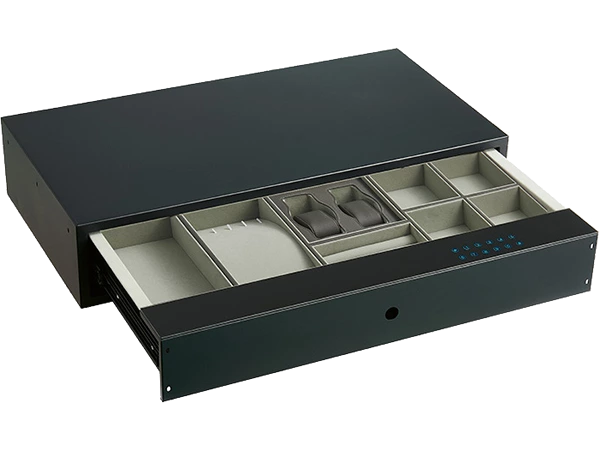
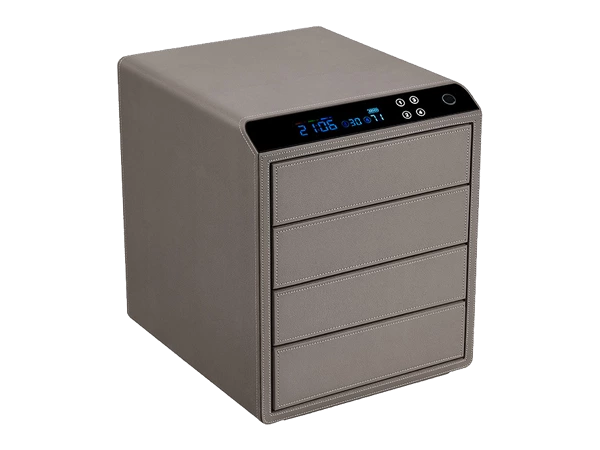
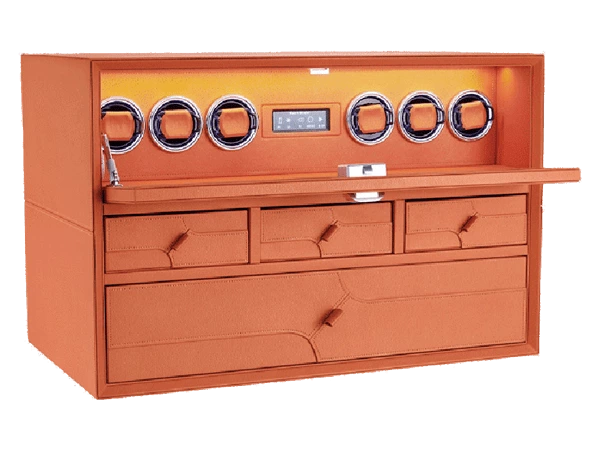
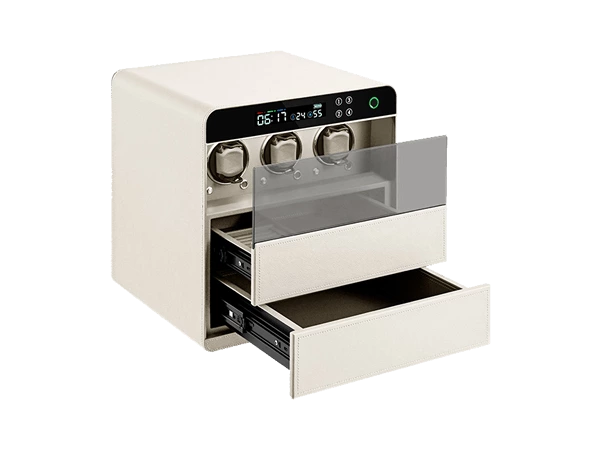
A well-designed closet hidden safe protects valuables without interrupting the look and flow of a refined home. Instead of treating security as an obvious add-on, modern designs can blend a safe into wardrobe systems, dressing rooms, cabinetry, and smart storage layouts. The result is a more discreet, practical, and polished approach to luxury home security.
How can a hidden safe belong in a luxury closet?
A hidden safe belongs in a luxury closet when it feels like part of the room’s original design rather than a bulky object placed inside it later. The best hidden safe design considers concealment, access, finish, lighting, and daily use at the same time. When these details are planned together, the safe can protect jewelry, watches, documents, cash, heirlooms, or personal items while preserving the calm, organized atmosphere of a high-end wardrobe.
In many modern homes, closets are no longer simple storage spaces. They function as dressing rooms, private galleries, and personal organization zones. That shift makes the closet hidden safe especially appealing: it can sit close to the items people actually want to protect, while remaining out of sight behind custom panels, drawers, sliding elements, or wardrobe doors.
The goal is not only to hide the safe. It is to make security feel intentional. A safe that opens smoothly, sits at a comfortable height, matches surrounding materials, and supports real routines will be used more consistently than one that is difficult to access or visually awkward.
Luxury security starts with the wardrobe plan
A wardrobe integrated safe works best when it is designed around the closet layout from the beginning. Placement affects convenience, discretion, and how naturally the safe fits into the room. A safe hidden in an inconvenient corner may be secure, but it can become frustrating to use. A safe placed too visibly may be easy to access, but less discreet.
Good planning begins with how the owner uses the closet. Someone who stores watches may prefer a safe near accessory drawers. Someone protecting documents may want a deeper compartment behind a cabinet panel. Someone with a large jewelry collection may need internal organization, soft lining, and lighting. A custom safe manufacturer can help translate these needs into a safe that fits the wardrobe structure rather than forcing the wardrobe to work around the safe.
Key planning considerations include:
- Access frequency: Daily-use items should be easier to reach than rarely accessed valuables.
- Sight lines: The safe should not be obvious from the closet entrance or nearby hallway.
- Door clearance: Hinged, sliding, and pocket doors must open without hitting shelves or drawer fronts.
- Weight support: Cabinetry and flooring should be planned to support the safe properly.
- Interior organization: Trays, compartments, watch storage, and document spacing should match what will be stored.
- Power and connectivity: If the design includes a smart closet safe, wiring or charging needs should be addressed early.
A luxury closet succeeds when beauty and function support each other. The same principle applies to a hidden safe.
Design ideas that keep the safe discreet
Modern concealment is subtle. It does not have to rely on trick doors or overly dramatic features. In a sophisticated home, the most convincing hidden safe design often looks ordinary: a seamless panel, a drawer stack, a wardrobe section, or a built-in cabinet that matches everything around it.
Behind matching wardrobe panels
One of the cleanest approaches is to place the safe behind a wardrobe panel that matches the surrounding cabinetry. The panel may look like a standard closet door, decorative wall section, or built-in storage front. This works especially well in closets with consistent millwork, because repetition helps the hidden area blend in.
Materials matter here. Wood veneer, lacquer, fluted panels, matte finishes, leather pulls, or metal trim can all be used to match the larger design language. The hidden panel should align with nearby seams and proportions so it does not draw attention.
Inside an accessory cabinet
For homeowners who keep fine jewelry, watches, or small valuables in the dressing area, an accessory cabinet can be an elegant location for a closet hidden safe. The exterior may appear to be a standard section for handbags, ties, scarves, or folded pieces. Inside, the safe can be positioned behind a secondary door or integrated into the cabinet body.
This approach works because it feels logical. Valuable items are stored near related accessories, but the most secure section remains concealed. It also makes daily use more convenient, especially when the safe interior includes organized drawers or trays.
Behind a mirror or feature wall
A full-length mirror, decorative panel, or closet feature wall can sometimes conceal a safe while adding style to the room. This can be useful when the closet layout includes a central dressing mirror or a wall that would otherwise be purely decorative.
The key is restraint. The concealment mechanism should be smooth, stable, and visually quiet. If the mirror or panel looks too unusual, it can call attention to itself. In luxury home security, discretion often comes from making the secure element feel completely normal.
What makes a smart closet safe worth considering?
A smart closet safe is worth considering when it improves access control, monitoring, and ease of use without making the design feel complicated. Smart features may support biometric entry, digital keypads, app-connected alerts, audit history, or integrated lighting, depending on the product and specification. The best option is the one that fits the homeowner’s comfort level, security needs, and daily habits.
Technology should not replace good physical design. It should support it. For example, a smart safe hidden in a poorly placed cabinet may still be inconvenient. Likewise, a beautifully concealed safe with awkward controls may not provide a pleasant experience. The strongest designs combine physical concealment, durable construction, intuitive access, and a clean appearance.
When evaluating smart features, focus on practical value:
- Access method: Choose controls that are easy for authorized users and difficult for others.
- Backup entry: Make sure there is a reliable backup process if power, batteries, or connectivity fail.
- Privacy: Consider how data, alerts, or access records are handled.
- Lighting: Interior lighting can make jewelry, watches, and documents easier to find.
- Integration: Smart features should not require visible devices that disrupt the closet design.
A smart closet safe should feel refined, not gimmicky. In a luxury environment, quiet performance is part of the appeal.
Materials and finishes shape the overall impression
A safe may be hidden most of the time, but the surrounding design still matters. Closets in modern luxury homes often use warm wood, soft neutrals, glass, stone, brushed metal, leather details, and integrated lighting. The hidden safe area should respect those choices.
For a minimalist home, the best approach may be a flat, handleless panel with precise reveals. For a warmer transitional interior, a safe can sit behind framed cabinetry or rich wood doors. For a boutique-inspired dressing room, the concealment might be built into illuminated accessory storage with velvet-lined drawers nearby.
Finish coordination helps avoid visual clues. If one cabinet face has a slightly different sheen, gap, hardware style, or depth, it may stand out. A custom safe manufacturer or experienced millwork team can help ensure the safe opening, frame, and access hardware work with the closet design rather than against it.
Lighting is equally important. Soft LED strips, recessed lights, or interior illumination can make the wardrobe feel polished while supporting safe access. However, lighting should not create a spotlight on the hidden area. The best effect is even, elegant, and consistent across the closet.
Practical layout choices for different valuables
The right wardrobe integrated safe depends on what needs protection. A design meant for watches will not function the same way as one meant for folders, collectibles, passports, or larger valuables. Start with the contents, then shape the safe around them.
For jewelry, shallow internal drawers and soft materials can help keep pieces separated and easy to view. For watches, dedicated cushions or compartments may keep items organized. For documents, the safe should allow flat storage without folding. For mixed valuables, adjustable shelving and removable trays can make the interior more flexible.
Useful layout ideas include:
- Eye-level compartments for frequently used jewelry or watches.
- Lower concealed sections for items accessed less often.
- Divided trays to prevent small valuables from becoming disorganized.
- Deep compartments for boxed items, folders, or keepsake cases.
- Separate zones for everyday pieces and rarely used valuables.
- Interior lighting to reduce handling and searching.
A safe that matches the owner’s storage habits can make the entire closet feel more orderly. Security becomes part of the lifestyle rather than a separate chore.
Security should remain layered and realistic
A hidden safe is valuable because it adds discretion and controlled access, but it should be part of a broader security mindset. Luxury home security often works best in layers: thoughtful placement, strong safe construction, quality installation, access control, home alarms, cameras, and privacy-conscious routines all play a role.
Concealment is helpful because it reduces visibility. Still, the safe itself should be appropriate for the items being stored. Installation also matters. A safe that is beautifully disguised but poorly anchored or awkwardly fitted may not perform as intended. This is where expert planning becomes important, especially when the safe must coordinate with custom cabinetry or architectural finishes.
Homeowners should also think about who knows the safe exists. Even the most elegant closet hidden safe benefits from discretion in everyday conversation, service scheduling, and household routines. The fewer unnecessary details shared, the stronger the overall security posture.
Working with a custom safe manufacturer
A custom safe manufacturer can help balance appearance, concealment, storage needs, and security requirements. This is especially useful when a homeowner wants the safe to disappear into a closet system without sacrificing usability. Instead of choosing a standard safe and trying to make it fit, custom planning starts with the space, the valuables, and the desired experience.
The process often begins with questions: What will be stored? How often will it be accessed? Should the safe be visible only when a panel opens? Does the closet design use wood, lacquer, glass, metal, or fabric details? Are smart controls desired? These answers guide dimensions, internal layout, access direction, finish coordination, and integration with the wardrobe.
Before finalizing a design, consider this checklist:
- Confirm the safe’s purpose and contents.
- Decide who needs authorized access.
- Plan the location before cabinetry is completed.
- Review door swing, drawer clearance, and user height.
- Coordinate finishes with the closet design team.
- Discuss anchoring, support, and installation requirements.
- Choose smart features only if they improve daily use.
- Keep the finished design discreet and uncluttered.
A successful project feels effortless once complete, but that effortless look comes from careful decisions made early.
A refined safe should feel like part of the home
The best hidden safe design does more than protect valuables. It respects the architecture, supports the owner’s routine, and preserves the feeling of calm that makes a luxury closet enjoyable. When the safe is integrated into the wardrobe with the right placement, finishes, access method, and interior organization, it becomes both practical and elegant.
For homeowners planning a dressing room, closet renovation, or upgraded security feature, the main takeaway is simple: design the safe as part of the room, not as an afterthought. A wardrobe integrated safe can be discreet, beautiful, and easy to use when security and interior design are planned together from the start.
FAQ
Q: What is a closet hidden safe?
A: A closet hidden safe is a concealed security storage solution integrated into wardrobes or furniture systems.
Q: Can hidden safes match luxury home decoration?
A: Yes. Manufacturers can customize finishes, structures and installation methods to match interior designs.
Q: Where can closet hidden safes be installed?
A: They can be installed in wardrobes, walk-in closets, bedrooms and custom furniture.
Q: Are biometric hidden safes secure?
A: Biometric hidden safes provide convenient authorized access with additional security functions.
Q: Can manufacturers customize hidden safe designs?
A: Yes. Custom manufacturers can develop solutions based on furniture structure and project requirements.