Small Closet Safe Buying Guide for Apartments Villas and Boutique Hotels
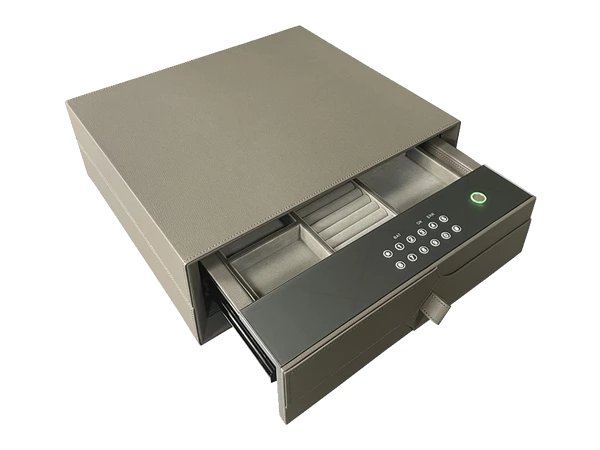
A small closet safe gives apartments, villas, and boutique hotel suites a discreet place to secure valuables without sacrificing usable living space. This page helps you choose a small safe for closet installation, compare practical configurations, and understand which features matter before you buy or request a quote. Whether you need a compact safe box for documents and jewelry or a taller small rifle safe for closet storage, the goal is the same: secure access, clean placement, and a finish that suits the room.
Is a closet safe the right fit for your space?
A closet safe is the right fit when you want secure storage close to daily life but out of direct sight. It works especially well in apartments where floor space is limited, villas where owners want private storage inside a dressing area, and boutique hotels where the safe must feel intentional rather than like an afterthought. The best option is not simply the smallest box available; it is the model that fits your closet depth, anchoring surface, access habits, and the type of items you plan to protect.
A small closet safe can sit inside cabinetry, beneath hanging clothes, behind a sliding panel, or inside a wardrobe-style installation. For many buyers, the main benefit is convenience: important items are close enough to use regularly, but not left exposed on counters, drawers, or luggage racks. For hospitality settings, the safe also supports a more polished guest experience because it keeps valuables management simple and familiar.
Discreet protection for apartments, villas, and boutique hotels
A closet is one of the most practical locations for a safe because it naturally blends storage, privacy, and accessibility. In an apartment, a compact safe box can protect passports, cash, watches, spare keys, personal devices, and important documents without demanding a dedicated security room. In a villa, a luxury closet safe can be integrated into a master wardrobe or dressing suite so valuables stay near the places where they are actually used.
Boutique hotels have a different need: the safe must be simple, reliable, and easy for guests to understand. A guest should not need instructions beyond the basic access process, and the unit should feel like part of the room design. That is where a hidden closet safe becomes useful; it offers security while preserving the calm, uncluttered appearance of a premium suite.

Built for the valuables people actually store
A small closet safe is most useful when it is chosen around real items, not a generic idea of “valuables.” Before selecting a model, list what will go inside on a normal day and what might need to fit during travel, seasonal stays, or guest turnover. This prevents a common mistake: buying a safe that looks compact and attractive but becomes frustrating because it cannot hold the items that matter.
Typical items stored in a small safe for closet installation include:
- Passports, identity documents, birth certificates, and travel papers
- Watches, jewelry, heirlooms, and small collectibles
- Cash, cards, checkbooks, spare keys, and access fobs
- Tablets, backup drives, compact cameras, and small electronics
- Medication that should stay private or controlled
- Property documents, lease papers, insurance records, and contracts
- Hotel guest valuables such as wallets, laptops in smaller configurations, and travel documents
For firearm owners, a small rifle safe for closet placement may be appropriate when the closet has enough height, depth, and anchoring strength. That choice requires more careful planning than a compact safe box because the safe must support the firearm length, locking expectations, and local storage responsibilities. If you need this type of configuration, measure the intended items and the closet space before choosing a model.
Configuration options that match the room
The best small closet safe is the one that supports your storage habits without disrupting the room. A studio apartment may need a low-profile safe placed beneath a shelf, while a villa dressing room may benefit from a more refined cabinet-integrated unit. A boutique hotel may prioritize consistent operation across multiple rooms, with a simple user interface and placement that housekeeping can inspect without disturbing the design.
Common configuration choices include:
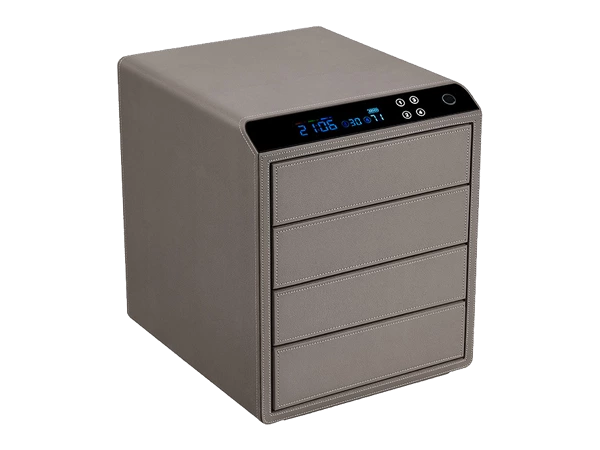
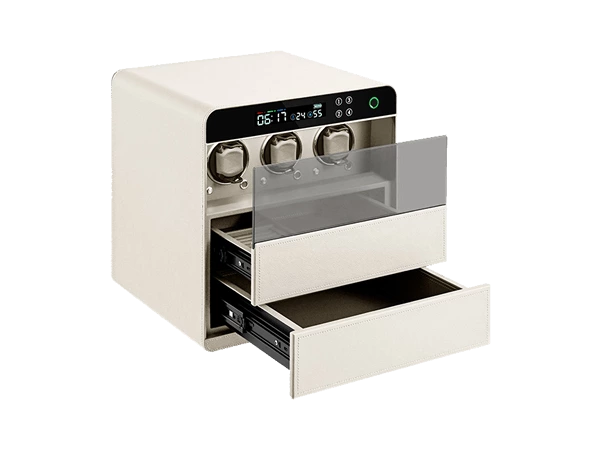
- Compact safe box: Best for documents, jewelry, cash, watches, and small electronics in tight closets.
- Shelf-height closet safe: Useful when the safe needs to sit inside cabinetry or beneath hanging garments.
- Tall narrow safe: Better for longer items and selected small rifle safe for closet applications where height matters.
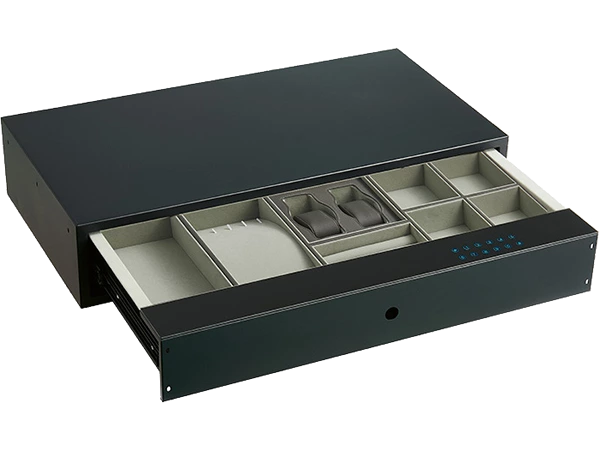
- Hidden closet safe: Designed to sit behind panels, inside built-ins, or in less obvious closet zones.
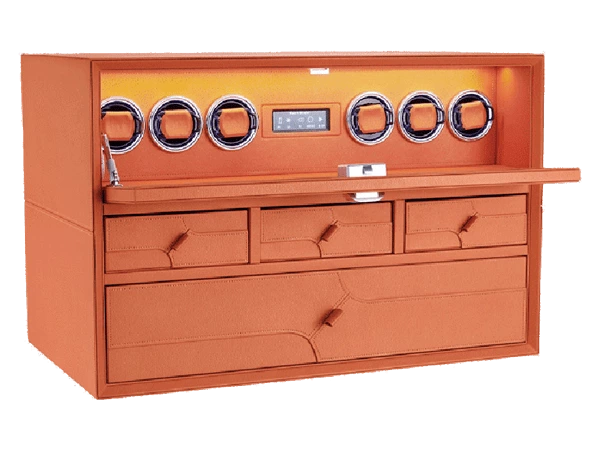
- Luxury closet safe: Chosen when finish, door feel, interior organization, and design integration matter as much as security.
A hidden closet safe should still remain easy for the authorized user to reach. If concealment makes daily access awkward, the safe may be left open or avoided, which defeats the purpose. A good layout keeps the safe discreet from casual view while allowing the owner, resident, or guest to use it comfortably.
Features that turn a small safe into daily security
Security is not only about the lock. The door, body, hinges, anchoring, interior layout, and access method all affect whether a safe performs well in everyday use. When comparing options, focus on the features that match your environment rather than chasing the most complicated specification sheet.
Look for features such as:
- Strong locking system: Choose an access method that suits the user, such as keypad, key override, biometric access, or a combination system where available.
- Anchoring capability: A closet safe should be secured to a suitable surface whenever possible, especially in apartments and hotel rooms.
- Appropriate internal volume: The safe should hold your current valuables with extra space for seasonal or travel items.
- Practical shelving: Adjustable or divided interiors help separate jewelry, watches, documents, and electronics.
- Clear interior visibility: A light-colored or organized interior makes it easier to find items quickly.
- Smooth door operation: The door should open far enough for easy access without hitting closet framing, sliding doors, or shelves.
- Durable finish: A clean exterior finish helps the safe blend into cabinetry, wardrobe interiors, or premium guest rooms.
- Emergency access planning: Owners and property managers should know how authorized access is handled if codes are forgotten or batteries need replacement.
For luxury spaces, the tactile experience matters. A luxury closet safe should not feel flimsy or visually out of place. The door action, interior lining, shelf layout, and installation detail all contribute to whether the safe feels like a natural part of the closet rather than a metal box dropped into a wardrobe.
Apartment installation needs careful measurement
Apartments often have limited closet depth, fixed shelving, rental restrictions, and shared building rules. That makes planning more important than size alone. A small safe for closet use should fit without blocking hanging clothes, laundry storage, sliding doors, electrical panels, or access to existing built-ins.
Before choosing a model, measure:
- Closet width at the exact installation point
- Usable depth with doors closed
- Height beneath shelves or clothing rods
- Door swing clearance for the safe door
- Floor or wall material for possible anchoring
- Nearby obstructions such as trim, baseboards, drawers, or rails
- The largest item you expect to store inside
If you rent, check what installation changes are permitted before drilling or anchoring. In some apartments, a freestanding compact safe box may be the practical starting point, while owners may prefer a more permanent anchored unit. The safest buying decision is the one that respects the building, the user, and the items being stored.

Villa and private residence storage feels integrated
In a villa or private residence, the safe can often be planned as part of the closet design rather than squeezed into leftover space. This opens the door to better concealment, cleaner finishes, and more comfortable access. A hidden closet safe may sit behind a matching cabinet door, inside a dressing island, or within a wardrobe zone that does not draw attention.
For villas, consider how the safe will be used across different routines. Daily jewelry and watches should be easy to reach from the dressing area. Travel documents may need a separate shelf or pouch. Spare keys, gate access devices, and household documents may require a different level of organization from personal valuables.
A luxury closet safe can also support a more intentional ownership experience. Instead of scattering valuables across drawers, the owner has one secure, organized place for the items that matter. That is especially helpful in second homes or seasonal residences where valuables may be stored between visits.
Boutique hotel rooms need simplicity and consistency
For boutique hotels, the product has to serve both guests and operations. Guests want a safe that is easy to find, easy to use, and large enough for common travel valuables. Managers want placement that protects the room design, supports cleaning routines, and reduces confusion at check-in or checkout.
A compact safe box can work well in boutique rooms when it is positioned inside the closet or wardrobe at a comfortable height. If the safe is too low, too hidden, or difficult to open around hangers and luggage, guests may not use it. If it is too visible, it can interrupt the room’s visual calm.
Hospitality buyers should prioritize:
- Simple guest access with clear operation
- Durable surfaces that tolerate frequent use
- Interior space for passports, wallets, jewelry, and small devices
- Placement that housekeeping can check during room turnover
- A discreet location that does not dominate the wardrobe
- A consistent installation approach across similar room types
The ideal boutique hotel safe does not call attention to itself. It quietly tells guests that their valuables have a designated place, while helping the room stay organized and premium.
Pricing and specification planning
Pricing for a small closet safe depends on size, lock type, construction, finish, interior layout, concealment requirements, and installation complexity. A basic compact safe box will generally be positioned differently from a custom-integrated hidden closet safe or a taller small rifle safe for closet use. Because exact needs vary, the best next step is to define your must-have features before requesting pricing.
When preparing for a quote or purchase discussion, gather these details:
- Where the safe will be installed: apartment closet, villa wardrobe, hotel suite, dressing room, or built-in cabinet.
- What you plan to store: documents, jewelry, electronics, watches, cash, firearms, or mixed valuables.
- Maximum available dimensions: width, depth, height, and door clearance.
- Preferred access method: keypad, key, biometric, or another available option.
- Finish expectations: hidden, standard, cabinet-integrated, or luxury closet safe presentation.
- Installation needs: freestanding, anchored, built-in, concealed, or coordinated with cabinetry.
This approach prevents overspending on features you will not use and helps avoid choosing a safe that looks right but performs poorly in the actual closet.
A simple buying checklist before you order
Use this checklist to narrow your choice before making a final decision. It is designed for practical buying, not technical overload.
- Confirm the safe fits the closet with the door fully open.
- Make sure the interior holds your largest regular item.
- Choose a lock type that the main user will use correctly every time.
- Plan anchoring or placement before delivery, not after.
- Check whether shelves, drawers, or clothing rods block access.
- Decide whether the safe should be visible, discreet, or fully hidden.
- For boutique hotels, choose a setup that is easy for first-time guests.
- For villas, match the safe finish and placement to the closet design.
- For firearm storage, confirm the safe dimensions and storage requirements are appropriate before purchase.
- Leave enough extra internal space for future documents, travel items, or additional valuables.
A small safe is only useful if it becomes part of normal behavior. If it is hard to open, poorly placed, or too small, people stop using it. The right model makes secure storage feel simple.
Order the closet safe that fits your property
A small closet safe should protect valuables, respect the room, and make daily access effortless for the right user. For apartments, that may mean a compact safe box with smart placement and minimal footprint. For villas, it may mean a hidden closet safe or luxury closet safe that blends with custom wardrobes. For boutique hotels, it may mean a consistent, guest-friendly safe installed where travelers naturally expect to find it.
To move forward, choose the use case that best matches your property, measure the available closet space, and request guidance on the right size, lock style, and installation approach. The result is a safer, cleaner, more organized room with valuable items stored exactly where they belong.
FAQ
Q: What is a small closet safe?
A: A small closet safe is a compact security storage solution designed to fit inside wardrobes, closets or furniture systems.
Q: Where can compact closet safes be installed?
A: They can be installed in apartments, villas, boutique hotels, bedrooms, wardrobes and walk-in closets.
Q: Can small closet safes be customized?
A: Yes. Manufacturers can customize dimensions, materials, finishes and internal storage layouts.
Q: Are small biometric safes secure?
A: Biometric small safes provide convenient access control and can include additional security functions.
Q: Why choose a custom safe manufacturer?
A: A custom manufacturer can provide solutions designed for specific space, furniture and project requirements.