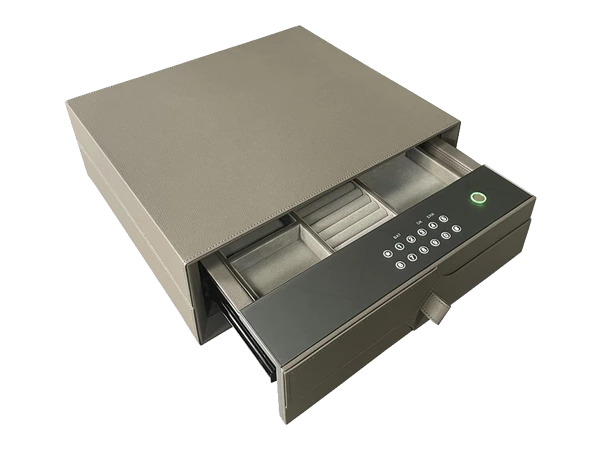
Closet Safe vs Traditional Home Safe: Why Built-In Security Storage Is Becoming a Luxury Home Trend
A closet safe brings secure storage into the rhythm of daily life, combining protection with the look and function of a well-designed dressing space. Compared with a traditional home safe, built in security storage can feel more discreet, more convenient, and better suited to luxury interiors where every detail is intentional. For homeowners planning a renovation, upgrading closet organization, or looking for smarter safe solutions, the choice comes down to what you store, how often you access it, and how visible you want your security to be.
What makes a closet safe different from a traditional home safe?
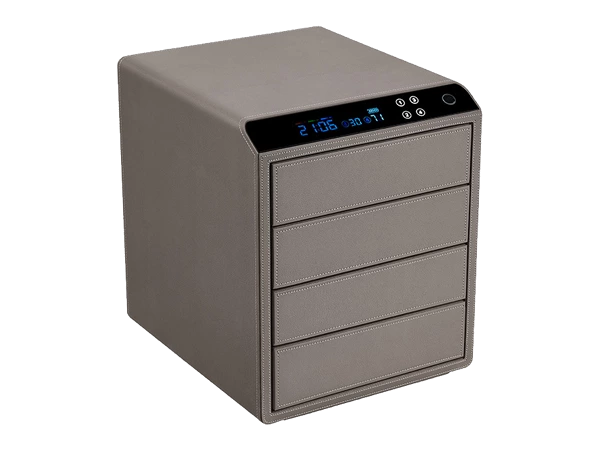
A closet safe is designed to live inside, behind, or alongside closet cabinetry, while a traditional home safe is usually a standalone unit placed in a bedroom, office, basement, or utility area. Both can support home safety, but they create very different experiences: one blends into the home’s storage system, and the other often announces itself as a security object.
That difference matters. A visible safe may be sturdy and practical, but it can interrupt the look of a luxury room and attract attention if someone enters the space. A closet safe, especially one integrated into millwork or concealed behind a panel, can protect valuables while preserving the calm, polished feeling of the room.
The rise of built in security storage is also tied to how people use their homes today. Closets are no longer treated as purely functional storage zones. Walk-in closets, dressing rooms, and primary suites are often designed as personal spaces where jewelry, watches, handbags, documents, and accessories are organized with care. Adding a personal safe to that environment feels less like an afterthought and more like part of the design plan.

The luxury shift toward security that disappears
Traditional security has often looked heavy, industrial, and separate from the rest of the home. That made sense when the main goal was simply to lock items away. But in high-design interiors, homeowners increasingly want security that performs well without disrupting the atmosphere they have invested in creating.
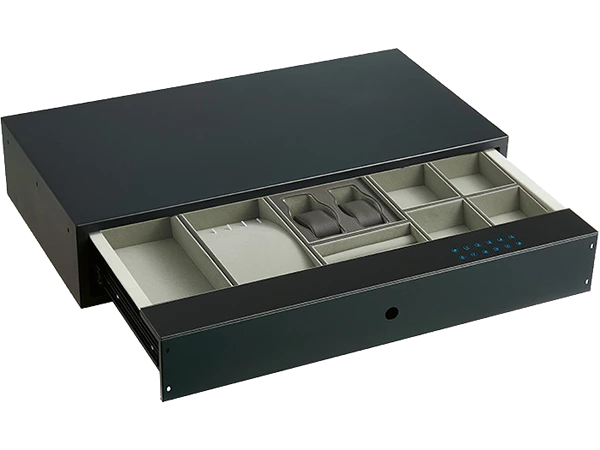
Hidden safes answer that preference by making protection quieter. A built-in unit can be placed behind a cabinet door, within a drawer stack, behind hanging garments, or inside a custom closet island. The goal is not to make security theatrical; it is to make it natural, accessible, and less obvious.
This is why the closet has become such an appealing locati0n. It is private, already associated with valuables, and typically part of the homeowner’s daily routine. A safe that sits where watches, jewelry, passports, or important papers are already handled is more likely to be used consistently than one tucked away in an inconvenient corner.
Luxury design is not only about appearance. It is about reducing friction. When safe storage is easy to access, visually integrated, and properly organized, it supports better habits. Items are less likely to be left on counters, in drawers, or in travel bags because the secure place is right where the homeowner needs it.
Closet safes support better everyday organization
A well-planned closet safe does more than lock items behind steel. It can improve closet organization by giving high-value belongings a defined home. Instead of scattering jewelry, documents, cash, watches, heirlooms, or backup keys across multiple drawers, a closet safe can centralize them in a protected, predictable locati0n.
This is especially useful in closets that already rely on zones. One area may be dedicated to shoes, another to hanging garments, another to accessories, and another to seasonal storage. Built in security storage can become one more zone, designed specifically for items that require both protection and easy retrieval.
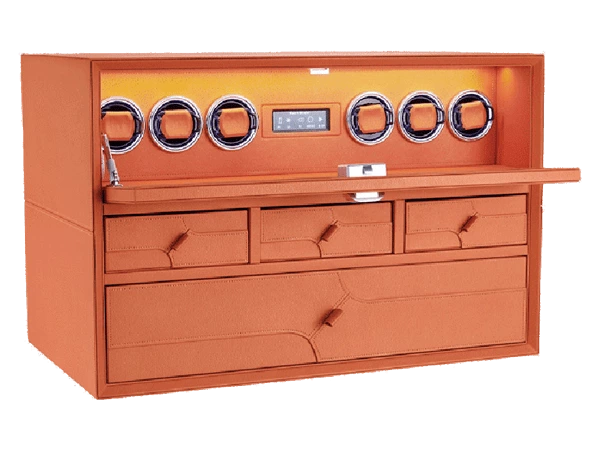
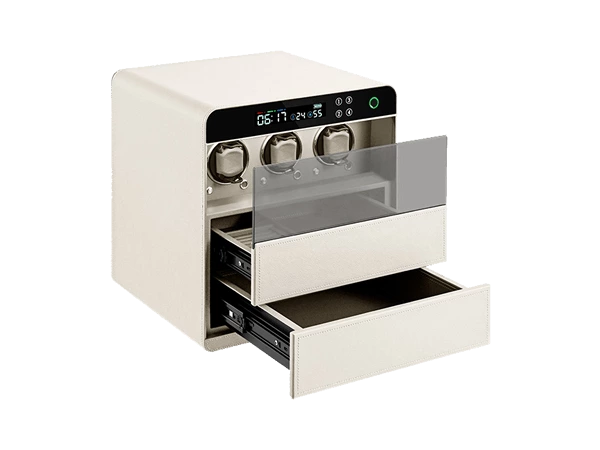
Practical organization inside the safe matters as much as the outside placement. A safe with one open cavity may work for a few folders or small boxes, but it can quickly become cluttered if used for mixed valuables. Interior drawers, shelves, trays, watch storage, and divided compartments help homeowners see what they own and access it without digging.
Consider these common safe storage categories:
- Jewelry and watches: Best served by lined drawers, small compartments, watch cushions, or watch winders if appropriate.
- Documents: Better stored flat or upright in sleeves, folders, or fire-conscious document containers inside the safe.
- Passports and travel items: Useful near a dressing area because they are often accessed while packing.
- Small heirlooms: Benefit from padded interiors and separation from harder objects that may scratch or damage them.
- Backup keys and access cards: Easy to misplace, but simple to organize in labeled sections.
- Cash or emergency items: Should be stored discreetly and in a locati0n the homeowner can access quickly when needed.
The result is a more intentional closet. The safe becomes part of the system rather than a bulky object competing with it.
Traditional home safes still have a role
The growing interest in closet safes does not mean traditional safes are obsolete. A standalone home safe can still be a smart choice, especially when size, budget, placement flexibility, or heavy-duty protection is the priority. For some households, a traditional safe may be the simplest way to create secure storage without remodeling cabinetry or redesigning a closet.
Traditional safes also come in many sizes. A compact personal safe may fit in a closet, cabinet, or office, while a larger home safe may be chosen for documents, firearms, collectibles, or bulkier valuables. In some cases, the safe’s visibility is not a major concern because it is placed in a private room or utility space.
The real tradeoff is integration. A traditional safe may protect well, but it can be harder to make it feel like part of the home. If it sits awkwardly in a corner or takes up valuable floor space, homeowners may eventually avoid using it as intended. Security works best when it fits naturally into daily behavior.
There is also the question of discretion. A visible safe can signal that valuables are nearby. While a quality safe can resist unauthorized access, many homeowners prefer not to advertise where important items are stored. Built in security storage offers an added layer of subtlety by reducing visual clues.
A practical comparison can help clarify the decision:
| Feature | Closet safe | Traditional home safe |
| Appearance | Blends into cabinetry or closet design | Often visible and utilitarian |
| Daily access | Convenient for jewelry, watches, documents, and travel items | Depends on placement |
| Discretion | Can be concealed or visually minimized | May be easier to notice |
| Installation | May require planning with closet layout or cabinetry | Can often be placed independently |
| Interior customization | Often designed around lifestyle storage needs | Varies by model and size |
| Best fit | Luxury closets, dressing rooms, primary suites | Offices, utility spaces, bedrooms, basements, general storage areas |
Neither option is automatically better. The right safe solutions depend on what you need to protect and how you want security to function in your home.

How should you choose between built-in and standalone safe storage?
Choose built-in safe storage when convenience, discretion, and design integration are high priorities; choose a standalone safe when placement flexibility, capacity, or a simpler installation matters more. The best decision starts with your valuables and your habits, not with the safe itself.
Begin by identifying what you actually plan to store. Jewelry, watches, passports, and frequently used documents often make sense in a closet safe because they connect naturally to dressing, packing, and daily routines. Larger collections, bulky items, or items accessed less often may be better suited to a larger home safe elsewhere.
Next, think about how often you need access. If you open the safe daily, convenience becomes a major factor. A safe hidden too deeply or placed in an awkward locati0n may be secure in theory but frustrating in practice. On the other hand, if the items are rarely accessed, a less convenient but more protected locati0n may be acceptable.
Use this decision checklist before choosing a safe:
- List the items you want to protect. Separate daily-use valuables from rarely accessed valuables.
- Estimate the space you need. Allow room for future additions so the safe does not become overcrowded.
- Decide where access feels natural. Closets, bedrooms, and private offices are common choices because they fit daily routines.
- Think about visibility. Ask whether the safe should be concealed, visually blended, or simply placed out of public areas.
- Review fire and water concerns. Documents, photos, and delicate items may require different protection than jewelry or watches.
- Plan for anchoring. A safe that can be removed easily is less effective, regardless of where it is placed.
- Consider who needs access. Lock type and access control should match the household’s real use patterns.
This process helps prevent a common mistake: buying a safe based only on size or appearance. A safe should match the way you live. If it protects valuables but makes them difficult to organize or retrieve, it may not solve the problem you actually have.
Security features matter as much as locati0n
A beautiful closet installation is not enough on its own. Any personal safe or home safe should be evaluated for its core security features, including lock quality, construction, resistance ratings, anchoring options, and suitability for the items inside. Design can make a safe more usable, but performance still matters.
Lock type is one of the first decisions. Key locks are simple, but keys can be misplaced or discovered. Digital keypads offer fast access, but they require attention to battery maintenance and code management. Biometric access can be convenient, especially for a closet safe used often, but homeowners should still consider backup access methods and reliability.
Fire resistance is another major factor. Important documents, family records, and certain keepsakes may need more than theft protection. A safe intended for papers should be selected with fire protection in mind, while jewelry-focused storage may prioritize interior layout, scratch prevention, and discreet access.
Water exposure should not be ignored either. Closets are usually preferable to damp areas because moisture can affect documents, metals, electronics, and locking components. Basements, laundry areas, and garages may be convenient, but they can introduce humidity, temperature swings, or water risks depending on the home.
Anchoring is essential. Whether you choose a closet safe or a traditional safe, the unit should be secured according to its design and the conditions of the room. A safe that can be carried away gives a thief more time and privacy to attack it elsewhere. Proper anchoring to a floor, wall, or structural element makes removal much harder.
Key features to evaluate include:
- Locking mechanism: Mechanical, electronic, biometric, or a combination.
- Construction quality: Door thickness, body strength, hinges, and pry resistance.
- Fire protection: Appropriate for documents, media, or other heat-sensitive items.
- Water resistance: Useful where leaks, sprinklers, or humidity may be concerns.
- Anchoring points: Pre-drilled or designed attachment locations.
- Interior layout: Shelves, drawers, soft lining, compartments, or modular accessories.
- Backup access: Emergency override options or service protocols.
- Ease of use: A system you will actually use consistently.
Security is strongest when these features work together. A hidden safe with weak construction is not enough. A heavy-duty safe in an obvious place may also create unnecessary attention. The sweet spot is a safe that is well-built, well-placed, and easy to use correctly.
Design integration turns protection into a lifestyle feature
Built in security storage has become a luxury trend because it fits the broader movement toward personalized interiors. Homeowners want rooms that work beautifully for their routines, not just rooms that look finished in photographs. A closet safe can support that goal by pairing practical protection with tailored organization.In a dressing room, the safe might sit behind matching cabinet fronts so the space remains visually calm. In a closet island, it might be placed below jewelry drawers for quick access while getting ready. In a boutique-style walk-in closet, it might be integrated near lighting, mirrors, accessory displays, and valet rods so valuable pieces can move smoothly from storage to use.
The design details make a difference. Matching finishes, concealed hinges, soft-close drawers, lined interiors, and thoughtful lighting can make safe storage feel intentional rather than imposed. Even a compact hidden safe can feel elevated when it is placed inside a larger organization plan.For homeowners working with existing closets, integration may still be possible without a full remodel. A safe can sometimes be placed inside a cabinet bay, behind a panel, beneath shelving, or within a less visible section of the closet. The key is to avoid blocking daily storage, creating awkward reach points, or placing the safe where it will be forgotten.
A few design-forward planning tips include:
- Place the safe near the items it will hold, not in a random leftover space.
- Keep enough clearance for the door, drawers, or keypad to operate comfortably.
- Avoid locations that require moving many items every time you need access.
- Use surrounding cabinetry to make the safe look integrated, not hidden in a messy way.
- Choose interiors that protect delicate finishes, gemstones, watches, papers, or accessories.
- Plan lighting so you can see inside the safe without drawing attention to it from outside the closet.
The most successful closet safe installations feel calm and obvious to the owner but unremarkable to everyone else. That balance is part of the appeal.

Hidden safes and discretion require thoughtful planning
Hidden safes can improve discretion, but concealment should be planned carefully. A safe that is too difficult to reach may discourage regular use. A safe hidden in a predictable locati0n may be less discreet than the homeowner assumes. The goal is not simply to hide a safe; it is to place it intelligently.Closets offer several advantages because they are private, layered spaces. Clothing, cabinetry, drawers, shelves, and doors create natural visual cover. However, a closet can also become busy, and clutter can interfere with access. Good closet organization supports security by keeping the area orderly enough that the safe can be used quickly and confidently.
Discretion also depends on who enters the space. Housekeepers, contractors, guests, and service professionals may occasionally pass through nearby rooms. A safe placed behind custom cabinetry or within a private closet zone is less likely to attract attention than one sitting in plain sight.Still, concealment should never be the only security strategy. Hidden placement is useful, but it should complement a strong lock, proper anchoring, and appropriate construction. If someone does discover the safe, the safe still needs to perform.
A discreet safe plan usually combines three layers:
- Visual discretion: The safe does not stand out during casual observation.
- Physical resistance: The safe is built and anchored to resist forced removal or access.
- Behavioral consistency: The homeowner uses it regularly instead of leaving valuables unsecured.
That third layer is often overlooked. The best safe is not the one with the most dramatic hiding place; it is the one that protects valuable items because it is actually used.
Fire, water, and environmental factors shape the best locati0n
Many homeowners think first about theft, but home safety also includes protection from fire, leaks, humidity, and accidental damage. These risks influence where a safe should go and what type of safe storage makes sense. A closet safe can be an excellent option, but the surrounding environment still deserves attention.Bedrooms and closets are often appealing because they are dry, private, and easy to access. They are also close to the personal items people tend to secure most often. However, homeowners should consider what is above, below, and around the chosen locati0n. Plumbing lines, exterior walls, HVAC conditions, and floor strength may all affect placement.
For documents and papers, fire protection may be a priority. For jewelry and watches, interior organization and moisture control may matter more. For electronics or digital media, heat and humidity concerns may require special attention. No single safe is ideal for every category, which is why defining the contents first is so important.It can also be helpful to separate valuables by access level. Items used frequently may belong in a closet safe. Irreplaceable items that are rarely needed may deserve an additional layer of protection elsewhere, depending on the homeowner’s preferences. The point is to avoid treating one safe as the universal answer for every object.
A simple storage strategy might look like this:
- Daily or weekly access: Jewelry, watches, passports, frequently used documents, and small personal items in a closet safe.
- Occasional access: Backup documents, keepsakes, or collections in a larger home safe if more space is needed.
- Rare or highly sensitive access: Items that may require specialized storage, professional guidance, or off-site consideration.
This layered approach makes security more practical. It recognizes that convenience and protection are both important, but not every item needs the same balance.
When does a closet safe make the most sense?
A closet safe makes the most sense when valuable items are part of your daily routine and you want protection that feels integrated rather than intrusive. It is especially well suited to homeowners who are already upgrading a walk-in closet, planning custom cabinetry, or creating a more refined primary suite.If you regularly wear jewelry, rotate watches, travel with important documents, or keep small valuables at home, a closet safe can reduce the gap between storage and use. Instead of walking to another room or unlocking a bulky safe in an awkward spot, you can secure items in the same area where you prepare for the day.
A closet safe may also be the better choice when aesthetics are a priority. In homes where finishes, lighting, cabinetry, and organization have been carefully selected, a standalone safe can feel visually disruptive. Built in security storage preserves the design language of the room while adding a serious functional benefit.However, a closet safe may not be ideal for every situation. If you need to store large items, require maximum internal capacity, or do not want to modify cabinetry, a traditional home safe may be more practical. If your closet is small, damp, poorly ventilated, or difficult to secure structurally, another locati0n may work better.
The strongest candidates for a closet safe usually share a few traits:
- The homeowner wants secure storage for small to medium valuables.
- The closet is private, dry, and easy to access.
- The safe can be anchored properly.
- The surrounding design can conceal or integrate the safe.
- The items inside are accessed often enough that convenience matters.
- The interior can be customized to prevent clutter and damage.
This is why closet safes are gaining attention in luxury homes. They solve both a security problem and a lifestyle problem at the same time.
Planning built in security storage during a closet upgrade
The best time to plan built in security storage is before cabinetry, lighting, and layout decisions are finalized. A safe affects clearances, access paths, structure, and organization, so it should not be treated as a last-minute accessory. Early planning makes the final result cleaner and more functional.Start by mapping your closet routine. Where do you put on jewelry? Where do you pack? Where do you store handbags, watches, documents, or travel cases? A safe placed near those routines will feel intuitive. A safe placed only where it fits may become inconvenient.
Next, think about proportions. The safe should be large enough for current valuables and reasonable future needs, but not so large that it overwhelms the closet. In luxury closet design, scale matters. The safe should support the room, not dominate it.You should also coordinate the safe with surrounding storage. If the safe holds jewelry, nearby drawers may hold less valuable accessories. If it holds documents, nearby shelving may house travel bags or office items. If it holds watches, lighting and counter space may make selection easier.
During planning, avoid these common mistakes:
- Choosing a safe before deciding what will go inside it.
- Placing the safe where the door cannot open fully.
- Forgetting about anchoring until after cabinetry is installed.
- Hiding the safe behind items that must be moved every time.
- Selecting an interior layout that does not match the contents.
- Prioritizing concealment so much that daily use becomes annoying.
- Ignoring moisture, heat, or nearby plumbing risks.
Thoughtful planning helps the safe feel like a permanent part of the home rather than an object squeezed into the closet after everything else is finished.
The best safe solution is the one you will use correctly
Security products often fail when they create friction. If a safe is hard to reach, poorly organized, unattractive, or too small, homeowners may gradually stop using it. Valuables end up on nightstands, in dresser drawers, in handbags, or in unlocked cabinets because those places are easier.That is the real reason built in security storage is becoming a luxury home trend. It aligns security with behavior. A closet safe can make the secure choice the convenient choice, which is exactly what good home design should do.
Traditional safes remain useful, and in many homes they are still the right answer. But for homeowners who care about both home safety and interior design, the closet safe offers a compelling balance. It protects important items, supports closet organization, and preserves the visual quality of the space.The takeaway is simple: do not choose a safe only because it looks secure or looks beautiful. Choose one that fits your valuables, your room, your habits, and your long-term storage needs. When protection is designed into the home instead of added awkwardly afterward, safe storage becomes easier to trust and easier to use every day.