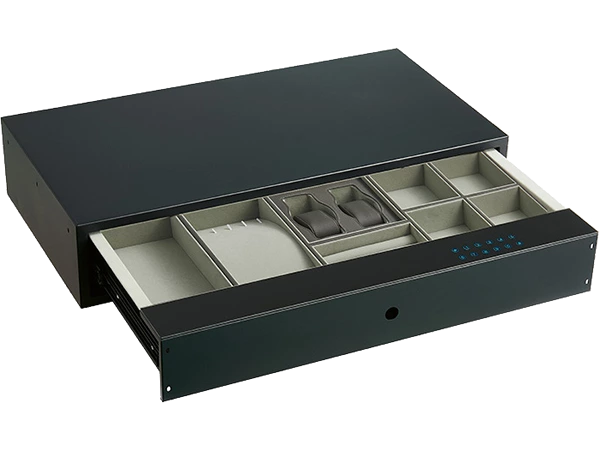
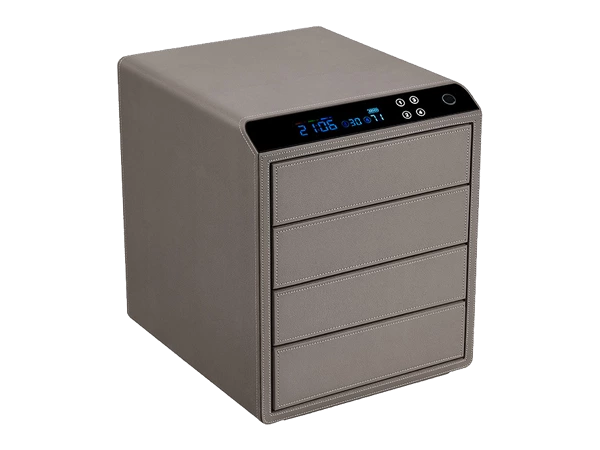
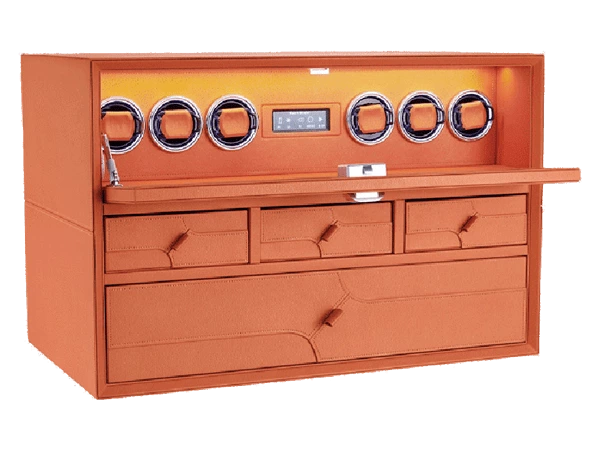
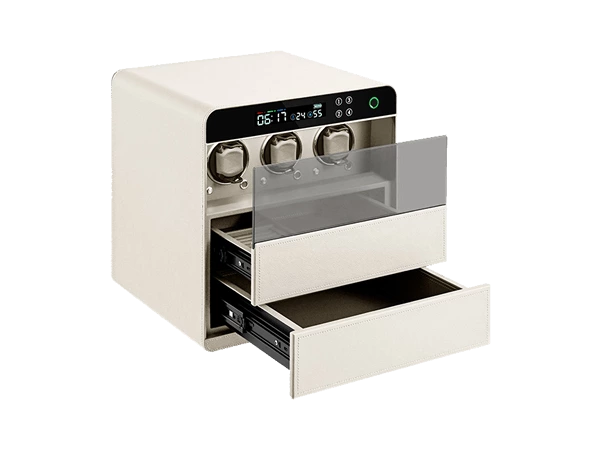
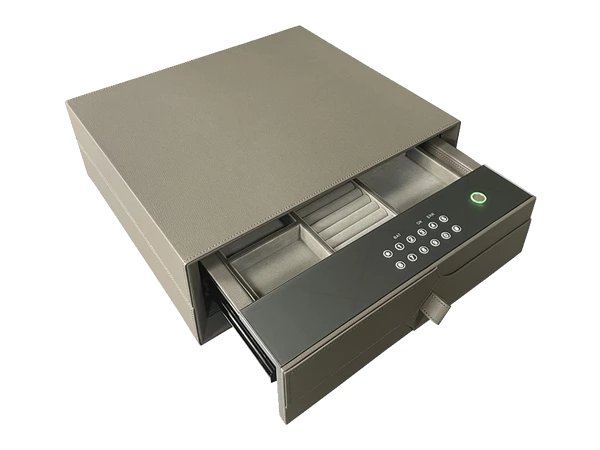
Hidden Home Safes for Jewelry Watches Documents and Emergency Cash
Protect the items you reach for, worry about, or cannot easily replace with discreet storage designed to blend into your home. These concealed safes give jewelry, watches, documents, emergency cash, and small valuables a private place that does not advertise itself like a standard lockbox on a shelf. Choose from hidden safes for home use that fit everyday routines, room layouts, and the level of access you want.
What makes a hidden home safe worth choosing?
A hidden home safe is worth choosing when you want security that starts with discretion. Instead of relying only on a visible steel box, concealed safes reduce attention by placing valuables behind ordinary-looking surfaces, inside furniture-style compartments, or in low-visibility areas of the home. That makes them useful for people who want quick access to essentials without leaving jewelry, watches, passports, cash, or backup keys in obvious drawers.
The best hidden safes for home use combine three practical advantages: a secure enclosure, an installation style that fits naturally into the room, and enough interior space for the valuables you actually plan to store. If a safe is difficult to use, too small, or installed in a location you avoid, it becomes less helpful over time. A well-chosen hidden safe should feel natural in daily life while adding a layer of protection against casual discovery.
Designed for valuables that need discreet protection
Secret home safes are especially useful for items that are small, high-value, private, or needed in urgent moments. A jewelry box, desk drawer, closet shelf, or nightstand may be convenient, but those are also common first-search locations. A hidden safe gives you a better place to organize important belongings without turning your home into a vault.
Use your hidden safe for:
- Jewelry you wear regularly but do not want left on a dresser
- Watches, heirlooms, and small collectibles that deserve separate storage
- Passports, birth certificates, property documents, and backup IDs
- Emergency cash kept away from everyday spending money
- Spare cards, USB drives, keys, and compact personal records
- Small sentimental items that should stay private and protected
This type of home security safe is not just for expensive possessions. It is also for reducing stress. When your essential items have one known location, you spend less time searching and less time wondering whether something was misplaced, borrowed, or left exposed.
Concealment options that fit real homes
Good hidden safe ideas start with the way you already use your rooms. A safe near the front door may be practical for backup keys and documents you need when leaving the house. A bedroom or closet location may suit jewelry and watches. A home office can work well for records, emergency cash, and small electronics.
Popular concealed safe styles include:
- Wall safes that sit between studs and can be covered by artwork, shelving, mirrors, or panels
- Floor safes that sit below a rug, furniture piece, or removable floor covering
- Furniture safes built into cabinets, nightstands, desks, or closet systems
- Shelf and diversion safes that resemble ordinary household objects for lower-profile storage
- Compact lockbox-style safes placed inside a deeper concealed compartment or secured out of sight
Each option has a different balance of capacity, installation effort, and accessibility. A wall safe may be excellent for documents and jewelry envelopes, while a furniture safe may feel more convenient for watches you rotate often. A floor safe can be discreet, but it may be less convenient for daily access. The right choice depends on what you store, how often you need it, and how naturally the safe can disappear into its surroundings.
Security features that support everyday confidence
A hidden safe should be more than clever camouflage. Concealment helps reduce attention, but the safe itself should still provide controlled access, durable construction, and a practical locking method. Look for features that match your habits rather than choosing solely by appearance.
Key features to consider:
- Lock type: Key locks, digital keypads, combination locks, and biometric options each have different access routines. Choose the one you will use correctly every time.
- Mounting or anchoring: A safe that can be secured to a wall, floor, cabinet, or structural surface is harder to remove than a loose box.
- Interior layout: Soft lining, watch-friendly spacing, shelves, or document slots help prevent clutter and damage.
- Door clearance: Make sure the safe opens fully in the chosen location, especially behind artwork, closet panels, or furniture.
- Backup access: If the safe uses batteries or electronics, understand the backup entry method before you need it.
- Capacity: Plan around the items you own now and the items you may add later, not just the first few pieces you want to hide.
For jewelry and watches, interior organization matters as much as the lock. A compact safe that keeps pieces separated can be more useful than a larger space where everything gets stacked together. For documents, measure folded and unfolded storage needs before selecting a model.
A smarter way to store emergency cash and documents
Emergency cash is most useful when it is accessible to the right people and invisible to everyone else. Keeping it in a kitchen drawer, envelope, or obvious desk compartment creates unnecessary exposure. A concealed safe lets you separate emergency funds from routine household cash and place them in a location that can be shared only with trusted family members.
Documents need similar care. Passports, birth certificates, insurance papers, titles, and estate-related paperwork can be difficult to replace and stressful to locate under pressure. A hidden home safe gives these papers a consistent home, especially when paired with labeled folders or document sleeves.
For a simple setup, divide your safe contents into three zones:
- Daily-value items: Jewelry, watches, cards, or keys you may access frequently.
- Emergency items: Cash, backup IDs, copies of critical contacts, or essential instructions.
- Long-term records: Certificates, deeds, titles, and private documents that should stay organized.
This approach keeps the safe useful instead of becoming another crowded storage space. It also helps another trusted person find what they need if you are unavailable.
Product options for different rooms and routines
Hidden safes for home use should match the room where they are installed. A safe that looks natural in a home office may not be the best choice for a bedroom closet, and a clever concealment idea can fail if it feels awkward or out of place. The strongest setup is one you can access comfortably while keeping the safe visually quiet.
For bedrooms, consider wall or furniture-based options that support jewelry, watches, and personal documents. For home offices, look at safes with document-friendly interiors and access methods that fit your workflow. For entry areas, compact concealed safes can hold spare keys, emergency cash, or small essentials, as long as the placement does not become obvious.
A few practical selection tips:
- Choose a location that is private but not inconvenient.
- Avoid places that are exposed to moisture, heat, or daily bumps.
- Keep frequently used items closer to your routine path.
- Store rarely used documents in a deeper, less visible location.
- Make sure the concealment method still allows easy safe access.
The goal is not to create a complicated hiding place you avoid using. The goal is to make secure storage feel simple enough that you use it consistently.
Pricing and configuration guidance
Pricing for secret home safes depends on size, lock type, materials, concealment style, and whether installation support is needed. A basic compact concealed safe typically costs less than a larger wall, floor, or furniture-integrated model. Custom concealment, specialty finishes, and advanced locking systems can also change the final price.
To compare options fairly, think in terms of the complete setup rather than the safe alone. A less expensive safe may not be the best value if it is too small, hard to install, or obvious once placed in the room. A more complete option may be worthwhile when it improves access, organization, and concealment at the same time.
Before choosing, decide:
- What exact items you want to store first
- Whether you need daily, weekly, or rare access
- Who should know the safe location and access method
- Whether you prefer key, keypad, combination, or biometric entry
- Whether the safe should be portable, anchored, recessed, or built in
- How much room you need for future jewelry, watches, or documents
Once those answers are clear, it becomes much easier to narrow the selection and avoid paying for features you will not use.
Why choose a concealed safe instead of a visible safe
Visible home security safes can be effective, especially when anchored properly, but they also announce where valuables may be stored. A concealed safe takes a different approach. It protects by being secure and by being less noticeable in the first place.
That makes concealed safes useful in homes where style, space, or privacy matters. You can protect valuables without placing a heavy-looking safe in the corner of a closet or office. You can also separate your most personal items from general storage and keep them out of casual view when guests, contractors, or service providers are in the home.
For many households, the best solution is layered. A larger visible safe may handle bulk storage, while a hidden safe keeps frequently used valuables close and discreet. This gives you flexibility without forcing every important item into one location.
Simple setup for better protection
A hidden safe works best when it is part of a thoughtful storage habit. Start by choosing the items that truly need protected access. Then select a concealed location that fits the items and the way you use them.
A practical setup process looks like this:
- Gather the jewelry, watches, documents, cash, and small valuables you want to protect.
- Sort them by access frequency so daily items do not bury emergency documents.
- Choose a concealment style that fits the room naturally.
- Confirm the safe interior is large enough before installation.
- Decide who receives access and how backup access will be handled.
- Review the contents a few times per year so outdated papers or unnecessary items do not crowd the safe.
This keeps your hidden safe organized, usable, and aligned with your household needs.
Secure what matters without making it obvious
The best hidden safes for home storage do more than hide valuables. They help you build a calmer, more organized system for protecting jewelry, watches, documents, emergency cash, and personal items you do not want left in plain sight. With the right size, lock type, concealment method, and location, your safe becomes part of the home instead of an obvious security fixture.
Explore concealed safes that fit your room, routine, and valuables, then choose the configuration that gives you the right balance of discretion, access, and protection. If you are unsure which option suits your home, start with the items you need to protect most and build your hidden safe setup around them.
FAQ
Q: What is a hidden home safe?
A: A hidden home safe is a concealed security storage solution designed to protect valuable items while remaining integrated into the living environment.
Q: What items can be stored in hidden home safes?
A: They can store jewelry, watches, passports, documents, cash and other personal valuables.
Q: Are hidden safes suitable for luxury villas?
A: Yes. Hidden safes are commonly used in luxury villas, premium apartments and private residences.
Q: Can hidden safes include fingerprint access?
A: Many modern hidden safes support fingerprint access, password control and smart security functions.
Q: Why choose a custom safe manufacturer?
A: A custom manufacturer can develop solutions based on interior design, storage requirements and project specifications.