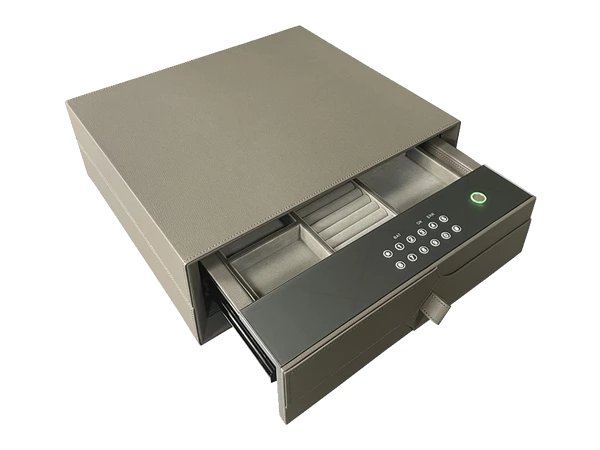
Hidden Safe for Home Security How to Keep Valuables Out of Sight
A hidden safe adds an extra layer of protection by keeping valuables secure and out of obvious view. Instead of relying only on locks, alarms, or visible storage, it helps reduce attention around the items you care about most. With the right placement, a home security safe can protect documents, jewelry, cash, backup drives, and sentimental items while blending naturally into your living space.
Why should you use a hidden safe at home?
A hidden safe helps because it combines physical security with concealment. A standard safe may protect against quick access, but if it is easy to see, it can also become an immediate target. A hidden home safe makes valuables harder to locate in the first place, which can buy time and reduce risk during a break-in.
The goal is not to create a movie-style secret compartment in every room. It is to choose practical secret safe storage that fits your home, your habits, and the value of what you are protecting. When concealment and convenience work together, you are more likely to use the safe consistently instead of leaving important items in drawers, closets, or bedside tables.

The best hiding spots are ordinary, not obvious
Good hidden storage ideas usually start with a simple principle: the best hiding place does not look like a hiding place. Burglars often move quickly and check predictable areas first, such as bedroom drawers, closet shelves, nightstands, desks, and jewelry boxes. A safe that sits in one of those spots may still help, but it is not truly discreet.
Look for locations that feel boring, built-in, or rarely handled by visitors. A concealed safe works best when it disappears into the normal rhythm of the home. That could mean placing it behind a removable panel, inside a utility area, beneath a fixed piece of furniture, or in a room where valuables are not expected.
When evaluating a location, think about three things:
- Visibility: Can someone spot the safe during a quick walk-through?
- Access: Can you reach it without making daily use inconvenient?
- Stability: Can the safe be anchored or protected from easy removal?
A hidden safe that cannot be secured may simply become a portable box. Concealment matters, but anchoring and quality construction matter too.
Popular hidden home safe options
There is no single perfect hidden home safe for every household. The right choice depends on what you plan to store, how often you need access, and how much installation work you are willing to do.
Wall safes
Wall safes are a common option because they can be placed between studs and covered with artwork, shelving, a mirror, or another decorative item. They are especially useful for documents, passports, small electronics, jewelry, and cash. However, they need careful placement so the cover looks natural rather than suspicious.
A wall safe should not be installed in the most predictable place, such as directly behind a bedroom picture frame. If you choose this style, consider a less obvious room or a cover that fits the design of the wall. The more ordinary it looks, the better it works.
Floor safes
Floor safes can be highly discreet when placed under carpet, furniture, or a removable floor panel. They are often harder to notice at eye level and may be easier to anchor securely. They can work well for items you do not need every day.
The tradeoff is convenience. If you have to move furniture or lift flooring every time you need a document, you may avoid using it. A floor safe is best for valuables that require strong protection but infrequent access.
Furniture safes
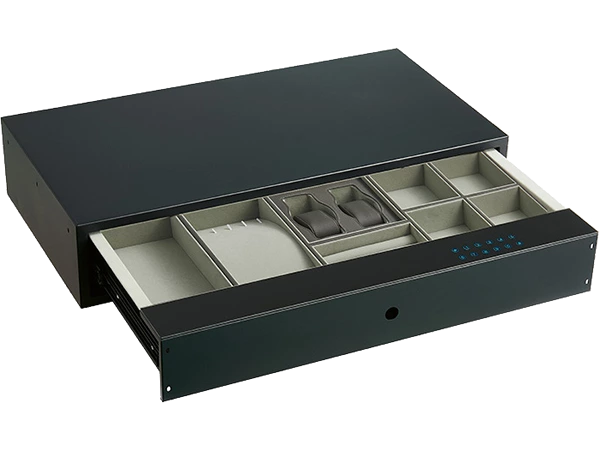
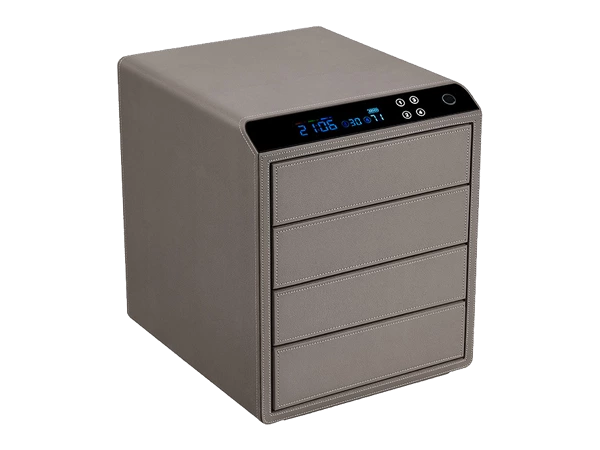
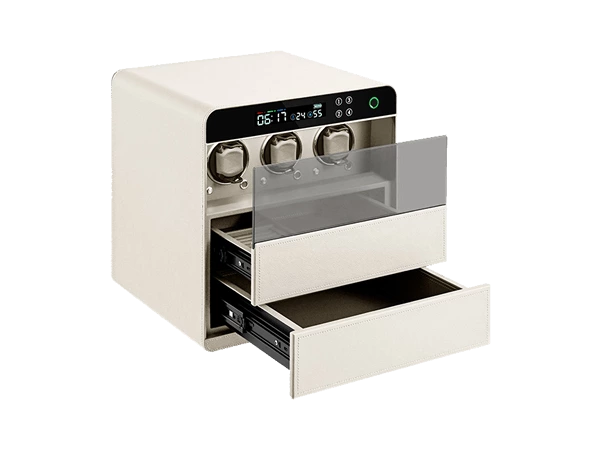
Some safes are designed to fit inside cabinets, shelves, desks, or custom furniture. This approach can be practical because it keeps items close while avoiding the look of a freestanding safe. It can also be easier to install than a wall or floor unit.
The key is avoiding obvious furniture choices. A safe inside a master bedroom nightstand is easier to guess than one concealed in a less expected area. If you use furniture-based secret safe storage, make sure the furniture itself is sturdy and not easy to carry away.
Diversion safes
Diversion safes are designed to look like everyday objects, such as books, cans, containers, or household products. They can be useful for small items, but they should not be your only plan for high-value belongings. Many are lightweight and offer limited resistance if discovered.
Use diversion safes for low-risk items or as part of a broader strategy. For truly important valuables, a more durable home security safe is usually the better foundation.
What should you store in a home security safe?
A home security safe is best for items that are difficult, expensive, or stressful to replace. This includes legal documents, identification, small heirlooms, jewelry, emergency cash, external hard drives, and important account records. It can also hold items you want to keep away from children, guests, or casual access.
Before choosing a safe, make a short inventory. This helps you estimate the size, interior layout, and protection level you need. A safe for a few passports and envelopes is different from one meant for watches, hard drives, and family keepsakes.
Consider storing:
- Passports, birth certificates, marriage certificates, and property documents
- Backup drives, memory cards, and important digital records
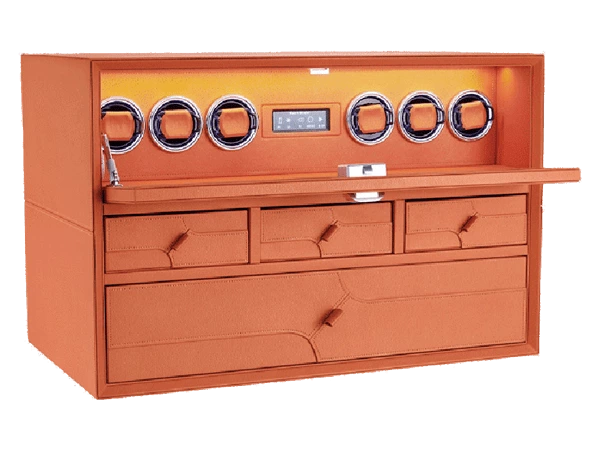
- Jewelry, watches, coins, and small collectibles
- Emergency cash in reasonable amounts
- Spare keys, access cards, and sensitive paperwork
- Irreplaceable letters, photos, or sentimental items
Avoid storing anything that could become dangerous, unstable, or inappropriate for the safe’s environment. If an item needs climate control, special insurance, or professional storage, treat it accordingly.
Smart placement makes the safe easier to use
A safe only works if you use it consistently. If access is too difficult, valuables often end up in temporary spots “just for now,” which defeats the purpose. Good placement balances discretion with everyday practicality.
Think about your routine. If you use passports only for travel, a less accessible spot may be fine. If you frequently rotate jewelry, you may need a location that is discreet but still convenient. If you store emergency items, every trusted adult in the household should know how to access them.
A few practical placement guidelines can help:
- Choose a location away from the master bedroom when possible.
- Avoid obvious covers that look newly added or out of place.
- Keep the safe away from moisture, heat, and visible wiring.
- Anchor the safe according to the manufacturer’s instructions.
- Make sure the door can open fully without awkward movement.
- Limit knowledge of the safe’s location to trusted people only.
The best hidden storage ideas feel natural. A panel in a utility closet, a safe built into custom shelving, or a discreet floor location in a low-traffic room may be more effective than something dramatic.
Concealment should not replace quality
A hidden safe is not automatically secure just because it is hard to see. Construction, locking mechanism, installation, and anchoring all affect performance. A weak safe in a clever spot may still fail if discovered.
Look for a safe that matches your risk level. Some people need basic protection from casual access, while others need stronger burglary resistance or fire protection. If fire protection matters, check whether the safe is designed for documents, digital media, or both, since different materials can tolerate different conditions.
Pay attention to the lock as well. Key locks are simple but require careful key storage. Digital locks are convenient but need battery maintenance. Mechanical combinations avoid batteries but may take longer to open. There is no universal best choice; the best lock is one you can operate reliably while keeping access controlled.
How do you keep a hidden safe truly discreet?
You keep a hidden safe discreet by making it part of the home instead of something that calls attention to itself. The surrounding area should look normal, undisturbed, and consistent with how the rest of the room is used. If the hiding spot seems unusual, overly clever, or difficult to explain, it may attract curiosity.
Start with the cover. Artwork, panels, shelves, and furniture should match the room’s style and scale. A large picture in a strange location or a cabinet that nobody ever opens can look suspicious. Subtlety is more effective than novelty.
Also consider noise and routine. If accessing the safe requires dragging furniture, removing screws, or making obvious sounds, you may draw attention over time. A discreet safe should be easy for you to use and uninteresting to everyone else.
Finally, be careful about who sees the installation. If possible, schedule installation when fewer people are around, avoid discussing the safe casually, and do not share photos of the hiding place. Home safety tips often focus on devices, but privacy is part of security too.
Common mistakes to avoid
Even a good safe can become less effective when it is placed or used poorly. Many mistakes come from convenience, predictability, or overconfidence. A few small decisions can make a big difference.
Avoid these common problems:
- Choosing the most obvious room: Bedrooms and offices are often searched quickly because valuables are commonly kept there.
- Skipping anchoring: If the safe can be carried away, concealment becomes your only defense.
- Using a low-quality diversion safe for high-value items: A fake container may hide small objects, but it may not protect them if found.
- Forgetting maintenance: Digital locks need batteries, and all safes should be checked periodically.
- Telling too many people: The more widely the location is known, the less hidden it becomes.
- Ignoring insurance or documentation: Valuable items may need photos, appraisals, or policy coverage outside the safe itself.
A hidden home safe should be one layer in a broader plan, not the entire plan. Locks, lighting, alarms, cameras, careful habits, and good recordkeeping all support better protection.
A simple checklist before you install
Before buying or installing a safe, walk through your needs calmly. This keeps you from choosing a safe based only on size, price, or appearance.
Use this checklist:
- List the exact types of items you want to protect.
- Decide how often you need to access them.
- Choose whether burglary protection, fire protection, or concealment is the top priority.
- Measure the available space carefully.
- Confirm the safe can be anchored securely.
- Pick a location that does not look valuable or unusual.
- Plan who will know the combination, key location, or access process.
- Set a reminder to inspect batteries, hinges, and stored contents.
This step-by-step approach turns secret safe storage into a practical habit rather than a one-time purchase.
Better security comes from layered habits
A hidden safe is most effective when it supports a larger home security routine. Keep doors and windows locked, use exterior lighting, avoid leaving valuables visible from windows, and be thoughtful about what you share online. Small habits reduce opportunities and make your home less attractive to casual theft.
It is also wise to keep copies of important documents in a separate secure location when appropriate. A safe protects what is inside it, but a single storage point can still be vulnerable to fire, flood, or accidental damage. For irreplaceable records, backups and documentation matter.
The best home safety tips are the ones you can maintain. Choose a safe you will actually use, place it where it stays discreet, and make access simple for the right people and difficult for everyone else.
Final takeaway
A hidden safe can be a smart, practical upgrade for protecting valuables at home. The strongest approach combines a well-built home security safe, thoughtful placement, limited access, and everyday security habits. Keep it ordinary, keep it anchored, and keep it private, and your valuables will be much harder to find when it matters most.
FAQ
Q: What is a hidden safe for home security?
A: A hidden safe is a concealed storage solution designed to protect valuable belongings while remaining integrated into the home environment.
Q: Where can hidden home safes be installed?
A: They can be installed in wardrobes, drawers, cabinets, bedrooms and customized furniture systems.
Q: What items can be stored in a hidden safe?
A: Common items include jewelry, watches, documents, passports, cash and personal valuables.
Q: Are hidden safes secure for luxury homes?
A: Yes. They are commonly used in villas, premium apartments and private residences.
Q: Can hidden safes include smart access?
A: Many modern hidden safes support fingerprint access, password control and smart security features.