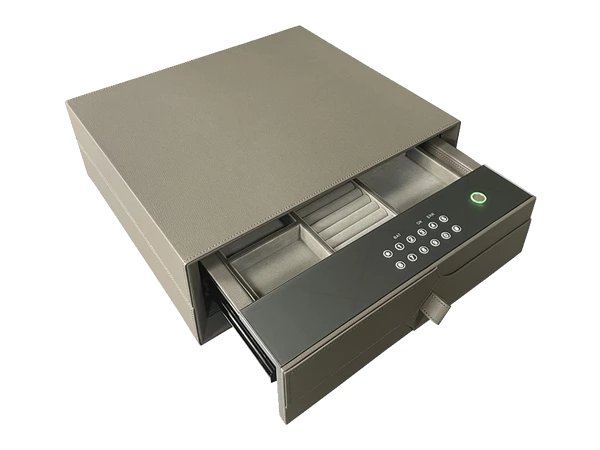
Hidden Shelf Safe vs Hidden Drawer Safe Which Is Better for Daily Valuables
Daily valuables need a storage spot that is easy enough to use every day but discreet enough to stay out of sight. A hidden shelf safe and a hidden drawer safe both solve that problem in different ways: one blends into open wall or room décor, while the other hides inside furniture or cabinetry. The better choice depends on what you store, how often you access it, and how naturally the hiding place fits your home or office routine.
Which hidden safe is better for daily valuables?
For most daily valuables, a hidden drawer safe is usually more convenient, while a hidden shelf safe is often better for concealment in plain sight. If you regularly store watches, wallets, passports, cash envelopes, backup keys, small electronics, or documents you need to grab quickly, a drawer-style design can feel more natural because it sits where you already sort personal items. A secret shelf safe, however, can be harder for an intruder to identify if it looks like an ordinary floating shelf, book ledge, or decorative feature rather than a storage compartment.
The best choice is not simply the most hidden option. It is the option you will actually use every day without leaving valuables on counters, nightstands, entry tables, or desk surfaces. Good hidden storage solutions reduce temptation, improve organization, and add a layer of privacy without making your routine feel complicated.
The real goal is discreet, practical access
A daily-use safe has a different job from a long-term vault. It needs to protect items during normal life: when guests visit, cleaners come by, children explore, contractors enter the home, or you simply want important items in one predictable place. It is not only about stopping a determined burglary attempt; it is also about keeping small valuables from being visible, misplaced, or casually handled.
That is why convenience matters so much. If a storage option is too awkward, too high, too low, or too slow to open, people stop using it. The most effective safe storage options fit into existing habits. For example, if you empty your pockets in the bedroom, a drawer safe near your dresser may work well. If you place everyday carry items near an office or living room entry point, a hidden shelf safe might feel more seamless.
Think of the safe as part of your routine, not a one-time purchase. The better it matches your actual behavior, the more protection it provides.
How a hidden shelf safe works in everyday life
A hidden shelf safe typically disguises a compartment inside or behind a shelf. From the outside, it may look like regular wall-mounted storage, a decorative ledge, or a place for books, framed photos, or small décor. The appeal is simple: the storage is visible as furniture but invisible as a safe.
This can be especially useful in rooms where drawers are limited or where a normal safe would look out of place. A shelf can be installed in a bedroom, office, hallway, closet, or living area without drawing much attention. When styled naturally, it becomes part of the room rather than a security object.
A secret shelf safe is often best for items that are small, flat, or lightly used throughout the week. It may suit spare cash, passports, jewelry pouches, memory drives, documents, keys, or a compact everyday carry kit. Because shelf compartments can vary in depth and load capacity, it is important to match the shelf to what you plan to store rather than assuming every model can handle the same weight or item size.
Strengths of a hidden shelf safe
A hidden shelf safe stands out because it uses misdirection. People expect shelves to hold visible objects, not hide private compartments. If the shelf looks ordinary and is placed logically, it can blend into a room very well.
Key advantages include:
- Strong concealment in plain sight: A shelf can look decorative, especially when styled with normal household items.
- Flexible placement: It can work in rooms without built-in drawers or large furniture.
- Easy reach when installed well: A shelf at chest or shoulder height can be quick to access.
- Less obvious than a traditional safe: It does not immediately signal that valuables are nearby.
- Good for small essentials: It can keep compact valuables grouped and out of sight.
The main benefit is psychological. A well-placed hidden shelf safe does not ask attention to gather around a locked box. It quietly becomes part of the wall.
Limitations to consider
The same features that make shelf safes discreet can also create limits. Wall placement, installation quality, weight capacity, and shelf depth matter. A poorly installed shelf can feel unstable, look unusual, or fail to support what you want to store.
A shelf safe may also be less convenient if you need to access items several times a day. If opening the compartment requires clearing décor, reaching above shoulder height, or using a mechanism that feels fussy, it may become annoying. It is best for people who want a discreet spot they can access regularly, but not necessarily every hour.
How a hidden drawer safe fits into daily routines
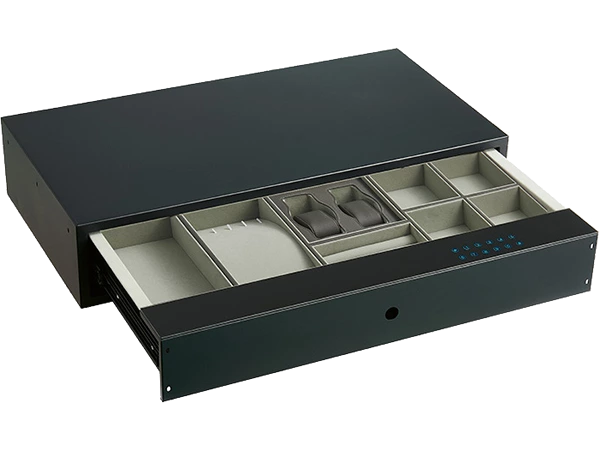
A hidden drawer safe is built into, placed inside, or disguised as part of a drawer. It may sit in a desk, dresser, nightstand, closet cabinet, kitchen drawer, or office storage unit. Because drawers are already associated with personal belongings, this option feels natural for daily use.
For many people, the biggest advantage is habit. You already open drawers to get watches, glasses, keys, chargers, notebooks, documents, or accessories. Adding secure hidden storage to that same motion can make protection feel effortless.
A drawer safe is also easier to access while seated or standing near a workstation. In a home office, it can hold items you need during the day but do not want visible on a desk. In a bedroom, it can protect jewelry, cash, passports, personal documents, or small devices without changing the way the room looks.
Strengths of a hidden drawer safe
A hidden drawer safe shines when convenience is the priority. It is close, familiar, and often easier to organize than a shelf compartment. If you use dividers, pouches, or small trays, it can also keep valuables separated so they do not scratch, tangle, or disappear under clutter.
Important advantages include:
- Fast daily access: It fits the natural action of opening a drawer.
- Better organization: Drawer layouts often make it easier to separate categories of valuables.
- Comfortable placement: It can be installed near where items are already used.
- Discreet appearance: It hides within furniture rather than standing alone.
- Useful for mixed items: It can handle documents, accessories, small tech, cash, and keys in one place.
For anyone who wants storage that supports a morning and evening routine, the hidden drawer safe is often the most practical choice.
Limitations to consider
Drawers are also common search areas. If someone is looking quickly through a bedroom or office, drawers may be among the first places checked. This does not make a drawer safe a bad option, but it does mean concealment quality matters.
A drawer safe should not look like an obvious lockbox sitting in an obvious drawer. The best hidden storage solutions are integrated, disguised, or placed where they do not disrupt the furniture’s normal appearance. You also need to consider drawer strength, available depth, and whether the drawer can still open smoothly after the safe is added.
Daily valuables need the right balance of security and speed
The phrase “daily valuables” is important. These are not items you lock away and forget. They are things you may need often, which means the storage method must be both secure and realistic.
Before choosing between a hidden shelf safe and a hidden drawer safe, list what you actually plan to store. Then group those items by how often you use them.
Useful categories include:
- Everyday access items: Wallets, watches, keys, badges, small electronics, or personal carry items.
- Weekly access items: Cash envelopes, travel documents, backup cards, jewelry, or important paperwork.
- Emergency access items: Spare keys, medical information, copies of key documents, or backup drives.
- Private but low-use items: Sentimental keepsakes, small heirlooms, or personal records.
A drawer safe usually works well for the first two categories because it is quick and easy to reach. A shelf safe can be excellent for weekly, emergency, or private items because it prioritizes concealment while still staying accessible.
Which option is more discreet?
A hidden shelf safe is often more discreet when it is styled naturally and installed in a believable location. Because it appears as a regular shelf, it can hide valuables without guiding attention toward furniture drawers, desks, or bedroom storage. However, a hidden drawer safe can be just as discreet if it is integrated cleanly and not placed in the most obvious drawer in the room.
Discretion depends less on the product name and more on context. A shelf in a room with no other wall décor may stand out. A drawer safe inside the top drawer of a nightstand may be too predictable. The goal is to choose a location that feels ordinary.
Here are practical concealment questions to ask:
- Would this shelf or drawer belong here even if it did not contain valuables?
- Does the safe change the way the furniture looks, moves, or sounds?
- Can I access it without making the hiding place obvious to others?
- Is the location too predictable, such as the top bedroom drawer?
- Will I keep the surrounding area natural and uncluttered?
A hidden safe works best when it disappears into everyday design. If it looks staged, oversized, unusually placed, or too important, it may attract curiosity.
Placement makes or breaks the decision
Placement is where many people make the wrong choice. They buy a safe first, then search for somewhere to put it. A better approach is to identify your daily routine and choose the safe that fits that location.
For a hidden shelf safe, consider wall height, visibility, room traffic, and what will sit on the shelf. The shelf should look useful and ordinary. Avoid placing it where people lean, bump into it, inspect it closely, or need to move items frequently.
For a hidden drawer safe, consider drawer depth, furniture quality, access angle, and whether the drawer is already crowded. A safe inside a messy drawer can become difficult to use. A safe inside a drawer that everyone in the household opens may not offer enough privacy.
Strong placement ideas include:
- A home office area where private documents are already handled.
- A bedroom storage zone used for watches, jewelry, or wallets.
- A closet area where personal accessories are kept.
- A low-traffic hallway shelf that looks decorative.
- A cabinet or drawer that is not part of shared daily household use.
Poor placement usually comes from predictability. If the first place a stranger would look is also where you put your valuables, rethink the plan.
A simple comparison for choosing confidently
If you are comparing safe storage options, think in terms of your top priority rather than searching for a universal winner. Both designs can be useful, but they serve slightly different habits.
Choose a hidden shelf safe if:
- You want strong concealment in a visible but ordinary-looking feature.
- You have limited drawer or cabinet space.
- Your valuables are small, compact, and not overly heavy.
- You prefer a wall-mounted hidden compartment.
- You can install and style the shelf so it blends into the room.
Choose a hidden drawer safe if:
- You want the easiest daily access.
- You already use a specific drawer for personal items.
- You need better organization for several small valuables.
- You prefer seated or waist-level access.
- You want storage that fits a morning, workday, or bedtime routine.
For many households, the best answer may even be both. A drawer safe can hold items used every day, while a secret shelf safe can hold backup documents, spare keys, or lower-frequency valuables. Layered hidden storage solutions can reduce clutter and spread risk without making your home feel like a security showroom.
Security is only part of the value
It is easy to focus only on locks, compartments, and hiding places. But the everyday value of a hidden safe also comes from order. When important items have a defined home, you spend less time searching and reduce the chance of leaving valuables exposed.
A hidden drawer safe can create a personal command center for the things you carry or use often. A hidden shelf safe can create a discreet backup location for important items you want nearby but not visible. Either option can improve privacy during normal household activity.
To get the most from either safe, build a simple routine:
- Put valuables away at the same time each day.
- Keep only appropriate items inside so the safe does not become cluttered.
- Use small pouches or organizers to prevent damage.
- Check the contents monthly and remove anything unnecessary.
- Keep access methods private and consistent.
The safest storage system is one you can maintain. A complicated setup may seem impressive, but a simple one that you use daily is usually more effective.
Common mistakes to avoid
The first mistake is choosing based only on concealment. A clever hiding place is not useful if it is inconvenient. If you need your valuables every morning, make sure access is simple enough that you will not skip it.
The second mistake is placing the safe in an obvious location. Top drawers, bedside tables, and central desk drawers are convenient, but they can also be predictable. If you choose a hidden drawer safe, consider a less obvious drawer or a more integrated design.
The third mistake is overloading the compartment. A hidden shelf safe must be treated like both furniture and storage. A drawer safe must still allow the drawer to open and close smoothly. Always respect the practical limits of the product and the furniture or wall supporting it.
Finally, avoid telling too many people about the hidden compartment. The value of hidden storage depends partly on privacy. Share access only with people who truly need it.
The better choice depends on your routine
There is no single winner for every home, office, or lifestyle. A hidden drawer safe is usually better for daily valuables you touch often because it is fast, familiar, and easy to organize. A hidden shelf safe is often better when you want the storage location to disappear into the room and remain less predictable.
If you are deciding today, start with the items you reach for most. If they belong near your dresser, desk, or closet cabinet, choose the drawer. If they can live in a discreet wall feature that looks natural in the space, choose the shelf. The right safe is the one that protects your valuables without interrupting the way you already live.
FAQ
Q: What is the difference between a hidden shelf safe and a hidden drawer safe?
A: A shelf safe is designed for concealed storage inside shelving structures, while a drawer safe provides easier access for frequently used valuables.
Q: Which safe is better for daily valuables?
A: Hidden drawer safes are often preferred for daily valuables because they provide faster access and better organization.
Q: Can hidden drawer safes be customized?
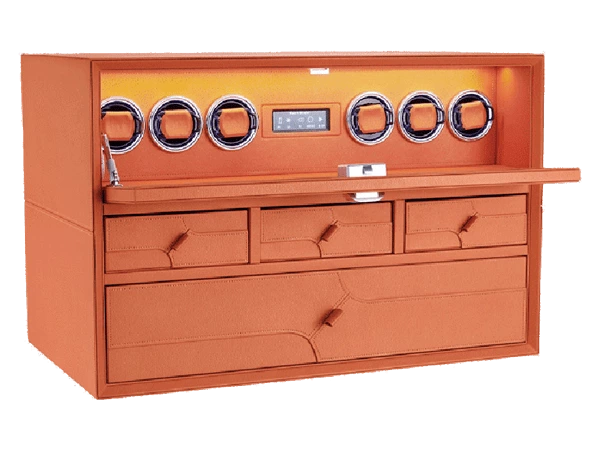
A: Yes. Manufacturers can customize dimensions, finishes, compartments and installation methods.
Q: Are hidden safes suitable for luxury homes?
A: Yes. They are widely used in villas, apartments and premium residential projects.
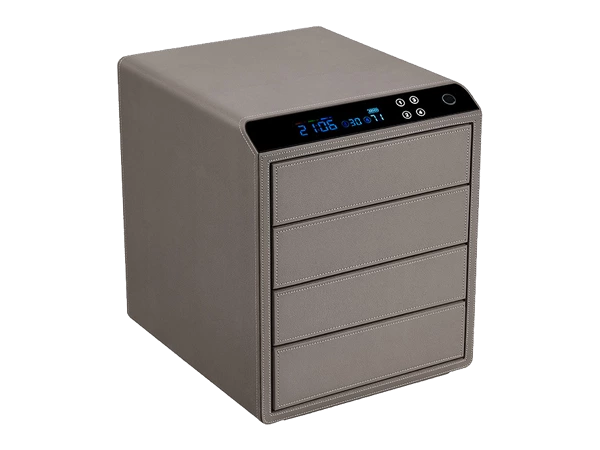
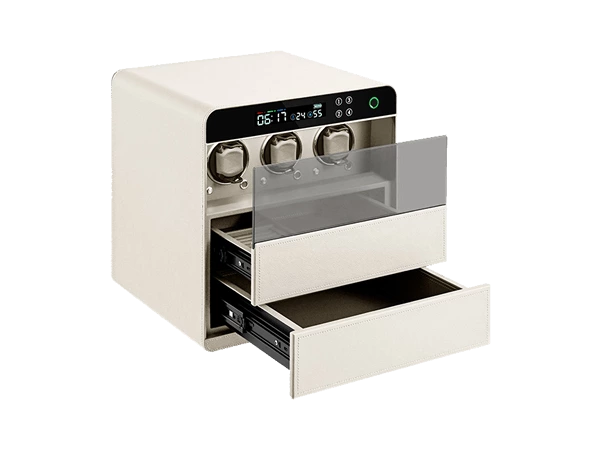
Q: Can hidden safes use fingerprint access?
A: Many modern hidden safes support fingerprint and password access systems.