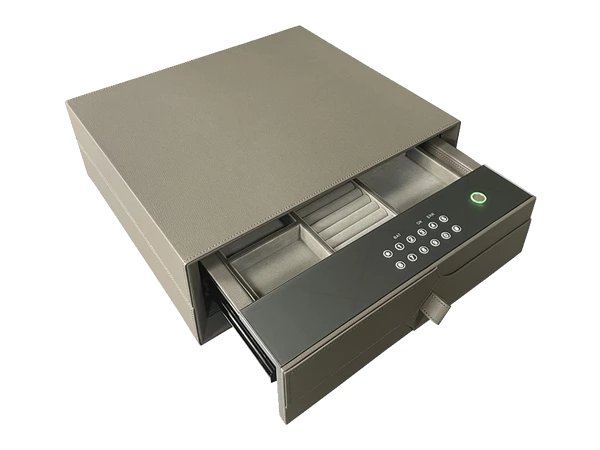
Home Jewelry Safe Ideas for Bedrooms, Closets and Dressing Rooms
A well-planned home jewelry safe gives your rings, watches, heirlooms, and everyday pieces a dedicated place that is organized, discreet, and easier to protect. This page is designed to help you choose a safe location, interior layout, and installation style for bedrooms, closets, and dressing rooms without guessing what will work in your space.
Use these safe storage ideas to compare practical home safe options, think through your daily routine, and create a jewelry storage setup that feels natural to use. The goal is simple: keep valuable pieces accessible to you, harder for others to find, and stored in a way that reduces clutter and preventable damage.
What should a home jewelry safe include?
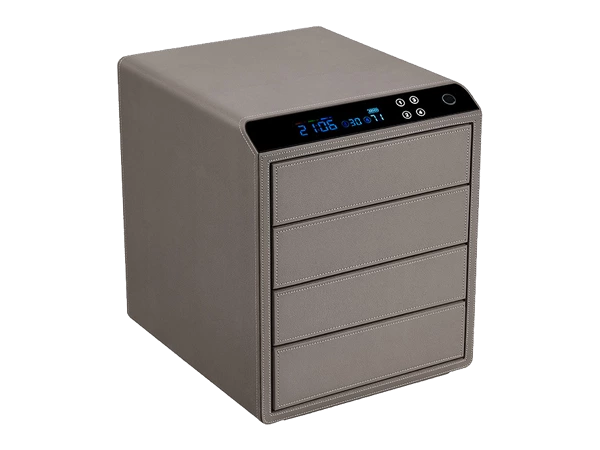
A home jewelry safe should include secure locking, an installation plan, and an interior layout that matches the jewelry you actually own. For most households, the best safe jewelry storage is not just a metal box in a corner; it is a planned system with compartments, trays, watch space, document room, and a location that fits your habits.
If you get dressed in a primary bedroom, the safe should support quick access without being obvious. If your closet or dressing room is where you choose accessories, the safe should feel like part of the room’s organization rather than an afterthought. The right setup protects valuable items while making everyday jewelry organization tips easier to follow.
Designed for bedrooms, closets, and dressing rooms
Bedrooms, walk-in closets, and dressing rooms are natural places for a jewelry safe because they are already part of your personal routine. A safe placed near where you dress makes it easier to return pieces after wearing them instead of leaving them on a nightstand, vanity, or bathroom counter. That one habit can make your collection easier to track and less exposed during daily life.
A bedroom safe may work best when you want private access without creating a full closet redesign. A closet safe can be integrated with shelves, drawers, or cabinetry so it stays convenient but visually quiet. A dressing room safe can support a larger collection, especially if you rotate pieces by outfit, season, or occasion.
Good placement is about balance. A safe should be accessible enough that you will use it consistently, but not so visible that it becomes the first thing someone notices. That balance is one of the most practical home security tips for jewelry owners: security only helps when the storage habit is easy enough to repeat.
Safe storage ideas that fit real routines
The best safe storage ideas begin with how you move through the room. Think about where you remove jewelry at night, where you choose pieces in the morning, and where you keep related items such as travel cases, appraisal documents, watch accessories, or cleaning cloths. A safe that supports those steps is more likely to be used every day.
Consider these location ideas when planning your setup:
- Inside a bedroom closet: Helpful when you want the safe near clothing, shoes, handbags, and accessories.
- Behind custom closet cabinetry: A discreet option when you are already planning built-ins or upgrading storage.
- Near a dressing table or vanity zone: Useful for pieces you wear often, as long as the safe can be placed securely and not treated like ordinary furniture.
- In a walk-in dressing room: Well suited for larger collections, watches, heirlooms, and occasional-use pieces that need organized separation.
- In a secondary private area: Practical if the bedroom layout is too exposed or if you want the safe away from the most obvious storage areas.
A common mistake is choosing a location only because it looks convenient on paper. Before deciding, walk through a normal day and identify the exact moment jewelry leaves your body. If the safe is too far from that moment, pieces may still end up loose in drawers, bags, or trays.
Jewelry storage solutions for every type of collection
Jewelry storage solutions should protect both value and condition. Fine chains can tangle, rings can scratch each other, watches need stable placement, and sentimental pieces can be hard to find if everything is piled together. A safe interior should make each category visible, separated, and easy to return to the same place.
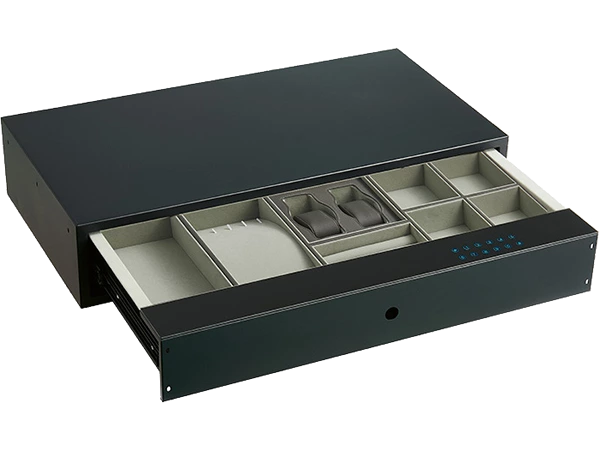
For smaller collections, removable trays and divided drawers may be enough. For larger collections, you may want layered storage that separates everyday items from special-occasion pieces. Watch owners may prefer cushioned compartments, while those with many necklaces may need longer sections that prevent knots and friction.
Useful interior features can include:
- Soft-lined drawers for rings, earrings, bracelets, and delicate pieces.
- Divided trays that keep small items from sliding into one another.
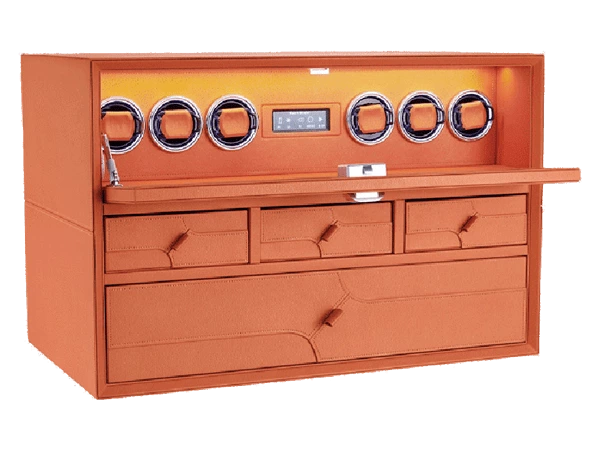
- Open sections for watch rolls, travel pouches, or larger jewelry boxes.
- Space for appraisal documents, receipts, photos, or inventory notes.
- Removable organizers so the layout can change as your collection changes.
- A dedicated area for items you wear weekly so they do not get mixed with rarely used pieces.
This is where organization and security work together. When every piece has a home, you can spot what is missing faster, prepare for travel more easily, and avoid leaving high-value items in predictable places around the room.
Home safe options without overcomplicating the choice
Home safe options vary by size, lock style, interior configuration, and installation method. Because exact needs differ, it is better to choose around your collection and room layout than to buy based on appearance alone. A safe that is too small can become messy quickly, while one that is awkward to access may be ignored.
When comparing options, focus on the decisions that affect daily use:
- Collection size: Count what you own now, then allow extra room for future gifts, purchases, or inherited pieces.
- Access frequency: Everyday jewelry should be easier to reach than items you only wear for formal events.
- Interior layout: Choose drawers, trays, and open areas based on the mix of rings, watches, necklaces, and documents.
- Room placement: Confirm that the safe can be installed where it is convenient, discreet, and appropriate for the structure of the space.
- Lock preference: Select a lock style that fits how you want to access the safe while keeping control of codes, keys, or credentials.
- Installation needs: Decide whether the safe will be placed within furniture, secured in a closet area, or planned into a larger storage project.
Pricing should be confirmed based on the specific safe, interior package, delivery requirements, and installation method. If you are comparing models, ask for a clear quote that separates the safe itself from accessories, customization, and any installation services.
Bedroom safe planning details
A bedroom jewelry safe should feel convenient but not casual. Many people keep jewelry in nightstand drawers because it is easy, but that location is also predictable and usually unorganized. Moving the collection into a safe near the bedroom routine creates a better pattern without forcing a major lifestyle change.
If the safe will be in the bedroom itself, think carefully about sightlines. Can it be seen from a hallway? Is it obvious when the door is open? Will it be blocked by furniture, laundry baskets, or seasonal storage? These details influence whether the safe feels useful after the first week.
For a bedroom setup, a compact safe with smart interior organization may be more practical than a large unit that dominates the room. Keep everyday pieces in the easiest-access tray, reserve another drawer for special occasions, and store documents separately inside a labeled pouch or folder.
Closet and dressing room layouts that stay discreet
Closets and dressing rooms can support more elegant safe jewelry storage because the safe can be planned alongside wardrobe storage. Instead of adding another object to the room, you can place the safe where it supports the flow of getting dressed. That creates a cleaner look and a more reliable storage habit.
In a closet, consider whether the safe belongs near accessory drawers, handbag shelves, or a mirror. In a dressing room, think about zones: clothing selection, jewelry selection, final check, and return storage. The best position is usually close enough to the action to be used, but not placed where guests, contractors, or casual visitors would immediately notice it.
Helpful planning ideas include:
- Keep the safe away from areas that are frequently left open or visible.
- Allow enough clearance for the door, drawers, and trays to open fully.
- Avoid placing the safe behind items you must move every time.
- Plan lighting nearby so you can identify pieces without pulling everything out.
- Store travel jewelry cases close to the safe so packing and unpacking stay controlled.
These jewelry organization tips are simple, but they make the safe part of the room rather than a separate chore.
Security-minded habits that support the safe
A jewelry safe is strongest when paired with consistent habits. Even a well-chosen safe cannot help if valuable pieces are left on bathroom counters, in handbags, or in open trays for days. The most effective home security tips are often the ones that reduce exposure during ordinary routines.
Create a short end-of-day ritual: remove jewelry, wipe pieces if needed, return them to the correct compartment, and close the safe fully. When traveling, avoid leaving empty boxes or obvious storage clues in plain sight. Keep an updated inventory with photos and basic notes, and store related documents in a separate section or secure digital location.
If multiple people in the household need access, decide who is responsible for codes, keys, or combinations before the safe is installed. Avoid sharing access casually. A simple access plan prevents confusion and helps keep the safe from becoming a shared junk drawer.
A more organized way to protect what matters
The right home jewelry safe should make your bedroom, closet, or dressing room feel calmer as well as more secure. It gives valuable pieces a dedicated place, supports better daily habits, and keeps your collection easier to see, select, and return. Instead of relying on scattered boxes and hidden drawers, you get a storage plan built around real use.
Start by reviewing your collection, choosing the room where you naturally handle jewelry, and identifying the interior layout you need most. Then compare home safe options based on size, placement, lock preference, and installation requirements. When you are ready, request a quote or consultation for a jewelry safe setup that fits your space, your routine, and the pieces you want to protect.
FAQ
Q: Where should a home jewelry safe be installed?
A: Common locations include bedrooms, walk-in closets, dressing rooms and private collection areas.
Q: Can jewelry safes be customized?
A: Yes. Manufacturers can customize size, internal compartments, finishes, colors and access systems.
Q: Are fingerprint jewelry safes suitable for luxury homes?
A: Fingerprint access provides convenient and controlled entry for private residential environments.
Q: Can jewelry safes store watches?
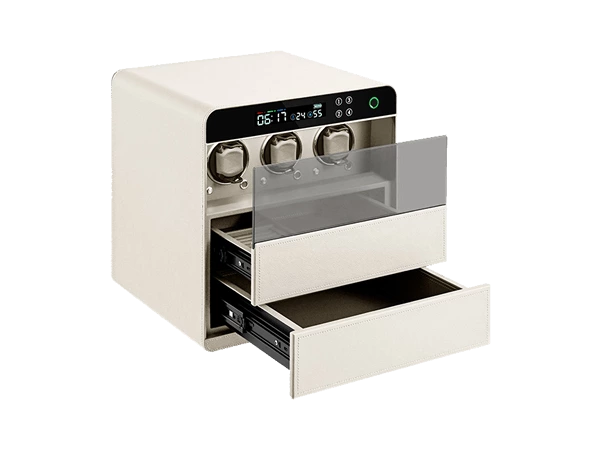
A: Many designs can include watch compartments or integrate with watch storage systems.
Q: What makes a jewelry safe suitable for luxury interiors?
A: Premium materials, hidden installation, customized layouts and smart security functions help the product match luxury environments.