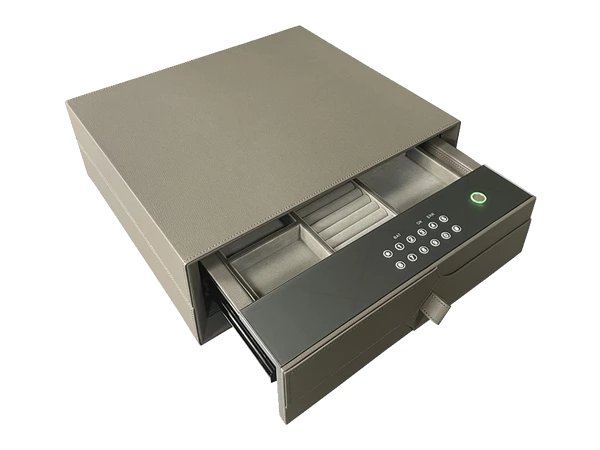
Home Jewelry Safe vs Regular Safe: Which Is Better for Daily Jewelry Storage
A home jewelry safe is a purpose-built secure storage solution for rings, watches, necklaces, heirlooms, documents, and other pieces you want protected yet easy to access. A regular safe can hold valuables, but a jewelry safe for home is designed around daily use: organized drawers, softer interiors, practical compartments, and a more refined experience every time you choose or return a piece.
Which is better for daily jewelry storage?
For most households, a dedicated jewelry safe is better for daily jewelry storage because it combines protection with organization. A regular safe may be useful for documents, cash, backup drives, or mixed valuables, but jewelry often needs divided space, scratch-conscious materials, and a layout that makes pieces easy to see without digging through a metal box.
If you wear jewelry often, the right safe for jewelry at home should feel like a secure extension of your dressing routine. Instead of leaving favorite pieces in drawers, trays, handbags, or bathroom counters, you can keep them in one protected place and still reach them quickly. That balance is what separates secure jewelry storage from ordinary storage.
Designed for jewelry, not just storage
A regular safe is usually built around one core promise: keep items locked away. That can be enough for items you rarely touch, but daily jewelry storage asks for more. Necklaces tangle, gemstones can scratch, watches need space, and small earrings disappear easily when everything sits loose in one compartment.
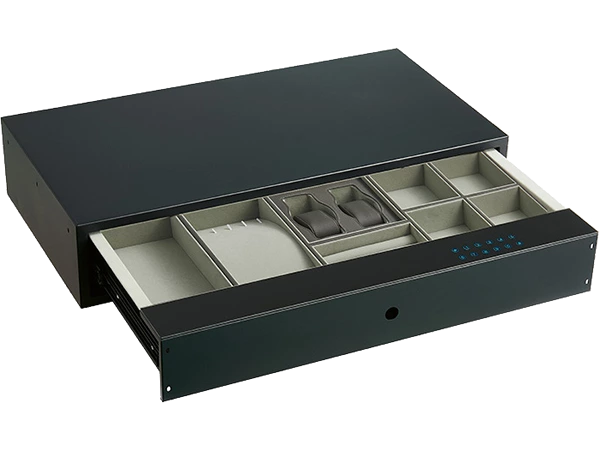
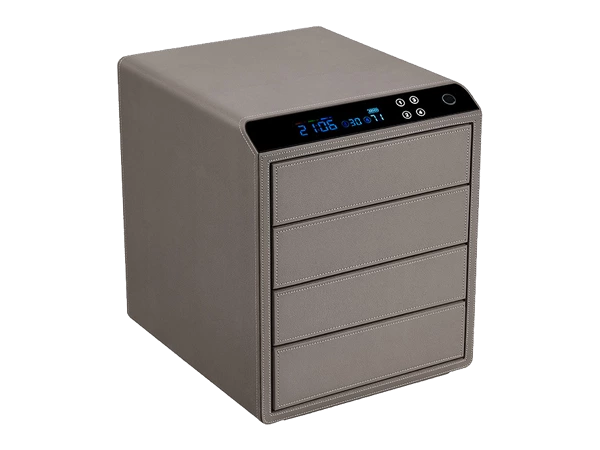
A home jewelry safe with drawers helps solve those everyday frustrations. Instead of stacking boxes or pouches inside a general safe, you can separate pieces by type, occasion, or owner. The result is a calmer routine and fewer moments spent searching for the one item you meant to wear.
Helpful jewelry-focused features may include:
- Lined drawers that help reduce contact between delicate pieces and hard safe surfaces
- Ring rolls for keeping bands and engagement rings visible and separated
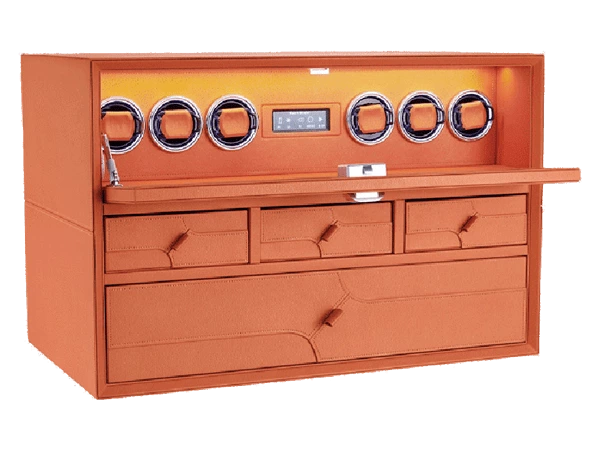
- Watch compartments for everyday watches, dress watches, or inherited pieces
- Necklace areas or divided sections that reduce tangling
- Small compartments for earrings, pins, charms, cufflinks, and pendants
- Space for certificates, receipts, appraisal documents, or insurance photos
- Interior layouts that make it easier to spot if something is missing
These details may seem small until you use the safe every day. A safe that protects jewelry but makes it inconvenient to access can push you back into old habits, such as leaving pieces on a dresser “just for tonight.” The best jewelry storage solutions make the secure choice the easy choice.
Everyday security with a more practical routine
Home security safes are often purchased after someone realizes their valuables are scattered across the house. A chain in one drawer, earrings in a travel case, watches in a closet, and heirlooms in a box can be hard to manage and harder to protect. A jewelry safe box for home gives those items a defined place, which supports both security and daily organization.
For example, imagine getting ready for work in the morning. With a regular safe, you may open one heavy compartment, move a document envelope, check a small pouch, then search for the earrings you wanted. With a jewelry safe, you open the drawer assigned to earrings, choose the pair, close the safe, and continue with your day.
That difference matters because security only works when it fits your habits. If the safe is too awkward, too crowded, or too disorganized, people stop using it consistently. A dedicated safe for valuables should protect the items inside while making your routine more reliable.
A regular safe still has a place
A regular safe is not the wrong choice for every household. If you only need to store a few rarely used pieces, or if your main concern is documents and emergency items, a general-purpose safe may be enough. It can also be useful as a secondary secure location for passports, deeds, spare keys, storage drives, and other non-jewelry items.
The limitation is that a regular safe does not usually solve the specific problems of jewelry storage. It may protect pieces from casual access, but it may not protect them from rubbing, tangling, clutter, or being overlooked. If you plan to open the safe frequently, those daily details become part of the buying decision.
Choose a regular safe when:
- Your jewelry collection is small and stored in individual cases
- You open the safe only occasionally
- You need one shared space for documents, cash, and mixed valuables
- You already have separate jewelry organizers that fit inside the safe
- You are prioritizing basic locked storage over display, access, and separation
Choose a jewelry safe for home when:
- You wear jewelry often and want faster access
- You own rings, watches, necklaces, or earrings that need separated storage
- You want one secure place for jewelry and related documents
- You dislike cluttered pouches, boxes, or dresser trays
- You want a storage solution that supports a daily dressing routine
Product features that support secure jewelry storage
A quality home jewelry safe should do more than look elegant. It should bring together physical protection, thoughtful interior design, and a level of access that matches how you live. Because ratings, lock types, and installation requirements vary by model, the best choice is the one that fits your collection, room layout, and risk concerns.
Look for features such as:
- A secure locking system: Electronic, mechanical, or biometric options may be available depending on the model. Choose a lock style you will use confidently and consistently.
- A jewelry-friendly interior: Soft lining, fitted drawers, and compartments help keep pieces organized and easier to handle.
- Appropriate safe capacity: Select enough room for the collection you have now, plus realistic future additions.
- Anchoring or installation options: A safe that can be installed or secured properly is often more practical than one that simply sits loose in a closet.
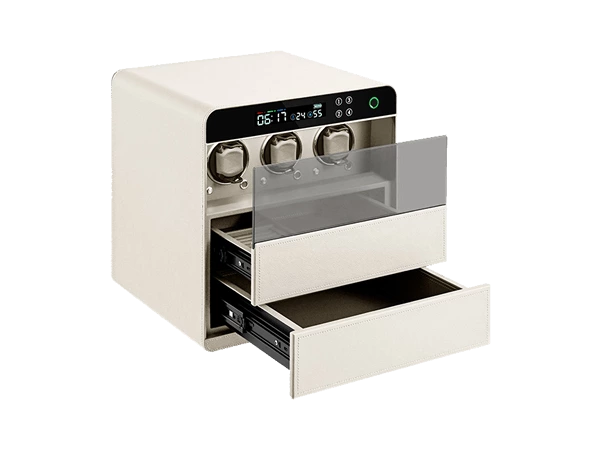
- Interior visibility: Drawers, shelves, and lighting options can help you find pieces without emptying the safe.
- Document space: Jewelry appraisals, receipts, photographs, and warranty cards are easier to manage when stored near the items they describe.
- Finish and placement flexibility: A safe used daily should fit naturally in a bedroom, dressing area, closet, or private office.
These features turn a secure box into a complete jewelry storage system. The goal is not just to hide jewelry away. It is to create a dependable place where valuable and sentimental pieces are protected, organized, and ready when you need them.
Sizing and specifications to consider
Before buying a jewelry safe box for home, take a realistic look at what you plan to store. Count the pieces you wear weekly, the pieces you keep for special occasions, and the items you rarely touch but would be upset to lose. Include watches, inherited jewelry, loose gemstones, important receipts, and appraisal paperwork.
Use this checklist when comparing secure storage solutions:
- Number of rings, earrings, bracelets, necklaces, and watches
- Need for shallow drawers versus deeper compartments
- Space for original boxes or protective cases
- Room for paperwork, photos, and certificates
- Preferred access method, such as keypad, dial, key, or biometric lock when available
- Desired placement, such as closet, bedroom, dressing room, or built-in cabinetry
- Installation needs, including floor, wall, or cabinet anchoring when suitable
- Fire or burglary protection ratings, if offered by the model
- Interior finish, drawer layout, and ease of cleaning
Avoid choosing only for the collection you own today if you expect it to grow. A safe that is too small can become cluttered quickly, while a safe that is thoughtfully sized gives each piece a proper place. If you are between sizes, choose based on the items that are hardest to store well, such as watches, statement necklaces, or boxed heirlooms.
Pricing depends on size, lock type, and configuration
Pricing for a home jewelry safe can vary widely because the product is shaped by construction, interior layout, lock technology, finishes, and installation needs. A compact safe with basic compartments will usually sit in a different category than a larger model with multiple drawers, upgraded interiors, and more advanced access options. Without a specific model and configuration, the most useful way to think about price is by matching features to the value of what you want to protect.
When comparing options, do not evaluate cost only by the outside dimensions. A slightly larger safe with a better drawer layout may be more useful than a cheaper model that turns into a cluttered storage bin. Likewise, a more refined interior can help you use the safe every day, which makes the purchase more practical over time.
A smart buying process looks like this:
- List the jewelry and valuables you actually need to store.
- Decide whether daily access or occasional storage is the main use.
- Choose the drawer and compartment layout before focusing on exterior style.
- Review lock options and installation requirements.
- Compare models by usable interior organization, not just overall size.
- Select the safe that protects your routine as well as your valuables.
Built for the way you use your collection
The right safe for valuables should match real life. If you wear the same watch every weekday, keep special earrings for events, and store inherited pieces separately, your safe should support those categories. A home jewelry safe with drawers lets you build a system that mirrors how you already think about your collection.
You might keep daily pieces in the top drawer, occasion pieces below, watches in their own section, and documents in a protected folder. That simple arrangement can make mornings smoother and make it easier to return items at night. Over time, the habit becomes natural: wear, return, lock, and move on.
This is also where dedicated jewelry storage solutions can help households with more than one jewelry owner. Separate drawers or compartments reduce confusion and make shared storage more respectful. Everyone knows where their pieces belong, and the safe remains organized instead of becoming a catch-all.
Choose a jewelry safe that protects access and peace of mind
A regular safe can store jewelry, but a purpose-built jewelry safe for home is usually the stronger choice when you want daily access, better organization, and a more careful interior. It brings together the protective purpose of home security safes with the practical details jewelry owners actually use.
If your pieces are valuable, sentimental, frequently worn, or hard to replace, choose secure jewelry storage that makes protection part of your everyday routine. Compare drawer layouts, lock options, interior capacity, and installation needs, then select the jewelry safe box for home that fits both your collection and your space.
Ready to create a more secure place for your rings, watches, necklaces, and heirlooms? Explore jewelry safe options, choose the configuration that matches your routine, and move your most important pieces out of drawers and into a safer, more organized home.
FAQ
Q: What is the difference between a jewelry safe and a regular safe?
A: A jewelry safe includes specialized organization features such as compartments, soft interiors and collection-focused designs.
Q: Is a jewelry safe better for daily use?
A: Yes. Jewelry safes are designed for frequent access while maintaining protection.
Q: Can a jewelry safe be installed inside a wardrobe?
A: Yes. Many luxury projects use hidden wardrobe or closet integration.
Q: Can manufacturers customize jewelry safes?
A: Yes. Size, materials, interior layout and access systems can be customized.
Q: Are fingerprint jewelry safes suitable for homes?
A: Fingerprint systems provide convenient access control for private residential environments.