Safe for Jewelry: What Features Matter Most for High Value Collections
A dedicated jewelry safe gives high-value pieces a secure, organized place inside the home instead of leaving them in drawers, closets, travel cases, or standard lockboxes. The right safe for jewelry at home should protect against theft, reduce daily handling damage, and make it easy to find the exact piece you want without exposing the rest of your collection. If you are choosing a jewelry safe for home use, focus on construction, lock quality, interior layout, installation options, and habits that support safe jewelry storage every day.
What features matter most in a safe for jewelry at home?
The most important features are strong burglary resistance, a reliable locking system, a practical interior, secure installation, and protection suited to the way you actually use your jewelry. A beautiful safe that is too small, inconvenient, or poorly placed will not solve the real problem: keeping valuable pieces protected while still making them accessible for regular wear.
For a high-value collection, look beyond the word “safe” and evaluate how the product works in a real home. A good jewelry safe box for home should help you separate everyday pieces from heirlooms, protect delicate items from scratches, and discourage quick removal by anyone who should not have access.
Key features to prioritize include:
- Heavy-duty body construction that resists prying, cutting, and forced entry better than a lightweight lockbox.
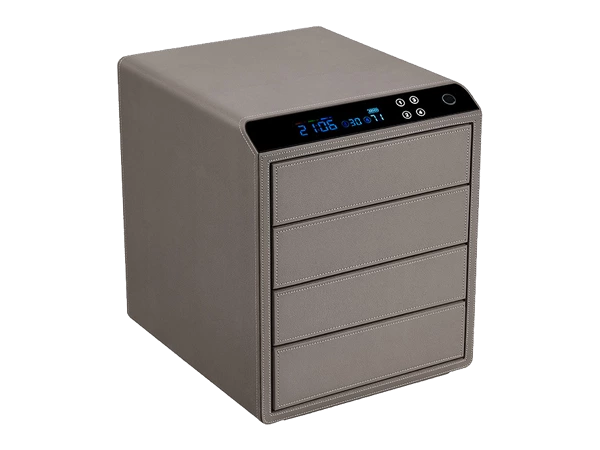
- A dependable lock such as a high-quality electronic keypad, mechanical dial, biometric access system, or dual-control option.
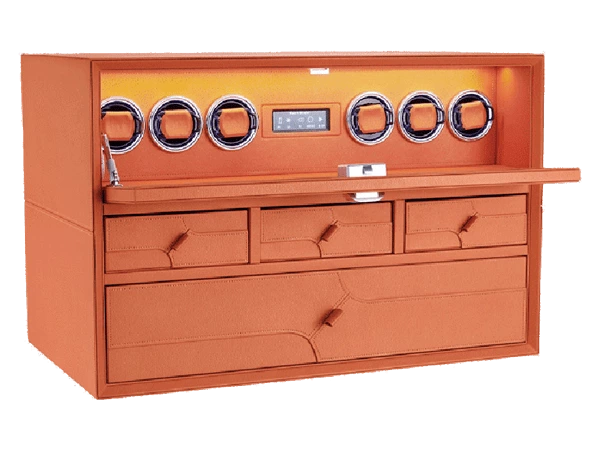
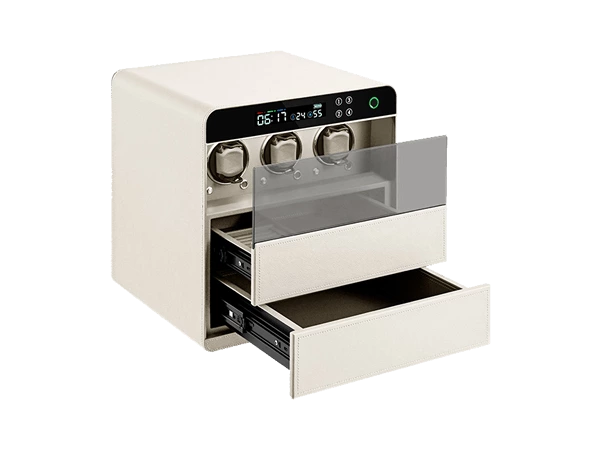
- Interior organization with drawers, necklace hooks, ring rolls, watch storage, and soft lining where available.
- Anchoring capability so the safe can be secured to a floor, wall, cabinet structure, or another suitable location.
- Appropriate capacity for the collection you own now, with extra room for future acquisitions.
- Fire and water considerations based on where the safe will be installed and what documents or keepsakes may be stored with the jewelry.
Built for collections that deserve more than a drawer
A dresser drawer may feel convenient, but it offers little protection and often creates avoidable risk. Rings can rub against bracelets, chains can tangle, watches can be misplaced, and valuable items can be found quickly by anyone who knows where to look. A purpose-built jewelry safe turns scattered storage into a controlled system.
This type of safe is especially useful if your collection includes engagement rings, fine watches, gold pieces, inherited jewelry, loose gemstones, designer items, or sentimental pieces that cannot easily be replaced. It is not only about the market value of the collection. It is also about protecting the pieces you would be devastated to lose.
A safe jewelry storage setup can also simplify your routine. Instead of hiding pieces in multiple “secret” places, you create one secure location with a logical layout. Everyday items can sit in the front or top drawer, while heirlooms, seasonal pieces, and rarely worn valuables can be stored deeper inside.
Security features that support real protection
Security starts with the structure of the safe. A jewelry safe for home should feel substantial, close cleanly, and include a door design that resists basic attacks. While no safe can promise absolute protection in every situation, stronger construction and proper installation make unauthorized access much harder.
When comparing options, pay close attention to how the safe locks and how it stays in place. A small portable box may keep items out of sight, but it can be carried away if it is not anchored. A better home setup considers both access control and removal resistance.
Security details worth reviewing:
- Door thickness and frame strength: These affect how well the safe resists prying around the opening.
- Locking bolts: Multiple bolts or a strong bolt system help secure the door when locked.
- Relocker or anti-tamper features: Some safes include mechanisms designed to complicate forced entry attempts.
- Lock access method: Choose a lock style that fits your comfort level, from keypad convenience to mechanical simplicity.
- Override and backup access: Understand how the safe can be opened if batteries fail or a code is forgotten.
- Anchoring points: A safe that can be bolted down provides a stronger defense than one that simply sits inside furniture.
For many homes, the best result comes from pairing a strong safe with a discreet installation location. The safe does not need to be difficult for you to reach, but it should not be obvious to visitors, service providers, or anyone passing through the room.
Interior design protects the pieces, not just the collection
Jewelry security is not only about theft prevention. It is also about preventing scratches, bends, knots, pressure marks, and avoidable wear. A safe with a bare metal interior may lock securely, but it is not ideal for delicate pieces unless you add protective inserts.
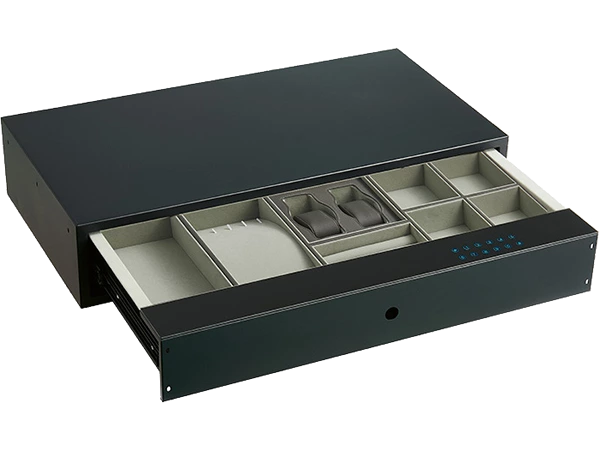
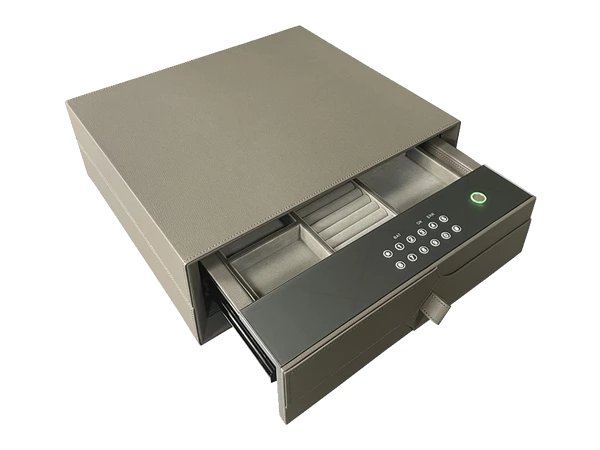
Look for an interior that matches the types of jewelry you own. Ring rolls help keep rings upright and separate. Flat drawers work well for bracelets, brooches, and pendants. Necklace hooks reduce tangling. Watch cushions support timepieces better than stacking them together in a pouch.
A drawer safe for jewelry can be a good fit when you want compact, organized storage inside a closet, cabinet, or furniture setting. The important point is that “drawer” should not mean unsecured. If the safe is designed for drawer-style access, confirm how it locks, how it anchors, and whether the installation location can support its weight and use.
Useful interior features may include:
- Soft lining to reduce surface abrasion.
- Removable trays for sorting by occasion, metal type, or owner.
- Divided compartments for earrings, cufflinks, charms, and small pendants.
- Necklace storage that prevents chains from knotting.
- Watch sections that avoid pressure on crowns, bands, and crystals.
- Space for appraisals, receipts, photographs, or inventory notes if you store documentation nearby.
Placement and installation make the safe harder to defeat
A safe performs best when it is installed with intention. Before buying, decide where it will go, who will use it, and how often it needs to be opened. A safe hidden so well that it becomes inconvenient may lead to old habits, such as leaving jewelry on a nightstand “just for tonight.”
For most households, the ideal location balances privacy, accessibility, and structural support. Closets, dressing areas, built-in cabinetry, and private bedroom spaces are common considerations. However, the final choice should account for floor strength, anchoring options, humidity, visibility, and whether the safe can be delivered and positioned without difficulty.
Before installation, consider:
- Whether the location allows proper anchoring.
- Whether the safe door or drawers can open fully.
- Whether the area is discreet but still convenient for daily use.
- Whether moisture, heat, or direct sunlight could affect jewelry or stored documents.
- Whether the safe can be moved into place safely based on its size and weight.
- Whether household members who need access can use the lock confidently.
If you are storing high-value jewelry, professional installation may be worth considering. Proper anchoring and placement can make a major practical difference, especially compared with simply setting a safe on a shelf or inside an unlocked cabinet.
Safe jewelry storage starts with better daily habits
The safe is the foundation, but your routine completes the protection plan. Many losses happen when pieces are removed from secure storage and left in predictable or exposed places. A strong safe for jewelry at home works best when everyone with access follows simple, consistent rules.
Use these jewelry safety tips to make the safe part of your daily rhythm:
- Return pieces immediately after wear. Avoid temporary spots like bathroom counters, kitchen trays, bedside tables, and handbags.
- Keep an updated inventory. Photograph important pieces and store appraisals, receipts, or descriptions in a separate secure location or protected digital file.
- Separate delicate items. Do not let diamonds, hard gemstones, chains, and soft metals rub together unnecessarily.
- Limit access. Share codes, keys, or biometric access only with people who truly need it.
- Review insurance needs. If your collection has significant value, confirm whether your policy requires appraisals, scheduled coverage, or specific storage practices.
- Check the lock and batteries. If the safe uses electronics, maintain it before low power becomes a problem.
- Avoid obvious hiding places. A safe should be secured and discreet, not simply tucked into the first drawer someone would search.
These habits turn a purchase into a system. The result is a collection that is easier to enjoy and less likely to be misplaced, damaged, or exposed.
Pricing and model guidance for the right fit
The right jewelry safe box for home depends on the size of the collection, desired lock type, interior configuration, installation needs, and security level. Because those details vary widely, the best approach is to choose the model category first, then confirm current pricing for the exact size and features you need.
Smaller safes may suit a focused collection of rings, watches, and a few heirloom pieces. Larger jewelry safes are better for collectors who need multiple drawers, watch storage, necklace space, or room for documentation. If the safe will hold both jewelry and important papers, confirm that the interior layout supports both without crowding the jewelry.
When evaluating price, think in terms of risk, convenience, and longevity. A safe that is too small today may need replacing soon. A safe with the wrong interior may protect against theft while still allowing preventable scratches and tangles. A model that cannot be anchored properly may not provide the level of security you expected.
Specifications to confirm before you buy
Before choosing a jewelry safe for home, verify the practical details that affect installation and everyday use. These specifications help prevent the most common buying mistakes: ordering a safe that is too small, too heavy for the intended location, too difficult to access, or not organized for the actual collection.
Confirm the following before purchase:
- Exterior dimensions and whether the safe will fit through doorways, halls, stairs, and the final installation space.
- Interior dimensions and the usable drawer or shelf layout.
- Weight and any delivery or placement requirements.
- Lock type, backup access method, and battery requirements if applicable.
- Anchoring options and compatible installation surfaces.
- Interior lining, tray materials, and whether inserts are removable or adjustable.
- Fire or water protection details, if those features are important to your storage plan.
- Warranty, service support, and replacement process for keys, parts, or lock issues.
This checklist is especially important if you are replacing improvised storage. Measure the jewelry you own, not just the empty space where the safe will sit. Watches, statement necklaces, wide cuffs, and boxed heirlooms can require more room than expected.
Choose secure storage that fits the way you live
A safe should make protection easier, not more complicated. The best safe jewelry storage solution is one you will use consistently because it fits your room, routine, collection, and comfort level. When the lock is reliable, the interior is organized, and the installation is secure, your valuables are no longer scattered across drawers and hiding places.
If you are ready to upgrade from ordinary storage, choose a jewelry safe box for home that matches the value and meaning of what you own. Review your collection, decide how much room you need, confirm the installation location, and select the features that support both security and daily use. Then take the next step: request current pricing, compare available configurations, and choose the safe that gives your jewelry a proper place to stay protected.
FAQ
Q: What is the most important feature of a jewelry safe?
A: Security access, organized compartments and interior protection are the most important features.
Q: Are fingerprint jewelry safes suitable for luxury homes?
A: Yes. Fingerprint access provides convenient and secure personal entry.
Q: Can jewelry safes be customized for walk-in closets?
A: Yes. Manufacturers can customize dimensions, layouts and finishes.
Q: What materials are used inside jewelry safes?
A: Premium models often use soft fabrics or leather-style materials to protect valuables.
Q: Can a jewelry safe store watches?
A: Yes. Many designs include dedicated watch compartments or watch storage modules.