How Should You Store Watches in a Safe Layout Humidity and Winding Tips
A safe can protect a watch collection from theft, impact, dust, and unnecessary handling, but the inside layout matters just as much as the lock on the door. Good watch safe storage keeps each piece separated, supported, dry, and easy to access without rubbing bracelets, crowns, crystals, or bezels against hard surfaces. This guide explains how to store watches in a safe with practical layout, humidity, winding, and organization habits that support long-term watch care.
How should you store watches in a safe?
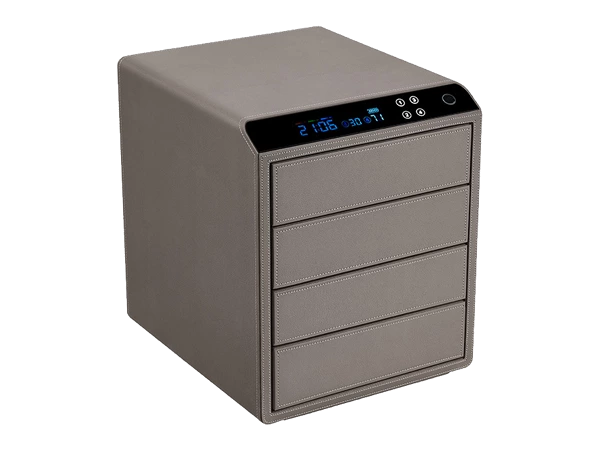
Store watches in a safe by giving each watch its own cushioned space, controlling humidity, avoiding direct metal-on-metal contact, and separating daily wear pieces from long-term storage pieces. Automatic watches can be stored either stopped or on a suitable winder, depending on how often you wear them and whether the movement has calendar complications. The goal is simple: protect the watch from theft while also preventing scratches, moisture damage, magnetization risks, strap deformation, and needless winding stress.A safe is not automatically a perfect watch box. Many safes are designed for documents, jewelry, cash, or firearms, not delicate mechanical objects. That means you may need trays, pillows, dividers, liners, silica gel, and a thoughtful access plan to turn a basic safe into a dependable watch safe organizer.

Start with the right safe layout
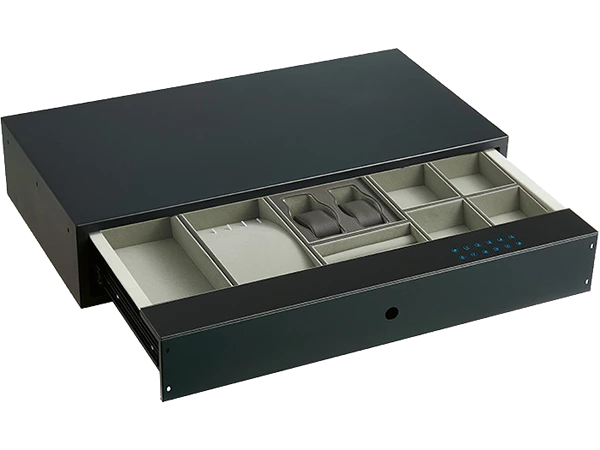
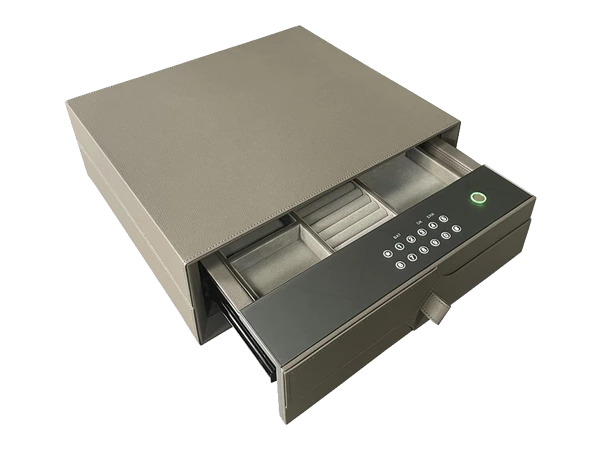
The best layout makes every watch visible, reachable, and protected. If you need to move three watches to reach the fourth, you will eventually bump cases, drag bracelets, or skip proper storage when you are in a hurry. A clear layout also helps you track what you own, what needs service, and what you actually wear.For most collectors, a drawer-style layout works better than stacking boxes. Pull-out trays give you a top-down view and reduce handling. If your safe has shelves instead of drawers, use shallow watch trays or modular inserts so every watch has a defined position.
Practical layout principles
- Give every watch its own compartment. Crowns, clasps, and bracelets can scratch neighboring cases if watches share open space.
- Keep heavier watches low. Large steel sports watches and precious-metal pieces are more secure on lower shelves or drawers.
- Place frequent wears near the front. Daily or weekly watches should be easy to remove without disturbing stored pieces.
- Separate by strap type. Bracelets, leather, rubber, and fabric straps age differently and may need different spacing.
- Leave room for fingers. Tight slots look efficient but make it harder to lift a watch without touching the crystal or bezel.
- Use soft, non-abrasive surfaces. Felt, microfiber, suede-style liners, and padded cushions are better than bare metal or hard plastic.
A good watch collection storage system should feel calm, not crowded. If the safe is becoming overfilled, add another tray, rotate less-worn watches into their original boxes, or consider a larger safe before compression causes avoidable damage.
Choose cushions, trays, and inserts carefully
Watch storage solutions should support the watch without straining the bracelet or strap. Cushions that are too large can stretch leather, flatten curved rubber, or hold a bracelet under constant tension. Cushions that are too small let the watch slide, which defeats the purpose of a protected compartment.For bracelets, choose pillows that allow the clasp to close naturally without forcing the bracelet into a tight oval. For leather straps, avoid wrapping them aggressively around thick cushions, especially if the strap is new, vintage, exotic, or already creased. If needed, store leather watches flat or loosely curved so the strap keeps a natural shape.
Materials to prefer and avoid
Soft fabric-lined trays are usually a safe choice for most collections. Microfiber, velvet-style, suede-style, and smooth felt linings reduce abrasion and help watches stay in place. Removable dividers are useful because case sizes vary; a 34 mm dress watch and a 44 mm diver should not be forced into identical spaces.Avoid rough foam, exposed wood edges, adhesive surfaces, and cheap materials that shed fibers or hold odors. If a liner smells strongly of glue, plastic, or chemicals, air it out before placing watches inside. When in doubt, use a clean microfiber cloth between the watch and the surface.
Humidity control is non-negotiable
Humidity is one of the most important watch care tips for safe storage because a safe can trap moisture as easily as it traps valuables. Mechanical movements, dials, hands, straps, and gaskets all benefit from a stable environment. Too much moisture can encourage corrosion, dial spotting, mildew on leather, and fogging if seals are compromised.A dry, stable interior is better than a sealed space that swings between damp and dry. Place a small hygrometer inside the safe so you can see what is happening rather than guessing. Then use rechargeable silica gel, desiccant canisters, or another safe-compatible moisture control product to keep conditions steady.
A simple humidity checklist
- Put a compact hygrometer inside the safe and check it regularly.
- Use desiccant packs or canisters sized for the safe’s interior volume.
- Recharge or replace desiccant according to the product instructions.
- Do not store damp straps, recently rinsed dive watches, or wet microfiber cloths in the safe.
- Let watches dry fully after cleaning before closing them away.
- Keep leather straps away from very dry heat, which can make them brittle.
The exact humidity target can vary by environment and storage setup, so avoid obsessing over a single number. What matters most is preventing dampness, condensation, and dramatic swings. If the safe is in a basement, garage, coastal home, or humid climate, monitor conditions more often.

Should automatic watches be kept on a winder?
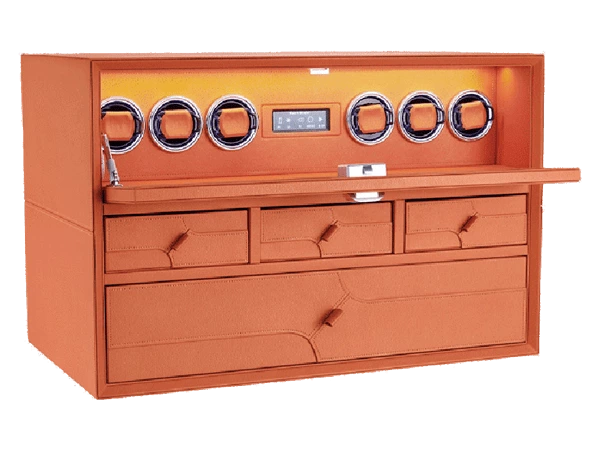
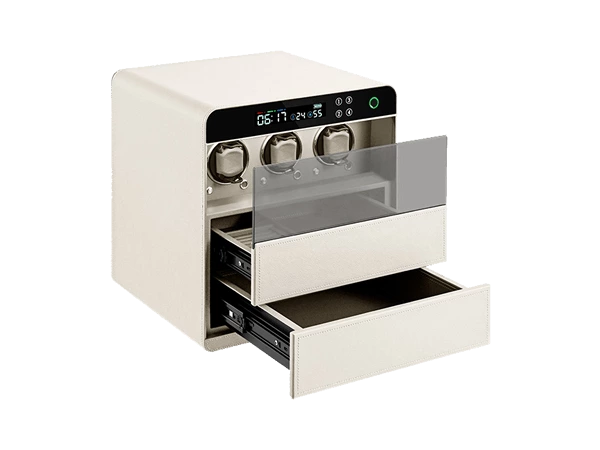
Automatic watch storage does not always require a winder. A watch winder is useful if you wear several automatic watches in rotation, own complicated calendar watches that are annoying to reset, or want a ready-to-wear piece at all times. If a watch sits unworn for long periods, letting it stop is usually acceptable, provided it is stored safely and handled correctly when restarted.The main benefit of a winder is convenience. It keeps the mainspring charged and can preserve the date, moonphase, annual calendar, or perpetual calendar setting. The tradeoff is that the movement continues to run, which means the components experience ongoing use rather than resting.
When a winder makes sense
A winder may be practical for watches with calendar functions, collectors who rotate pieces every few days, or anyone who dislikes resetting time and date. It can also be helpful if a crown is small, delicate, or screw-down and you want to reduce repeated handling.If you use a winder, choose one with adjustable turns per day and direction settings. Do not assume the highest setting is best. Excessive winding cycles are unnecessary, and different movements have different winding needs.
When storage without winding is fine
If you wear a watch only occasionally, storing it stopped can be simple and safe. Before wearing it again, wind it gently according to the watch’s design, set the time carefully, and avoid changing the date during the movement’s restricted date-change period if the watch has one. If you are unsure about that window, consult the manual or a watchmaker.Manual-wind watches should not be forced past resistance. Quartz watches have different storage needs; if one will sit for a long time, battery leakage is a bigger concern than winding, so consider removing or replacing an aging battery through a qualified professional.
Organize the safe by how you actually wear watches
Beautiful watch display ideas are useful only if they support real habits. A safe interior can look impressive and still be frustrating if it hides the pieces you use most. The strongest system is based on wear frequency, watch type, and care needs.Create zones inside the safe. One zone can hold daily wear watches, another can hold formal or occasional pieces, and another can hold straps, spring bars, warranty cards, or small tools if you store accessories in the same safe. Keep documents in protective sleeves so paper edges and booklets do not scrape polished cases.
Example safe organization system
- Top or front area: active rotation. Keep two to six watches you wear most often in the easiest position.
- Middle area: occasional wear. Store dress watches, travel watches, or seasonal pieces in individual compartments.
- Lower area: heavy or high-value pieces. Use stable trays and avoid stacking anything above them.
- Side area: accessories. Store straps, extra links, and small tools in labeled pouches or boxes.
- Document area: papers and cards. Keep paperwork separate from watches, ideally in sleeves or envelopes.
This system keeps watch safe storage practical. It also reduces the temptation to place a watch loose on a shelf “just for now,” which is how many scratches happen.
Protect straps, bracelets, and finishes
Cases often get the attention, but straps and bracelets need just as much thought. Leather absorbs moisture and oils, rubber can deform under pressure, fabric can retain dampness, and metal bracelets can scratch polished surfaces if they collapse against the case.
For bracelet watches, fasten the clasp around a cushion if the fit is natural. If the bracelet is too small for the cushion, do not force it. For leather, keep the strap gently curved or flat, and never store it wet after rain, sweat, or cleaning.Polished watches deserve extra spacing because mirror finishes show contact marks quickly. Vintage watches also benefit from gentle handling because older lume, dials, hands, and gaskets may be more fragile than modern parts. A soft cloth wrap can add a layer of protection for especially delicate pieces, but avoid wrapping so tightly that moisture is trapped.
Safety and care work together
A safe should protect against theft, but daily handling protects against wear. Bolt the safe or place it securely according to its design, but also think about lighting, access, and ergonomics. If the safe is dark, you may fumble with watches; a small safe-compatible light can make the interior easier to use.Keep magnets away from the safe interior when possible. Some accessories, closures, speakers, and electronics can expose watches to magnetic fields. Modern watches vary in magnetic resistance, so the safest habit is not to store watches beside unnecessary electronics or magnetic objects.Insurance inventories are also part of responsible watch collection storage. Keep photos, serial information, receipts, service records, and appraisals where appropriate. If those documents are stored digitally, back them up securely; if they are stored physically, keep them separate enough that they do not damage the watches.
Common storage mistakes to avoid
Even careful collectors can make small storage mistakes that become expensive over time. Most problems come from crowding, moisture, or convenience shortcuts.
- Stacking watches in pouches or boxes. Pressure and movement can mark cases, crystals, and clasps.
- Ignoring humidity. A locked safe is not automatically dry inside.
- Using oversized cushions. Tight cushions can stress straps and bracelets.
- Leaving watches dirty. Sweat, salt, lotion, and dust should be removed before long storage.
- Storing watches wet. A rinsed dive watch still needs to dry fully before it goes back inside.
- Overusing winders. Use appropriate settings rather than constant maximum rotation.
- Mixing tools with watches. Spring bar tools, screwdrivers, and loose links should be contained.
- Forgetting service needs. Storage does not replace maintenance when a watch is due for inspection or repair.
A simple routine for long-term watch care
The best system is one you will actually follow. Before putting a watch away, wipe the case and bracelet with a clean microfiber cloth. If the watch was exposed to sweat, rain, sunscreen, or saltwater, clean it according to its water-resistance rating and the maker’s guidance, then let it dry completely.Check the safe every few weeks if you access it often, or monthly if the collection is mostly stored. Look at the hygrometer, inspect desiccant, and make sure no watch has shifted out of place. Wind or run stored mechanical watches only if that is part of your preferred routine; do it gently and consistently rather than randomly handling every piece.
Build a storage system that fits the collection
The right watch storage solutions depend on collection size, watch types, climate, and how often you rotate pieces. A small collection may need only a lined tray, desiccant, and a compact safe. A larger collection may benefit from drawer inserts, labeled compartments, multiple winders, and dedicated space for straps and records.The key is to design from the watch outward. Each piece should have support, separation, dryness, and easy access. When those basics are in place, your safe becomes more than a locked box: it becomes a practical watch care system that keeps the collection organized, protected, and ready to enjoy.