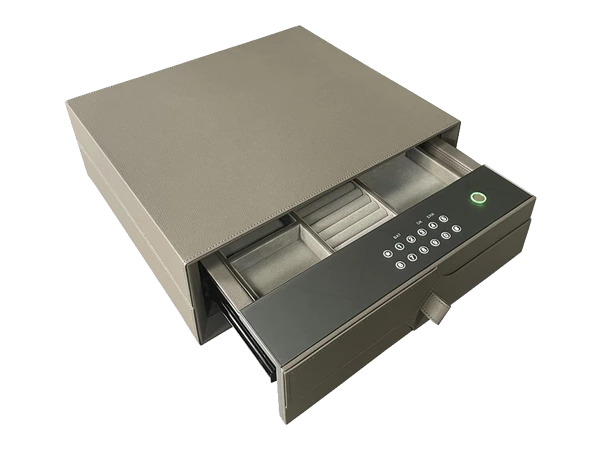
How Can You Keep Expensive Watches Safe at Home A Practical Guide
Expensive watches deserve more than a drawer, a display tray, or a “safe enough” hiding place. The best way to keep expensive watches safe is to combine practical security, careful storage, documentation, and daily habits that make theft and damage less likely. Whether you own one heirloom piece or a growing collection, smart home watch storage protects both financial value and personal meaning.
What is the safest way to store expensive watches at home?
The safest way to store expensive watches at home is inside a quality safe, in a padded watch box or pouch, with access limited to people who truly need it. A safe reduces grab-and-go theft, while proper cushioning prevents scratches, pressure marks, and accidental knocks. For luxury watch security, think in layers: the goal is not one perfect measure, but several sensible barriers working together.
A common mistake is treating a beautiful display case as secure watch storage. Glass-top cases look elegant, but they also advertise what you own. If watches are visible from a bedroom doorway, closet shelf, or social media photo, they are easier to target. Keep daily-wear pieces accessible but not exposed, and move higher-value or rarely worn watches into a more secure location.

Build layered security around your collection
A strong home security plan works like overlapping protection. If one layer fails, another still slows access or increases the chance of detection. This matters because watch theft is often quick, and small valuables are easy to carry.
Useful layers include:
- Solid entry protection: Reinforced doors, quality locks, secured windows, and locked side gates make the home less inviting.
- Alarm systems: A monitored or audible alarm can reduce the time an intruder feels comfortable staying inside.
- Cameras: Visible exterior cameras and discreet interior coverage near entry points can support deterrence and documentation.
- Lighting: Motion lights around doors, garages, and dark side paths remove easy cover.
- A real safe: Choose a safe that is heavy, bolted down, concealed, and suitable for valuables rather than a lightweight box that can be carried away.
- Discretion: Avoid discussing your collection casually, posting obvious watch storage photos, or leaving branded boxes in plain view.
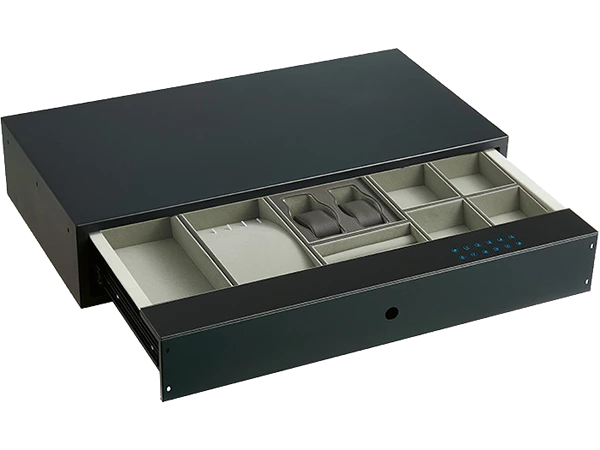
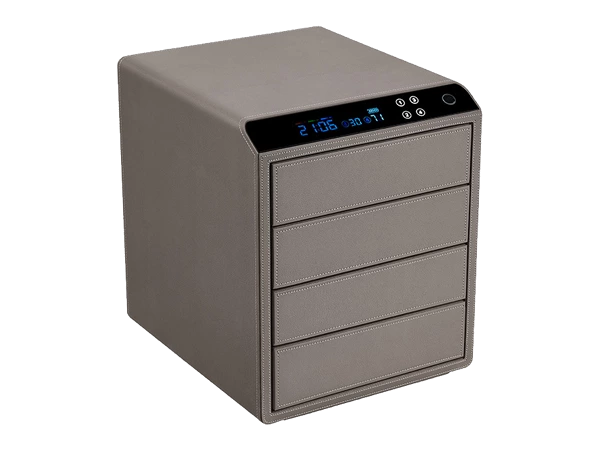
The safe is the core of the system. For watches safe at home, look for enough interior space for padded storage, shelves or drawers that prevent stacking, and protection against fire or water where practical. A small portable safe may be better than nothing, but if someone can pick it up and leave, it is not a complete solution.
Choose storage that protects the watch, not just the room
Security keeps a watch from disappearing; storage keeps it from deteriorating. High-end watch care starts with preventing avoidable wear when the watch is not on your wrist. Store each piece face-up or in a natural resting position, supported by a soft pillow, roll, or pouch that fits without straining the bracelet or strap.
Give watches breathing room. Crowding them together can cause bracelet rub, clasp scratches, bezel marks, and crystal scuffs. A velvet, suede, or microfiber-lined box is useful, but only if each watch has its own protected space. Travel pouches are also helpful for rotation pieces, especially when you need to move them from a safe to a dresser without handling several watches at once.
Avoid storage areas with heat, dampness, or frequent temperature swings. Bathrooms, laundry rooms, garages, and window-facing shelves are poor choices. Moisture can affect straps, boxes, and seals over time, while heat can age leather and adhesives. A cool, dry, stable closet or interior room is usually a better choice.
Also consider magnetism. Speakers, magnetic clasps, some electronics, and certain charging accessories can affect mechanical watches. You do not need to be paranoid, but you should avoid placing mechanical pieces directly beside strong magnets or electronic clutter.
Watch winders are useful, but not always necessary
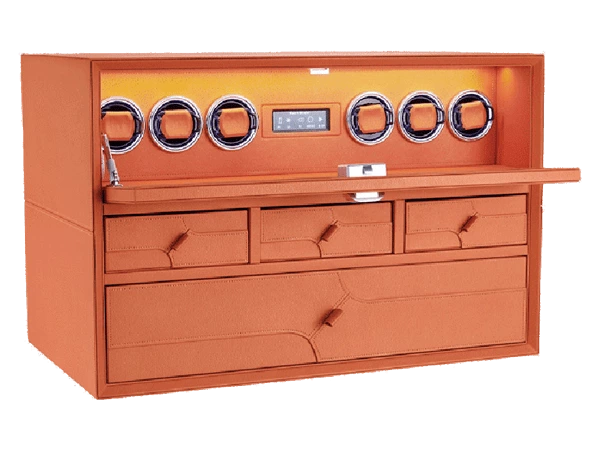
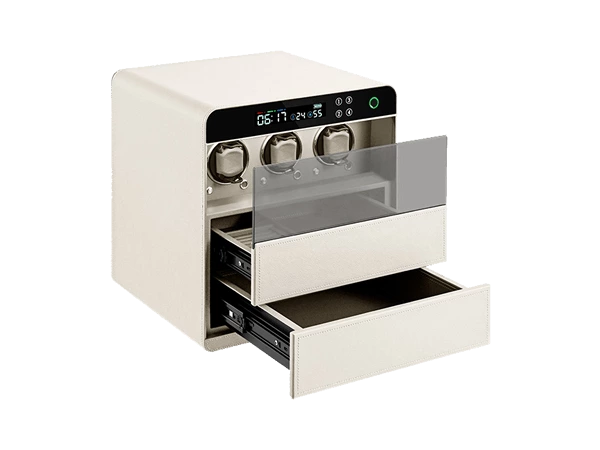
Automatic watches wind through wrist movement, so a winder can keep a watch running when it is not being worn. This is convenient for pieces with dates, moon phases, annual calendars, or other settings that are annoying to reset. However, a winder is not automatically the best choice for every watch.
Use a winder thoughtfully. Choose one with adjustable turns per day and rest cycles, rather than one that spins constantly. Too much motion can add unnecessary wear, while too little may not keep the watch powered. If you own manuals, vintage pieces, or watches with special servicing needs, follow the maker’s guidance or ask a qualified watchmaker.
For many collectors, a simple rotation system works well: keep frequently worn automatics in a winder or ready box, and store special-occasion pieces safely until needed. The point is balance. Secure watch storage should support your lifestyle, not create a routine so complicated that you stop using it.
How do you reduce insider and everyday risks?
You reduce insider and everyday risks by limiting visibility, controlling access, and making secure habits automatic. Not every loss comes from a dramatic break-in; watches can disappear during parties, repairs, moves, house cleaning, or visits from people who notice more than you realize. Treat your collection as private, even around people you like.
Simple habits help:
- Put watches away immediately. Do not leave them on nightstands, bathroom counters, kitchen islands, or gym bags.
- Use one transfer spot. If you remove a watch before bed or exercise, place it in the same secure tray or pouch every time.
- Lock the safe before guests arrive. Do this for dinners, maintenance visits, cleaners, contractors, and open-house situations.
- Separate boxes and papers. Keep original boxes, warranty cards, and receipts secure, but not necessarily beside the watches.
- Be careful online. Photos can reveal brands, storage locations, room layouts, and travel plans.
Tracking devices can add another layer, especially inside a watch box or safe bag, but they are not a substitute for security. A knowledgeable thief may find or disable them. Think of trackers as recovery support, not prevention.

Documentation and insurance complete the plan
Even careful owners should prepare for loss, fire, water damage, or mysterious disappearance. Create a private inventory with photos of each watch, including the dial, caseback, bracelet, clasp, serial number, papers, and any distinctive marks. Store digital copies securely and keep backups somewhere separate from the watches.
Insurance is worth reviewing if your collection has meaningful value. Standard home policies may have limits for jewelry or watches, and those limits may not match the current replacement value of a luxury piece. Ask specific questions about theft, accidental damage, travel, safe requirements, appraisals, and how often valuations should be updated.
For especially valuable or rarely worn watches, a bank safe deposit box or professional storage option may make sense. The trade-off is access. If you enjoy wearing a watch weekly, off-site storage may feel inconvenient; if a piece is mainly an investment or heirloom, the extra distance can be a benefit.
A practical home watch safety checklist
Use this quick checklist to improve how to keep watches safe at home without overcomplicating your routine:
- Store valuable watches in a bolted, concealed safe.
- Keep each watch in a padded, separate compartment or pouch.
- Avoid glass display cases for high-value pieces.
- Maintain a cool, dry, stable storage environment.
- Keep watches away from strong magnets and careless contact.
- Document serial numbers, photos, receipts, and service records.
- Review insurance coverage before something happens.
- Lock watches away before guests, cleaners, contractors, or travel.
- Limit social media posts that reveal your collection or location.
- Revisit your setup as your collection grows.
The best system is one you will actually use. If daily access is too annoying, watches end up on dressers. If storage is too casual, one rushed morning can turn into a costly mistake.
The takeaway
Keeping luxury watches safe at home is about more than buying a box or hiding them in a drawer. Strong luxury watch security combines a proper safe, discreet habits, careful storage materials, environmental awareness, and clear documentation. Build a routine that protects your watches from theft, scratches, moisture, and forgetfulness, and your collection will be easier to enjoy with confidence.