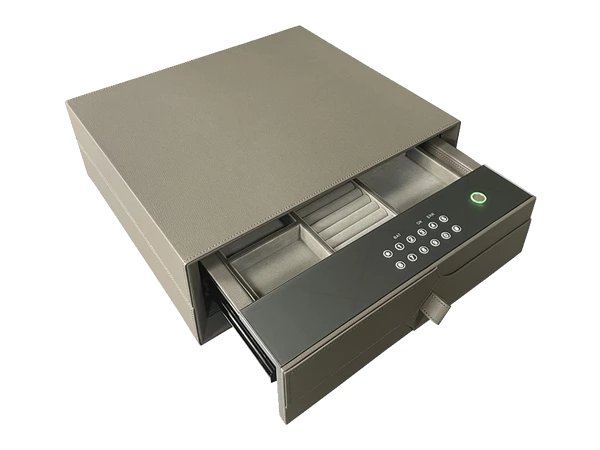
How to Hide a Safe in a Drawer Without Sacrificing Accessibility
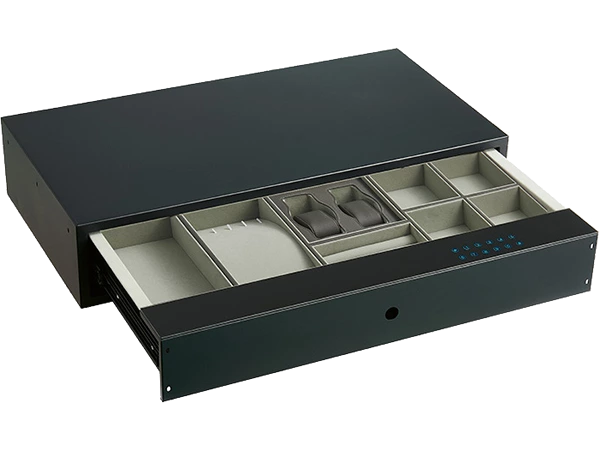
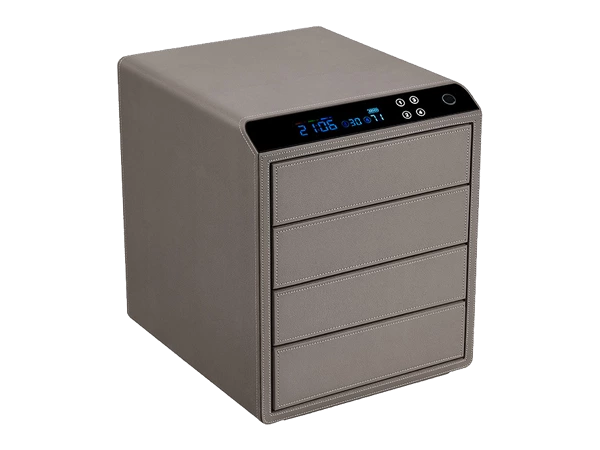
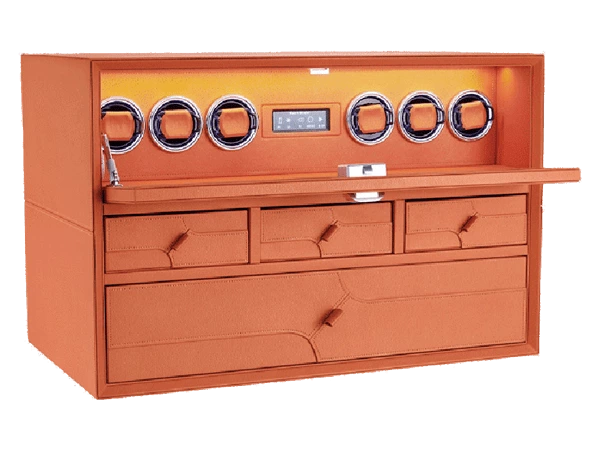
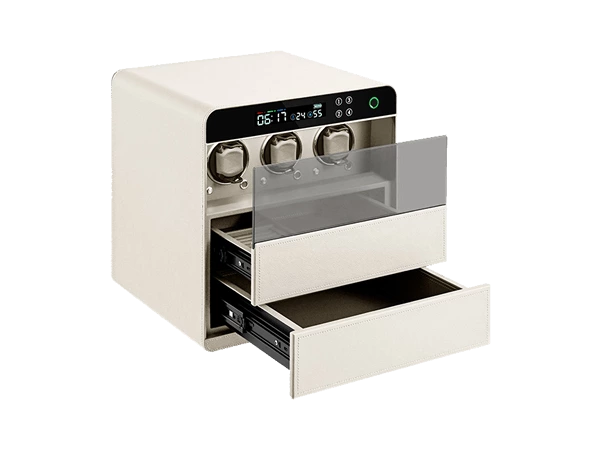
A drawer can be one of the most practical places to keep a small safe because it blends into everyday furniture while staying close at hand. The key is to hide it thoughtfully, not so deeply that using it becomes annoying. With the right drawer, layout, and access routine, you can protect important items while still reaching them when you need them.
What makes a drawer safe both hidden and accessible?
A drawer safe works best when it is concealed from casual view but simple for the owner to open without moving half the room around. That balance comes from choosing a sturdy drawer, reducing visual clues, and leaving enough clearance to operate the lock, lid, or keypad comfortably. The goal is not to create a complicated puzzle; it is to make your safe look like an ordinary part of your storage system.
Accessibility matters because security tools only help when you actually use them. If the safe is awkward, noisy, blocked, or hard to reach, you may start leaving valuables somewhere “just for now.” A good setup should make secure storage feel like a normal habit.Think of the drawer as a small security zone. It should be convenient for you, uninteresting to everyone else, and organized enough that opening it does not expose the safe immediately.
Start with the right drawer
Not every drawer is a good candidate. A shallow, flimsy drawer may not support the safe well, while a drawer used constantly by guests or family members may attract too much attention. The best choice is usually a drawer in a private area that you access regularly but others have little reason to inspect.
Look for a drawer that feels stable when fully extended. It should glide smoothly, hold weight without sagging, and close cleanly without scraping. If the drawer already sticks or wobbles, adding a safe will make those issues more obvious and less convenient.
Good locations often include bedroom furniture, a home office cabinet, a closet built-in, or a private desk drawer. Avoid drawers where heat, moisture, spills, or heavy daily use could create problems. The more normal the drawer feels in its setting, the better the concealment.
Match the safe to the drawer, not the other way around
A common mistake is buying a safe first and then trying to force it into available furniture. Instead, measure the drawer and think about how the safe will open before choosing a model. You need room for the safe itself, plus clearance for your hand, the lock mechanism, and any internal lid or door movement.
A compact safe may be easier to hide, but it still needs enough interior space for the items you plan to store. Before committing, list what will go inside. Passports, jewelry, backup drives, documents, watches, cash envelopes, and keys all have different storage needs.
Use this quick sizing checklist:
- Measure width, depth, and height inside the drawer, not just the outside of the furniture.
- Check opening clearance so the safe door or lid can move freely.
- Allow finger space around the lock, keypad, or handle.
- Consider weight and whether the drawer slides can support it over time.
- Plan for contents so items do not need to be bent, stacked awkwardly, or removed every time you need one thing.
If you are unsure, choose a slightly simpler layout over a tighter fit. A hidden safe that is easy to use will usually serve you better than one that disappears perfectly but frustrates you every day.
Concealment should look ordinary
The best hidden storage ideas often work because they do not look like hiding places. A drawer that appears too empty, too carefully arranged, or unusually heavy can draw attention. Your goal is to create a believable drawer, not an obvious secret compartment.
Use ordinary items to soften the view when the drawer opens. A tray, folded fabric, office supplies, grooming items, or seasonal accessories can help the drawer look natural. Keep it tidy, but not staged. Realistic organization is more convincing than a drawer that looks untouched.
You can also use drawer organizers to create separation. For example, an upper tray can hold normal items while the safe sits beneath or behind it, depending on the drawer design. Just make sure the organizer is easy for you to lift or slide without causing noise or friction.
Concealment works best when it does not interfere with quick access. If you need to remove five layers every time, the setup is too complicated. Choose a simple cover method that can be moved with one hand and returned to place without thought.
Accessibility depends on your daily routine
A drawer safe should fit the way you naturally move through your home. If you usually unload your pockets in the bedroom, a bedroom drawer may make sense. If you handle business documents in a home office, office storage may be more practical. The closer the safe is to the moment you need it, the more likely you are to use it consistently.
Think about when and why you open the safe. Is it for daily jewelry, occasional documents, emergency cash, or sensitive devices? Items you use often should not be buried under rarely used storage. If the safe has several contents, keep the most frequently needed items toward the front or top.
It also helps to create a simple access ritual. Open the drawer, move one cover item, unlock the safe, retrieve or store the item, close everything in the same order. A repeatable process reduces mistakes and makes the safe feel like part of your normal organization.
Should you anchor a safe inside a drawer?
In many cases, anchoring improves security, but it must be done in a way that suits the furniture, safe design, and household needs. A safe that simply sits loose in a drawer may be easier to remove, while a properly secured one can add resistance. However, installation should not damage important furniture, block the drawer mechanism, or create a setup you cannot maintain.
Before anchoring, review the safe manufacturer’s instructions and consider whether the drawer or cabinet is strong enough. Some furniture is decorative rather than structural, and fastening a safe to weak material may provide less benefit than expected. If the safe is heavy or the furniture is valuable, professional guidance can be worthwhile.
If anchoring is not practical, you can still improve the setup by choosing a sturdy drawer, placing the safe where it is not immediately visible, and avoiding obvious labels or clues. Security is layered. Concealment, controlled access, good habits, and appropriate safe selection all work together.
Keep the drawer quiet and easy to operate
Noise can make a hidden safe feel clumsy. A scraping drawer, rattling organizer, or loose contents can announce that something unusual is inside. Smooth operation is not just a convenience; it helps the drawer continue to feel ordinary.
Check how the drawer behaves when loaded. If it tilts, sticks, or slams, address the furniture issue before relying on it for secure storage. Soft liners can reduce sliding and help protect the drawer surface, but they should not bunch up or block ventilation around electronic components if your safe uses them.
Keep the items around the safe light and simple. Heavy stacks, fragile objects, and awkward boxes make access slower. A drawer that opens smoothly and reveals a normal-looking arrangement is more practical than one packed to the edges.
Organize the safe for fast retrieval
Hiding the safe is only half the job. Inside, the contents should be arranged so you can quickly find what you need without emptying everything. Small pouches, envelopes, document sleeves, and labeled internal sections can help, especially when you store a mix of items.
A simple internal system might include:
- Daily or frequent-use items near the top or front.
- Important documents in protective sleeves or flat envelopes.
- Small valuables in soft pouches to prevent scratches and tangles.
- Digital storage devices in a separate section so they are not lost among papers.
- Emergency items grouped together so they can be retrieved quickly.
Avoid overfilling the safe. Crowded storage makes every access slower and increases the chance that items are misplaced. If the safe is already full, it may be time to reduce what you store there or choose a larger option in a different location.
Avoid common mistakes
Even a good hiding place can become inconvenient or less secure when small details are overlooked. Most problems come from choosing the wrong drawer, making the concealment too elaborate, or forgetting that the safe needs regular use.
Watch for these mistakes:
- Using a shared drawer that other people open often.
- Choosing a drawer that cannot handle the weight of the safe and contents.
- Blocking the lock or keypad with organizers or cover items.
- Creating a cover that looks suspiciously perfect instead of naturally useful.
- Forgetting backup access needs, such as batteries, keys, or manufacturer-approved recovery methods.
- Storing items without categories, which slows you down when time matters.
- Discussing the location casually, which undermines the point of concealment.
The best solution is usually quiet and boring. It should not require dramatic construction, and it should not become a conversation piece. If the drawer simply looks like a normal, organized drawer, you are on the right track.
Use hidden storage ideas as part of a broader plan
A drawer safe can be excellent for convenience, but it should not carry your entire security strategy alone. Consider what you are storing, how often you need it, and what level of protection is appropriate. Some items may belong in a different type of safe, a secure off-site location, or a separate backup system.
Layered thinking makes your setup stronger. For example, you might keep frequently used valuables in a concealed drawer safe, store critical documents in a more robust long-term location, and maintain digital backups where appropriate. This keeps convenience and protection in balance.
It is also wise to review your setup occasionally. Furniture changes, routines shift, and the contents of your safe may grow over time. A drawer that worked well two years ago may become crowded, too public, or less convenient after a room rearrangement.
A practical setup checklist
Before you consider the project finished, test the drawer safe the way you will actually use it. Do not judge it only by how hidden it looks when everything is perfectly arranged. Judge it by whether you can open, use, and close it comfortably on an ordinary day.
Use this final checklist:
- The drawer is in a private, believable location.
- The safe fits without forcing the drawer or blocking movement.
- The drawer still opens and closes smoothly when loaded.
- The concealment layer looks natural and is easy to move.
- The lock, keypad, or key access is comfortable to reach.
- The safe contents are organized by use and importance.
- Backup access is handled according to the safe’s instructions.
- The location is not obvious to guests, visitors, or casual observers.
- The setup is convenient enough that you will use it every time.
If one of these points feels weak, adjust the design before storing anything important. Small improvements at the beginning can prevent daily frustration later.
The takeaway
Hiding a safe in a drawer is not about making access difficult. It is about creating a discreet, dependable place for important items that fits naturally into your life. Choose the drawer carefully, keep the concealment believable, organize the contents, and make sure the safe is comfortable to use.
The most effective hidden storage ideas are often the simplest ones. When your drawer safe is easy for you, unremarkable to others, and supported by good habits, you get both privacy and practicality without sacrificing accessibility.