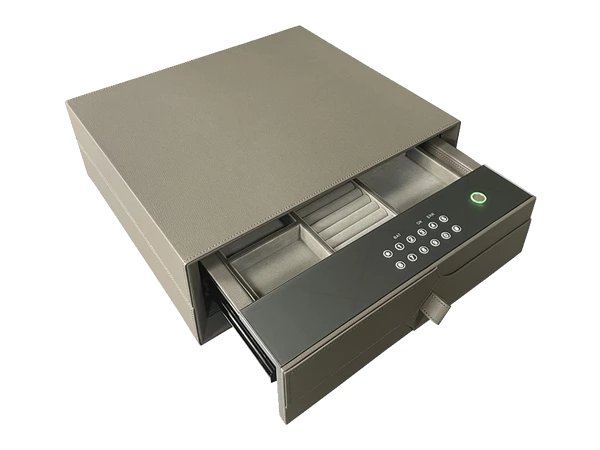
Why File Drawer Safes Are Becoming Essential in Luxury Interior Design
Luxury interiors are no longer judged by beauty alone. Today’s most thoughtful homes combine refined materials, calm organization, and discreet protection for the documents and valuables that support everyday life. File drawer safes bring secure file storage into the design conversation by hiding serious security inside cabinetry, desks, dressing rooms, and home offices without disrupting the look of the space.
Why are file drawer safes gaining attention in high-end homes?
File drawer safes are gaining attention because luxury homeowners want security that feels integrated, not added on. Instead of placing a bulky safe in a closet or relying on a standard filing cabinet, these safes allow important papers, digital backups, jewelry records, passports, and financial documents to be protected within the flow of a beautifully designed room.
This shift reflects a broader change in how people use their homes. Home offices, private studies, media rooms, and owner’s suites now function as places for work, planning, travel preparation, and family administration. A well-placed drawer safe keeps sensitive materials close at hand while preserving the clean lines and uncluttered surfaces that define luxury interior design.
Security has become part of the design brief
For many years, safes were treated as purely functional objects. They were heavy, visible, and often hidden away after the design work was finished. In upscale interiors, that approach can feel disconnected from the rest of the home, especially when every other detail has been considered.
File drawer safes change the conversation. They can be planned alongside cabinetry, millwork, desk layouts, and storage zones. When the safe is integrated from the beginning, it supports the room’s purpose instead of competing with it.
That matters because security needs are practical and personal. A homeowner may need safe file storage for estate documents, insurance policies, property deeds, medical records, business files, or family identification documents. When those items are protected in a dedicated drawer safe, the home gains both order and peace of mind.
The appeal of discreet protection
Luxury design often relies on restraint. The best details are useful, beautiful, and quietly effective. File drawer safes fit this mindset because they do not announce themselves the way a freestanding safe might.
A drawer safe can sit behind custom cabinetry, inside a desk pedestal, within a dressing room island, or as part of a private office storage system. From the outside, the room still feels composed and intentional. Inside, the homeowner has a secure place for documents and select valuables.
This discreet approach is especially valuable in homes where guests, vendors, assistants, or household staff may occasionally move through private areas. Locking file drawers help separate everyday access from sensitive access. Not everything in a home needs to be visible, reachable, or easy to open.
What makes file drawer safes different from ordinary locking drawers?
File drawer safes are different because they are designed for protection, not just privacy. A basic locking drawer may discourage casual access, but it is usually built around standard office hardware and lightweight materials. A purpose-built drawer safe is intended to add a stronger level of resistance, often with more substantial construction, dedicated locking mechanisms, and design features focused on safeguarding contents.
That distinction matters in luxury interiors because the goal is not simply to hide files. The goal is to protect what those files represent. Passports, trusts, contracts, tax records, and confidential business papers can be difficult or stressful to replace. A drawer safe gives those items a more appropriate home than a loose folder, decorative box, or conventional cabinet lock.
Homeowners comparing options should look beyond appearance and read specifications carefully. Drawer safe reviews can be useful when they discuss installation quality, lock performance, drawer feel, interior capacity, and day-to-day convenience. Reviews are less useful when they focus only on surface impressions, so it is best to consider them alongside product details and professional guidance.
The home office has raised expectations
The modern home office is not an afterthought anymore. For many homeowners, it is a place where business decisions are made, confidential calls happen, and important paperwork is reviewed. As a result, home office safes have moved from “nice to have” to a practical part of the room’s storage plan.
A file drawer safe can make a home office work better in several ways:
- It keeps sensitive documents close. Important files are accessible when needed, without being left in open trays or unsecured cabinets.
- It reduces visual clutter. Paperwork has a dedicated destination, which helps maintain a polished workspace.
- It supports better routines. Instead of scattering documents across rooms, homeowners can build the habit of returning them to one secure place.
- It protects privacy. Business files, client records, personal financial documents, and family paperwork stay separated from ordinary office supplies.
- It complements built-in design. When planned with cabinetry, the safe can preserve the proportions and finishes of the room.
This is where practicality and aesthetics meet. A beautiful office should not require the homeowner to compromise on secure file storage, and a secure office should not feel cold or industrial.
Fire protection adds another layer of confidence
Security is not only about unauthorized access. It is also about protecting documents from unexpected damage. That is why many homeowners consider fireproof file safes when planning storage for essential records.
Fire protection can be especially relevant for documents that are difficult to recreate quickly, such as legal papers, property records, irreplaceable family documents, and certain business files. While no storage solution can remove every risk, choosing a safe designed with fire resistance in mind can add an important layer of preparedness.
The key is to match the safe to the need. Some homeowners prioritize theft resistance, while others care most about fire protection, water exposure, or organization. In many cases, the best solution balances several concerns rather than focusing on only one.
File drawer safes support luxury organization
Luxury interiors are often designed around ease. Drawers glide smoothly, closets are zoned carefully, and storage is tailored to how people actually live. File drawer safes belong in that same category because they turn security into a daily-use convenience.
Instead of storing important documents in multiple locations, a homeowner can create a simple system. Current files might go in labeled folders within the safe. Less frequently used records can be archived elsewhere. Passports and travel documents can remain together so they are ready when needed.
A strong organization plan might include:
- Identify the documents that truly need protection. Focus on legal, financial, identity, medical, property, and business records.
- Separate active files from archived files. Keep frequently used documents easy to access and store older records in a clearly labeled system.
- Use folders that are simple to scan. Overly complicated labeling systems tend to fail over time.
- Create a return habit. After a document is used, it should go back into the safe immediately.
- Review contents periodically. Remove outdated paperwork and update records as life, assets, and responsibilities change.
This type of organization is not glamorous, but it has a quiet luxury of its own. It saves time, reduces stress, and makes the home feel more capable.
Design integration requires thoughtful planning
A file drawer safe performs best when it is considered early in the design process. Interior designers, cabinetmakers, and homeowners can then plan around size, weight, access, drawer clearance, and surrounding finishes. Waiting until the end may limit placement options or create compromises in the room’s layout.
Several design questions are worth addressing before installation:
- Where will the safe be used most naturally? A home office, primary suite, closet, or family command center may make sense depending on the contents.
- How often will it be opened? Daily-use files need more convenient access than long-term records.
- Who should have access? The answer may influence lock type, placement, and whether the safe should be obvious or hidden.
- What needs to fit inside? Legal-size documents, binders, passports, drives, jewelry appraisals, and folders may require different interior dimensions.
- How will it affect the cabinetry? Weight, mounting, drawer movement, and surrounding construction should be planned carefully.
The best installations feel effortless because the hard decisions were made before the final finishes went in.
Choosing the right safe is about lifestyle, not just specifications
Specifications matter, but lifestyle matters too. A safe that is technically impressive but inconvenient to use may be ignored. A safe that fits naturally into the homeowner’s daily routine is more likely to become part of a lasting security habit.
When evaluating options, consider how the safe will be used in real life. A busy professional may want fast access to contracts and financial records from a desk. A frequent traveler may prioritize passports, visas, global entry cards, and backup identification. A family may need a central place for birth certificates, insurance paperwork, estate planning documents, and emergency information.
Useful features may include:
- Smooth drawer operation that feels appropriate in a luxury setting
- Interior space designed for hanging files or organized folders
- A lock system that matches the homeowner’s comfort level
- Construction suited to the desired level of protection
- Compatibility with custom cabinetry or built-in furniture
- Fire-resistant qualities if document preservation is a priority
The point is not to buy the most complicated option. It is to choose a safe that protects the right items, fits the room, and is easy enough to use consistently.
Are locking file drawers worth it for everyday homeowners?
Locking file drawers are worth considering for anyone who keeps sensitive documents at home, especially if those documents are used regularly. They offer a practical middle ground between leaving paperwork unsecured and storing everything in a distant, inconvenient safe.
For luxury homeowners, the value is even clearer. A file drawer safe can preserve the room’s appearance while supporting privacy, organization, and preparedness. It can also help different members of the household understand where important records belong, which is useful during travel, emergencies, tax preparation, or major life events.
The benefit is not only protection from worst-case scenarios. It is also the everyday confidence of knowing that essential documents are not misplaced, exposed, or mixed in with ordinary clutter.
A quiet essential for modern luxury living
File drawer safes are becoming essential in luxury interior design because they solve a modern problem with elegance. They protect important documents, support organized living, and blend into spaces where visible security hardware would feel out of place.
As homes continue to serve as offices, planning centers, retreats, and family headquarters, secure storage deserves the same attention as lighting, millwork, and furniture. The most successful interiors do more than look beautiful. They make life smoother, safer, and more thoughtfully arranged.