OEM Custom Safe Manufacturing for Global Partners
From Concept to Finished Product
Xinangang works closely with clients from initial concept design to final mass production. Independent R&D, advanced equipment, and experienced engineers ensure efficient product development and accurate execution of customized requirements.
Flexible Customization Capabilities
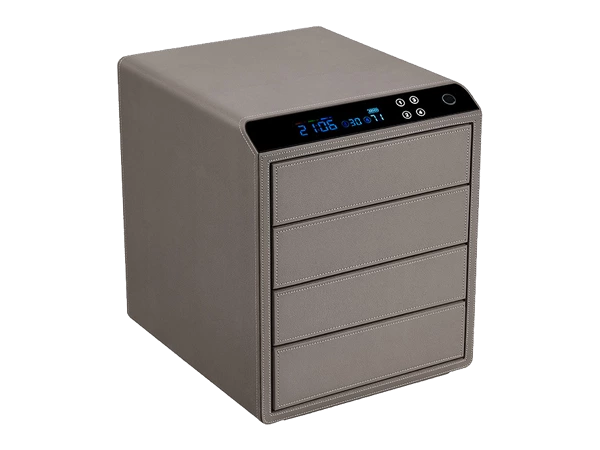
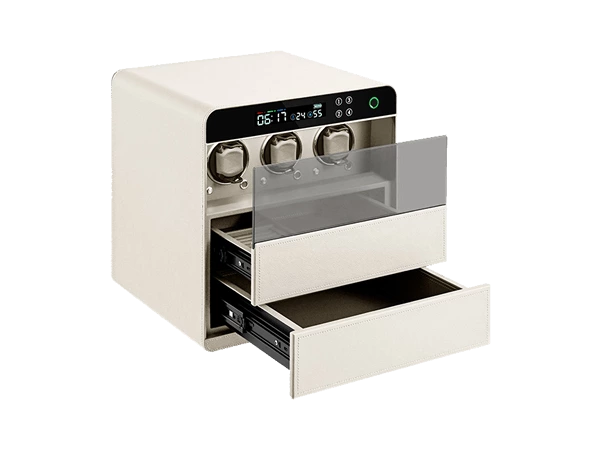
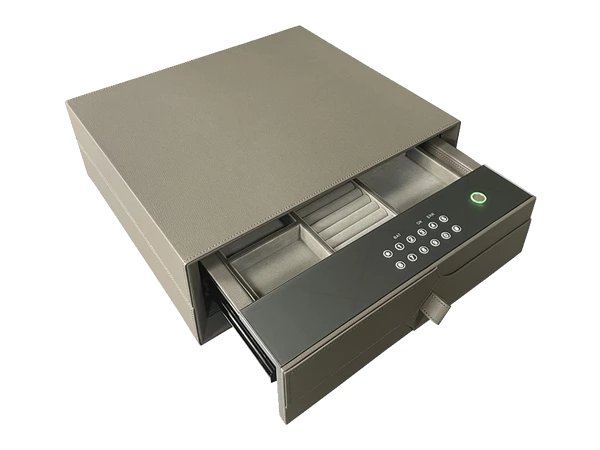
Customization options include product dimensions, materials, colors, surface finishes, internal structures, and intelligent locking systems. Branding elements such as logos and packaging can also be tailored to market needs.
Strict Quality Management System
Each product undergoes material inspection, functional testing, and final quality checks before shipment. This comprehensive quality control system ensures consistent performance and long-term reliability.
Efficient Production and On-Time Delivery
With stable production capacity and optimized supply chain management, Xinangang ensures timely delivery for both small-batch customization and large-scale orders.
A Reliable Long-Term Partner
By combining innovation, craftsmanship, and customer-focused service, Xinangang continues to build strong partnerships with global distributors, furniture brands, and smart home solution providers.
In an era where personal security and interior design go hand-in-hand, the modern homeowner no longer wants a massive, utilitarian metal box sitting awkwardly in the corner of a room. Today, the demand has shifted toward seamless, integrated security solutions. The quintessential closet safe has emerged as the premier choice for protecting valuables, offering the perfect blend of accessibility, discretion, and robust defense.
Whether you are a homeowner seeking to upgrade your master suite or a global retail distributor exploring OEM custom closet safe manufacturing to expand your product line, understanding the nuances of these secure storage solutions is paramount. This comprehensive guide dives deep into everything from cutting-edge lock technologies and fire ratings to practical installation tips and B2B manufacturing advantages.
The Rising Demand for Discretion: Why Choose a Closet Safe?
The primary advantage of integrating a safe into your wardrobe space is the element of surprise. Burglars typically want to get in and out of a house as quickly as possible. By placing your security enclosure out of plain sight, you significantly reduce the chances of a smash-and-grab theft.
When considering where to hide a safe in a master bedroom, the walk-in closet is often the most strategic locati0n. It offers natural concealment behind hanging clothes, built-in cabinetry, or shelving units. Furthermore, placing a small closet safe at eye level or neatly tucked into a custom drawer provides unparalleled convenience for your daily routine. You can easily access your everyday watches, cash, or essential documents without having to trek to a damp basement.
A well-placed closet safe box is not just about anti-theft; it is about life management. It is the ideal dedicated space for organizing passports and birth certificates, ensuring that when it is time to travel or handle official administrative tasks, your most vital documents are in one secure, designated locati0n.
Navigating the Varieties of Closet Safes
The market offers a diverse array of options tailored to different spatial constraints and security needs. Understanding these variations helps both consumers making a purchase and businesses developing new product lines.
The Hidden and Discreet Approach
For those who prioritize absolute concealment, a hidden closet safe is the ultimate investment. These units are designed to look like standard architectural features or ordinary household objects. A popular iteration is the closet hidden safe that masquerades as an air return vent or is built directly into a false cabinet bottom.
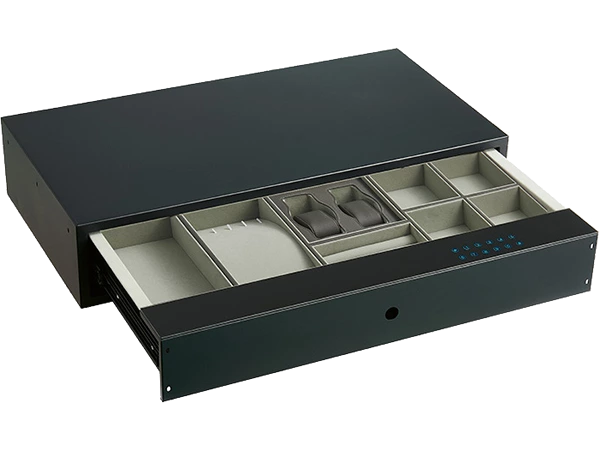
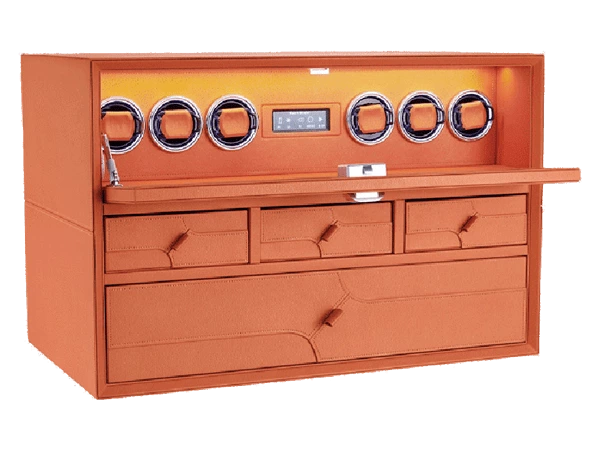
For high-net-worth individuals, specialized jewelry safes for closets are a massive trend. These are not your standard raw-steel boxes; they feature velvet or microfiber-lined drawers, custom watch winders, and segmented trays. They offer discreet jewelry protection solutions that prevent delicate necklaces from tangling while keeping diamonds secure from prying hands.
Wall Safe vs Floor Safe Comparison
When outfitting a closet, you will generally choose between mounting the unit in the wall or bolting it to the floor. Let's look at a quick wall safe vs floor safe comparison:
- Wall Safes: These fit snugly between the wooden studs of your closet wall. They are excellent for utilizing dead space and are easily hidden behind a mirror or a row of hanging coats. However, due to the standard 16-inch stud spacing, they are generally shallower, making them better suited for flat items, cash, and small jewelry.
- Floor Safes: Typically bolted directly to the foundation or recessed into the concrete slab beneath your closet floor, floor safes offer unmatched security against being physically carried away. They provide deeper storage capacity for bulkier items, though they require bending down to access and can be more disruptive to install.
Security Features That Matter
A safe is only as good as the engineering behind it. When evaluating the protective capabilities of a residential security enclosure, two primary factors come into play: the physical construction and the access technology.
Construction and Material Integrity
To thwart physical attacks, you need a heavy duty steel home vault. The thickness of the steel (measured in gauge) dictates how resistant the safe will be to drilling, cutting, or blunt force. Premium models feature pry-resistant solid steel construction, which incorporates recessed doors, concealed hinges, and solid steel active locking bolts that extend in multiple directions. This design makes it incredibly difficult for an intruder to wedge a crowbar into the door seam and pry it open.
Locking Mechanisms: Digital, Mechanical, and Biometric
The locking mechanism is the interactive heart of your safe. Choosing the right one depends on how frequently you need access and your personal preference for technology.
- Biometric Technology: For the fastest access possible, biometric fingerprint scanner access is highly recommended. By reading the unique ridges of your fingerprint, these safes open in fractions of a second. This rapid entry is particularly vital when securing handguns from unauthorized access, ensuring that while children and guests cannot reach the firearm, the owner can retrieve it instantly in the dark during an emergency.
- Reliability: When analyzing mechanical vs digital lock reliability, both have their merits. Mechanical dial locks are celebrated for their longevity; they do not require batteries and are impervious to EMPs (Electromagnetic Pulses). However, they take longer to open. Digital keypads offer quicker entry and the ability to change PIN codes easily, though they require periodic battery changes.
- Failsafes: Regardless of the primary lock type, it is absolutely essential that any electronic or biometric model includes an emergency backup key bypass. If the batteries die while you are away on a long trip, or if the digital board malfunctions, the backup physical key ensures you are never permanently locked out of your own valuables.
Protecting Against Environmental Threats
While theft is a primary concern, environmental damage from fire and moisture can be equally devastating to your heirlooms and vital documents.
Fire Protection
A standard steel box will heat up like an oven during a house fire, instantly incinerating paper and melting digital media. To prevent this, you need a dedicated fireproof document security box.
When shopping for or manufacturing these units, having UL fire protection ratings explained is crucial. Underwriters Laboratories (UL) tests safes by exposing them to extreme temperatures. A "UL Class 350 1-hour" rating means the safe will maintain an internal temperature below 350°F (the point at which paper begins to char) for one hour while the outside temperature reaches 1700°F. If you are storing hard drives, USBs, or old photographs, you will need a safe with a Class 125 rating, as digital media and film melt at much lower temperatures.
Moisture Control
A highly secure, airtight fire safe has a lesser-known drawback: trapped humidity. If you live in a humid climate, the sealed nature of the safe can create a micro-environment where mildew thrives. Preventing mold in airtight safes is a vital maintenance step. Always place high-quality silica gel desiccant packs inside the safe to absorb excess moisture. For larger closet safes, a plug-in or battery-operated mini dehumidifier is highly recommended to protect delicate paper documents, leather watch straps, and sensitive gun metals from rusting and deteriorating.
Installation Secrets: Setting Up Your Safe
Installing a safe properly is just as important as buying a high-quality one. A heavy safe is useless if a burglar can simply pick it up and carry it out the front door to crack open later.
Bolting It Down
If you have opted for a freestanding closet safe, securing it to the architecture of your home is non-negotiable. If your closet is on the second floor, you will likely be drilling into wood. Knowing how to anchor a safe to wood studs or floor joists ensures maximum stability.
- Use a high-quality stud finder to locate the structural beams under your closet floor or behind the drywall.
- Align the pre-drilled mounting holes at the bottom or back of your safe with the studs.
- Drill pilot holes into the wood.
- Use heavy-duty steel lag bolts and heavy washers, tightening them down with a socket wrench from the inside of the safe. Once the door is locked, the bolts cannot be accessed or unscrewed.
DIY Hidden Storage Options
For homeowners looking for a weekend project, the easiest diy hidden storage installation involves the classic between-the-studs wall safe. Because interior residential wall studs are typically built 16 inches apart (on center), many wall safes are specifically manufactured at 14.5 inches wide to slide perfectly into this gap. Installation simply requires cutting a precise rectangle in the drywall, sliding the safe in, and driving heavy wood screws from the inside walls of the safe directly into the adjacent wooden studs. Hang a full-length closet mirror over it, and you have instantly created a secure, invisible vault.
The B2B Advantage: OEM Custom Closet Safe Manufacturing
While individual homeowners are looking for the perfect retail product, global security brands, luxury hotel chains, and high-end residential developers face a different challenge: sourcing and scaling these products. This is where OEM custom closet safe manufacturing becomes a critical business strategy.
What is OEM Manufacturing?
Original Equipment Manufacturer (OEM) partnerships allow a brand to design a bespoke product and have a specialized factory produce it at scale. For global partners, collaborating with an experienced OEM safe manufacturer means they can offer exclusive, branded security solutions without having to invest millions in heavy machinery, steel fabrication facilities, and rigorous UL-testing laboratories.
Tailoring to Regional Demographics
Global partners require flexibility. A closet safe that sells well in a spacious suburban home in Texas might be completely unsuitable for a micro-apartment in Tokyo or a boutique hotel in Paris. OEM manufacturing allows distributors to customize dimensions, fire ratings, and lock types based on regional market demands.
For instance, European markets might demand high Eurograde certified anti-burglary safes with intricate mechanical locks, while North American markets heavily favor smart-home integrated biometric systems with interior LED lighting. An OEM partner can pivot production lines to accommodate these distinct specifications, ensuring the retail brand is always offering exactly what its local consumers desire.
Enhancing Brand Value Through Customization
In the competitive landscape of home security, differentiation is key. OEM partners can customize everything from the exterior powder-coat finish to the interior layout. Brands can request modular shelving, specialized gun racks, or bespoke velvet-lined drawers for luxury jewelry storage. Furthermore, integrating proprietary smart technology—such as Wi-Fi alerts that ping a user's smartphone if the safe is tampered with—can be developed and implemented at the factory level.
Quality Control and Compliance
A reputable OEM custom safe manufacturer does not just build steel boxes; they are experts in global compliance. They ensure that the safes meet stringent international certifications, whether it is the California DOJ approval for firearm storage, European EN 1143-1 standards, or specific UL fire and burglary ratings. By leveraging the manufacturer's existing compliance frameworks, global retail partners can bring highly certified, trustworthy products to market at a fraction of the traditional development time.
Scalable Supply Chain Solutions
Beyond the physical product, a strong OEM relationship streamlines the global supply chain. Advanced manufacturers utilize automated laser cutting, robotic welding, and automated powder-coating lines. This ensures absolute consistency across thousands of units. Whether a luxury condominium developer needs 500 identical hidden wall safes for a new high-rise project, or an e-commerce brand requires a continuous drop-shipping supply of small closet safes, an OEM partner provides the scalable infrastructure necessary to meet volatile market demands without sacrificing quality.
Conclusion
The evolution of home security has moved far beyond the clunky, basement-dwelling iron boxes of the past. Today, securing your valuables is about seamless integration into your daily life. Whether you are utilizing a discreet wall safe for organizing essential family documents, investing in a heavy-duty vault to keep firearms out of the wrong hands, or carefully managing humidity to preserve priceless heirlooms, the modern closet safe offers a tailored solution for every need.
For global retailers and security brands, tapping into OEM custom closet safe manufacturing represents a lucrative opportunity to provide high-quality, customized, and highly certified security solutions to a growing, security-conscious market. By understanding the intricate balance of robust physical construction, advanced locking technologies, and smart environmental protections, both consumers and businesses can make informed, secure investments that stand the test of time.