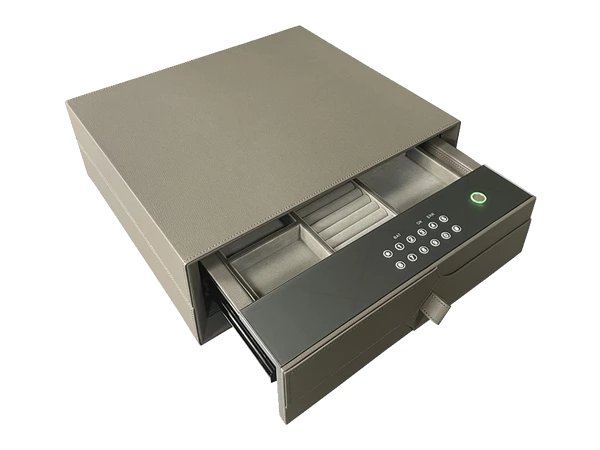
The Future of Smart Home Security Safe in Modern Homes
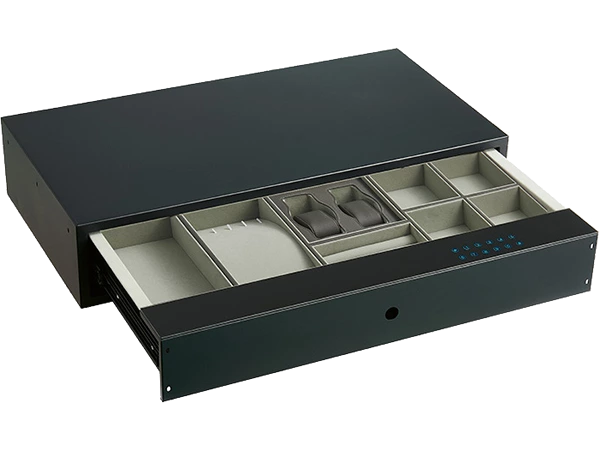
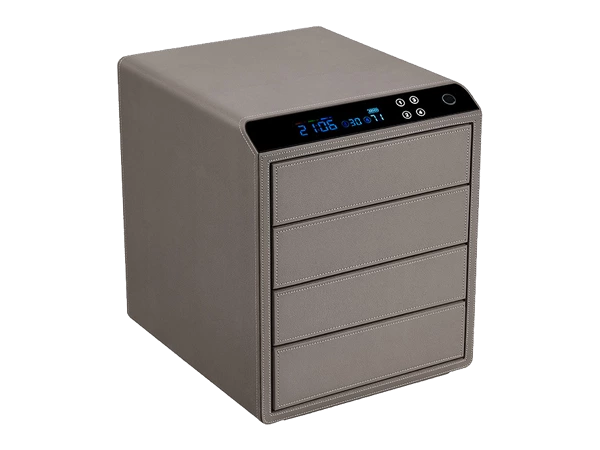
High-end residential furniture is undergoing a transformation as security is no longer treated as a standalone function but as an integral part of the interior design. In modern homes, a smart home security safe is no longer a bulky metal box placed in a corner; it is a discreet, furniture-integrated module that provides both secure storage and seamless aesthetic alignment with luxury living spaces.
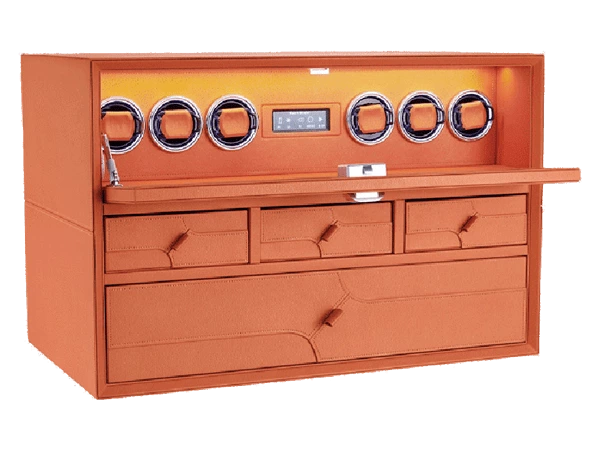
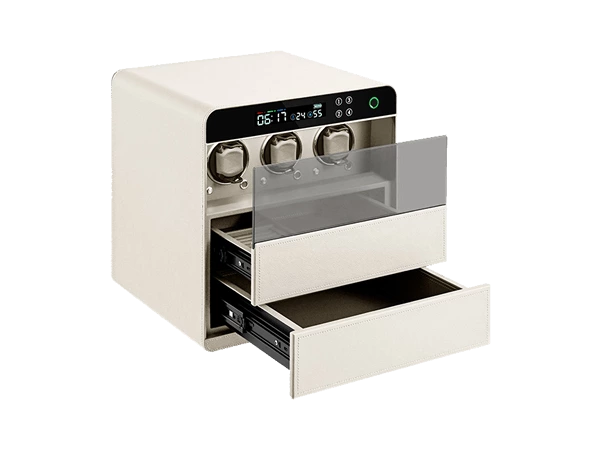
The development of embedded smart safes has been driven by advances in electronic locking systems, biometric authentication, and compact mechanical design. Modern designs integrate secure compartments directly into furniture such as wardrobes, sideboards, and bedside cabinets. These units are typically finished with high-quality materials such as leather, wood veneers, or metal accents to match the surrounding interior, maintaining both security and style.
From a technical perspective, a smart home security safe is composed of a reinforced storage chamber, a locking mechanism, and an electronic control module. The locking actuator is usually electromechanical, triggered by fingerprint recognition, numeric code entry, or a combination of authentication methods. Precision in the actuator alignment and structural integration is critical to ensure reliable operation across repeated opening and closing cycles.
One of the primary engineering challenges in furniture-integrated safes is balancing concealment with accessibility. The safe must remain invisible from the outside, blending seamlessly into the furniture panel, while still providing easy access for authorized users. This requires careful planning of drawer or cabinet mechanics, panel thickness, and locking actuator placement, often customized for each furniture line.
The electronic control module is designed to operate reliably within the environmental conditions of a residential interior. Variations in temperature, humidity, and material expansion can affect both mechanical tolerances and sensor accuracy. Modern smart home security safes incorporate microcontroller-based electronics that manage authentication, actuator control, and status monitoring while maintaining minimal power consumption. Some systems also include tamper detection or alert functions to provide additional security assurance without requiring external monitoring systems.
Material selection is another important aspect. Luxury furniture demands finishes such as full-grain leather or high-quality veneer panels, which must be combined with the safe structure without compromising security. This often involves layering the safe compartment within the furniture carcass, with reinforced internal frames to resist unauthorized access while keeping the external appearance elegant and consistent.
Manufacturers of smart home security safes increasingly focus on modular and OEM-friendly designs, allowing these systems to be adapted to a range of furniture dimensions and styles. This approach enables furniture brands to embed high-security storage solutions into custom product lines without significant redesign of the surrounding cabinetry. Each unit can be calibrated and tested individually to ensure reliability and consistent user experience across a complete furniture collection.
Looking forward, the trend in residential security furniture emphasizes even greater integration, modularity, and electronic sophistication. Future smart home security safes will likely incorporate networked management for authorized access control, audit logs of usage, and compatibility with other high-end furniture modules. Yet the core principle remains: secure storage should be part of the furniture, not an external object, providing both protection and a visually harmonious living environment.
The evolution of the smart home security safe reflects a broader shift in residential interior engineering, where functionality, aesthetics, and security converge into a single, seamless design. For modern luxury homeowners, embedding secure storage directly into furniture is no longer optional; it has become a defining element of high-end living environments.
FAQ
1. What is a smart home security safe?
A smart home security safe is a furniture-integrated secure storage unit that uses electronic authentication and mechanical locking mechanisms, typically embedded in wardrobes, cabinets, or bedside furniture.
2. How does a furniture-integrated safe operate?
Access is granted through fingerprint recognition, numeric code entry, or a combination, which triggers an electromechanical locking actuator to allow or deny entry.
3. What materials are typically used in these safes?
High-end units often combine reinforced steel or alloy inner structures with luxury finishes such as leather, wood veneer, or metal panels for integration into furniture.
4. Where are these safes commonly installed?
They are integrated into bedroom wardrobes, sideboards, nightstands, office cabinets, or other custom furniture within modern luxury homes.
5. Why are smart home security safes important for modern interiors?
They provide secure storage while maintaining the aesthetic continuity of luxury furniture, avoiding the need for standalone safes that disrupt design harmony.