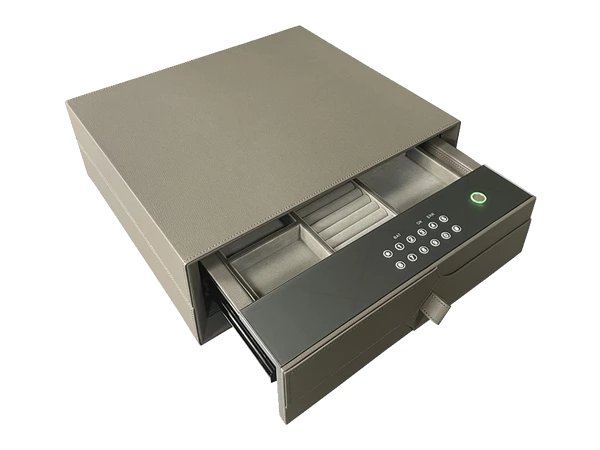
Safe for Closet Use: How to Choose the Right Size Lock and Interior Layout
Choosing the right safe for closet use can be a game-changer for home security. It offers a discreet yet accessible way to protect valuables.But how do you select the perfect size lock and interior layout? This decision involves more than just picking a safe that fits.You need to consider your closet's dimensions and the items you plan to store. The type of lock is also crucial for balancing security and convenience.A well-chosen safe can enhance your closet organization and provide peace of mind. This guide will help you navigate the options and make an informed choice.

Why a Closet Safe? Benefits and Considerations
A closet safe is an excellent option for enhancing home security. It keeps your valuables out of sight yet easily accessible. Unlike wall-mounted or standalone safes, a closet safe occupies a discreet space.When considering a closet safe, think about its multifunctionality. It not only stores valuables but also promotes better closet organization. This makes it easier to find what you need when you need it.
Several benefits make closet safes a popular choice:
- Discreet Placement: Hidden away in closets, these safes are less conspicuous.
- Space-Saving: Utilizing unused closet space optimizes storage.
- Convenient Access: Easily reachable yet secure from unauthorized access.
However, not all safes are created equal. Pay attention to essential features like durability and type of lock. Also, consider if the safe is fireproof and waterproof to add a layer of protection. Remember, the right safe doesn't just add security; it complements your home's design and needs.
Measuring Your Closet: Ensuring the Perfect Fit
Before purchasing a safe, accurately measure your closet space. This ensures your new safe will fit without hassles. Begin by measuring the width, height, and depth of your intended safe locati0n.Consider not only the safe itself but also the door clearance needed. You’ll need enough room to open the safe comfortably. Account for the swing of both closet and safe doors to prevent any hindrance.
Create a checklist for precise measurements:
- Width: Measure from side to side.
- Height: Include enough room above the safe for opening and closing.
- Depth: Allow space for door thickness and opening angle.
Proper measurements save you time and money. Avoid returning a safe due to size issues. Knowing your space restrictions will guide you to select the best closet safe suited to your needs. This will seamlessly integrate into your current organizational system.

Determining the Right Safe Size for Your Needs
Choosing the right safe size is crucial for efficient storage. To begin, consider the items you intend to secure inside. Prioritize items based on their value, sensitivity, and how often you need access.Think about the potential growth of your storage needs. It's wise to select a safe with a bit of extra space for future additions. This foresight prevents the need for another safe purchase down the line.Evaluate your safe’s dimensions not just on internal capacity but external size. Ensure it’s manageable enough to fit through your doorways and into the closet space effectively. Also, consider its weight and the overall impact on closet shelving.
Here's a quick guide to help:
- Jewelry and Documents: Opt for compact models.
- Electronics: Ensure broader internal layout.
- Firearms or Valuables: Require larger safes with robust security.
By carefully considering these factors, you'll find a safe that meets your current and future needs efficiently.
Types of Locks: Security, Convenience, and Access
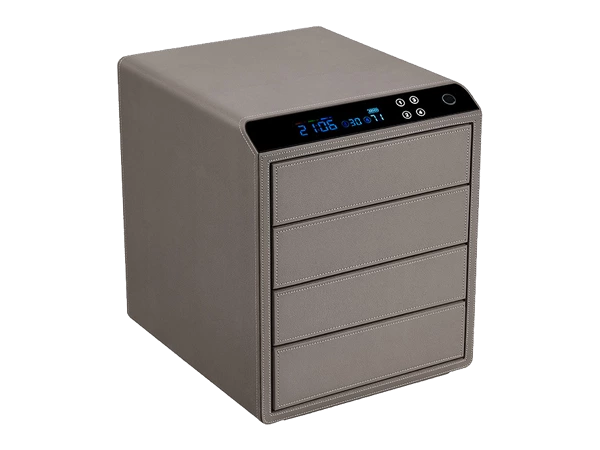
Choosing the right lock type for your closet safe is vital. Security, ease of use, and access frequency are critical factors. Different lock types offer unique benefits and challenges, so consider what suits your lifestyle best.Key locks are simple and reliable, requiring no batteries or power. However, they require keeping track of physical keys, which might be inconvenient for some. They are often preferred by those who prioritize straightforward access.Combination locks offer a classic approach with a focus on memorization. They eliminate the need for keys but can be time-consuming to open. This type of lock is suitable for users who infrequently access their safe.Electronic locks offer quick, code-based access, with some featuring backlit keypads or biometric options. They provide modern convenience but depend on battery power or electrical sources. Consider this option for high-use situations or where rapid access is necessary.
Here's a summary of lock types:
- Key Lock: Basic, no power needed, key management required.
- Combination Lock: No keys, relies on memorized code, slower access.
- Electronic Lock: Convenient, fast access, requires power, high-tech options.
Interior Layout: Maximizing Storage and Organization
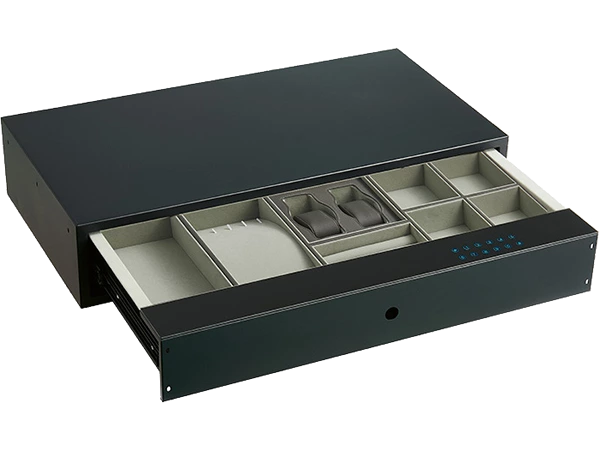
The interior layout of a safe can greatly influence its storage capacity. A well-organized safe allows you to maximize space, offering both security and accessibility for your valuables. Selecting the right interior configuration can make a significant difference.Adjustable shelving provides flexibility in how items are stored. Look for safes with removable shelves or compartments. This feature is ideal for accommodating varying item sizes, from documents to jewelry.Consider additional organizational features such as interior hooks or drawers. These elements allow you to segregate items based on importance or usage frequency. Proper organization ensures that you can easily locate and retrieve belongings when needed.
When evaluating safes, pay attention to features that enhance storage efficiency:
- Adjustable Shelving: Customize based on item size.
- Interior Compartments: Separate valuables logically.
- Hooks and Drawers: Utilize for specific items or frequent use.
Thoughtful interior design ensures your safe is both functional and space-efficient.
Integrating a Safe into Your Closet Organization System
Incorporating a safe into your closet organization system requires careful planning. It is crucial to ensure that the safe complements the overall aesthetics while remaining functional. Start by identifying an accessible yet discreet locati0n within your closet.Once the locati0n is set, consider how to organize the surrounding space to accommodate the safe. This may involve rearranging existing storage elements like shelves and hanging rods. Ensure that the safe doesn’t obstruct pathways or daily closet activities.To maintain a cohesive look, explore ways to blend the safe with closet decor. Choose a safe with colors and finishes that match your closet's style. Enhancing the integration ensures the safe looks intentional, not like an afterthought.
Key considerations for integrating a safe into your closet:
- Location: Find a balance between accessibility and discretion.
- Reorganization: Modify existing layout to incorporate the safe.
- Design Match: Select a safe that complements the closet aesthetics.
By thoughtfully considering each aspect, you'll seamlessly integrate security without sacrificing style or functionality.
Safe Storage Solutions: What to Store and How to Prioritize
A safe offers a secure haven for your most treasured items. When deciding what to store, consider both value and importance. Not everything warrants the protection of a safe; prioritize items that are irreplaceable or hold significant value.Start by evaluating the types of items that most require protection. Legal documents, financial papers, and heirlooms often top the list. These items are hard to replace and can be vital during emergencies.Next, think about items that might need rapid access. For instance, passports, emergency cash, or medication should be stored in the safe for convenience without sacrificing security.
Here's a checklist to help prioritize your safe's contents:
- Important Documents: Passports, wills, deeds
- Valuable Items: Jewelry, heirlooms
- Essentials: Emergency cash, spare keys
- Sensitive Data: Hard drives, backup devices
By following this checklist, you ensure that your safe remains an organized and effective part of your home security strategy.
Installation Tips: Anchoring, Accessibility, and Discretion
Proper installation is crucial for maximizing your safe's effectiveness. Securing your safe to the floor or wall can deter thieves and enhance safety. Anchoring prevents easy removal, making theft attempts more challenging and time-consuming for intruders.Accessibility is another critical factor during installation. Ensure the safe is placed where you can easily reach it but is not easily visible or accessible to others. Consider the layout of your closet for optimal access, especially in emergencies.Discretion is key when integrating a safe into your closet. Aim for a locati0n that blends seamlessly with your organization setup. A discreet placement can include camouflaging the safe with clothing or employing false shelving to hide its presence.
Here's a quick guide to installation essentials:
- Anchor Securely: Floor or wall-mounted for stability
- Optimize Accessibility: Easy but discreet access
- Enhance Discretion: Blend with closet design
Following these tips ensures that your safe maintains its integrity while remaining user-friendly and secure.
Maintenance, Upgrades, and Long-Term Considerations
Regular maintenance is essential for ensuring the longevity and effectiveness of your closet safe. Perform routine checks on the locking mechanism to ensure smooth operation. This simple step can prevent malfunctions that might compromise security over time.Consider upgrading your safe periodically. New technologies, such as biometric locks or digital interfaces, enhance both security and convenience. Staying informed about these advancements can keep your safe modern and efficient.Long-term considerations also include planning for future storage needs. As your valuables grow, reassess the interior layout to maximize space. Ensure your safe's warranty and support options are active for swift troubleshooting.
Key maintenance and upgrade steps:
- Regular inspections for functionality
- Exploring new technologies for enhanced security
- Planning for expanded storage needs
Consistency in these practices safeguards your possessions while adapting to evolving requirements.
Frequently Asked Questions About Closet Safes
Choosing the right safe can raise many questions. It's crucial to make informed decisions to safeguard your belongings. Here are answers to some common questions regarding closet safes.What size safe should I choose for my closet? Consider both the available space and the items you plan to store. A safe should fit comfortably without overcrowding your closet.Are electronic locks reliable? Yes, electronic locks are both reliable and convenient. However, ensure you have a backup key or combination in case of a power failure.
Additional frequently asked questions include:
- Can a safe be customized?
- What is the process for anchoring a safe?
- How to maintain a safe for longevity?
Understanding these elements will help maximize your safe's usefulness and security.
Conclusion: Achieving Security and Organization in Your Closet
Incorporating a safe into your closet adds a valuable layer of security. It ensures peace of mind while enhancing organization.By selecting the right safe size, lock, and layout, you tailor the solution to your needs. This thoughtful approach transforms closet storage into a secure haven for your belongings.
Page Summary
A safe for closet use is a practical way to protect jewelry, watches, cash, passports, documents, hard drives, and other valuables while keeping the bedroom or walk-in closet organized. Unlike a visible standalone safe, a closet safe can be placed inside wardrobes, dressing rooms, closet islands, or custom cabinetry for discreet and convenient access. This guide explains how to choose the right closet safe by measuring available space, selecting the proper safe size, comparing key locks, combination locks, electronic locks, and biometric locks, planning the interior layout, and integrating secure storage into modern closet organization ideas.
FAQ
1. What is a safe for closet use?
A safe for closet use is a security storage unit designed to be installed or placed inside a wardrobe, bedroom closet, walk-in closet, dressing room, or custom cabinet system. It helps protect jewelry, watches, cash, passports, important documents, hard drives, and other valuables while keeping them discreet and accessible.
2. How do I choose the right size closet safe?
To choose the right size closet safe, measure the available width, height, and depth inside your closet, while also leaving enough clearance for the safe door to open. You should also consider what you plan to store now and allow extra space for future jewelry, watches, documents, cash, or personal valuables.
3. What lock type is best for a closet safe?
The best lock type depends on how often you use the safe. Key locks are simple and reliable, combination locks do not require batteries, electronic keypad locks offer faster access, and biometric fingerprint locks are convenient for daily use. For luxury wardrobes, biometric and password locks are often preferred.
4. How should I organize the interior layout of a closet safe?
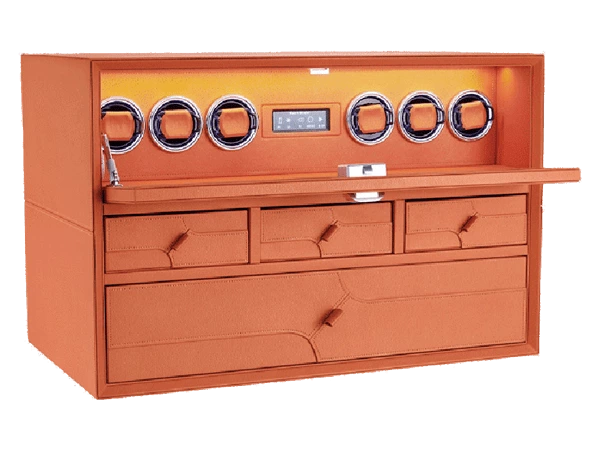
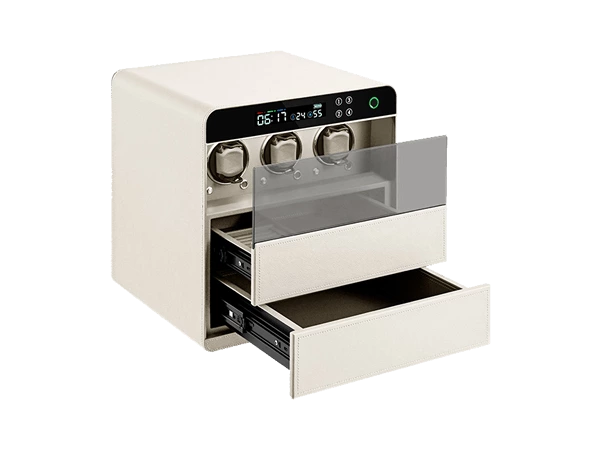
A closet safe interior layout should be planned around your valuables. Jewelry can be stored in soft-lined drawers, watches can be placed in watch trays or watch winder modules, documents need flat compartments, and cash or passports can be stored in separate sections. Adjustable shelves, drawers, hooks, and dividers help improve organization.
5. Can a closet safe be integrated into a luxury wardrobe design?
Yes. A closet safe can be integrated into luxury wardrobes, walk-in closets, villa bedrooms, hotel suites, and private residences. Custom options can include hidden cabinet installation, matching exterior finishes, leather or microfiber lining, jewelry drawers, watch compartments, LED lighting, biometric access, password locks, and secure anchoring.