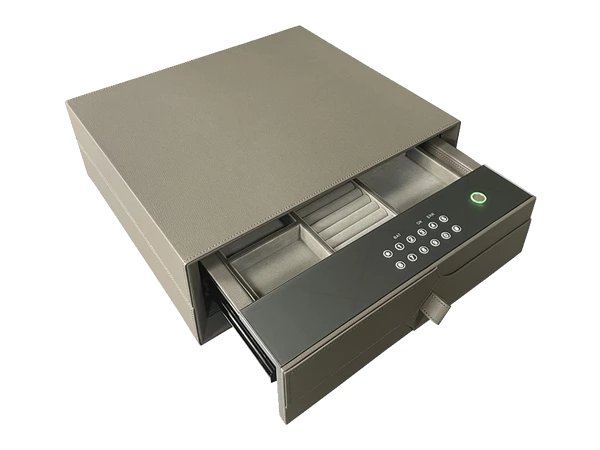
Top Reasons Homeowners Choose Drawer Safes for Hidden Security Storage
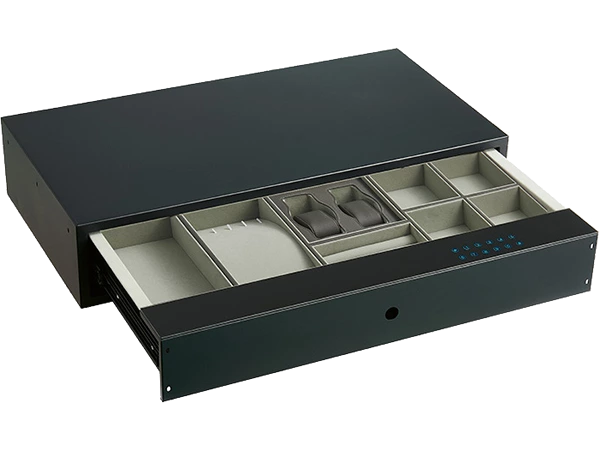
A drawer safe gives homeowners a discreet place to secure everyday valuables without turning a room into a visible security zone. Designed to fit inside desks, nightstands, closet drawers, counters, or other compact spaces, these safes help protect cash, documents, jewelry, medication, keys, and approved firearms from casual access. Whether you need small drawer safes for personal items, drawer gun safes for responsible storage, or cash drawer safes for a home office or small business setup, the right model keeps important belongings close, organized, and harder to notice.
What makes drawer safes a smart hidden security choice?
Drawer safes are a smart choice because they combine concealment, convenience, and controlled access in one compact product. A traditional safe can be excellent for bulk storage, but it is often visible, heavy, and located away from where valuables are actually used. A drawer safe solves a different problem: it gives you quick, private access to select items while keeping them behind a lock and out of plain sight.
For homeowners, that hidden placement matters. A safe installed in a drawer does not announce itself the way a freestanding box might. It can sit inside furniture you already use, helping you secure items without changing the look of your bedroom, office, closet, or workspace.
Built for valuables you use every day
The best drawer safes are not just smaller versions of full-size safes. They are designed for practical, repeated access. Instead of walking to a garage, basement, or large closet safe every time you need a passport, emergency cash, or secured key, you can keep select essentials nearby in a locked drawer compartment.
This makes them useful for real household routines. You may want to secure jewelry overnight, keep spare vehicle keys away from visitors, store confidential papers in a home office, or protect medication from children and guests. A drawer safe supports these needs without adding clutter to your counters or shelves.
Common items homeowners store include:
- Personal documents such as passports, birth certificates, checkbooks, and backup IDs
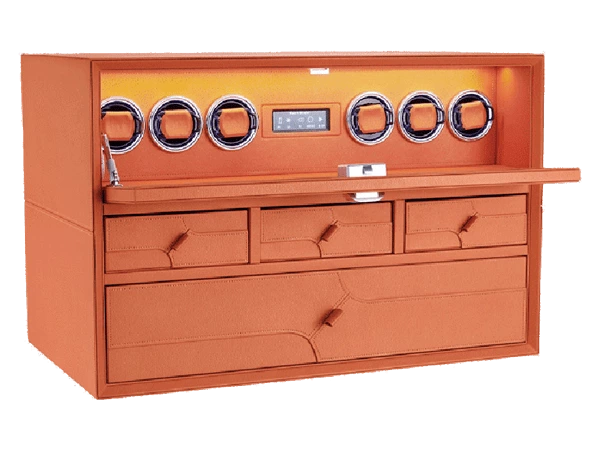
- Jewelry, watches, heirlooms, and other compact valuables
- Emergency cash, spare credit cards, and important keys
- Prescription medication or restricted household items that should not be openly accessible
- Portable drives, memory cards, and small electronics with private data
- Handguns or accessories when using drawer gun safes designed for that purpose and used according to applicable safety requirements
Hidden placement without sacrificing access
A major reason homeowners choose drawer safes is that they fit into spaces people already reach for naturally. In a bedroom, a nightstand drawer can keep personal items close at hand. In a home office, a desk drawer can secure financial paperwork, client notes, backup drives, or business cash. In a closet, the safe can sit behind folded clothing or inside a storage drawer for added discretion.
This balance is important. If a safe is too inconvenient, people stop using it consistently. If it is too visible, it may attract the wrong kind of attention. Drawer safes help close that gap by making security feel like part of the room instead of an extra chore.
Lock options that match your routine
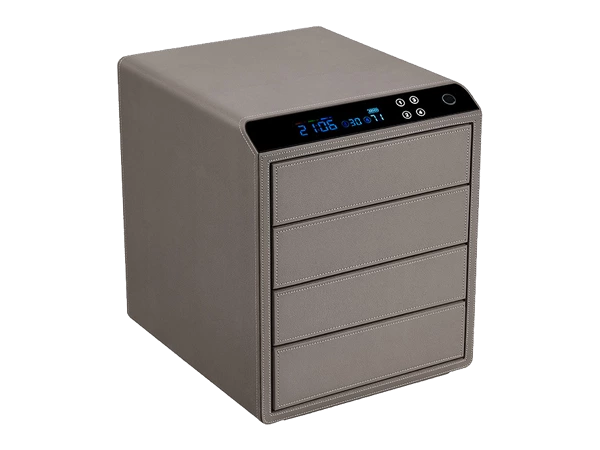
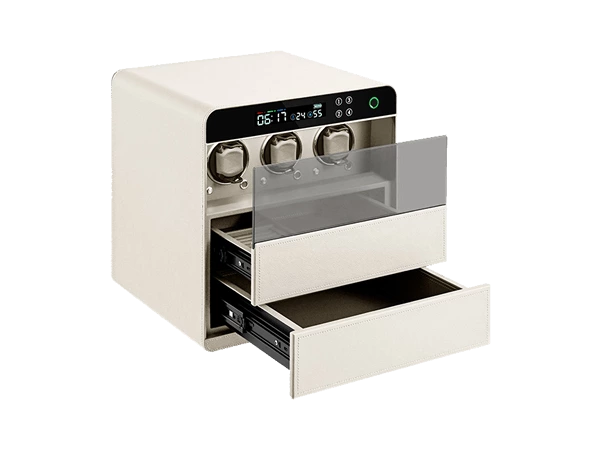
Drawer safes electronic lock models are popular because they make frequent access simple. A keypad or electronic entry system can be easier than keeping track of a small key, especially when the safe is used daily. Many shoppers also consider backup key access, interior lighting, low-battery indicators, and override options when comparing models.
Mechanical key locks may still be the better fit for some users. They are simple, familiar, and do not depend on batteries. The right choice depends on how often you open the safe, who needs access, and whether speed or simplicity matters more in your household.
Useful lock considerations include:
- Electronic keypad access: convenient for frequent use and shared authorized access
- Keyed access: straightforward for occasional use or backup entry
- Biometric access: useful on select models when rapid access by an authorized user is a priority
- Override options: important if batteries fail or a code is forgotten
- Access management: helpful when more than one trusted adult may need to open the safe
Compact designs for bedrooms, offices, closets, and counters
Small drawer safes work well when space is limited, but size should be chosen carefully. A safe that is too small may not hold the items you actually need to protect. A safe that is too large may not fit the drawer depth, width, or clearance available in your furniture.
Before choosing a model, measure the drawer interior and consider how the safe door or lid opens. Also think about what will sit above, beside, or around the safe once installed. A smooth fit is not just about dimensions; it is about whether you can open the safe comfortably and use it without awkward handling.
When comparing options, check:
- Interior space for the specific items you want to secure
- Exterior dimensions against the drawer, cabinet, or counter opening
- Door or lid clearance when the safe is installed
- Mounting points or hardware compatibility
- Weight and drawer support, especially in lighter furniture
- Padding or interior lining for jewelry, watches, or delicate items
Fire protection for documents and irreplaceable items
A fireproof drawer safe may be worth considering if you plan to store documents, photographs, digital backups, or other items that could be damaged by heat. Not every drawer safe is fire-rated, so this is one area where homeowners should read product details carefully instead of assuming all safes provide the same protection. Fire protection can affect the safe’s construction, weight, interior space, and price.
If fire resistance is a priority, look for a model that clearly states its fire protection features and intended use. A compact fire-resistant unit can be helpful for select valuables, but it should still be chosen based on what you plan to store. Paper documents, electronic media, and jewelry may have different protection needs.
Responsible storage for firearms
Drawer gun safes are designed for homeowners who need a secure, accessible place for a handgun or related items. They are often selected for bedrooms, closets, or home offices where authorized adults want controlled access without leaving a firearm unsecured. The goal is not only convenience, but responsible storage that helps reduce unauthorized handling.
Because firearm storage requirements can vary by location and household situation, choose a safe that suits your use case and follow all applicable laws and safety practices. Consider who lives in or visits the home, how quickly authorized access is needed, and whether the safe can be mounted to resist easy removal. A drawer gun safe should feel reliable, reachable, and appropriate for the responsibility it carries.
Practical options for home offices and small business cash handling
Cash register drawer safes and cash drawer safes can also support homeowners who run side businesses, manage rental property payments, sell at events, or keep petty cash for a home office. Instead of leaving cash in an unlocked desk drawer or envelope, a drawer safe creates a defined place for deposits, change, checks, or receipts.
This can make daily routines cleaner and more accountable. You know where the cash is, who has access, and when it should be removed for deposit or transfer. For small operations, that simple structure can prevent confusion and reduce the temptation to leave money in obvious places.
Good uses for cash-focused drawer safes include:
- Temporary storage for business cash before bank deposits
- Separation of household emergency cash from everyday spending money
- Securing checks, receipts, and payment records in a home office
- Organizing cash envelopes for events, contractors, or property needs
- Protecting register-style cash drawers in compact retail or service setups
Features that turn a small safe into a better daily tool
A drawer safe should do more than lock. It should make secure storage easy enough that you use it consistently. Details such as interior padding, quiet operation, smooth drawer placement, and clear access controls can make a noticeable difference over time.
Look for features that match your situation rather than chasing every upgrade. A homeowner storing passports may care most about fire protection and document fit. Someone securing jewelry may prioritize a soft interior and organized layout. A user considering drawer safes electronic lock options may focus on quick code entry, backup access, and battery maintenance.
Key features to compare include:
- Solid construction suited to compact concealed placement
- Mounting capability to help keep the safe in place
- Interior protection for delicate valuables
- Lock type that fits your access habits
- Clear instructions for setup and code changes
- Appropriate interior size for documents, cash, firearms, or valuables
- Fire-resistant construction when document protection is a priority
Pricing depends on protection level and configuration
Drawer safe pricing varies by size, lock type, construction, fire protection, and specialty use. Basic small drawer safes are typically chosen for simple valuables and occasional access. More advanced models may include electronic locks, biometric entry, reinforced construction, fire-resistant materials, or layouts designed for cash handling or firearm storage.
Instead of shopping by price alone, start with the risk you want to reduce. If the safe will hold irreplaceable documents, a fireproof drawer safe may justify a higher budget. If it will be opened several times a day, a smooth electronic lock and practical interior may matter more than the lowest upfront cost. If it will store a firearm, choose based on responsible access control, fit, and secure installation.
How to choose your drawer safe
Use this simple buying checklist before selecting a model:
- Choose the location first. Decide whether the safe belongs in a nightstand, desk, closet, counter, or other drawer.
- Measure the available space. Confirm width, depth, height, and opening clearance before you buy.
- List what you will store. Documents, cash, jewelry, medication, and firearms may require different interiors and lock features.
- Pick the access method. Decide whether keyed, electronic, or biometric access best fits your routine.
- Consider mounting. A hidden safe is stronger when it is not easy to remove.
- Check protection needs. Look for fire-resistant options if storing papers, backups, or irreplaceable records.
- Plan daily use. Choose a safe you can open, organize, and maintain without frustration.
Secure what matters without making it obvious
Drawer safes give homeowners a practical way to protect important items while keeping rooms clean, private, and uncluttered. From small drawer safes for everyday valuables to drawer gun safes, cash register drawer safes, and fire-resistant options for documents, the right product depends on what you need to store and how you need to access it.
Choose a drawer safe that fits your space, supports your routine, and offers the lock and protection features your valuables deserve. Review the available options, compare the features that matter most, and select the model that makes secure storage simple enough to use every day.