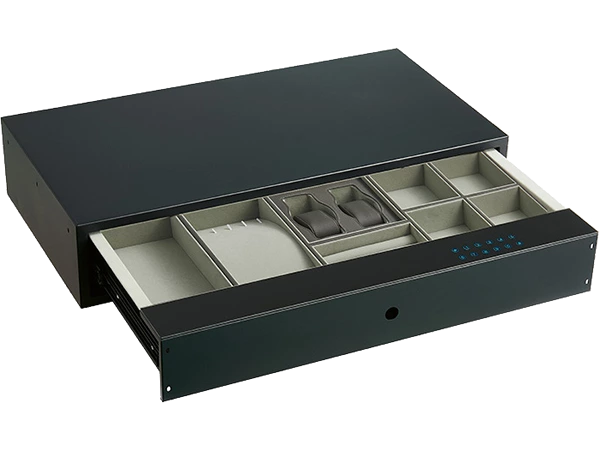
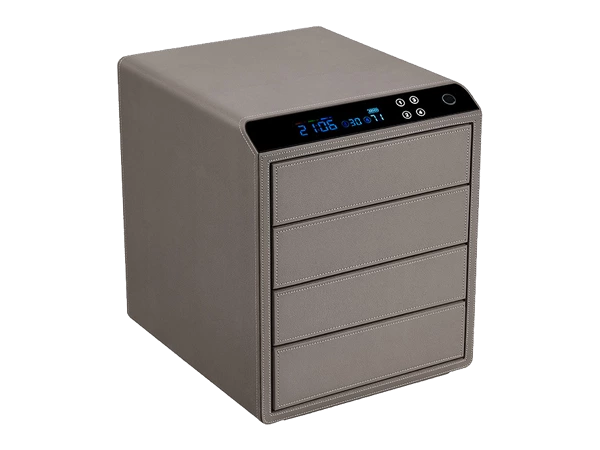
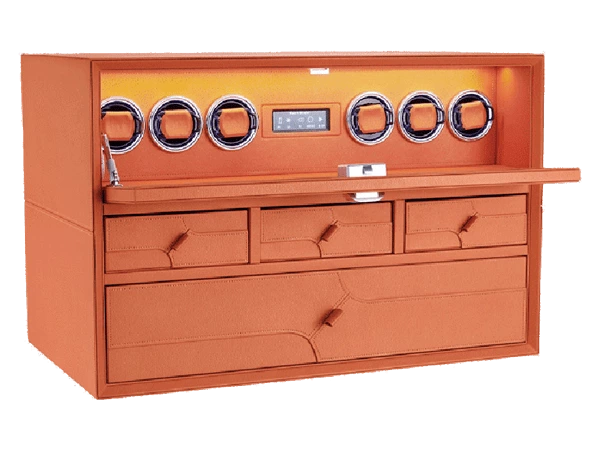
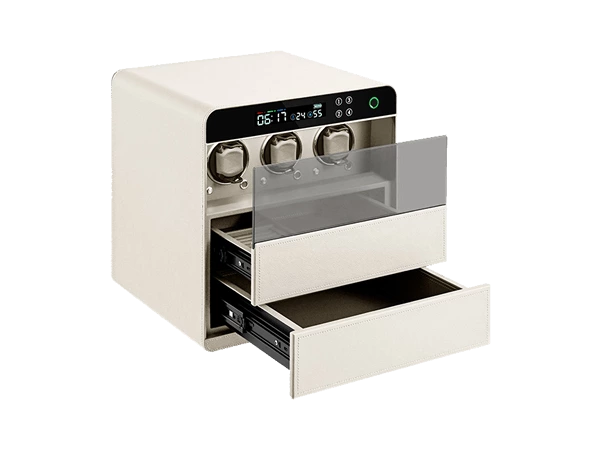
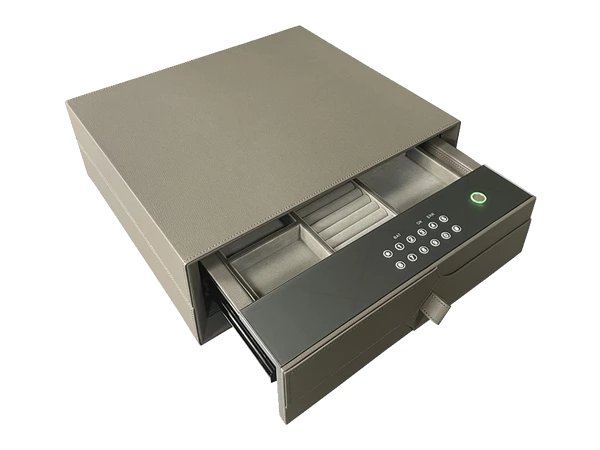
How We Designed a Hidden Safe Furniture for a Modern Home Office Project
When you think of home security, the first image that usually comes to mind is a heavy, obtrusive steel box sitting awkwardly in the corner of a closet, or perhaps bolted to a basement floor. For decades, the prevailing philosophy in asset protection was sheer physical resistance. However, as interior design has evolved, so have the expectations of homeowners. Today, merging high-level security with impeccable aesthetics is not just a luxury; it is a necessity for modern living.
Recently, our design firm was approached by a client with a unique challenge. They were building a minimalist, mid-century modern home office and needed a secure place to store highly sensitive client documents, digital hard drives, and personal valuables. The catch? They absolutely refused to have a traditional safe visible anywhere in the room. They wanted a solution that was entirely invisible to the untrained eye, leading us down the fascinating path of designing custom Hidden Safe Furniture.
This project pushed us to explore the intersection of traditional woodworking, modern security technology, and human psychology. In this comprehensive breakdown, I will take you behind the scenes of how we conceptualized, engineered, and built a state-of-the-art hidden furniture safe for a modern home office, while also exploring broader concepts in covert home security.

The Design Challenge: Rethinking Burglary Prevention
Before we even sketched our first design, we had to sit down with the client to understand their specific security needs. The client, a corporate consultant dealing with strict Non-Disclosure Agreements, required quick, daily access to their secure storage. Locking a heavy steel door and spinning a combination dial multiple times a day was out of the question. Furthermore, the modern aesthetic of their home office—characterized by clean lines, floating shelves, and a stunning walnut slab desk—left no room for a glaringly obvious metal box.
We began evaluating various burglary prevention home storage solutions. The traditional approach relies on making a safe too heavy to carry and too tough to crack. But experienced burglars know that if they find a safe, it contains something valuable. Given enough time and the right tools, almost any traditional residential safe can be compromised.
This realization brought us to a fundamental truth in tactical security: you cannot steal what you cannot find. By shifting our focus from sheer impenetrable armor to absolute concealment, we opened up a world of secret compartment furniture designs. The goal was no longer to build a fortress, but to master the art of how to hide a safe in plain sight.
Exploring Custom Built-in Security Cabinetry Alternatives
During the initial brainstorming phase, we presented several custom built-in security cabinetry alternatives to the client. We wanted to ensure they understood all the available options before we committed to a specific build. We explored:
- False Wall Panels and Wainscoting: Using the architectural details of the room to hide a cavity in the wall.
- Biometric Access Wall Mirrors: These are fantastic for entryways or dressing rooms. The mirror slides open on heavy-duty rails after scanning a fingerprint, revealing a recessed wall cavity. While excellent, the client felt a mirror in a home office might look out of place.
- Tactical Shelves vs Traditional Safes: We had a lengthy discussion about tactical floating shelves. These shelves drop their bottom panel to reveal hidden contents, often used for stealth gun storage for living rooms or entryways. While highly accessible, they often lack the depth required for thick binders and stacked document boxes.
- Furniture with Hidden Safe Integration: The concept of embedding a hardened steel enclosure within a functional piece of everyday furniture.
Ultimately, the client chose the fourth option. They wanted a beautiful, handcrafted walnut credenza to sit behind their desk—a piece that would serve as functional office storage but secretly house a highly secure Hidden Safe.
Designing the Secret Safe Furniture: The Office Credenza
Creating a piece of secret safe furniture requires meticulous planning. The furniture must look completely normal. If a drawer is shorter than it should be, or if a cabinet door has unusual hinges, a seasoned burglar (or even a curious guest) might spot the anomaly.
Wood Grain Matching and Proportions
To ensure the safe hidden in furniture remained undetected, we designed a mid-century modern credenza with three main storage sections. The left and right sections featured standard shelving behind soft-close cabinet doors. The center section contained three deep drawers.
Our strategy was to utilize the space behind the bottom center drawer. We implemented a series of hidden drawer ideas, ultimately settling on a "false back" design. From the outside, the bottom drawer looked exactly like the others. When pulled open, it functioned normally, holding office supplies and cables. However, the depth of this specific drawer was intentionally engineered to be six inches shorter than the cabinet's total depth.
The Mechanisms of Concealment
Behind that functional drawer lay the hidden safe box for home use. But how do you access a safe hidden behind a drawer without removing the drawer entirely every time?
This is where clever engineering comes into play. We mounted the entire drawer bank on heavy-duty, over-extension drawer slides. We then integrated a hidden release latch underneath the credenza's bottom lip. When a specific sequence is performed—swiping an invisible sensor while gently lifting a hidden latch—the entire center column of drawers unlocks and rolls forward on a secondary track, revealing a solid steel, fire-rated safe bolted directly into the credenza’s reinforced sub-frame.
Implementing RFID Locked Concealment Furniture Technology
To secure the sliding mechanism, we utilized RFID locked concealment furniture technology. Traditional keyholes are a dead giveaway that something is hidden. Instead, we embedded a high-frequency RFID scanner directly into the solid walnut top of the credenza.
Because the scanner operates through up to 1.5 inches of solid wood, there is no visual indication of a lock whatsoever. The client simply places a programmed RFID card—which looks exactly like a standard coffee shop loyalty card—on a specific knot in the wood grain. A quiet electronic click disengages the locking pin, allowing the secret compartment to be accessed. In the event of a power outage, the system features a hidden, low-voltage battery backup port disguised as a decorative brass screw on the back panel.
Ensuring Fireproof Hidden Document Storage
One of the primary concerns for this home office project was protecting legal contracts and hard drives from fire. Many hidden compartments are made entirely of wood, which offers zero fire resistance.
To achieve fireproof hidden document storage, we didn't just build a wooden box. We purchased a highly rated, compact steel fire safe with intumescent door seals that expand when exposed to heat, sealing out smoke and flames. We then stripped the safe of its bulky exterior plastic trim and integrated the core steel unit into the credenza’s secret cavity. The result was a true hidden furniture safe—combining the fire and theft ratings of a commercial safe with the flawless disguise of bespoke furniture.
Expanding the Project: The Hidden Safe Nightstand
The home office credenza was a massive success. The client was so thrilled with the flawless integration of security and design that they immediately requested an add-on project for their master bedroom. They wanted to tackle the problem of protecting heirlooms without bulky floor safes taking up precious closet space.
The bedroom required a different approach. While the office was about document storage, the bedroom was about securing jewelry, emergency cash, and personal protection items. The client needed quick, bedside access in the middle of the night.
Nightstands with Secret Drawer Mechanisms
We began drafting designs for a custom nightstand with hidden safe capabilities. When dealing with bedroom furniture, the proportions are much smaller than a massive office credenza, which makes hiding a substantial steel box more challenging.
We explored various nightstands with secret drawer mechanisms. A common approach is the "false bottom" drawer, where a secondary panel lifts up. However, these are often shallow and not secure against someone simply yanking the drawer out and turning it upside down.
Instead, we designed a hidden safe nightstand that utilized the dead space in the toe-kick at the very base of the furniture. Modern nightstands often have a base or legs that elevate the piece, but we designed a solid base plinth that looked like standard structural support.
Magnetic Trigger Concealment Shelves and Drawers
For the nightstand, RFID felt too cumbersome for the middle of the night. You don't want to be fumbling for a key card in the dark. Instead, we looked to the mechanics often found in magnetic trigger concealment shelves.
We installed a heavy-duty magnetic lock inside the base plinth. The "key" was a beautifully turned wooden coaster that sat on top of the nightstand. Hidden inside this wooden coaster was a powerful rare-earth magnet. When the client slid the coaster to a specific corner of the nightstand, the magnetic force reached through the wood and disengaged the lock in the base.
Once unlocked, the front panel of the base plinth—which appeared to be a solid piece of wood—sprung forward on push-to-open cabinet hardware, revealing a slide-out, velvet-lined hidden nightstand safe. This provided instantaneous, silent access to valuables while remaining entirely invisible to anyone who didn't know the exact placement of the magnetic coaster.
The Broader Landscape of Secret Safe Furniture
Our work on the home office and the master bedroom highlighted a massive shift in how homeowners are approaching security. Building hidden storage compartments in home decor is no longer just for eccentric billionaires or spy movies; it is a practical, highly effective strategy for everyday security.
If you are considering incorporating safes hidden in furniture into your own home, it is essential to understand the different categories and tactics available on the market today.
1. Diversion Safes for Home Security
At the lowest end of the spectrum are diversion safes. These are everyday household items—like soda cans, books, wall clocks, or shaving cream cans—that have been hollowed out to hold small valuables. While affordable and easy to use, they offer no physical security. If a burglar happens to knock over the fake can of soup and it pops open, your valuables are gone. Furthermore, they do not offer the capacity needed for modern storage. They are a decent supplementary tactic, but they do not replace true Hidden Safe Furniture.
2. Tactical Furniture and Shelving
Originally popularized by the personal defense community, tactical shelves and mirrors are designed for rapid access. They typically utilize RFID, biometrics, or magnetic locks. While excellent for stealth gun storage for living rooms, their downside is that the compartments are often unarmored. If a thief realizes the shelf is a secret compartment, a simple pry bar can break the wood and expose the contents.
3. Armored Concealment Furniture
This is the gold standard, and the category our project fell into. This involves taking a commercially rated, steel, fireproof safe and engineering a piece of furniture around it. A true furniture with hidden safe integration ensures that even if the burglar discovers the hidden compartment, they are still faced with cracking a hardened steel vault.
Actionable Tips for Building Hidden Storage Compartments in Home Decor
Whether you are hiring a custom cabinet maker, purchasing pre-made concealment furniture, or tackling a DIY woodworking project, there are several crucial factors to keep in mind to ensure your hidden storage is both secure and functional.
1. Mind the Weight Distribution Steel safes are heavy. When you integrate a safe hidden in furniture, you are radically altering the center of gravity of that piece. If you place a heavy safe in the top drawer of a tall dresser, the moment you open that drawer, the entire piece of furniture could tip over, causing severe injury or damage. Always place heavy safes at the lowest possible point in the furniture, and whenever possible, bolt the furniture to the wall studs to prevent tipping.
2. Seamless Tolerances are Non-Negotiable The human eye is incredibly adept at spotting patterns and inconsistencies. If a cabinet door has a 1/8-inch gap on the left but a 1/4-inch gap on the right, it draws attention. When designing secret compartment furniture designs, your joinery and gaps must be flawless. Use consistent reveal lines to disguise secret panels. A hidden drawer should look like a structural cross-beam or a decorative trim piece.
3. Manage Moisture and Climate If you are storing important documents, photographs, or firearms in a hidden compartment, you must consider the micro-climate inside that space. Hidden compartments—especially those near exterior walls or built into baseboards—can trap moisture. Always include silica gel desiccants or a small, battery-operated dehumidifier inside your hidden safe box for home use to prevent mold and rust.
4. Plan for Lock Failure Electronic locks are incredible, but batteries die, and circuits fail. If you are using RFID locked concealment furniture, biometric scanners, or Bluetooth-enabled locks, you must have a mechanical fail-safe. During our home office project, we ensured the client had a physical override key for the internal steel safe, and we designed the wooden credenza in such a way that, in an absolute emergency, a specific wooden panel could be removed from the back to access the lock mechanism without destroying the entire piece of furniture.
Where Are the Best Places to Hide Valuables at Home?
Our client’s project focused on the home office and the master bedroom, which naturally brings up a common question: where are the best places to hide valuables at home?
Understanding the psychology of a home invasion is critical to answering this question. The vast majority of residential burglaries are "smash and grab" operations. The perpetrators want to be in and out of the house in under ten minutes. Because they are racing against the clock, they target the most obvious places first.
The Worst Places to Hide Valuables:
- The Master Bedroom Closet: This is the first place a burglar looks. They will check the top shelf, rummage through shoeboxes, and check between folded clothes. Leaving a traditional safe unbolted on the floor of your closet is practically handing it to a thief.
- Dresser Drawers: Burglars will pull out dresser drawers and dump them on the floor to quickly sift through the contents for jewelry.
- Under the Mattress: A cliché that burglars check immediately.
- The Office Desk: The top drawers of an office desk are prime targets for stolen electronics, checkbooks, and loose cash.
The Best Places for Hidden Safe Furniture: Because burglars target the bedroom and office, you don't necessarily have to move your valuables to the basement or the attic—you just need to change how they are stored in those high-traffic rooms. This is why a hidden nightstand safe or an office credenza with a secret compartment is so effective. You are keeping your valuables exactly where you need them, but removing them from the burglar's visual radar.
Other excellent locations for hidden storage include:
- The Kitchen: Burglars rarely spend time in the kitchen unless they are looking for car keys on the counter. A hidden toe-kick drawer under the kitchen cabinets is an incredibly secure spot.
- The Laundry Room: False plumbing pipes, hollowed-out detergent boxes (a form of diversion safes for home security), or hidden panels behind the washer and dryer are highly effective because the room holds no perceived value to a thief.
- Built-in Living Room Bookshelves: Custom built-in security cabinetry alternatives in the living room can be disguised as structural pillars or false columns between bookshelves.
The Psychology of the Hidden Safe
One of the most fascinating aspects of designing this home office and bedroom suite was discussing the peace of mind it brought to the client. Traditional security measures often rely on intimidation. Alarm systems, security cameras, and massive iron safes act as deterrents, loudly proclaiming, "This home is defended."
While those measures are important, they can also induce a subtle, chronic stress. Living in a home that feels like a fortress can sometimes remind you of the very threats you are trying to avoid.
Hidden Safe Furniture offers a completely different psychological experience. It provides "invisible security." When our client sits at their beautiful walnut desk, they don't see a stark reminder of home intrusions or corporate espionage. They see a stunning, mid-century modern credenza that brings warmth and elegance to their workspace. Yet, they possess the quiet confidence of knowing that their most important assets are heavily armored and completely undetectable.
The Future of Residential Security
As interior design trends continue to favor clean, uncluttered, and minimalist spaces, the demand for secret safe furniture is only going to grow. We are moving away from the era where security meant sacrificing the beauty of your home.
Innovations in smart home technology are making it easier than ever to integrate biometric access wall mirrors, stealth gun storage for living rooms, and nightstands with secret drawer mechanisms into our daily lives. Whether you are looking to protect irreplaceable family heirlooms, secure sensitive legal documents, or simply ensure your personal safety items are kept away from children but accessible in an emergency, hidden storage offers a profound solution.
Conclusion
Designing a hidden safe box for home use that perfectly blended into a modern home office project was one of the most rewarding challenges our team has taken on. It proved that you do not have to compromise on style to achieve commercial-grade security.
By utilizing advanced techniques like RFID locked concealment furniture and cleverly engineered false backs, we were able to deliver a piece of furniture with hidden safe integration that completely baffled anyone who didn't know the secret. From the elegant office credenza to the ingenious magnetic hidden safe nightstand, this project showcased the ultimate form of burglary prevention: invisibility.
If you take away one lesson from this project, let it be this: the best security system is the one nobody knows exists. By applying the principles of concealment, understanding the behavior of intruders, and investing in high-quality secret compartment furniture designs, you can protect what matters most without ever disrupting the sanctuary of your beautifully designed home.