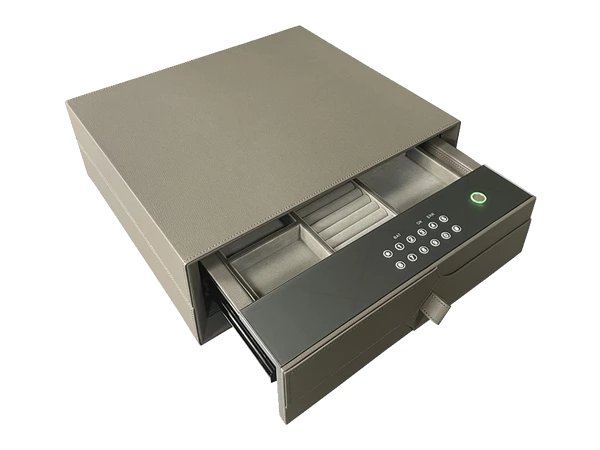
Dubai Client Case: Custom Hidden Safe for a Luxury Walk-In Closet
In a luxury home, security should feel considered rather than added as an afterthought.That was the central idea behind this Dubai project. The client wanted a secure place for jewelry, watches, private documents, cash, and personal items, but did not want a conventional metal safe to interrupt the appearance of the walk-in closet.
The solution was a custom hidden safe designed around the existing wardrobe environment. Instead of standing visibly in the room, the safe could be integrated into the cabinetry and concealed behind a coordinated furniture panel.When closed, it appears to be part of the closet. When opened, it provides organized access to valuable personal belongings.This balance of discretion, usability, and visual consistency makes the concept suitable for villas, penthouses, luxury apartments, private dressing rooms, and other high-end residential projects in Dubai and across the UAE.
Project Overview
| Project Detail | Information |
| Project Location | Dubai, UAE |
| Property Type | Luxury Private Residence |
| Application | Walk-In Closet and Dressing Area |
| Safe Type | Custom Hidden Furniture Safe |
| Main Storage Use | Jewelry, Watches, Documents, Cash and Personal Valuables |
| Concealment Method | Integrated Cabinetry or Coordinated Furniture Panel |
| Installation Options | Built-In Cabinet, Wardrobe Section or Custom Drawer Unit |
| Lock Options | Biometric, Electronic Keypad, Mechanical or Dual Access |
| Interior Options | Jewelry Trays, Watch Compartments, Drawers and Shelves |
| Customization | Size, Finish, Layout, Lock Type and Installation Method |
| Suitable Projects | Villas, Penthouses, Apartments and Luxury Renovations |
A Custom Hidden Safe Designed Around the Walk-In Closet
A standard safe may provide physical protection, but it often creates a visual problem inside a refined dressing room.The size may not suit the wardrobe structure. The finish may contrast with the surrounding cabinetry. The door may open in an inconvenient direction, or the safe may occupy valuable storage space without supporting the homeowner’s daily routine.For this reason, our design process begins with the closet rather than with a fixed safe model.We review the cabinetry arrangement, panel dimensions, internal lighting, drawer positions, access direction, available depth, surrounding finishes, and the way the owner uses the room. The safe is then planned around those conditions.
Depending on the space, a hidden closet safe may be installed:
- Behind a wardrobe door
- Inside a full-height cabinet
- Behind a coordinated decorative panel
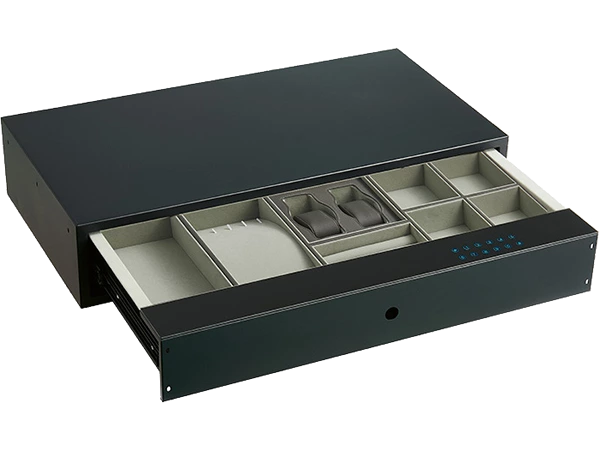
- Within a custom drawer unit
- Under a dressing counter
- Inside a wardrobe wall
- Behind a handle-free push-open panel
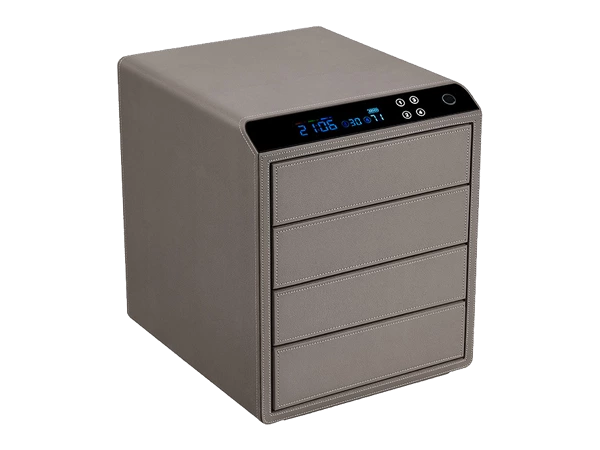
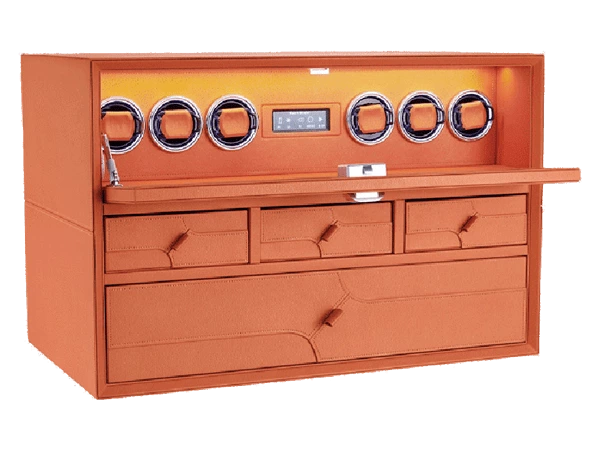
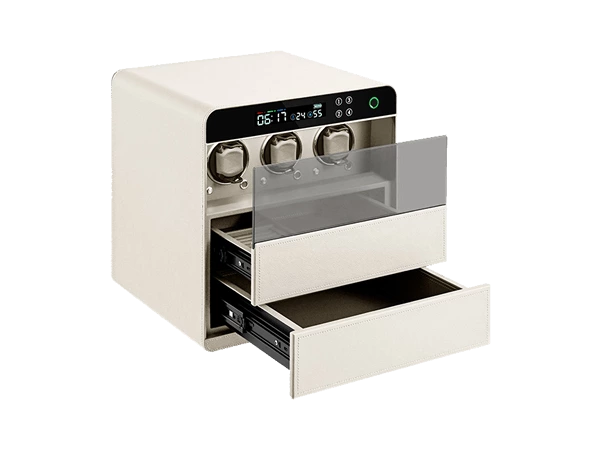
- Within a freestanding furniture feature
The concealment method should look natural when the safe is closed. It should not appear to be a separate product placed inside the room at a later stage.At the same time, the access area must remain practical. A hidden safe that is difficult to reach or awkward to operate will quickly become inconvenient, regardless of how discreet it looks.
The Client’s Main Requirements
The client wanted a secure storage area that would remain close to the dressing space without being immediately visible.
The main project requirements included:
- Discreet integration with the walk-in closet
- Convenient access to frequently used valuables
- Organized storage for jewelry and watches
- Space for documents, cash, and personal items
- An exterior finish coordinated with the surrounding cabinetry
- A suitable electronic or biometric access system
- Secure anchoring within the furniture or building structure
- Soft interior materials for delicate items
- A layout that would not interfere with the use of the wardrobe
These requirements shaped both the safe body and the surrounding furniture treatment.
The goal was not simply to hide a metal box. The goal was to create a practical storage solution that felt intentional within the room.
Hidden Storage for Jewelry, Watches, and Documents
A hidden jewelry safe is particularly useful when valuable items are used regularly.Moving jewelry or watches to a separate security room may offer protection, but it can be inconvenient for daily dressing. Leaving them in an ordinary wardrobe drawer, however, provides very limited security.A concealed safe inside the walk-in closet offers a middle ground. It keeps selected items close to the owner while placing them inside a dedicated, lockable structure.
Typical storage uses include:
- Fine jewelry and diamond pieces
- Luxury watches
- Rings, earrings, bracelets, and necklaces
- Passports and identity documents
- Property documents and title deeds
- Emergency cash
- Family heirlooms
- Sentimental items
- Data drives and small electronics
- Confidential papers
- Compact collectibles
The interior layout can be adapted according to the collection.A client with several watches may need deep watch compartments and removable cushions. A jewelry collection may require shallow lined drawers with ring slots, necklace sections, and separate spaces for earrings. Documents may require a full-width drawer or vertical storage area.Planning these details early helps prevent wasted space and creates a more useful safe interior.
Why Choose a Safe Hidden in Furniture?
A safe hidden in furniture offers a different approach from a visibly installed home safe.Physical protection remains important, but concealment adds another layer by reducing unnecessary attention. A safe that is not immediately visible is less likely to be noticed by visitors, temporary staff, contractors, or anyone unfamiliar with the property.
Discreet Placement
The safe can be positioned behind cabinetry, wardrobe panels, or furniture details that appear ordinary from the outside.The exact location is planned around the room rather than following a standard placement formula.
Better Interior Integration
A conventional safe may look out of place in a luxury dressing room. A custom furniture safe can be coordinated with the surrounding materials, proportions, and finishes.
Convenient Daily Access
Frequently used valuables remain close to the dressing area. The owner does not need to move between separate rooms whenever selecting a watch or piece of jewelry.
Efficient Use of Space
A built-in design can use cabinet space that might otherwise be difficult to access or poorly utilized.
Custom Interior Organization
The safe can be divided according to the actual collection rather than relying on one large, empty compartment.
Greater Privacy
The position and opening method are tailored to the home. This makes the location less predictable than a standard safe installed in an obvious corner.A hidden home safe should not rely on concealment alone, however. It still requires a suitable safe body, reliable locking system, and appropriate anchoring.
Furniture-Grade Finishes for Luxury Interiors
A walk-in closet is often one of the most carefully designed rooms in a luxury residence.It may include natural veneer, lacquered cabinetry, glass display doors, leather details, stone surfaces, integrated lighting, and custom metal hardware. Introducing an exposed industrial safe can disturb this visual consistency.For this project, the concealed safe concept was developed with the surrounding furniture in mind.
Possible exterior treatments include:
- Wood veneer panels
- Painted cabinet fronts
- Leather or microfiber leather finishes
- Fabric-covered panels
- Brushed metal accents
- Handle-free door designs
- Push-latch opening systems
- Drawer fronts matching adjacent units
- Decorative wall panels
- Custom metal hardware
- Coordinated interior lighting
The finish does not always need to copy every nearby material. In some interiors, a subtle contrast works well. The important point is that the safe and its access panel should feel deliberate rather than accidental.Material samples, color references, drawings, or photographs can be used during development to confirm the desired appearance.
Interior Finishes for Jewelry and Watch Protection
The inside of the safe should protect valuables as carefully as the exterior protects the room’s design.Hard, unfinished surfaces are not ideal for watches, polished jewelry, gemstones, or delicate metal pieces. Interior trays and drawers can therefore be lined with softer materials.
Available options may include:
- Microfiber lining
- Suede-effect material
- Velvet-style fabric
- Leather-effect surfaces
- Soft-touch drawer inserts
- Removable jewelry trays
- Padded watch cushions
- Protective compartment dividers
Interior colors can be selected to suit the wider design concept.Light neutral tones create a clean presentation, while darker materials can provide stronger visual contrast for gold, silver, and gemstones. The final choice should also consider maintenance and long-term use.
Available Locking and Access Options
The locking system should reflect how the safe will be used.A homeowner who accesses the safe every day may prefer fingerprint recognition or a digital keypad. A safe used mainly for documents may not require the same access speed. Some clients may also request two access methods for added flexibility.
Depending on the selected model, options may include:
- Fingerprint recognition
- Electronic keypad
- Password access
- Mechanical lock
- Fingerprint and password combination
- Dual-user access
- Concealed emergency key
- External emergency power connection
- Low-battery warning
- Incorrect-entry alarm
- Access records on compatible systems
Not every lock supports every function. The final configuration should be confirmed before production.For residential use, the lock should be easy for authorized users to operate while remaining discreet from outside the furniture.
Physical Security and Installation Planning
A visually refined exterior should not replace practical security planning.The safe body, door structure, locking bolts, hinges, anchoring points, and installation method must all suit the intended use.
Depending on the selected safe structure, physical protection features may include:
- Reinforced steel body
- Multi-point locking bolts
- Anti-pry door design
- Concealed hinges
- Tamper-resistant lock installation
- Internal locking compartments
- Floor or wall anchoring
- Cabinet reinforcement
- Concealed mounting
- Alarm functions on selected models
The best anchoring method depends on the surrounding construction.A safe installed inside cabinetry may need to connect to the floor, wall, reinforced cabinet structure, or a combination of these. Standard furniture panels alone may not provide sufficient support for a heavy safe.
Installation planning should therefore consider:
- Cabinet load-bearing capacity
- Wall construction
- Floor structure
- Available fixing points
- Safe weight
- Door opening direction
- Maintenance access
- Electrical requirements
- Surrounding clearances
Where a particular burglary rating or certification is required, it must be confirmed according to the selected safe model. A custom exterior finish does not automatically provide a certified security rating.
Hidden Safe Solutions for New Walk-In Closets
New wardrobe projects offer the greatest design flexibility.When the safe is planned at the same time as the walk-in closet, the cabinet dimensions, safe body, decorative panels, access direction, lighting, and anchoring can all be coordinated before manufacturing begins.
This approach makes it easier to control:
- Safe height and position
- Door clearance
- Panel alignment
- Drawer depth
- Interior access
- Wiring or power access
- Structural reinforcement
- Finish matching
- Future maintenance
The interior designer, safe manufacturer, wardrobe contractor, and installation team should exchange drawings early in the process.Even small dimensional differences can affect whether a panel closes correctly or whether a safe door can open fully.
Integrating a Hidden Safe into Existing Furniture
A concealed safe can also be considered for an existing walk-in closet, although the available options may be more limited.
The first step is to review the furniture and room conditions.
We assess:
- Available cabinet width, height, and depth
- Internal partitions
- Door and drawer positions
- Wall and floor access
- Cabinet construction
- Existing lighting
- Access direction
- Possible anchoring points
- The visual style of the surrounding furniture
In some cases, an existing wardrobe section can be modified to accommodate the safe. In others, a new cabinet module or coordinated furniture unit may be the more practical solution.The objective is to make the installation look original to the room rather than like a late addition.
Built-In and Freestanding Configurations
Although this Dubai project focuses on furniture integration, not every installation needs to be fully built in.
Built-In Hidden Safe
A built-in configuration is well suited to:
- New walk-in closets
- Bespoke wardrobe projects
- Master suite renovations
- Concealed wall cabinetry
- Luxury interior fit-outs
- Custom dressing room furniture
Its main advantage is visual integration.
Freestanding Furniture Safe
A freestanding furniture safe may be considered when:
- Existing cabinetry cannot be modified
- The safe may need to be relocated
- A decorative cabinet appearance is preferred
- The room has suitable floor space
- Installation needs to remain independent
A freestanding safe can still be designed with furniture-grade finishes and organized jewelry storage. It should also be anchored according to the model’s installation requirements.
Custom Configuration Options
Every project has different spatial, security, and storage requirements.The following elements can be discussed during the design stage.
Safe Dimensions
- Exterior width
- Exterior height
- Exterior depth
- Internal usable capacity
- Door thickness
- Number of drawers
- Drawer depth
- Shelf arrangement
Concealment Method
- Wardrobe door
- Decorative panel
- Custom drawer front
- Cabinet section
- Furniture wall
- Push-open panel
- Coordinated freestanding unit
Locking System
- Fingerprint lock
- Digital keypad
- Mechanical lock
- Dual-access lock
- Emergency opening method
- Selected alarm functions
Interior Layout
- Jewelry trays
- Watch cushions
- Ring slots
- Necklace compartments
- Bracelet sections
- Document drawers
- Cash storage
- Adjustable shelves
- Lockable inner compartments
- Removable inserts
Exterior Finish
- Wood veneer
- Painted cabinet finish
- Leather-effect covering
- Microfiber leather
- Fabric panel
- Metal trim
- Custom handle
- Handle-free panel
- Interior lighting
Actual customization options depend on the safe structure, project quantity, technical requirements, and installation conditions.
Custom Hidden Safe Specifications
Typical project specifications may include:
| Specification | Available Project Options |
| Product Type | Custom Built-In or Furniture-Integrated Safe |
| Application | Walk-In Closet, Dressing Room or Luxury Cabinetry |
| Safe Body | Reinforced Structure Selected for the Intended Use |
| Lock Options | Biometric, Electronic, Mechanical or Dual Access |
| Concealment | Wardrobe Door, Furniture Panel or Custom Drawer Front |
| Interior Storage | Jewelry, Watches, Documents, Cash and Valuables |
| Interior Finish | Soft-Lined Drawers, Trays and Compartments |
| Exterior Finish | Coordinated with Surrounding Cabinetry |
| Installation | Wall, Floor or Reinforced Furniture Anchoring |
| Lighting | Optional Internal Lighting Where Suitable |
| Dimensions | Confirmed According to Project Requirements |
| Suitable Properties | Villas, Penthouses, Apartments and Private Residences |
Exact dimensions, safe rating, locking method, internal fittings, and installation details are confirmed during the design stage.
Our Custom Design and Manufacturing Process
A successful hidden safe project requires more than selecting a model from a catalogue.It requires coordination between security requirements, furniture design, available space, manufacturing, and installation.
1. Private Project Consultation
We begin by understanding what the client plans to store, how often the safe will be accessed, where it may be positioned, and what level of discretion is expected.
Useful information includes:
- Property type
- Installation location
- Available dimensions
- Storage requirements
- Preferred lock type
- Interior design references
- Project schedule
- Delivery destination
2. Closet and Furniture Review
The walk-in closet layout, cabinetry, finishes, lighting, dimensions, and possible concealment points are reviewed.Drawings, photographs, or wardrobe plans can make this stage more accurate.
3. Concealment Concept
A placement concept is prepared based on usability, appearance, and installation conditions.The concept may involve a wardrobe door, false panel, drawer front, cabinet section, or separate furniture unit.
4. Safe and Interior Configuration
The safe size, lock system, interior storage layout, finish requirements, and opening direction are confirmed.This stage also considers jewelry trays, watch compartments, document storage, lighting, and emergency access.
5. Technical Confirmation
Dimensions, drawings, materials, colors, and installation requirements are reviewed before production.For built-in projects, the confirmed safe dimensions should also be shared with the wardrobe contractor.
6. Manufacturing and Quality Inspection
The safe structure, locking system, interior compartments, furniture panels, and decorative surfaces are manufactured according to the agreed specification.Functional and appearance checks are completed before packing.
7. Packaging and Delivery
Packaging is planned according to the safe size, weight, finish, transport method, and destination.Delivery and local installation arrangements in Dubai should be confirmed during the quotation stage.
8. Installation Coordination and Handover
Relevant installation information can be provided to the local contractor or project team.After installation, the user should receive guidance on lock operation, emergency access, battery replacement, care, and maintenance.
Pricing and Custom Quotation
There is no single price for every custom hidden safe.The final quotation depends on the size, safe body, lock system, internal configuration, exterior treatment, cabinetry complexity, and installation conditions.
Main pricing factors include:
- Safe dimensions
- Safe body construction
- Door and locking structure
- Lock type
- Number of drawers
- Jewelry tray configuration
- Watch storage requirements
- Interior lining
- Exterior finish
- Concealment method
- Custom furniture components
- Lighting requirements
- Packaging
- Order quantity
- Delivery destination
- Installation support
To prepare a more accurate quotation, please provide:
- Project location
- Property type
- Installation area
- Available cabinet dimensions
- Items to be stored
- Preferred access method
- Interior layout requirements
- Finish references
- Built-in or freestanding preference
- Required quantity
- Expected delivery schedule
Wardrobe drawings, room photographs, or reference images are especially helpful for built-in projects.
Who Is This Solution Designed For?
A custom hidden safe for a luxury walk-in closet is suitable for clients who value privacy, organization, and interior design as much as physical protection.
Typical clients include:
- Private villa owners
- Penthouse owners
- Luxury apartment residents
- Interior designers
- Architects
- Property developers
- Wardrobe manufacturers
- Joinery contractors
- Luxury fit-out companies
- Residential security consultants
- Jewelry and watch collectors
The solution is particularly relevant when a visible safe would conflict with the room’s design or reveal too much about where valuables are stored.
Why Work with a Custom Safe Manufacturer?
Custom projects often require coordination between several parties.Working directly with a manufacturer makes it easier to discuss safe dimensions, lock options, drawer layouts, decorative finishes, packaging, and installation requirements in one process.
Manufacturer support may include:
- Product selection
- Custom dimension evaluation
- Lock recommendation
- Jewelry interior planning
- Exterior finish coordination
- Technical drawing confirmation
- OEM or private-label options
- Packaging design
- International delivery planning
- Installation reference information
For designers and contractors, early technical coordination can reduce site changes and help the safe fit correctly within the furniture.
Frequently Asked Questions
Can the safe be completely hidden inside a walk-in closet?
Yes. Depending on the furniture design, the safe may be concealed behind a wardrobe door, custom panel, drawer front, or cabinet section. The final method depends on the available space and installation structure.
Can the safe be added to an existing closet?
In many cases, yes. The existing cabinet dimensions, partitions, anchoring conditions, and opening clearances must first be reviewed. Some installations may require a new cabinet module.
What can be stored inside a hidden closet safe?
The interior can be planned for jewelry, watches, passports, property documents, cash, data drives, sentimental items, and other compact valuables.
Can the interior layout be customized?
Yes. Available options may include ring slots, necklace sections, watch cushions, jewelry trays, document drawers, shelves, and removable inserts.
Are fingerprint and digital locks available?
Compatible models may be configured with fingerprint recognition, digital keypad access, mechanical access, or dual-access systems. Exact functions depend on the selected lock.
Can the exterior match the wardrobe?
The visible panel or surrounding furniture elements can be coordinated with wood veneer, painted cabinetry, leather-effect materials, metal trims, or other available finishes.
Does a concealed safe still need anchoring?
Yes. Concealment does not replace secure installation. The safe should be anchored to a suitable wall, floor, or reinforced furniture structure according to the selected model.
Can the safe include internal lighting?
Optional internal lighting may be added where the product structure and power arrangement allow it.
Can you manufacture custom sizes?
Custom dimensions may be available after technical evaluation. The safe structure, lock system, quantity, installation space, and manufacturing limitations must be considered.
Can you supply hidden safes for projects in Dubai?
Yes. We can support product configuration, custom manufacturing, packaging, and international delivery planning for villa, penthouse, apartment, and interior fit-out projects in Dubai and the UAE.
Request a Private Consultation in Dubai
A hidden safe is more than a storage product. It is part of how a private residence manages security, access, and discretion.When properly planned, the safe can sit naturally within the walk-in closet, remain convenient for the homeowner, and avoid disrupting the design of the room.Share your closet layout, installation dimensions, preferred access method, interior storage requirements, and finish references with our team. We will review the project and recommend a suitable built-in or furniture-integrated safe configuration.Contact us to request a customized quotation for a hidden closet safe designed for your villa, penthouse, apartment, or luxury residential project in Dubai.