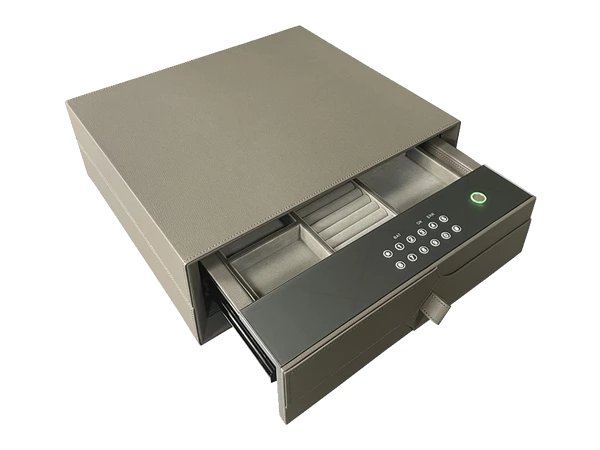
How We Helped a UAE Interior Design Company Integrate Jewelry Safes into Walk In Closets
This page presents a discreet safe-in-closet integration service for interior designers, homeowners, and project teams who want secure jewelry storage without disrupting a luxury dressing room concept. For a UAE interior design company, the goal was simple: make Jewelry Safes feel like part of the walk-in closet, not an afterthought. The result was a product-led solution built around placement, access, finish coordination, and practical daily use.
What was included in the closet safe integration?
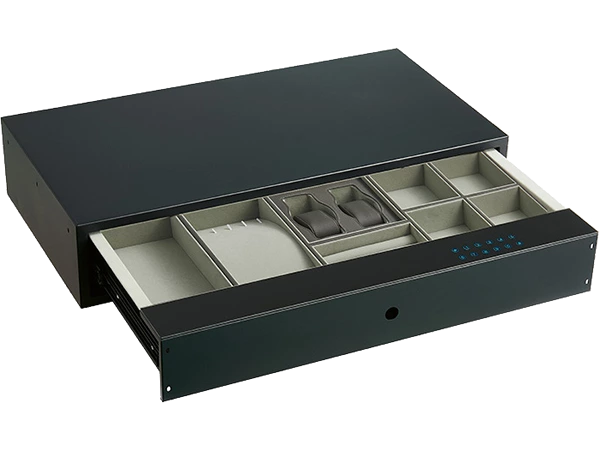
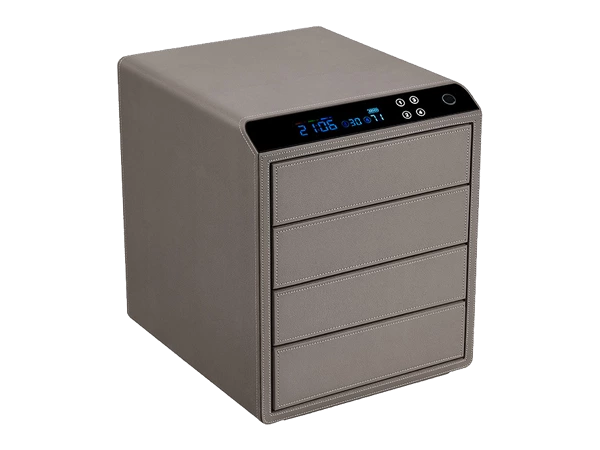
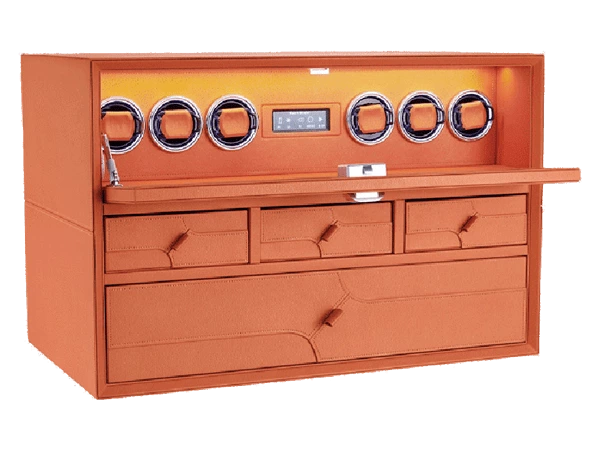
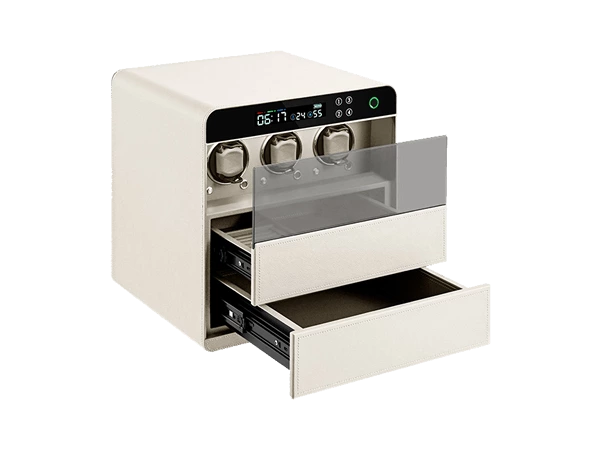
The integration centered on placing a jewelry safe box for home use inside the walk-in closet plan while preserving the designer’s visual language. Instead of treating the safe as a separate appliance, the specification process considered how the client would open drawers, select accessories, use lighting, and move through the dressing area. That made the safe easier to use every day and easier for the design company to present as part of a complete jewelry storage solution.
The service can support designers who need custom jewelry safes, decorative safes, or more understated jewelry safes for closets. Exact dimensions, locking options, finishes, installation requirements, and pricing depend on the selected safe model and project conditions, so the process begins with a design-led consultation rather than a one-size-fits-all quote.
A secure feature that respects the room design
Luxury walk-in closets are carefully planned spaces. Materials, reveals, drawer lines, lighting temperature, and hardware choices all work together, so a bulky visible safe can break the look quickly. Interior design safes solve that problem by bringing security planning into the layout stage, where the safe can be positioned with the same care as cabinetry, mirrors, shoe storage, and accessory drawers.
For the UAE interior design company, the practical challenge was balance. The jewelry safe needed to feel accessible enough for daily wear pieces but private enough for high-value items. By coordinating the safe location with closet circulation and cabinetry design, the final concept supported both discretion and usability.
Product options for refined jewelry storage
The right safe depends on how the homeowner stores and uses jewelry. Some clients need compact protection for watches and heirloom pieces. Others need a more developed interior with drawers, trays, and compartments that keep collections organized as well as secured.
Available planning considerations can include:
- Closet placement: concealed within cabinetry, positioned behind doors, or located in a dedicated accessory zone.
- Interior organization: space planning for rings, watches, necklaces, bracelets, documents, or small valuables.
- Exterior appearance: decorative safes or cabinet-integrated finishes that support the wider interior concept.
- Access style: selected according to the safe model, user preference, and project security requirements.
- Installation readiness: coordination with joinery, wall structure, door swing, lighting, and nearby storage.
- Future usability: a layout that makes it easy to return pieces to the right place instead of leaving them exposed.
These details matter because a safe that is difficult to reach often goes unused. A safe that is planned into the client’s dressing routine becomes part of the room’s function.
Designed for interior designers and private residences
This service is especially useful for design firms working on high-end villas, penthouses, private residences, and bespoke wardrobe projects. It helps designers specify jewelry safes early, when adjustments to joinery and layout are still possible. That reduces the risk of last-minute compromises, such as visible hardware, awkward door clearances, or a safe that does not align with the cabinetry concept.
It also suits homeowners who are already investing in made-to-measure closet interiors. A well-planned jewelry safe box for home storage can protect valuable pieces while keeping the morning and evening routine elegant. Instead of moving jewelry between a dressing table, drawer, and separate safe room, the owner can keep selected valuables closer to where they are actually worn.
Benefits of integrating the safe into the closet
A closet-integrated safe is not only about concealment. It improves the relationship between security, organization, and interior design. When the safe is treated as a design feature, it can support the room rather than competing with it.
Key benefits include:
- Cleaner visual result: the safe can be coordinated with cabinetry instead of appearing as a standalone box.
- Better daily habits: jewelry is more likely to be secured when storage is placed where the owner gets dressed.
- Improved organization: trays and internal planning can separate delicate pieces and reduce clutter.
- Project coordination: designers can account for access, depth, and installation needs before joinery is finalized.
- More confident client presentation: the safe becomes part of the full closet concept, not a late security add-on.
For many luxury interiors, this is the difference between “we found a place for the safe” and “the safe belongs here.”
Pricing and specification are tailored to the project
Because custom jewelry safes vary by size, finish, internal layout, lock type, installation context, and decorative treatment, pricing should be confirmed after the project requirements are reviewed. A compact safe integrated into a single cabinet bay will not carry the same specification as a larger decorative safe planned into a complete walk-in closet system.
The most efficient starting point is to share the closet layout, preferred safe location, design style, and the type of jewelry storage solutions required. From there, the safe can be matched to the room’s practical needs and aesthetic direction. If the cabinetry is already in production, the review can focus on what is still possible without forcing unnecessary redesign.
A practical workflow for design teams
The process is structured to help designers move from idea to specification with fewer unknowns. It keeps security, cabinetry, and user experience connected from the beginning.
Typical steps include:
- Review the closet concept: layout drawings, elevations, finishes, and intended jewelry storage zones are assessed.
- Define the storage need: the project team identifies whether the safe is mainly for jewelry, watches, documents, or mixed valuables.
- Select the safe direction: options are narrowed around size, access, internal organization, and design integration.
- Coordinate with joinery: cabinet depth, door swing, anchoring, service access, and visual concealment are considered.
- Finalize the specification: the design team receives a clear direction for the safe solution before procurement or installation.
This workflow helps avoid a common problem: choosing the safe after the closet has already been built. Early coordination gives the project more control over both appearance and function.
Bring secure storage into the design brief
Jewelry Safes should not feel separate from a luxury walk-in closet. When planned correctly, they can support the client’s lifestyle, protect valuable pieces, and preserve the elegance of the interior. That is the value of integrating jewelry safes for closets through a design-aware specification process.
If you are designing a private dressing room, luxury wardrobe, or residence in the UAE, start the safe conversation before the joinery is finalized. Share your closet concept, preferred placement, and storage requirements to explore a jewelry safe solution that fits the room as carefully as the cabinetry itself.