How Are Smart Drawer Safes Changing Luxury Home Security and Furniture Design
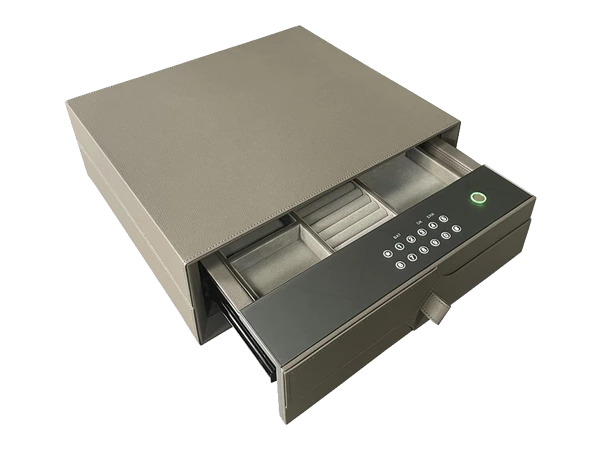
Smart drawer safes bring electronically controlled secure storage into furniture, making protection part of a room’s design rather than an awkward addition. Biometric in-drawer models already offer a practical example: valuables remain close at hand without a separate freestanding cabinet. For luxury homeowners, the opportunity is to combine discreet placement, convenient access, and thoughtful interiors—but the electronics deserve as much scrutiny as the finishes.
How do smart drawer safes fit into luxury furniture?
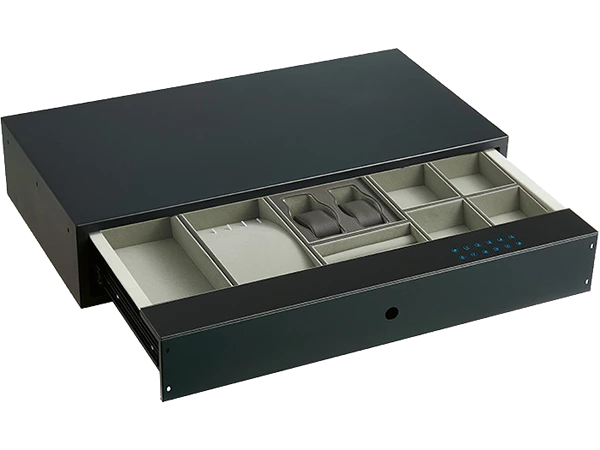
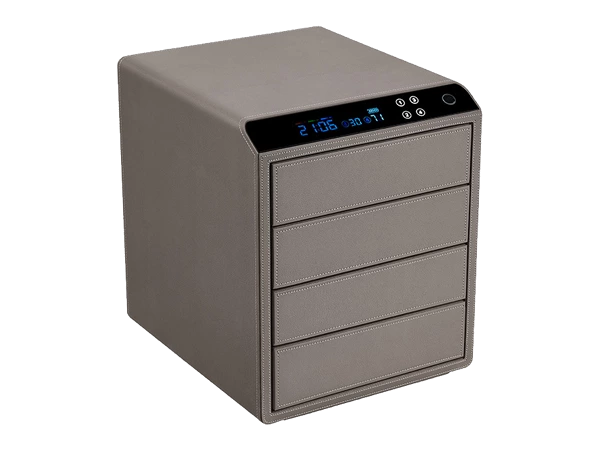
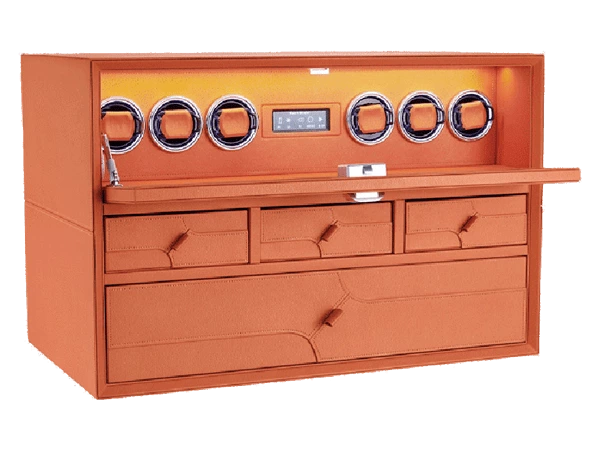
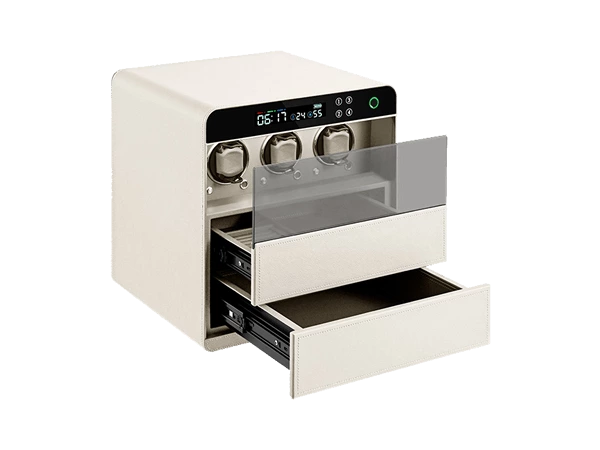
A smart safe for furniture integrates an electronically locked enclosure into a drawer, cabinet, or purpose-designed furniture unit. Depending on the design, the safe sits inside an ordinary drawer or forms the secure drawer itself. Manufacturers offer biometric in-drawer products, while bespoke safe makers can coordinate cabinetry finishes and internal layouts with the surrounding interior.For a dressing room, consider a shallow jewelry compartment beneath the surface where pieces are selected each morning. In a study, plan around passports and documents rather than assuming a jewelry-sized enclosure will work. Start with the items and the daily routine; then determine the furniture dimensions.
Treat installation as a design decision, not a final accessory purchase. Ask the cabinetmaker and safe supplier to agree on these details before production:
- Usable interior dimensions: Check the largest item, including its case or folder, against the actual storage space.
- Opening clearance: Allow room to extend the drawer and open any separate lid without hitting the countertop.
- Structural support: Obtain the safe’s weight and installation requirements before specifying the cabinet.
- Service access: Keep batteries, emergency power terminals, and authorized maintenance points reachable after fitting.
Convenience is changing the access experience
The useful innovation is not simply replacing a key with a screen. Smart safes can combine several access methods and provide information about use. Yale, for example, offers app, keypad, and key access, along with an activity feed; remote access and notifications depend on the model. Biometric safes offer fingerprint entry, and some include automatic locking, internal lighting, and diagnostic checks. These are product-specific capabilities, not universal features.Choose the features that solve an actual household problem. Fingerprint access may suit frequent personal use, while individually managed credentials deserve consideration when more than one person needs entry. Request a demonstration of adding and removing users rather than relying on a feature list.Also separate local access from connected access. Ask whether the safe opens without internet service, which functions need a bridge or subscription, and what happens if a phone disappears. Yale’s documentation, for instance, distinguishes connected functions from keypad and physical-key entry and provides an external battery-power option. Build those recovery steps into your decision.

What protection should you expect beyond a smart lock?
Expect only the protection supported by the exact model’s construction, installation instructions, and independent testing—not by the word “smart.” UL evaluates burglary-resistant safes and residential security containers under different standards, while fire resistance involves separate testing. A fingerprint reader or app does not establish either rating.Hidden safes deserve the same scrutiny as visible ones. Ask for evidence covering the complete enclosure, rather than accepting a lock specification as proof of overall protection. Check the anchoring method against the manufacturer’s instructions; Yale, for example, supplies mounting provisions for securing its safe to a wall or floor.
Keep the purchasing conversation specific:
- Burglary resistance: Request the applicable certification and verify which model it covers.
- Fire protection: Ask for a separate rating appropriate to the intended contents; do not infer it from steel construction.
- Installation: Have the supplier identify the required mounting surface and fastening method.
- Recovery: Review the documented process for depleted batteries, forgotten credentials, and lost keys before storing valuables.
UL distinguishes security-focused containers from fire-resistant containers, and Yale explicitly states that its Smart Safe is not fireproof or waterproof certified. That distinction matters more than a polished appearance.
Customization should follow the collection
Bespoke interiors can include fitted jewelry compartments, leather or suede finishes, and layouts coordinated with cabinetry. Their practical value lies in matching the space to the collection rather than simply making the enclosure look expensive. Custom safe makers offer these options, but availability varies.Prepare an inventory before requesting drawings. Specify space for necklaces laid flat, watches with their bracelets closed, or documents kept in folders. Leave room for likely additions, and request removable inserts where your needs may change.Decide whether discretion or display matters more. Consider hidden integration when uninterrupted cabinetry is the priority; consider a visible furniture-grade safe when the object itself belongs in the room’s design. Both approaches exist, so choose intentionally rather than treating concealment as the only luxury option.
OEM collaboration belongs at the drawing stage
For furniture brands, an OEM drawer safe project should begin with a shared specification. Ask the smart drawer safe manufacturer to document enclosure dimensions, mounting requirements, controls, power access, and service procedures. Give the furniture team responsibility for checking those requirements against the proposed cabinet.Request a working sample before approving a production run. Test it with the intended drawer front, runners, contents, and surrounding panels. Include battery replacement and emergency access in that trial—not just a successful fingerprint demonstration.
Make security part of everyday living
The strongest brief combines safe storage requirements with furniture planning from the outset. Choose verified protection first, then refine access, placement, and interior organization. That keeps home security central while allowing the finished furniture to feel deliberate, comfortable, and distinctly personal.