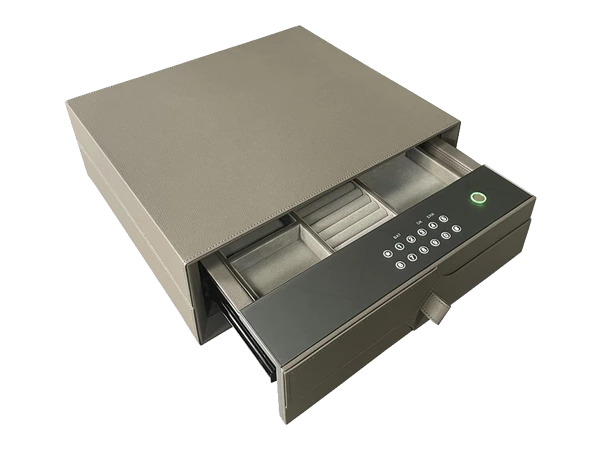
Our Experience Meeting Interior Designers at a Saudi Arabia Home Design Exhibition
At a Saudi Arabia home design exhibition, our most valuable conversations were not only about finishes, forms, and room layouts. They were about how secure storage can become part of a luxury interior rather than an afterthought. For jewelry, watches, and personal valuables, designers wanted solutions that protect, organize, and disappear beautifully into the design language of a home, suite, dressing room, or private office.What stood out most was the practical way interior designers in Saudi Arabia approached security. They were interested in drawer systems that felt refined enough for high-end interiors, but dependable enough to support everyday use.
What did interior designers in Saudi Arabia want from secure jewelry storage?
Interior designers in Saudi Arabia wanted secure storage that balances three things: protection, presentation, and integration. A jewelry drawer for safe use cannot simply be a metal compartment with a lock; it needs to preserve delicate pieces, support daily routines, and look appropriate inside a carefully specified interior. The best conversations focused on how the drawer would work in real life, from a client selecting a watch in the morning to a hotel guest storing valuables discreetly.
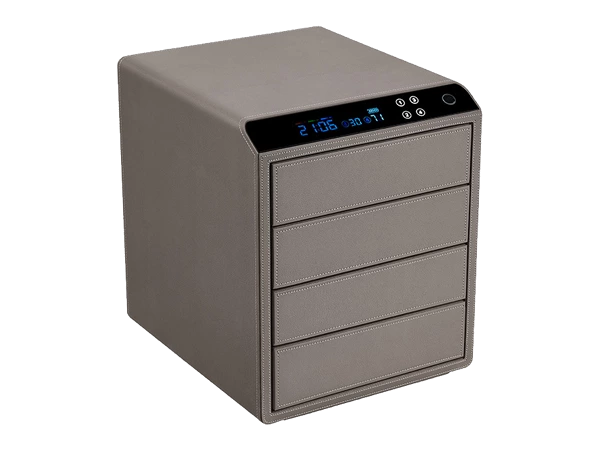
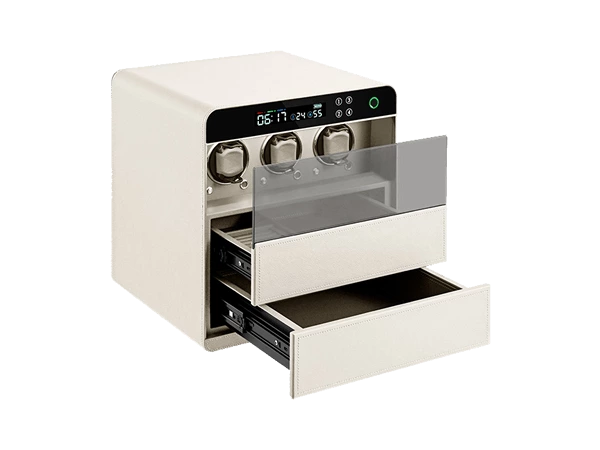
Many designers were especially interested in solutions that could sit inside larger safe systems while still feeling like bespoke furniture. They asked about soft-lined compartments, watch cushions, removable trays, hidden fixing points, smooth opening mechanisms, and finishes that would not clash with surrounding joinery. In luxury residential projects, a safe jewelry drawer may be installed behind cabinetry, inside a walk-in wardrobe, or within a dressing island. In hospitality projects, the same idea may need to be more compact, intuitive, and durable.
The recurring message was clear: security should not interrupt the room. It should support the lifestyle the room is designed for.

The exhibition showed how security and design now overlap
Home design exhibitions in Saudi Arabia attract a wide mix of designers, suppliers, developers, and project decision-makers. That mix matters because secure storage is rarely chosen by one person alone. A homeowner may care about convenience, a designer may focus on aesthetics, a contractor may need installation clarity, and a supplier may need to confirm technical compatibility.
This is where the broader interior design Saudi market feels especially interesting. Luxury interiors are often expected to be highly customized, yet also practical for daily family life, guest hosting, and long-term durability. Designers we met were not looking for generic safe boxes. They were exploring how a drawer safe could be specified in the same thoughtful way as wardrobe hardware, lighting, stone, leather, or architectural millwork.
That shift creates space for more refined products. A safe can be hidden, but the drawer inside still needs to feel intentional. When a client opens it, the experience should match the surrounding design: quiet movement, organized compartments, tactile materials, and a sense of control.
Design details that mattered in our conversations
The most productive discussions were specific. Designers did not only ask whether a drawer locks. They asked how it opens, where it fits, what it holds, and how it can be maintained.
Key decision points included:
- Compartment planning: Rings, necklaces, bracelets, cufflinks, watches, documents, and small valuables all require different depths and dividers.
- Material selection: Soft linings can help reduce scratching, while anti-tarnish considerations may matter for certain metals and storage habits.
- Humidity and climate awareness: In warm climates, designers often think carefully about ventilation, room conditioning, and materials that remain stable over time.
- Access style: Some clients prefer a sliding drawer safe that feels effortless inside cabinetry, while others prefer a more traditional internal tray system.
- Visual discretion: A secure drawer should not announce itself, especially in private dressing areas, guest suites, or executive spaces.
- Technology compatibility: Electronic locks, smart home coordination, and layered access control may be considered when the wider project supports them.
These details are not decorative extras. They affect whether the storage is used every day or ignored because it feels inconvenient.
Watch storage has its own design logic
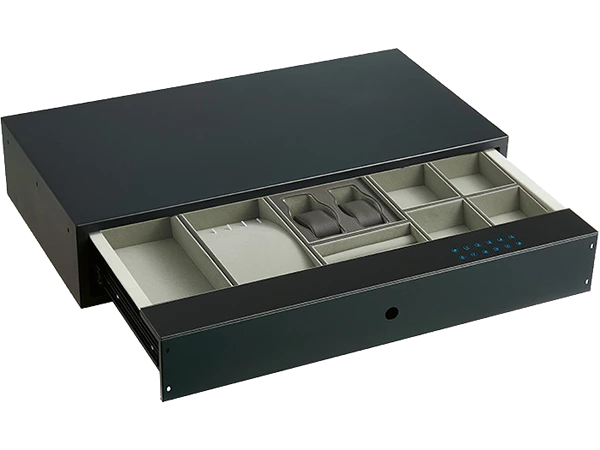
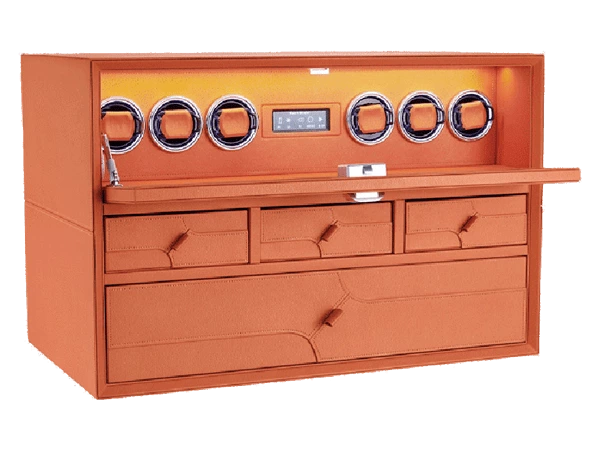
A drawer safe for watches needs more than open space. Watches can be bulky, delicate, and personally meaningful, so the drawer layout should keep them separated, visible, and easy to retrieve. Designers asked about cushions, spacing, drawer height, and whether the system could hold mixed collections that include watches, jewelry, and other personal pieces.For clients with several timepieces, a watch drawer safe can make the storage experience feel orderly rather than improvised. Each watch has a dedicated place, reducing contact between items and making the collection easier to view. This is especially useful in dressing rooms where the morning routine is designed around convenience and presentation.A good watch drawer should also respect the surrounding interior. The lining, handle detail, opening motion, and lighting all contribute to the overall experience. If the room uses warm wood, leather, bronze, or stone, the safe interior should not feel like an unrelated industrial object.

Which safe drawer format fits the project best?
The right safe drawer format depends on the type of project, the valuables being stored, and how often the client needs access. A compact drawer may suit a hotel suite or apartment, while a larger customized system may be better for a villa dressing room, private lounge, or master wardrobe. Designers benefit from thinking about use case before choosing size, finish, or locking technology.
Here is a practical way to compare common options:
| Safe drawer type | Best suited for | Design advantage | Planning consideration |
| Sliding drawer safe | Dressing rooms, wardrobes, concealed joinery | Easy access with a furniture-like feel | Needs accurate clearance and installation planning |
| Safe jewelry drawer | Rings, necklaces, bracelets, mixed valuables | Organized compartments and elegant presentation | Divider layout should match the client’s collection |
| Drawer safe for watches | Watch collections and daily accessories | Keeps pieces separated and easy to view | Requires enough depth for cushions and larger cases |
| Watch drawer safe with mixed compartments | Clients storing watches and jewelry together | Flexible for evolving collections | Needs careful zoning to avoid clutter |
This comparison helped many conversations move from “we need a safe” to “we need the right storage experience.” That change in thinking is important. A safe is a security product, but inside a luxury interior, it is also part of the user journey.
Local expectations shape product specification
Discussions with interior designers in Jeddah Saudi Arabia and visitors from other cities highlighted the importance of local lifestyle and project context. In some homes, jewelry and watches may be part of daily dressing rituals. In others, secure storage may be used for special occasions, travel preparation, or family heirlooms. The same product will not fit every client.Saudi interiors often combine international design references with local preferences around privacy, hospitality, and quality. This means secure drawers need to be both discreet and refined. A bulky standalone safe may not suit a highly detailed dressing room, while a poorly organized internal tray may not meet the expectations of clients investing in custom interiors.For designers competing among the best interior designers in Saudi Arabia, the difference is often in these details. Thoughtful storage can make a project feel more complete because it solves a real problem without compromising the visual concept. It also gives clients confidence that valuable items have been considered as part of the home, not as an afterthought.
How designers can specify a jewelry drawer for safe integration
The most successful specifications begin early. If the safe drawer is considered only after cabinetry is complete, the choices become limited. When it is planned during the design phase, the team can coordinate dimensions, access, electrical needs, ventilation, finishes, and installation requirements.
A useful specification checklist includes:
- Define the collection. Estimate what the client stores now and what may be added later: watches, sets, loose pieces, documents, or small valuables.
- Choose the access point. Decide whether the drawer belongs in a wardrobe, dressing island, wall cabinet, bedside unit, or dedicated safe area.
- Confirm dimensions early. Drawer depth, width, clearance, and load requirements should be coordinated with joinery and safe construction.
- Select interior materials carefully. Linings, dividers, cushions, and tray finishes should protect valuables and align with the design palette.
- Plan lighting and visibility. Subtle internal lighting can improve usability, but it should be coordinated safely and professionally.
- Review lock and security needs. Mechanical, electronic, or smart-enabled access should match the client’s comfort level and the project’s security plan.
- Coordinate maintenance. Removable inserts, cleanable surfaces, and service access help the solution stay practical over time.
This approach gives top interior designers in Saudi Arabia a clearer path from concept to installation. It also helps suppliers respond with more accurate recommendations, rather than offering a generic product that may not fit the room.
A refined safe should feel effortless
One of the strongest lessons from the exhibition was that clients do not want to choose between beauty and security. They want both. Designers are responding by treating secure drawers as part of the interior architecture, especially in high-end residential and hospitality spaces.That mindset changes the conversation. Instead of asking where to hide a safe, the design team asks how secure storage can support the way the space is used. A well-planned jewelry drawer or watch drawer can make daily routines smoother, protect valuable pieces, and preserve the calm, polished feeling of the room.
Our takeaway from meeting designers in Saudi Arabia
Meeting interior designers in Saudi Arabia confirmed that the market is ready for secure storage solutions with more design sensitivity. The interest was not only in stronger locks or heavier materials, but in better integration, better organization, and a more elevated user experience.For homeowners, developers, and designers, the lesson is simple: plan the safe drawer as part of the interior, not as a last-minute accessory. When security, materiality, and layout are considered together, a drawer safe can become one of the quiet details that makes a luxury space truly work.