What We Learned About Smart Safe Demand at a Middle East Furniture Exhibition
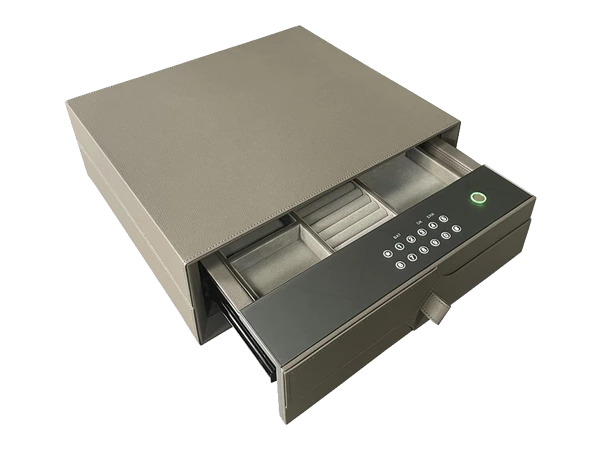
The strongest lesson from a recent Middle East furniture exhibition was clear: hotel safes are no longer being treated as afterthoughts. Buyers, designers, and hospitality operators are looking at the electronic hotel drawer safe as part of a wider smart-room ecosystem, where secure storage, guest convenience, and operational control all matter. As hotels invest in smarter interiors, demand is shifting toward discreet, connected, and easy-to-manage safe designs.
Why is demand for hotel drawer safes getting smarter?
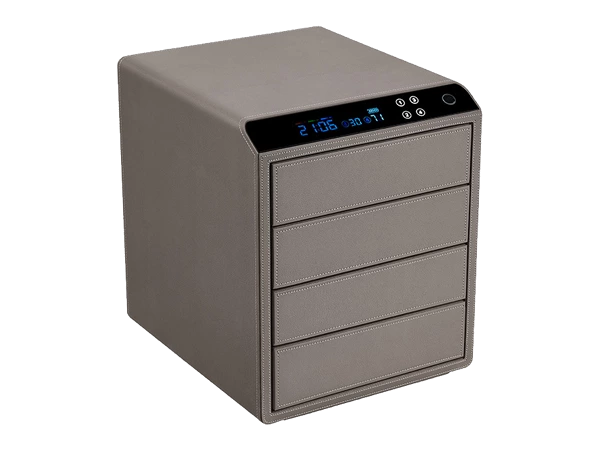
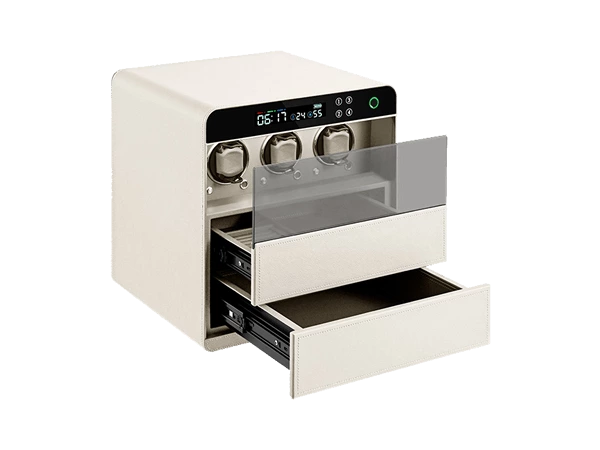
Demand is getting smarter because hotel rooms themselves are becoming smarter. In the Middle East, large hospitality, residential, and mixed-use projects are raising expectations for integrated furniture, digital convenience, and better guest-room security. Saudi Arabia’s furniture market, for example, is forecast to grow through 2034, with hospitality development and Vision 2030-linked infrastructure cited as important demand drivers.That context matters for safe manufacturers and hotel procurement teams. When a room is being designed around connected lighting, smart thermostats, app-based access, and premium built-in furniture, a basic metal box in the wardrobe feels out of place. A Smart Safe or electronic drawer safe that fits cleanly into a bedside unit, desk, closet module, or wardrobe drawer feels more aligned with the modern hotel room.The exhibition also showed that buyers are not only asking, “Can this safe lock?” They are asking, “Will guests understand it quickly? Can staff manage it efficiently? Does it fit the furniture package? Does it create cybersecurity or maintenance headaches?” That is a much more mature conversation.

Smart safe demand is being pulled by hotel design, not just security
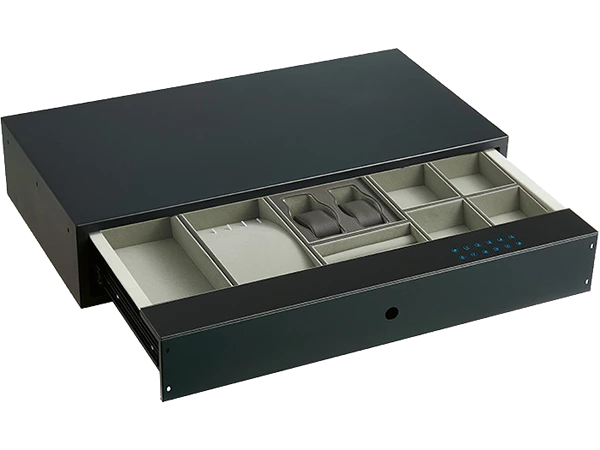
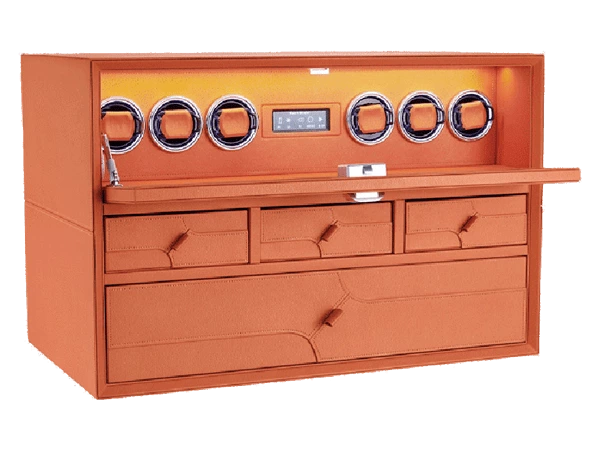
A hotel safe used to be discussed mainly as a security accessory. Now it is increasingly part of the furniture specification. Interior designers want clean sightlines, operators want durable room assets, and guests want secure storage options that feel intuitive rather than intimidating.This is where the drawer format gains attention. A drawer safe with electronic lock can be hidden within the furniture plan instead of occupying visible floor or wardrobe space. For luxury and lifestyle hotels, that supports a more residential room feel. For business hotels, it can keep laptops, passports, watches, and travel documents close to the desk or bed, where guests are likely to use them.
Several demand signals stood out:
- Integrated furniture packages: Hotels want safes that can be specified alongside case goods, wardrobes, desks, and nightstands rather than added late in the project.
- Guest-friendly interfaces: Simple keypads, clear displays, and easy reset workflows matter because every confusing interaction can become a front-desk call.
- Operational visibility: Features such as audit trails, room linking, service codes, and controlled override processes help hotels manage lockouts and disputes.
- Compact luxury: High-end rooms still need practical storage, but designers increasingly prefer concealed, space-efficient products.
- Retrofit potential: Existing properties are looking for upgrades that improve room security without major renovation work.
This shift does not mean every hotel needs fully connected high-tech safes. It does mean the safe is being judged by how well it supports the room experience, the staff workflow, and the brand standard.
How are smart furniture trends changing what buyers expect from a Smart Safe?
Smart furniture trends are pushing buyers to expect a safe that behaves less like a standalone box and more like a coordinated room component. In smart homes and smart hotels, devices are increasingly evaluated for interoperability, data handling, ease of installation, and compatibility with broader systems. Matter, the smart-home standard backed by the Connectivity Standards Alliance, is designed to give connected devices a common language so products from different makers can work together more easily.For hotel safes, this does not mean every safe must connect to a guest’s app or a hotel cloud platform. In many properties, a local electronic lock with strong service controls may be the better choice. But the larger smart home security trend is influencing expectations: buyers want devices that are simple, reliable, and not trapped in awkward proprietary ecosystems.
The safe is becoming part of the smart-room conversation
Hotel rooms already contain many smart security devices, from electronic door locks to occupancy sensors and access-control systems. A safe may not need to share data with all of them, but it does need to coexist with them. That means stable power planning, sensible network decisions, clear staff permissions, and documented maintenance procedures.The most promising smart safe solutions are not necessarily the most complicated ones. They are the products that balance guest usability with controlled staff access. For example, an electronic lock can let guests set their own temporary code, while hotel staff use defined emergency procedures when a guest forgets the code or checks out with the safe locked.
Drawer safes answer a practical furniture problem
The electronic drawer safe is gaining attention because it solves a design problem as much as a security problem. Floor-standing safes can be bulky. Wardrobe safes can compete with luggage storage. Drawer safes can be built into furniture that already exists in the room.That matters in compact urban hotels, serviced apartments, and premium suites where every centimeter has a job. A drawer safe can sit inside a desk pedestal for business travelers, inside a closet drawer for luxury guests, or in a bedside unit for easier access. The value is not only concealment; it is convenience.
Electronic features can improve control when they are well managed
Electronic hotel safes often support features such as guest codes, master codes, override keys, audit trails, time settings, and service tools. Hospitality safe suppliers commonly position audit trails as useful for reviewing safe activity and reducing uncertainty during guest claims or maintenance events.Those features are only helpful when the hotel has a policy behind them. Who can override a safe? How are master credentials protected? How are batteries checked? How are access logs handled? Smart technology improves accountability only when operations teams treat it as part of the security process.
Electronic drawer safes and mechanical safes serve different hotel needs
Mechanical safes still have strengths: they can be simple, familiar, and less dependent on electronics. But in many hospitality settings, electronic safes offer a better fit for guest turnover, staff support, and room-level management. The right choice depends on hotel category, guest profile, maintenance capability, and risk tolerance.
| Decision point | Mechanical safe | Electronic drawer safe |
| Guest experience | Familiar but may feel dated or less intuitive | Quick code setting, modern interface, easier for short stays |
| Staff support | May require key control or manual intervention | Can support service codes, override tools, and audit functions |
| Furniture integration | Often bulkier or less flexible | Easier to conceal in drawers, desks, or wardrobes |
| Maintenance | Fewer digital parts, but keys and combinations still need control | Requires battery checks, credential control, and staff training |
| Best fit | Low-tech environments or specific back-of-house uses | Modern guest rooms, business hotels, luxury fit-outs, serviced apartments |
The point is not that one format wins everywhere. The point is that hotels are increasingly asking for safe products that match the operating model of the property. A resort with long-stay guests may prioritize capacity and durability. A business hotel may prioritize laptop storage and fast guest use. A luxury property may prioritize invisible integration and premium finish alignment.
Adoption still depends on cost, trust, and implementation
Interest in smart safes is rising, but adoption is not automatic. Hotel buyers are cautious because guest-room technology affects maintenance budgets, staff training, data responsibility, and brand trust. The more connected the device, the more carefully it must be selected and managed.Cybersecurity is now part of that conversation. Hospitality technology groups warn that IoT devices add risk when they are not inventoried, segmented, monitored, and governed properly. Guidance for hotel IoT security emphasizes isolating devices on network segments so a compromised device does not gain access to sensitive hotel systems.That is especially relevant when safe buyers consider cloud-connected features. A locally controlled electronic safe may be enough for many hotels. If a safe connects to a wider platform, the hotel should ask harder questions about encryption, update policies, access permissions, vendor support, and data minimization.
A practical buying checklist includes:
- Fit and installation: Confirm drawer dimensions, anchoring method, ventilation needs, and furniture compatibility before approving the room package.
- Guest usability: Test the keypad, display, instructions, lighting, and code-reset flow with non-technical users.
- Access control: Define who can open a safe, under what conditions, and how every override is recorded.
- Maintenance plan: Schedule battery replacement, lock testing, emergency tool control, and staff refresh training.
- Cybersecurity review: For connected models, involve IT early and confirm network segmentation, firmware support, and vendor security documentation.
- Lifecycle cost: Look beyond purchase price to installation, spares, support, staff time, and replacement cycles.
This checklist helps prevent a common mistake: choosing a smart feature because it sounds impressive, then discovering later that the hotel does not have the process to support it.

Regional hospitality growth is widening the opportunity
The Middle East is a strong environment for this category because so much hospitality growth is happening alongside new furniture procurement. New hotels, branded residences, serviced apartments, and destination projects all require room furniture at scale. In Saudi Arabia, official tourism materials highlight major Vision 2030 tourism megaprojects, including destinations with hotels, resorts, residences, restaurants, and cultural assets.
For safe suppliers, that creates several entry points. The first is large new-build hotel fit-outs, where the safe can be specified early with the furniture manufacturer. The second is refurbishment, where an existing room can gain a more modern security experience through a drawer-based unit. The third is serviced apartments and branded residences, where guests may stay longer and expect both comfort and secure storage.
This is also where distribution matters. Buyers at a furniture exhibition are not always looking for a loose product; they are looking for a dependable supply chain, regional support, and compatibility with the furniture vendors already involved in the project. A good product still needs clear installation guidance, spare parts availability, and responsive after-sales service.
The strongest opportunity is balanced smartness
The biggest lesson from the exhibition was that demand is not simply for the most advanced safe possible. It is for balanced smartness: enough technology to improve convenience and control, without adding unnecessary complexity. Hotels want products that look refined, work reliably, and do not create new problems for housekeeping, engineering, security, or IT.
For manufacturers, that means the winning Smart Safe is not just a locked steel compartment with a digital keypad. It is a furniture-ready security component with clear use cases, practical service procedures, and a design language that fits modern hospitality interiors. For buyers, it means asking better questions before procurement: where will the safe live, who will use it, who will maintain it, and how will it support the overall guest experience?
Smart hotel rooms are becoming more connected, but trust still depends on simple things: the guest can store valuables easily, the hotel can support the product responsibly, and the technology stays quiet until it is needed. That is why the electronic hotel drawer safe is gaining momentum. It brings security closer to the way modern rooms are designed and closer to the way guests actually live in them.