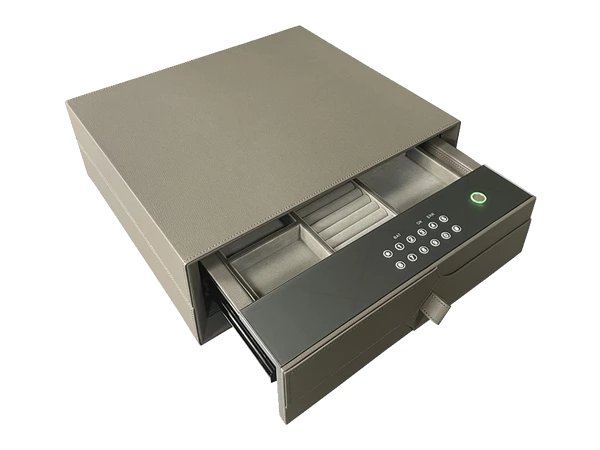
Best Wardrobe Safe Features for Jewelry Watches Documents and Cash Storage
A wardrobe safe is designed to protect high-value everyday items while staying discreet inside a closet, cabinet, or built-in wardrobe. The right model should make jewelry, watches, documents, and emergency cash easier to secure without turning access into a daily inconvenience. This safe buying guide walks through the most useful wardrobe safe features to compare before you choose one.
What features matter most in a wardrobe safe?
The best wardrobe safe features for jewelry watches documents and cash storage are the ones that balance security, organization, fire or moisture protection, and convenient access. A strong lock matters, but so does the way the safe fits inside your wardrobe, how it anchors, how the interior is arranged, and whether it supports the items you actually plan to store. Use the list below to compare safes by practical function, not just by size or appearance.
1. A discreet wardrobe-friendly footprint
A wardrobe safe should fit naturally into the space where you plan to use it. That may mean a compact safe on a wardrobe shelf, a taller safe hidden behind hanging clothes, or a low-profile model installed inside cabinetry. Before comparing locks and accessories, measure the available width, height, and depth with the wardrobe doors fully closed.A safe that is too deep can prevent doors from shutting properly or make the installation obvious. A safe that is too small may force you to stack items in a way that damages jewelry, watch boxes, or documents. The best fit gives you enough interior capacity while preserving the normal use of the closet.Also think about how visible the safe will be. A wardrobe location often works best when the safe sits behind folded items, inside a custom compartment, or beneath a shelf where it does not draw attention. Discretion is not a replacement for security, but it can reduce casual discovery.
2. Solid steel construction
The body of the safe should feel rigid, not lightweight or flexible. Look for a steel body, a reinforced door, and a build quality that resists simple prying or forced bending. Thin metal storage boxes may look like safes, but they do not provide the same confidence for valuables.For jewelry and watches, construction quality matters because these items are often compact, portable, and easy to remove if someone gains access. A stronger shell creates a harder target. It also gives the lock and boltwork a better foundation.Pay attention to the door gap and hinge design. Wide gaps can create leverage points, while exposed hinges should be supported by internal locking features or fixed bolts. A well-built safe feels secure even before you look at the electronics or keypad.
3. Reliable locking options
Wardrobe safes commonly use electronic keypads, biometric readers, mechanical key locks, or a combination of access methods. The best option depends on how often you need to open the safe and who should have access. For daily jewelry or watch storage, fast entry may matter more than it would for documents you rarely touch.An electronic keypad is convenient and easy to share with trusted users if the code can be changed. A biometric lock can be useful for quick access, but it should have a dependable backup method. A mechanical lock may appeal to buyers who want fewer electronic parts, though keys must be stored carefully.
When comparing locks, look beyond the label. Ask practical questions:
- Can the access code be changed easily?
- Is there a lockout feature after repeated wrong attempts?
- Does the safe include a backup key or emergency power option?
- Is the keypad easy to use in a dim closet?
- Can access be limited to only the people who truly need it?
The lock should make secure behavior simple. If opening the safe is frustrating, people may stop using it consistently.

4. Strong anchoring capability
A wardrobe safe should not simply sit loose on a shelf if it contains valuables. Even a strong safe becomes easier to attack if it can be carried away. Anchoring points allow the safe to be fixed to a wall, floor, shelf structure, or wardrobe frame, depending on the installation.For many buyers, anchoring is one of the most important parts of the safe buying guide. A hidden safe that is also secured in place offers a stronger layer of protection than a portable box. It makes quick removal harder and discourages opportunistic theft.Check whether the safe includes pre-drilled mounting holes and suitable hardware. The right installation will depend on the wardrobe material and what sits behind it. If the wardrobe is freestanding, consider whether anchoring to the building structure is possible rather than relying only on thin cabinetry panels.
5. Interior organization for jewelry
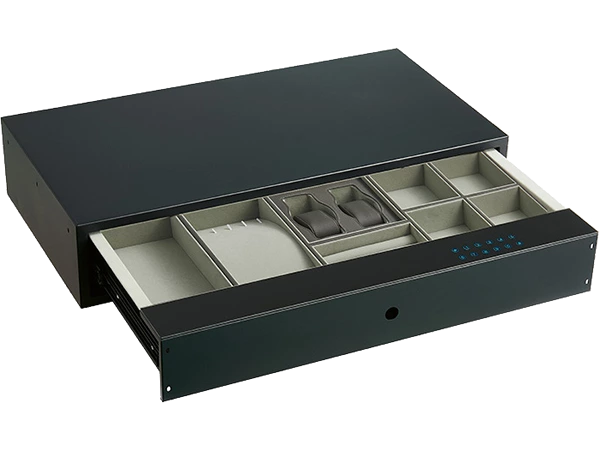
Jewelry storage needs more than empty space. Rings, earrings, chains, bracelets, and delicate pieces can scratch, tangle, or disappear into corners if the interior is not organized. Look for trays, soft lining, small compartments, or removable organizers that help separate items.A good jewelry layout lets you see what you own at a glance. This reduces handling, speeds up daily use, and makes it easier to notice if something is missing. Soft surfaces are especially helpful for pieces that can be scratched by harder objects.If the safe does not include built-in jewelry trays, choose one with enough room to add your own inserts. Removable organizers can be a smart choice because your collection may change over time. The goal is to protect both the security value and the physical condition of the jewelry.
6. Watch-friendly storage space
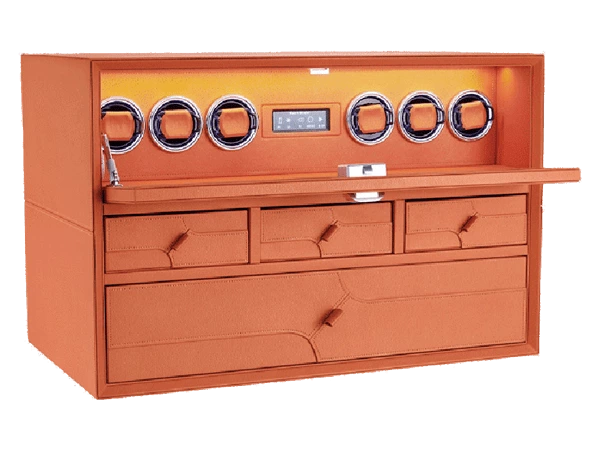
Watches need enough clearance and support, especially if you store them in original boxes, on cushions, or in a separate watch roll. A wardrobe safe for watches should not require you to stack pieces in a crowded way. Crowding increases the chance of scuffs, pressure marks, or accidental drops when you reach inside.Consider how you actually use your watches. If you rotate them often, front-facing storage and easy shelf access matter. If you store heirloom or less frequently worn pieces, a deeper compartment or protective case may be more useful.Some buyers may want room for watch winders, but that requires careful planning. You need enough interior space, cable access if applicable, and ventilation considerations. If the safe is primarily for mechanical watch storage without electronics, simple padded organization may be enough.
7. Document capacity that prevents folding and damage
Important documents should be stored flat whenever possible. Passports, birth certificates, property documents, insurance papers, contracts, and emergency records can become difficult to use if they are folded, creased, or moisture damaged. Choose a safe that can hold your most important documents in folders or protective sleeves.The internal dimensions are more important than the external dimensions here. A safe may look large enough from the outside but still have a smaller usable interior because of door thickness, shelves, hinges, or locking parts. Check whether the interior can accommodate the document sizes you use most.It also helps to separate documents by category. For example, keep identity documents in one folder, financial papers in another, and emergency information in a clearly marked envelope. Organization saves time when you need a document quickly.
8. Cash storage that stays separated and accessible
Emergency cash is often stored in wardrobes because it needs to be close enough for practical access but protected from casual discovery. A safe with a small cash tray, envelope space, or internal compartment helps keep notes flat and separated from jewelry or papers.Avoid mixing cash loosely with watches, chains, or keys. It can become disorganized, and frequent handling of other valuables increases exposure. A dedicated cash section makes it easier to count, replace, or remove funds without disturbing the rest of the safe.Think about your access pattern as well. If cash is for emergencies, it should be reachable by the right person without making the entire safe hard to manage. If the safe has multiple shelves or compartments, place cash where it is easy to retrieve but not the first thing visible when the door opens.
9. Fire resistance for paper and irreplaceable items
Fire resistance is an important feature if you plan to store documents, printed records, photographs, or sentimental items. Not every wardrobe safe is fire resistant, and not every fire-resistant container provides the same level of burglary protection. Read product descriptions carefully and avoid assuming every safe protects against every risk.For documents, fire protection is usually about giving items a better chance during a household fire. For jewelry and watches, fire risk is different because metals, gemstones, adhesives, seals, straps, and packaging can react differently to heat. A safe may reduce exposure, but delicate items still require thoughtful storage.If fire protection is a priority, look for clear fire-resistance information from the manufacturer. Pair it with good organization, protective sleeves, and digital backups of essential documents where appropriate. The safe is one layer in a broader protection plan.
10. Moisture and humidity control
Wardrobes can trap humidity, especially in rooms with poor airflow or seasonal moisture changes. Documents may warp, leather watch straps may suffer, and some jewelry materials can tarnish or degrade in damp conditions. A wardrobe safe should support a dry, stable storage environment.Consider using moisture-control accessories that are suitable for enclosed storage. Silica gel packs, small dehumidifying inserts, and regular inspection can help. The safe interior should be checked periodically rather than forgotten for years.Also avoid placing the safe directly against damp walls or in wardrobes with signs of condensation, leaks, or mildew. Security is only useful if the contents remain in good condition. A secure but humid safe can create slow damage that is easy to overlook.

11. Adjustable shelving and removable interiors
Adjustable shelves make a wardrobe safe much more useful over time. Your storage needs may change as you add documents, receive jewelry, rotate watches, or decide to keep more emergency items at home. A fixed interior may work today but become awkward later.Removable shelves are especially helpful when you need to store taller items such as document folders, boxed watches, small cases, or sealed envelopes. They also make cleaning and reorganization easier. A flexible interior lets you adapt without replacing the safe.When comparing models, imagine three storage scenarios: what you own now, what you may add in the next few years, and what must be reached quickly. A safe that handles all three is usually more practical than one that only looks tidy in a product photo.
12. Soft lining that protects valuables
Interior lining is easy to overlook, but it matters when storing polished metal, gemstones, watch cases, lenses, and delicate keepsakes. A bare metal interior can scratch items if they slide or if you place them down quickly. Soft lining reduces contact damage and gives the safe a more finished feel.Look for smooth, non-abrasive surfaces on shelves and the base. If the safe includes trays, check whether they are lined or whether you need separate pouches. Jewelry and watches should not sit directly against rough hardware, exposed screw heads, or sharp shelf edges.Soft lining is not just about luxury. It encourages better habits because items have a defined place. When the interior feels organized and protective, you are more likely to use the safe daily instead of leaving valuables on a dresser.
13. Interior lighting for easy use
Closets are often dim, and a safe placed behind clothing or inside cabinetry can be hard to see into. Interior lighting helps you identify items quickly and reduces unnecessary handling. This is useful for small jewelry, watch accessories, document labels, and cash envelopes.A lighted keypad or internal LED can make the safe easier to operate without turning on bright room lighting. That may matter early in the morning, late at night, or in shared spaces. Convenience supports consistency, and consistency is what makes storage habits effective.If a safe does not include lighting, consider whether the wardrobe itself has suitable lighting. The goal is simple: you should be able to open the safe, find the right item, and close it without rummaging.
14. Tamper alerts and lockout functions
Tamper-resistant features can add another layer of confidence. A lockout function may temporarily disable entry after repeated incorrect attempts. Some safes may include alerts, audit-style access information, or signals that someone tried to open the door.These features are most helpful in households, shared living spaces, rental properties, or situations where several people may be near the wardrobe. They do not replace physical strength, but they can discourage guessing and make suspicious activity more visible.When evaluating these features, keep usability in mind. A lockout that triggers too easily may become frustrating, while no lockout at all may be less secure. The best setup gives authorized users reliable access and makes unauthorized attempts harder.
15. Backup access that does not weaken security
Backup access is important because batteries fail, codes can be forgotten, and electronics can malfunction. A safe should have a clear emergency access method, but that method must be managed carefully. A backup key left in the same wardrobe defeats much of the purpose.Think through your backup plan before you buy. Who should know where the backup key is? How will emergency access work if you are away? Can a trusted person retrieve essential documents if needed?A good safe supports responsible backup access without making everyday security casual. Store backup keys away from the safe, change codes when needed, and avoid sharing access more widely than necessary.
16. The right balance of convenience and protection
A wardrobe safe is most effective when you actually use it. If it is too difficult to open, too cramped, too dark, or badly placed, valuables may end up on a bedside table or in an unlocked drawer. Convenience should be treated as part of security, not the opposite of it.The best balance depends on your routine. Daily jewelry and watches need quick access and tidy organization. Documents and emergency cash need stable storage, clear labeling, and protection from damage. A safe that handles both daily and long-term storage needs can become part of your normal routine.Before choosing a model, picture a typical week. If you can imagine using the safe without extra effort, the design is probably on the right track.
How do you choose the right wardrobe safe for your valuables?
Choose the right wardrobe safe by matching the safe to the items, the room, and your access habits. Start with what you need to protect, then narrow the options by size, construction, lock type, anchoring, and interior layout. A safe that fits your real routine will usually serve you better than one chosen only for the highest number of advertised features.
Use this practical checklist before buying:
- List your contents. Separate jewelry, watches, documents, cash, keys, drives, and sentimental items.
- Measure the wardrobe space. Include door clearance, shelf depth, hanging space, and installation access.
- Check usable interior dimensions. Make sure documents, watch boxes, and trays fit comfortably.
- Decide on access style. Choose keypad, biometric, key, or combined access based on daily use.
- Confirm anchoring options. Plan how the safe will be secured, not just where it will sit.
- Review protection priorities. Decide whether fire resistance, humidity control, or tamper features matter most.
- Plan organization. Add trays, folders, sleeves, watch rolls, and cash envelopes as needed.
- Create a backup access plan. Keep emergency access secure and separate from the safe location.
Common mistakes to avoid
The most common mistake is buying a safe that is too small. A compact model may seem discreet, but if it cannot hold documents flat or keep jewelry organized, it may become frustrating. Always compare interior space against your actual items.Another mistake is ignoring installation. A safe placed loose in a wardrobe can be easier to remove than expected. Even if the safe is hidden, anchoring should be part of the plan whenever possible.Buyers also sometimes focus only on the lock. A good lock is essential, but it cannot compensate for weak construction, poor placement, limited organization, or moisture problems. Think of the safe as a complete storage system rather than a single feature.
A simple feature priority list
If you are comparing several wardrobe safes and feel unsure, rank features in this order:
- Security foundation: solid construction, reliable locking, and anchoring points.
- Fit and discretion: correct wardrobe dimensions and a placement that does not draw attention.
- Interior protection: soft lining, trays, shelves, and document-friendly space.
- Risk protection: fire resistance, moisture control, and tamper features where needed.
- Daily usability: lighting, quick access, clear organization, and manageable backup entry.
This order keeps the decision practical. Start with features that protect against removal and forced access, then refine the safe around your belongings and habits.
Final thoughts on wardrobe safe features
A well-chosen wardrobe safe gives jewelry, watches, documents, and cash a dedicated place that is secure, discreet, and easy to use. The strongest choice is not always the biggest or most expensive-looking option; it is the safe that fits your wardrobe, anchors properly, protects the contents, and supports your daily routine.Use this safe buying guide as a checklist while comparing models. Measure carefully, think about how each item will be stored, and choose features that make secure storage feel natural. When protection and convenience work together, your valuables are far more likely to stay where they belong.