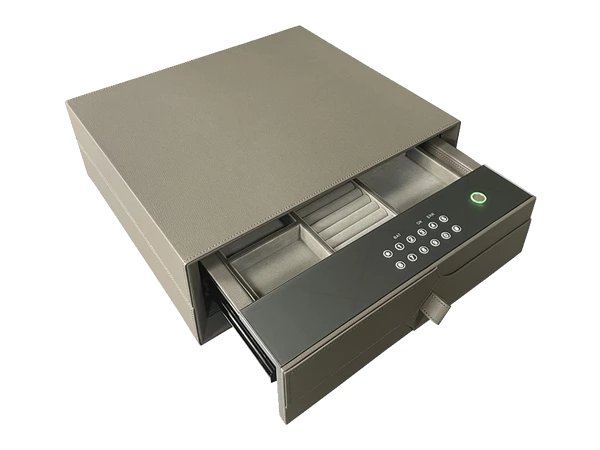
Safe in Closet vs Bedside Safe Which Works Better for Daily Valuables
Choosing where to keep daily valuables is a balance between access, discretion, and protection. A closet safe can be excellent for items you do not need every hour, while a bedside safe can work well for essentials you want within reach at night or when leaving the house. The better choice depends on what you store, how often you use it, who else is in the home, and how much security your routine actually supports.
Which safe location works better for everyday use?
For daily valuables, the better location is the one you will use consistently without making items too easy to find or remove. A bedside safe usually wins on convenience because it is close to where many people put watches, wallets, keys, medications, small electronics, and personal documents at the end of the day. A closet safe often wins on discretion and capacity, especially if you want safe storage options for items that do not need instant access.The real goal is not simply owning a safe. It is building safety in storage into your daily habits. If a safe is too inconvenient, valuables may end up on a dresser, in a drawer, or in a bag by the door. If a safe is too visible or lightweight, it may not offer the protection you expected. Location, mounting, access method, and routine all matter.

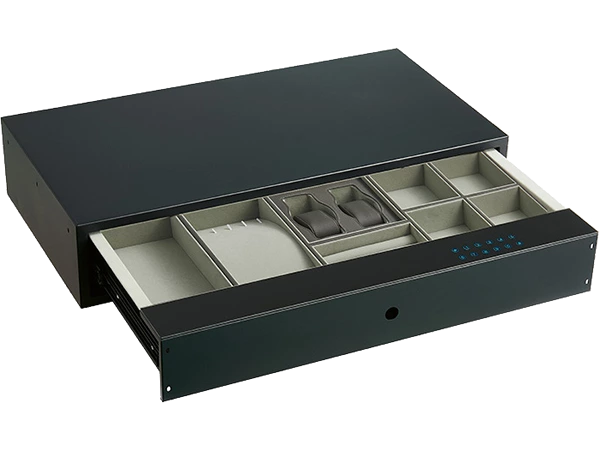
A closet safe offers discretion and room to organize
A safe in a closet can be a strong choice when you want valuables protected but not constantly in view. Closets already hold personal items, storage bins, and clothing, which can help a properly placed safe blend into the room. This does not mean hiding a safe is enough, but a less obvious location can reduce casual discovery.Closet safes also tend to support better organization. If you store passports, backup cards, heirlooms, cash reserves, jewelry, external drives, or important papers, a closet may give you more space to keep everything in one controlled area. It can also reduce clutter on nightstands and dressers, which helps keep valuables from being forgotten in plain sight.The tradeoff is access. If you need something several times a day, a closet safe may start to feel like a chore. That friction can lead to shortcuts, especially during busy mornings or late evenings. A closet safe works best when it fits into a routine, such as putting valuables away after work, before bed, or when leaving home.
When a closet safe makes sense
A closet safe is often the better option if you want a central storage point for valuables that are important but not constantly needed. It can also be useful when the bedroom layout makes bedside placement too exposed.
Consider a closet safe when you need to store:
- Important documents you access occasionally, such as passports, certificates, or estate papers.
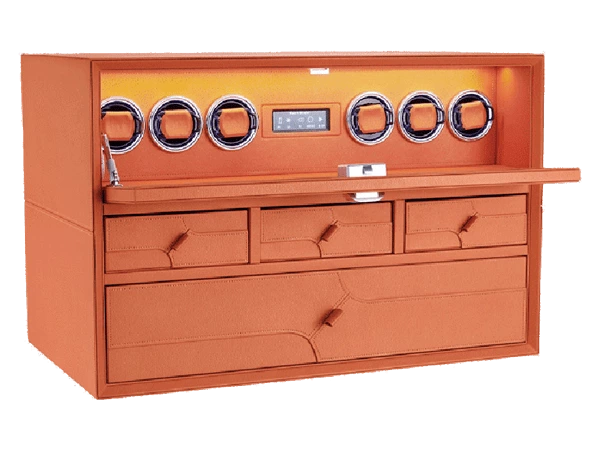
- Jewelry collections or watches that are worn selectively rather than every day.
- Backup payment cards, emergency cash, or small keepsakes.
- Digital storage devices containing private files.
- Items you want separated from everyday surfaces and open drawers.
For the best result, the safe should be more than tucked behind shoes or coats. It should be placed where it can be anchored, reached without frustration, and kept dry and clean. A safe that is difficult to open because boxes are stacked in front of it will eventually stop being used.
A bedside safe favors quick access and daily discipline
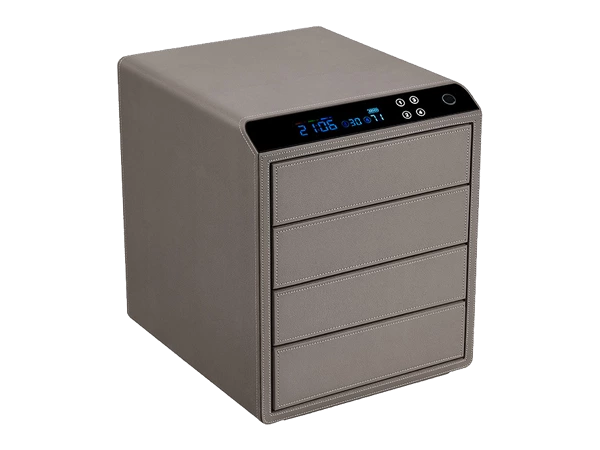
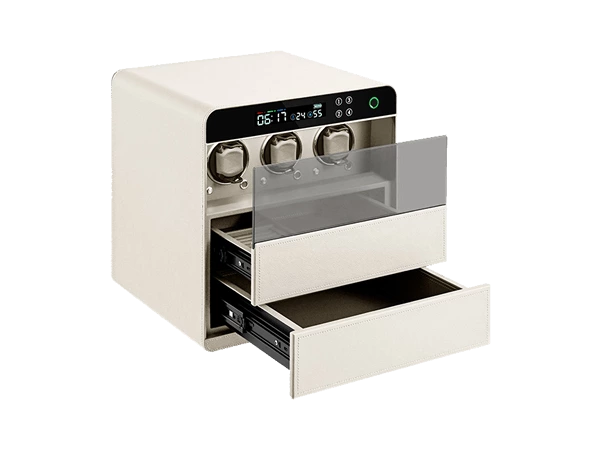
A bedside safe is built around convenience. It is close to where many people naturally remove jewelry, empty pockets, charge devices, or set down personal items. That makes it easier to create a simple habit: valuables go directly into the safe, not into the top drawer.This location is especially practical for items you use at the beginning and end of the day. If you wear the same watch often, keep a small amount of cash on hand, or want to secure medication from children, guests, or visitors, a bedside safe can be highly useful. It keeps access fast while still providing a barrier that an ordinary nightstand drawer does not.However, bedside safes can be more obvious. Nightstands are common places to search, and a visible safe can draw attention. If the safe is small and not secured, convenience can become a weakness. A bedside model should be anchored when possible, placed thoughtfully, and chosen with the same seriousness as any other home security product.
When a bedside safe makes sense
A bedside safe works best for items that are part of a daily or nightly routine. It is not necessarily the best place for every valuable in the house, but it can be a smart layer in a broader storage plan.
Consider a bedside safe when you regularly store:
- A wallet, keys, watch, or small jewelry worn every day.
- Prescription medication that should not be left accessible.
- A phone, small device, or personal item you want secured overnight.
- Documents or cards needed early in the morning.
- Personal items you want protected from children, roommates, guests, or service visits.
The key is to avoid turning the bedside safe into a catchall. If it becomes packed with rarely used items, it can lose the convenience that made it useful. Keep the bedside safe for daily valuables, and move occasional-use valuables to another protected location.
What should you compare before choosing a safe?
Before choosing between a closet safe and a bedside safe, compare access, visibility, size, anchoring, and the type of items you plan to protect. Both locations can work, but they solve slightly different problems. A good decision starts with your routine rather than the safe itself.Think about how you actually move through your home. If you come in, empty your pockets, and head straight to the bedroom, a bedside safe might reinforce the habit you already have. If you prefer to store everything in one place and access it only occasionally, a closet safe may feel more natural.
Use this checklist to narrow your decision:
- Frequency of use: Daily items should be easy to secure and retrieve. Occasional-use items can be stored farther away.
- Visibility: A safe that is too obvious may invite attention. A safe that is too buried may be ignored.
- Anchoring potential: The safest location is often the one that allows solid installation, not just convenient placement.
- Capacity needs: Documents, jewelry boxes, and tech accessories may require more room than a compact bedside model offers.
- Household risks: Children, guests, roommates, contractors, and cleaning services can all affect what “secure enough” means.
- Environment: Avoid damp, dusty, or awkward spaces that could damage contents or discourage use.
This is also where home safe types matter. Some safes are designed mainly for burglary resistance, some for fire protection, and some for quick-access convenience. Many buyers focus only on size, but the safe’s purpose should match the items inside. Paper documents, jewelry, digital drives, medication, and everyday carry items may not all need the same type of protection.
Closet safe vs bedside safe in real daily routines
The best safe storage options are the ones that match behavior. If your valuables spend hours outside the safe because the location is inconvenient, the safe is not doing its job. A secure routine should be simple enough to follow when you are tired, rushed, or distracted.For example, someone who removes jewelry at night may benefit from a bedside safe because the item can go straight from wrist or hand into locked storage. Someone who rotates watches, stores travel documents, and keeps backup cash may prefer a closet safe with more space and separation. A household with children may choose both: quick-access protected storage by the bed, plus a larger closet safe for items not needed daily.There is no universal winner because “daily valuables” means different things in different homes. The right answer may even change over time as your household, work routine, travel schedule, or storage needs change. What matters is choosing a setup you can maintain.
Smart ways to improve safety in storage
Whether you choose a closet safe, a bedside safe, or both, the location should support layered protection. A safe is one part of a practical home security plan, not a replacement for awareness, locks, insurance documentation, or careful habits.
To make either option work better:
- Anchor the safe when possible. A small safe that can be carried away offers less protection than one properly secured to a suitable structure.
- Keep access controlled. Share codes or keys only with people who genuinely need them, and update codes if your household situation changes.
- Avoid obvious patterns. Do not leave the key beside the safe or write a code in a nearby drawer.
- Separate daily and long-term valuables. Keep frequently used items close and less-used valuables in a more discreet or spacious location.
- Review contents regularly. Remove clutter, update documents, and make sure the safe still fits your current needs.
- Document important items. Keep records, photos, or inventories where appropriate, especially for items that may need insurance support.
These habits can matter as much as the safe’s location. A closet safe that is anchored, organized, and used every day may outperform a bedside safe that is visible and unsecured. A bedside safe that fits your nightly routine may outperform a closet safe you rarely bother opening.
A combined approach often works best
Many households benefit from using more than one layer of storage. A bedside safe can handle immediate-access items, while a closet safe can protect valuables that need more space or discretion. This approach avoids forcing one safe to solve every problem.If you use both, assign each safe a clear role. The bedside safe might hold a wallet, watch, medication, or daily jewelry. The closet safe might hold passports, backup cash, spare cards, keepsakes, and less frequently used valuables. Clear roles reduce clutter and make it easier to notice when something is missing or out of place.This also helps you choose between different home safe types. Instead of buying the largest or most convenient safe by default, you can choose each one for a specific purpose. One safe may prioritize quick access, while another may prioritize capacity, concealment, or document protection.
The practical takeaway
A bedside safe works better for daily valuables you need close at hand, while a closet safe works better for items that benefit from discretion, organization, and more storage space. If you want the simplest single choice, start with the location you will actually use every day. If your valuables fall into both daily-use and occasional-use categories, a combined setup may give you the most practical balance.Good safety in storage is not about hiding everything perfectly. It is about making secure behavior easy, consistent, and suited to your home. Choose safe storage options that fit your routine, install them thoughtfully, and review your setup as your needs change.