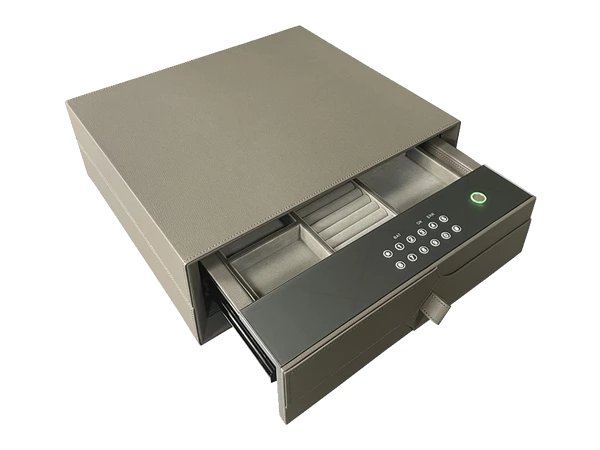
Hidden House Safes How to Add Security Without Visible Metal Boxes
Protect the items that matter most without turning your home into a display case for security hardware. Our range of concealed safes and hidden storage solutions is designed to blend into everyday rooms, giving you practical protection for documents, cash, jewelry, keys, backup drives, and small valuables while keeping the safe out of sight. Instead of relying on a visible metal box that advertises where your valuables are, these secret home safes work with your furniture, walls, floors, shelving, and daily routines.
Which hidden safe fits your home?
The right hidden safe depends on what you need to protect, how often you need access, and where a safe can disappear naturally in your space. A document safe should be easy to reach but large enough for folders, passports, and records. A jewelry or cash safe can be smaller, more discreet, and placed where it does not interrupt daily life. If you want a true stealth safe, the best location is usually one that looks boring, ordinary, and not worth investigating.
Popular options include:
- Wall-concealed safes that sit behind artwork, mirrors, shelves, or removable panels.
- Floor safes placed beneath rugs, furniture, or access panels for low-visibility storage.
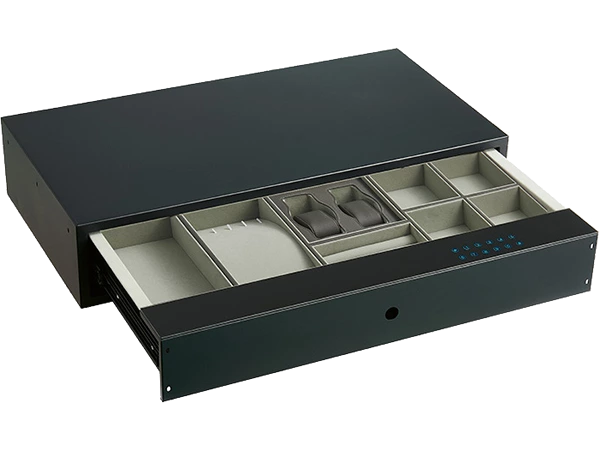
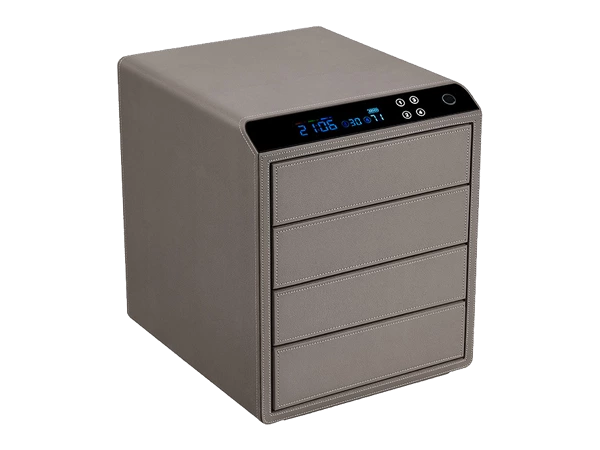
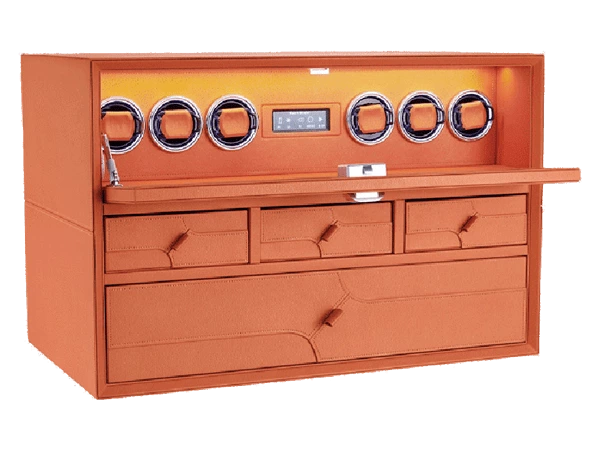
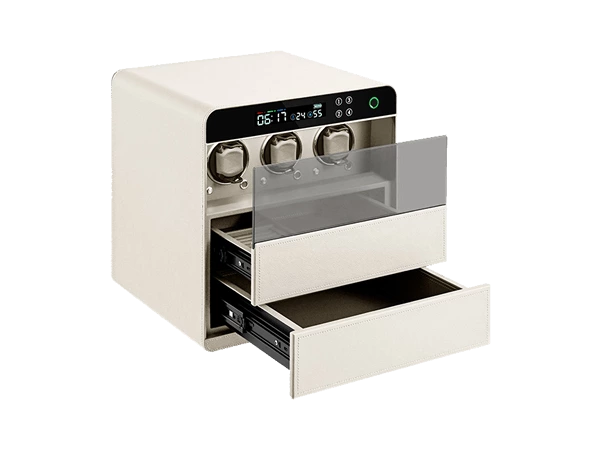
- Furniture-integrated safes built into desks, cabinets, nightstands, closets, or shelving.
- Vent-style and panel-style safes that resemble standard home fixtures.
- Compact hidden safes for keys, emergency cash, passports, small devices, or backup media.
- Custom hidden safe ideas for spaces where a standard safe would be too obvious.
A visible safe can still be useful, but hidden safes in house settings add a different layer of security: they reduce attention. When a safe does not look like a safe, it is less likely to become the first target during a rushed search.

Security that disappears into the room
Home security safes are often judged by thickness, lock style, and weight. Those details matter, but concealment changes the equation. A heavy safe in a closet may protect against casual access, yet it also tells an intruder exactly where to focus. A concealed safe adds privacy before the lock is ever tested.
Our hidden house safe selection is built around three practical goals: keep valuables organized, keep access convenient for the owner, and keep the storage location visually quiet. That means the safe should not create awkward gaps, strange hardware, or obvious metal edges. The best hidden house safes feel like part of the room rather than an afterthought.
Use them in places where valuables naturally belong but do not need to be visible. For example, estate documents can sit near a home office, spare keys can stay near an entry area without being exposed, and personal items can remain near a bedroom without sitting in a drawer anyone would check first.
Built for everyday valuables
A concealed safe is not only for rare emergencies. It is for the items you need to keep protected without making access inconvenient. If a safe is too hard to reach, people stop using it. If it is too visible, it can draw attention. The right hidden storage solution sits between those extremes.
Use your hidden safe for:
- Passports, birth certificates, titles, and insurance papers.
- Jewelry, watches, heirlooms, and small collectibles.
- Emergency cash, spare cards, and checkbooks.
- House keys, vehicle keys, access cards, and safe deposit keys.
- External hard drives, encrypted backup devices, and small electronics.
- Prescription items or personal belongings that should not be openly accessible.
For families, secret home safes also help create boundaries. Important items are not mixed into junk drawers, bedroom boxes, or office stacks. They have one intentional place, and that place does not announce itself to guests, contractors, visitors, or anyone walking through the room.
Concealment options for different rooms
Every room offers different opportunities. A home office may be ideal for document storage, while a bedroom may make sense for jewelry or personal items. A hallway, mudroom, or closet can work for items you need during emergencies, such as spare keys or cash. The best location is not always the most hidden one; it is the one you will actually use consistently.
Strong hidden safe ideas include:
- Behind framed decor: Good for wall safes where the covering piece looks natural and easy to move.
- Inside built-in shelving: Useful when the safe can blend with books, panels, or storage baskets.
- Under flooring access: A discreet option for items you rarely need but want close at hand.
- Within furniture: Practical for bedrooms, offices, and living rooms when the safe is integrated cleanly.
- Behind utility-style covers: Works best when the cover matches the rest of the room and does not look newly added.
- Inside closet systems: Effective when paired with ordinary storage, clothing, or household supplies.
The goal is not to create a movie-style trap door. It is to make the safe feel unremarkable. Real security often comes from boring details: a panel that matches the wall, a cabinet that looks ordinary, or a storage location that does not interrupt the visual flow of the space.

Product features that support real security
Concealed safes should be discreet, but they still need dependable construction and practical usability. A hidden safe that is difficult to open, poorly placed, or too small for the intended items will not solve the real problem. Our product range focuses on usable security for real homes, apartments, townhomes, and private workspaces.
Key feature options may include:
- Multiple concealment styles for walls, floors, furniture, shelving, and panels.
- Locking mechanisms such as key, digital keypad, combination, or biometric-style access depending on model availability.
- Compact and medium-capacity formats for different storage needs.
- Low-profile doors and trim that help reduce obvious outlines.
- Interior organization options for separating documents, jewelry, keys, and devices.
- Mounting or anchoring compatibility where the installation type allows it.
- Room-conscious designs that avoid the exposed safe-box look.
Not every model includes every feature, and not every home supports every installation type. That is why the buying process should start with the items you need to protect and the room where access makes the most sense. From there, you can choose a concealed safe that fits the structure, style, and daily rhythm of your home.
A better alternative to obvious metal boxes
Traditional safes often rely on intimidation: thick doors, exposed hinges, and a heavy industrial appearance. That can be reassuring, but it can also be visually disruptive. In many homes, a visible safe feels out of place in a bedroom, closet, office, or living area. Worse, it may become a clear destination for anyone searching quickly.
Stealth safes take a more subtle approach. They are designed to be overlooked. A visitor sees a shelf, vent, cabinet, panel, or piece of furniture, not a storage container for valuables. This makes them especially useful for people who want added security without changing the look of their home.
A common before-and-after scenario is simple: before, passports, jewelry, and emergency cash are spread across a drawer, file folder, and closet box. After, those items are stored together in one concealed location that only the homeowner knows to check. The room looks the same, but the storage plan is far more intentional.
Simple selection guide
Choosing among concealed safes is easier when you narrow the decision step by step. Start with the contents, then the room, then the installation style. A safe should serve your habits, not force a routine that becomes annoying after a week.
Use this checklist before buying:
- List what will go inside. Measure folders, jewelry cases, devices, or envelopes instead of guessing.
- Decide how often you need access. Daily-use items should not be hidden in an inconvenient location.
- Choose the room. Select a place that feels natural for the items and does not attract attention.
- Check installation limits. Wall depth, flooring, furniture structure, and rental restrictions may affect your options.
- Pick a lock style. Consider who needs access, how keys or codes will be managed, and whether backup access is needed.
- Plan concealment. The cover, panel, rug, shelf, or furniture detail should look ordinary and intentional.
If you are comparing the best hidden house safes, do not focus only on size or price. A slightly smaller safe in a better location may offer more practical security than a large unit that is obvious, awkward, or rarely used.
Pricing and package options
Because hidden safes vary by size, access method, concealment type, and installation needs, pricing is best approached by category rather than a one-size-fits-all number. Compact concealed safes are typically the most accessible choice for small valuables and emergency items. Larger wall, floor, or furniture-integrated options may require more planning and may involve additional installation considerations.
Available buying paths may include:
- Entry concealed storage for keys, cash, cards, or small personal items.
- Everyday home security safes for documents, jewelry, and mixed valuables.
- Stealth safes for renovation or built-in projects where concealment can be planned into the space.
- Custom-fit hidden storage solutions for unusual rooms, cabinetry, or specialized access needs.
For the best fit, choose based on the value of the items, how often you need them, and how discreet the location must be. If installation is required, factor in the surrounding surface, finish work, and whether you want the safe to be removable or permanently placed.
Designed to protect without changing your home’s look
Hidden safes in house design should not make a room feel colder, more cluttered, or more industrial. They should support the way you already live. A cleanly concealed safe can protect important items while preserving the comfort and style of the room around it.
That balance matters in shared homes, small apartments, and carefully designed interiors. You may not want a large safe visible in a bedroom. You may not have a closet where a metal box would stay unnoticed. You may simply prefer security that does not become part of the decor. Concealed safes solve that by making protection quieter.
Choose your concealed safe
Upgrade your home storage with a safe that works quietly in the background. Whether you need a compact place for emergency cash, a discreet document safe, or a larger hidden storage solution for valuables, the right model can help you organize and protect what matters without drawing attention to it.
Start by choosing the items you want to secure, then select the room where access feels natural. From there, compare concealment style, capacity, lock type, and installation needs. When you are ready, explore concealed safes designed for real homes and build a security plan that looks like nothing at all.