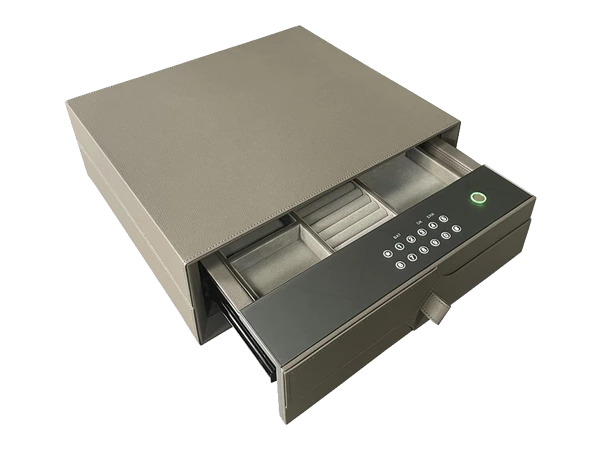
Wardrobe Safe Size Guide: How to Choose the Right Dimensions for Custom Closet Projects
A wardrobe safe is a discreet security compartment built into closet furniture, dressing rooms, or custom wardrobe systems. Choosing the right wardrobe safe size is not just about what fits inside the safe; it is also about cabinet depth, door swing, anchoring, electrical access, user comfort, and the visual finish of the closet. This guide explains how to plan dimensions for residential, hospitality, showroom, and luxury wardrobe security projects without overbuilding or under-specifying the safe.
What wardrobe safe size do you actually need?
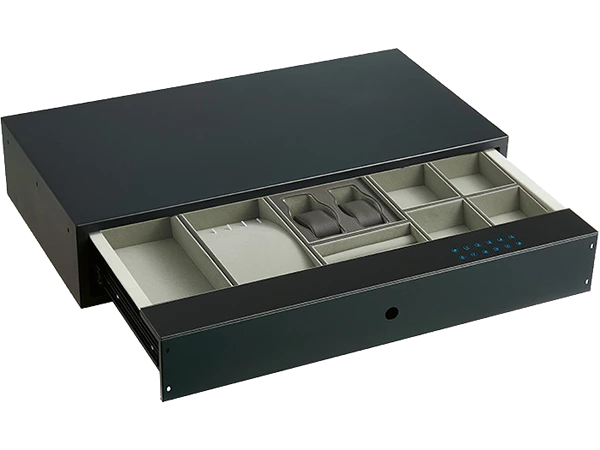
The right wardrobe safe size is the smallest secure interior that comfortably holds the valuables users access most often, while still fitting the wardrobe structure safely and cleanly. In practice, that means measuring the intended contents first, then allowing space for shelves, hinges, locks, interior lining, cables, and installation tolerances. A compact safe may work for passports and watches, while jewelry trays, document folders, handbags, camera gear, or multiple users usually require a wider or deeper format.Start with the real use case rather than the furniture opening. A safe that looks perfect in a drawing can become frustrating if the user has to stack watches, fold documents, or remove one item to reach another. For custom closet projects, the best wardrobe safe supplier or wardrobe safe factory will usually ask what needs to be stored, how often it will be accessed, and whether the safe must integrate with drawers, shelves, lighting, or smart controls.
A useful planning rule is to separate three dimensions:
- Interior usable size: the actual space available for valuables after lining, shelves, trays, and locking parts.
- Exterior safe size: the full body dimensions required inside the wardrobe cabinet.
- Installation clearance: the extra space needed for fitting, anchoring, ventilation, cables, and door movement.
The main factors that shape safe dimensions
Wardrobe safe dimensions are influenced by both security needs and furniture design. Unlike a freestanding safe, a wardrobe furniture safe must cooperate with millwork, hardware, finishes, and daily closet habits. The most successful projects treat the safe as part of the wardrobe architecture, not as a box added after the design is complete.
Valuables and storage style
The contents determine the interior format. Jewelry and watches benefit from shallow drawers, soft-lined trays, and divided compartments. Documents often need a flat area sized for folders or envelopes, while electronics may require deeper clearance and cable access. If the safe is intended for mixed valuables, adjustable shelving is usually more practical than a single fixed interior layout.Think about access frequency as well. Items used every day should be easy to reach without unpacking the safe. Items stored long term can sit deeper or higher inside the compartment. For luxury wardrobe security, convenience matters because a safe that is awkward to use is less likely to be used consistently.
Closet structure and cabinet depth
Many wardrobe systems have limited usable depth once back panels, door tracks, hinges, lighting strips, and drawer runners are considered. A safe may technically fit inside a cabinet, but still interfere with sliding doors, pull-out shelves, or neighboring drawers. This is why exterior depth deserves special attention during planning.The wardrobe material also matters. A heavy safe may require reinforced panels, a stronger base, or anchoring into a wall or floor behind the wardrobe. For tall closets, placing the safe too high can make it difficult to load and access; placing it too low may be inconvenient for daily jewelry or watch storage. The best position is usually one that balances concealment, comfort, and structural support.
Lock type and door clearance
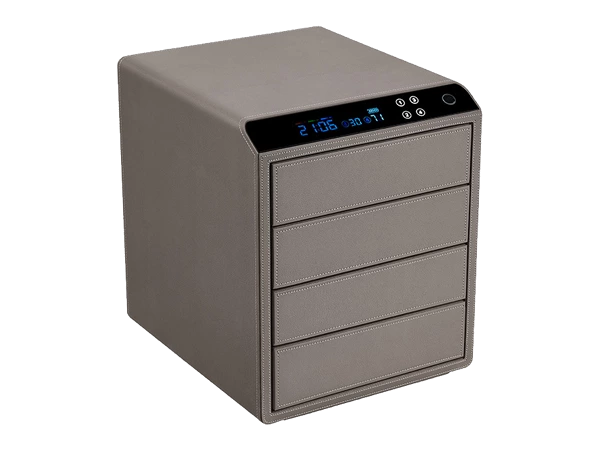
The lock mechanism affects both the front design and the clearance around the door. Keypad locks, biometric panels, handles, emergency key covers, and smart modules can add depth or require a clean front face. The door also needs enough swing or opening space so the user can reach the interior without hitting wardrobe doors, shelves, or side panels.For a smart wardrobe safe, allow room for batteries, wiring, charging ports, sensors, or a hidden power path if the model supports connected features. Even when the safe operates on batteries, the design should leave access for maintenance. A sleek closet elevation is important, but it should not make servicing the lock difficult.
Common wardrobe safe size categories
There is no single universal wardrobe safe size because custom closets vary widely. Still, most projects fall into small, medium, large, or custom formats. These categories help buyers, designers, and OEM teams discuss requirements before final drawings are prepared.
| Size category | Best suited for | Planning notes |
| Small wardrobe safe | Passports, cash, small jewelry, watches, keys | Easy to conceal and fit into compact closets, but limited for folders or multi-user storage |
| Medium wardrobe safe | Jewelry trays, documents, watches, small electronics | Often the most flexible choice for residential wardrobes and hotel-style closets |
| Large wardrobe safe | Multiple trays, larger documents, handbags, cameras, family valuables | Requires stronger furniture support and more careful door clearance planning |
| Fully custom safe | Luxury closets, branded projects, hospitality, OEM programs | Allows tailored dimensions, finishes, interiors, and smart features, but needs earlier coordination |
Small safes are useful when concealment is the priority or the wardrobe has narrow compartments. However, they can become crowded quickly if the user adds watches, jewelry boxes, or travel documents over time. Medium safes usually offer a better balance between space and integration because they can support compartments without dominating the closet.Large safes should be chosen with caution. They provide more interior capacity, but they also place greater demands on the wardrobe structure. If a large safe is planned for a luxury dressing room, it is worth coordinating with the wardrobe maker, installer, and wardrobe safe factory before production begins.
Measuring the closet before choosing a wardrobe safe
Accurate measurement prevents expensive redesigns. Measure the intended wardrobe bay after accounting for panel thickness, hardware, lighting, and any decorative face frames. If the closet has not yet been built, dimensions should be confirmed from the latest shop drawings rather than early concept sketches.
Use this checklist before finalizing the safe:
- Measure the clear internal width, height, and depth of the cabinet area where the safe will sit.
- Confirm door operation, including hinged doors, sliding panels, pocket doors, or lift-up sections.
- Check nearby moving parts, such as drawers, trouser racks, pull-out mirrors, shoe shelves, and valet rods.
- Plan anchoring points into a wall, floor, cabinet frame, or reinforced backing where appropriate.
- Allow installation clearance so the safe can be positioned without damaging wardrobe finishes.
- Confirm user reach height for opening, loading, reading the keypad, and changing batteries.
- Reserve service access for smart modules, emergency keys, lock maintenance, or future upgrades.
A common mistake is measuring only the front opening. The safe body must pass through the opening and fit into the final cavity. If the wardrobe has a narrow face frame or angled installation route, the usable opening may be smaller than the cavity behind it.
How should a wardrobe safe integrate with custom closet design?
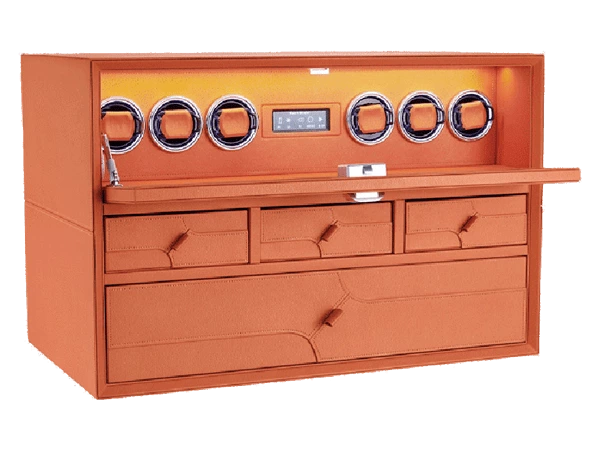
A wardrobe safe should feel intentional, secure, and easy to use within the closet layout. The goal is not only to hide the safe but to place it where the user can access valuables naturally while keeping the furniture balanced and structurally sound. Good integration considers visibility, ergonomics, materials, and the sequence of daily dressing routines.In a primary dressing room, the safe may sit behind a cabinet door near jewelry drawers, watch winders, or accessory storage. In a guest wardrobe or hospitality project, it may need to be simpler, more visible, and easier for short-term users to operate. In retail, showroom, or developer projects, repeatable installation and consistent dimensions may matter more than one-off customization.The visual finish also deserves attention. Some safes are designed to be concealed behind a matching wardrobe door, while others are presented as a premium feature with a refined front panel. If the project involves luxury wardrobe security, the safe should match the surrounding experience: quiet operation, clean alignment, suitable interior lining, and a layout that protects delicate items from scratches.
Smart features and space planning
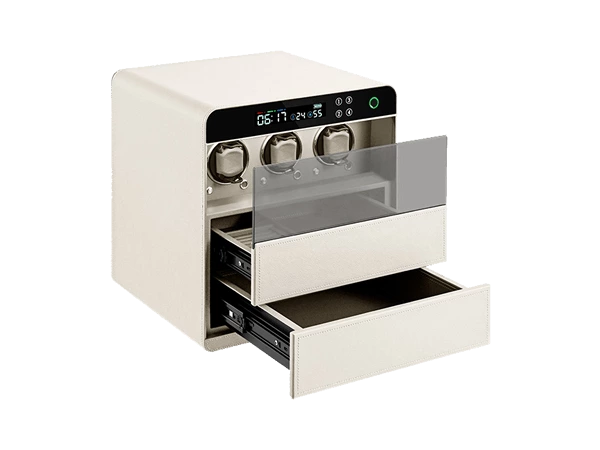
A smart wardrobe safe can add convenience, monitoring, and modern access control, but it can also change the space requirements. Biometric readers, touch keypads, app-connected modules, alarms, lighting, and internal charging options all require thoughtful placement. The front interface should be easy to see and use, especially if the safe is mounted inside a darker cabinet.Power and maintenance are often overlooked. Battery-powered systems still need battery access. Wired systems may need a hidden route through the wardrobe or wall. If the safe includes interior lighting or electronic accessories, the designer should plan cable paths before panels are manufactured.For OEM or project-based work, smart features should be defined early. A wardrobe safe OEM program may involve custom interfaces, branding, interior layouts, or lock options. Early decisions reduce the risk of changing cabinet dimensions late in the project.
Choosing between standard and OEM wardrobe safe options
Standard models are often suitable when the closet dimensions are flexible and the storage needs are straightforward. They can simplify procurement and reduce design complexity because the exterior dimensions are already fixed. For many homes, apartments, and hospitality rooms, a standard wardrobe safe provides enough function when it is planned early.OEM or factory-custom options make more sense when the wardrobe design drives the safe, not the other way around. This may include special sizes, private-label fronts, unusual finishes, custom interiors, smart lock configurations, or repeat production for a larger project. Working directly with a wardrobe safe factory can also help align samples, drawings, packaging, and installation requirements.When comparing suppliers, focus on practical coordination rather than vague claims. Ask whether the supplier can provide dimension drawings, installation guidance, interior configuration options, lock choices, and support for project quantities. A capable wardrobe safe supplier should make it easier for cabinetmakers, designers, and contractors to avoid guesswork.
Specification checklist for buyers and designers
Before approving a wardrobe safe, gather the details in one place. This helps prevent confusion between the client, designer, millworker, contractor, and supplier.
- Project type: private residence, apartment, hotel, villa, showroom, retail, or OEM production.
- Safe purpose: jewelry, watches, documents, electronics, cash, keys, handbags, or mixed valuables.
- Preferred size: target interior capacity plus maximum exterior dimensions.
- Placement: wardrobe bay, drawer stack, behind cabinet door, walk-in closet wall, or concealed panel.
- Access method: key, keypad, biometric, card, app-based, or combined locking system.
- Interior layout: shelves, trays, dividers, lining, lighting, charging, or removable compartments.
- Installation needs: anchoring, reinforcement, service access, power path, ventilation, and clearance.
- Design finish: hidden, flush-mounted, decorative face, branded panel, or coordinated hardware.
- Supply route: standard purchase, wardrobe safe OEM, or custom production through a wardrobe safe factory.
This checklist is especially useful for custom closet projects because it turns a general idea into a buildable specification. It also helps identify conflicts early, such as a desired safe depth that exceeds the cabinet depth or a smart lock that needs more front clearance than expected.
Practical mistakes to avoid
The most common sizing mistake is choosing a safe based only on the valuables owned today. Storage needs often grow, especially for watches, jewelry, passports, and important documents. If the wardrobe space allows, a modest reserve of unused interior capacity is usually more comfortable than a tightly packed safe.Another mistake is ignoring furniture strength. A wardrobe safe is part of a security system, but it is also a heavy object inside furniture. The cabinet should be designed to support the safe securely, and anchoring should be considered from the start rather than added as an afterthought.Finally, do not let concealment make the safe inconvenient. If the user must move clothes, open multiple panels, or kneel awkwardly each time, the safe may not be used. The best wardrobe furniture safe is discreet but still practical for everyday access.
Final guidance for selecting the right dimensions
Choose the wardrobe safe size by working from the inside out: contents first, interior layout second, exterior dimensions third, and furniture integration last. This approach keeps the safe useful while protecting the look and function of the custom closet. It also gives suppliers and manufacturers the information they need to recommend a standard model or develop an OEM solution.For compact projects, prioritize clean access and efficient interior organization. For larger or luxury wardrobe security projects, involve the wardrobe designer and wardrobe safe supplier early so structure, concealment, smart features, and finishes are coordinated before production. The right safe should not feel like an accessory squeezed into the closet; it should feel like a planned part of the wardrobe system.