From Inquiry to Delivery a Custom Smart Safe Project for a Private Villa in Riyadh
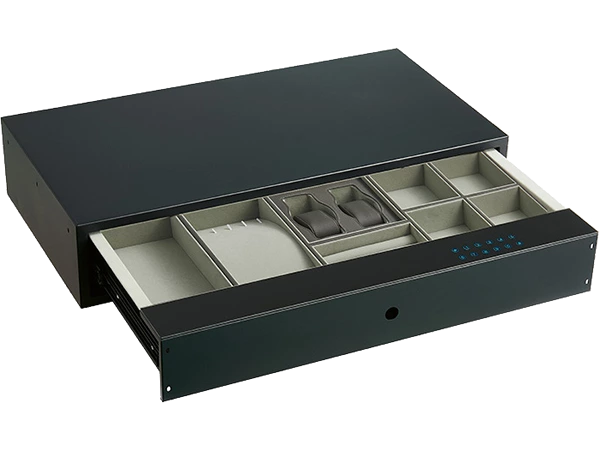
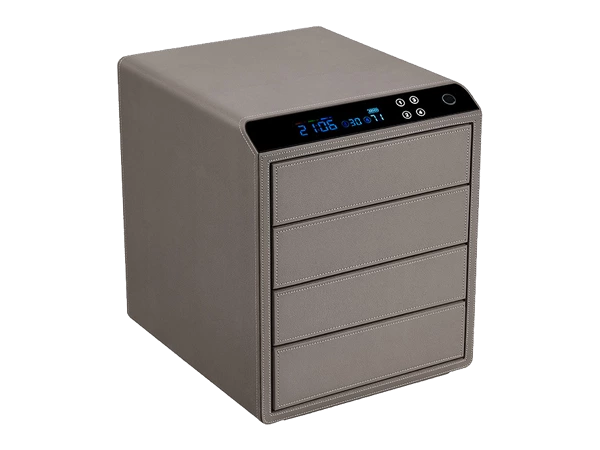
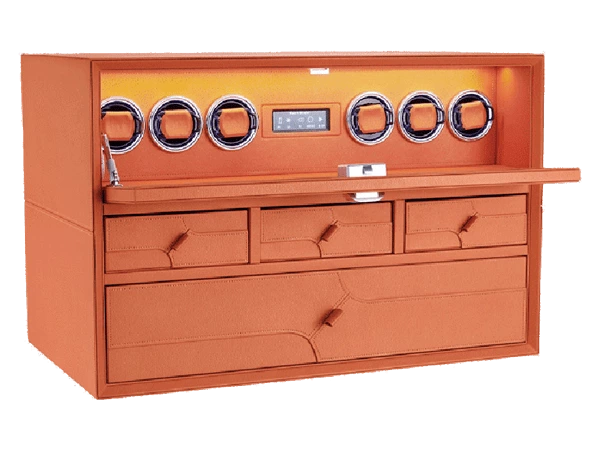
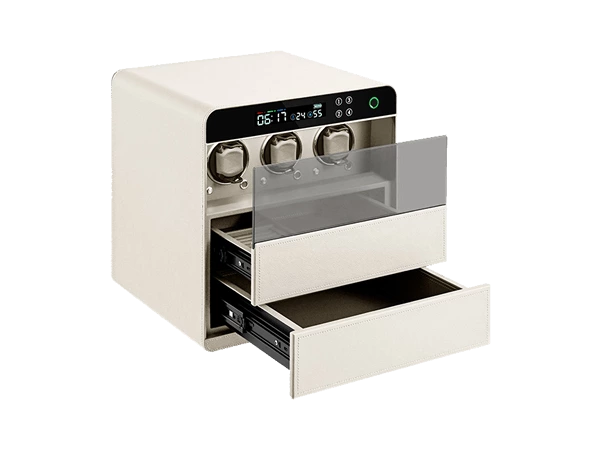
A custom Smart Safe project for a private villa in Riyadh is not just about choosing a strong box and placing it in a room. It is a coordinated smart home security process that connects architecture, interiors, low-voltage planning, privacy, daily convenience, and long-term maintenance. When planned early, a smart safe box can protect valuables while disappearing neatly into the villa’s design rather than feeling like an afterthought.
For homeowners, consultants, and interior teams, the best results come from treating the safe as part of the home’s security ecosystem. That means defining what must be protected, where access should happen, how alerts will work, and how installation can respect building approvals and site workflow.
How does a custom Smart Safe project begin?
A custom Smart Safe project begins with discovery: what the homeowner wants to secure, who should access it, where it will be installed, and how it should connect to the wider villa security system. In Riyadh, this first stage should also consider construction status, interior design intent, and whether any building or modification work must align with the approved project pathway through the relevant local processes.
The inquiry stage is where vague concerns become clear requirements. A homeowner may say they need a safe box for home use, but the project team needs to understand whether that means jewellery, watches, documents, cash, heirlooms, keys, or sensitive devices. Each use case affects the safe’s internal layout, locking method, anchoring strategy, and placement.
A good brief normally covers:
- Asset profile: the size, sensitivity, and access frequency of the items being protected.
- Access preferences: fingerprint, PIN, app-based monitoring, dual authorization, or mechanical override.
- Privacy level: whether the safe should be visible, concealed, or integrated behind joinery.
- Connectivity: how the safe will communicate with alarms, access control, cameras, and mobile alerts.
- Construction phase: whether walls, floors, conduits, and server locations are still open for coordination.
- Maintenance expectations: battery access, emergency opening procedures, firmware updates, and service visits.
The villa survey turns ideas into technical decisions
After the inquiry, the next step is a detailed site or drawing review. If the villa is under construction, this may involve architectural drawings, electrical layouts, low-voltage routes, wall build-ups, and interior elevations. If the villa is already occupied, the survey focuses on retrofit feasibility, clean installation, privacy during work, and minimizing disturbance.
This stage is where the project team identifies realistic locations. A safe installed in a master suite wardrobe has different requirements from one placed in a private office, basement, majlis-adjacent storage room, or concealed service area. The decision should balance discretion, convenience, structural support, ventilation, connectivity, and emergency access.
For villas in Riyadh, project coordination also needs to respect the local construction environment. Balady lists construction licensing services for Riyadh Municipality, including electronic submission for building or fencing permit requests, while the building permit pathway involves engineering office participation and required files such as architectural and structural designs, depending on the application.
Designing the safe around the home, not the other way around
A smart safe box should feel intentional. In a luxury villa, security equipment that clashes with marble, timber veneer, leather panels, or custom cabinetry can weaken the entire interior experience. The goal is not to make technology loud; it is to make protection feel calm, discreet, and natural.
This is why the interior designer should be involved before final installation details are locked. The designer can plan cabinet depth, door swing, lighting, handle clearance, access height, and finishes around the safe. Meanwhile, the security specialist confirms that concealment does not block sensors, compromise ventilation, weaken anchoring, or make emergency service access impossible.
Common integration approaches include:
- Wardrobe integration: useful for jewellery, watches, passports, and personal documents, especially when access is frequent.
- Private office installation: suitable for files, devices, business documents, and controlled family access.
- Concealed joinery placement: effective when the safe should remain hidden without making access awkward.
- Dedicated secure room: appropriate when the safe is part of a broader high-security zone with cameras, access control, and intrusion detection.
- Construction-stage embedding: ideal when conduits, anchoring points, and power routes can be planned before finishes are installed.
The best option depends on how the homeowner lives. A safe that is technically impressive but inconvenient may be left unused. A safe that is easy to access but poorly concealed may not meet the privacy goal. The right design resolves both issues.
What technology should a smart safe box include?
A smart safe box should include technology that improves control without making everyday use complicated. The most useful features are usually biometric access, secure PIN options, tamper alerts, remote status monitoring, audit logs, backup opening methods, and integration with the home’s alarm or automation platform.
The keyword is balance. Too little technology limits visibility and convenience. Too much technology can create unnecessary complexity, especially if family members, household managers, or authorized staff need different permissions. A strong smart home security design gives the owner clarity: who opened the safe, when it happened, and what alerts should be triggered if something unusual occurs.
Practical feature decisions include:
- Biometric access: convenient for primary users, especially when quick access matters.
- Dual authentication: useful for highly sensitive assets where two credentials should be required.
- Tamper and vibration alerts: valuable when connected to home-wide notifications or security response procedures.
- Remote monitoring: helpful for checking lock status while away from the villa.
- Audit history: important when multiple authorized users have access.
- Backup power and override: essential for resilience during battery failure, connectivity issues, or emergencies.
- Low-voltage integration: cleaner and more reliable when planned during construction rather than added after handover.
Not every safe box for home use needs every feature. The smartest solution is the one that fits the homeowner’s risk level, lifestyle, and comfort with technology.
Coordination during construction prevents expensive retrofits
The easiest time to integrate smart home security is before walls are closed, joinery is fabricated, and finishes are installed. At that point, the team can plan conduit routes, cable access, network positions, power supply, equipment ventilation, and service panels with far less disruption.
If the villa is already complete, installation is still possible, but the choices may be narrower. Cutting finished stone, relocating cabinetry, or opening walls can add cost, risk, and delays. Early planning also helps avoid placing the safe in a visually attractive spot that later proves weak for anchoring, poor for connectivity, or awkward for daily use.
A smooth project normally depends on clear responsibility between:
- The homeowner or representative, who approves access rules, privacy expectations, and final locations.
- The architect, who confirms spatial feasibility and structural implications.
- The interior designer, who integrates the safe into joinery, finishes, and room flow.
- The contractor, who prepares openings, supports, conduits, and power access.
- The smart security provider, who specifies the safe, access system, monitoring logic, and commissioning process.
- The supervising engineering team, where required, to keep technical work aligned with approved documentation.
This coordination matters in Riyadh villa projects because building approval and completion processes can involve formal documentation and municipal review. Balady’s building permit information refers to required items such as contracts with engineering offices, a supervising engineering office and contractor, soil reports, declarations, and payment of service fees, depending on the project context.
Delivery, installation, and commissioning are where quality shows
Delivery is more than moving a heavy safe into the villa. The team must protect finished surfaces, control access to the installation area, verify the prepared opening, confirm power or network readiness, and install the unit according to the approved technical method. For concealed installations, sequencing is especially important because the safe, cabinetry, panels, and access hardware must align precisely.
Commissioning then turns the installed product into a working security layer. This includes enrolling authorized users, setting PIN rules, testing biometric access, confirming alerts, connecting the safe to the alarm or smart home platform, and documenting backup procedures. The owner should also receive simple guidance on daily use, emergency opening, battery care, and when to request service.
A practical handover checklist includes:
- Confirm the safe is securely fixed and opens without obstruction.
- Test every approved access method, including backup access.
- Verify alerts for incorrect attempts, tampering, low battery, and door-left-open events.
- Check integration with motion sensors, cameras, access control, or home automation scenes.
- Review user permissions and remove temporary installer credentials.
- Document maintenance steps and emergency contact procedures.
- Photograph final concealed conditions only if the homeowner permits it.
Compliance and privacy should stay visible throughout
Security projects inside private villas require discretion. Drawings, photos, access credentials, safe locations, and integration details should be shared only with the people who need them. Even during construction, privacy protocols matter because many workers and suppliers may pass through the site.
Compliance is equally important. The Saudi Building Code system provides minimum requirements for design, construction, modification, and related building work, while local platforms such as Balady handle municipal construction services and permit workflows. Any smart safe installation that affects structure, electrical routing, fire safety, or approved construction documents should be coordinated with qualified project professionals rather than treated as a standalone purchase.
This does not mean every safe requires a complex approval process. It means the project team should know when a safe is simply furniture-like equipment and when its installation touches construction, power, structural support, or regulated work. That distinction protects the homeowner, the contractor, and the final quality of the villa.
A well-planned Smart Safe becomes part of the home’s rhythm
The best Smart Safe project for a private villa in Riyadh is quiet, secure, and easy to live with. It protects valuables without interrupting the interior design, connects to smart home security without overwhelming the user, and supports the way the household actually functions.
From the first inquiry to final delivery, success depends on asking the right questions early. What needs protection? Who needs access? Where can the safe be installed securely and discreetly? How will it connect to the wider villa system? When those answers guide the project, a smart safe box becomes more than a product. It becomes a carefully integrated layer of privacy, convenience, and confidence inside the home.