How a Middle East Client Solved Jewelry Storage Problems with a Biometric Drawer Safe
Jewelry is easy to enjoy and hard to organize when valuable pieces are spread across dressing tables, wardrobe shelves, bedside drawers, and travel cases. A Biometric Drawer Safe gives homeowners a discreet, everyday way to protect rings, watches, bracelets, heirlooms, and important small valuables without turning access into a chore. Inspired by a Middle East client who needed faster, more reliable jewelry storage at home, this product page shows how a biometric safe can bring secure storage closer to daily life.
What does this biometric drawer safe solve for jewelry owners?
A biometric drawer safe solves the problem of keeping jewelry both protected and easy to reach. Traditional storage boxes can look elegant, but they usually do not provide real access control. A large safe can be secure, but it may feel inconvenient when you are choosing jewelry before work, preparing for an evening event, or putting valuables away at night.
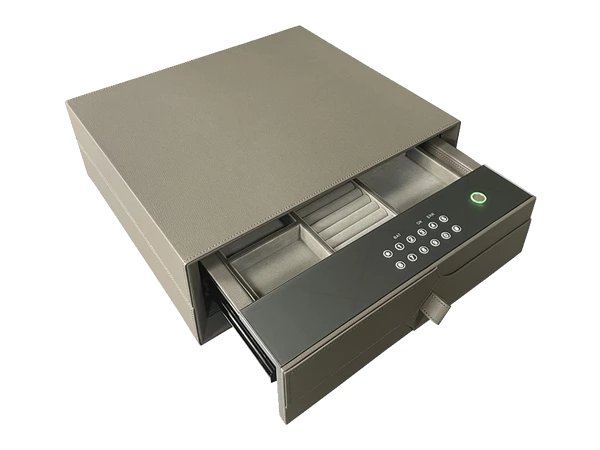
The Biometric Drawer Safe fits into that gap. It is designed as a safe drawer for small valuables that need to be stored neatly, privately, and securely. With fingerprint access, the owner does not have to search for keys or remember where a code was written down. The result is a more practical form of home security: valuable items are protected in a dedicated drawer safe, while daily access remains quick and familiar.
For the Middle East client, the challenge was not simply owning jewelry. The issue was the routine around it. Pieces were being moved between boxes and drawers, which made it easier to misplace items and harder to control who could reach them. A biometric lock drawer safe gave the client one dedicated place for jewelry storage, supported by digital access control.
The product at a glance
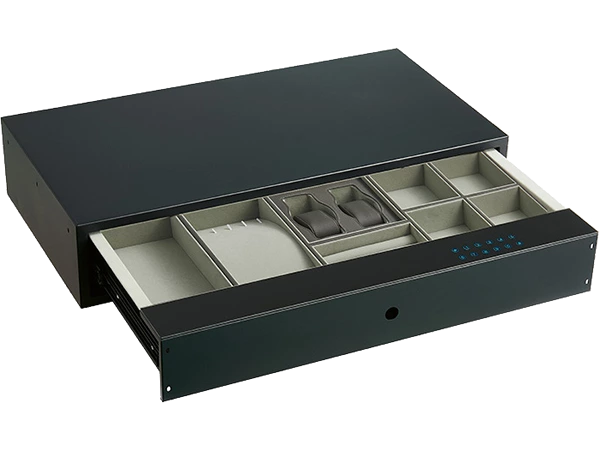
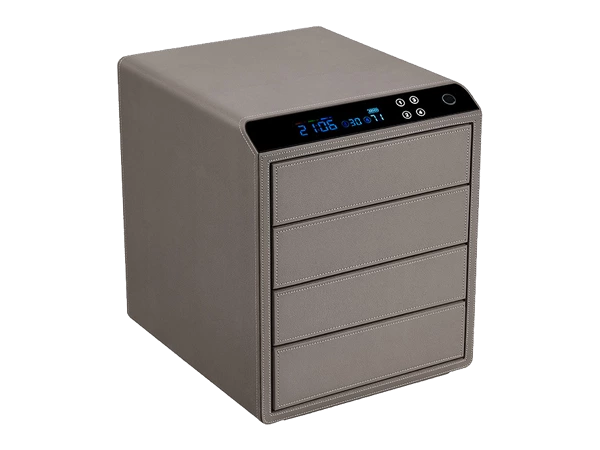
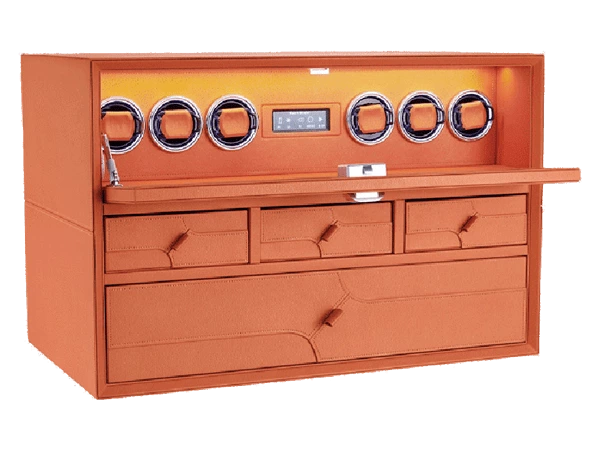
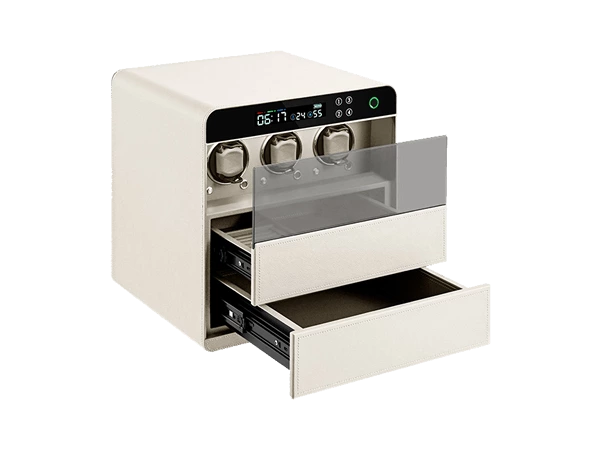
The Biometric Drawer Safe is a compact personal safe built for discreet installation in a drawer, cabinet, wardrobe area, dressing space, office unit, or similar furniture setting. It is intended for people who want secure storage without placing a large, visible safe in the room. The drawer-style format makes it especially useful for jewelry, watches, cash, documents, passports, small electronics, and sentimental valuables.
This product is best understood as a daily-use fingerprint safe rather than a storage box. It combines the convenience of a drawer with the controlled access of a digital safe. The fingerprint lock helps reduce dependence on physical keys, while the drawer format keeps valuables organized in a place that feels natural to use.
Key product benefits include:
- Fast biometric access for approved users through fingerprint recognition.
- Discreet placement inside furniture, helping valuables stay out of open view.
- Dedicated jewelry organization so small pieces are not scattered across multiple locations.
- Personal access control for bedrooms, dressing rooms, wardrobes, home offices, or private suites.
- Everyday convenience compared with storing frequently used jewelry in a distant or oversized safe.
- A cleaner storage routine that encourages users to put valuables away immediately after use.
The most important benefit is behavioral. A safe only works if people actually use it. Because this biometric lock drawer safe is designed for frequent access, it supports better security habits without adding friction to the owner’s day.
A real storage scenario from a Middle East home
The client’s situation was familiar to many jewelry owners: valuable pieces were used regularly, but there was no single trusted place for them. Some items were kept in decorative jewelry boxes. Others were placed in bedroom drawers after use. Watches and small valuables were sometimes left near mirrors, dressers, or bedside areas for convenience.
This made the home feel less organized and created unnecessary worry. When jewelry is stored in several places, the owner has to remember where every item was last placed. If household staff, visitors, family members, or maintenance workers are in the home, open storage also creates uncomfortable access concerns.
The solution was not to make jewelry harder to reach. The better answer was to make proper storage easier than leaving items out. By using a Biometric Drawer Safe, the client could place daily-wear pieces, occasional jewelry, and select valuables inside one secure drawer. The fingerprint safe became part of the dressing routine: open, choose, wear, return, lock.
That small change improved the whole storage process. Instead of relying on memory and scattered hiding places, the client gained a consistent system. The safe drawer helped separate valuable storage from ordinary furniture storage, while the biometric lock made access simple for the authorized user.
Secure storage that fits daily routines
A common mistake in home security is choosing equipment that is technically strong but inconvenient for real life. If a personal safe is too far away, too large, or too slow to open, users may stop using it for daily items. Jewelry is especially vulnerable to this problem because it is often selected, changed, removed, and stored several times a week.
A drawer safe works well because it meets the user where the routine already happens. If jewelry is chosen near a wardrobe, dressing table, or bedroom storage area, the safe should live near that same space. This reduces the temptation to leave pieces on open surfaces “just for now.”
The Biometric Drawer Safe supports secure storage in practical situations such as:
- Putting rings and earrings away before sleeping.
- Storing watches after returning from work or travel.
- Keeping passports and small valuables near but not exposed.
- Separating high-value jewelry from everyday accessories.
- Giving one or two trusted users access without distributing keys.
- Creating a private storage area inside a larger room or closet system.
This is where a biometric safe becomes more than a security product. It becomes part of the room’s workflow. The right placement can help users build a habit of locking valuables away immediately, which is often more valuable than relying on storage only during travel or long absences.
Fingerprint access without the usual key problem
Keys create a familiar security weakness. They can be misplaced, copied, borrowed, or hidden in predictable spots. A keypad code can also be shared too widely or forgotten if it is not used often. A biometric safe reduces those issues by using a fingerprint as the primary access method.
For a jewelry owner, this matters because access should be both limited and convenient. A fingerprint safe can allow authorized access without requiring the owner to carry a key around the home. When the safe is used often, this speed matters. A storage step that takes seconds is more likely to become part of the routine.
A biometric lock drawer safe may still include backup access options depending on the model and configuration. Those details should be reviewed before purchase, especially for homes where more than one person may need access. The goal is to choose a digital safe setup that matches the way the household actually uses jewelry and valuables.
When discussing your configuration, consider these access questions:
- Who should be authorized to open the safe?
- Should access be limited to one person or shared with a spouse or trusted family member?
- Where should backup access be kept, if the selected model includes it?
- Will the safe be used daily, weekly, or mainly during travel periods?
- Should the safe be placed in a wardrobe, dresser, cabinet, or office drawer?
These choices help determine the most practical installation and access setup. The best biometric safe is not only secure on paper; it is secure in the exact room and routine where it will be used.
Built for jewelry, watches, documents, and small valuables
The Biometric Drawer Safe is especially suited to items that are valuable, compact, and frequently handled. Jewelry storage is the main use case, but many owners also want one secure place for other essentials. A safe drawer can become a private storage zone for valuables that should not sit in a normal drawer.
Typical items stored in this type of personal safe include:
- Rings, necklaces, bracelets, earrings, and brooches.
- Luxury watches and watch accessories.
- Passports, identity documents, and travel documents.
- Cash kept at home for practical use.
- Spare keys or access cards.
- Small electronics, memory devices, or private items.
- Family heirlooms and sentimental valuables.
The drawer format is useful because it allows the owner to see and reach small items more naturally than a deep box. Instead of stacking jewelry cases or mixing items in a general drawer, the user can create a clearer storage habit. If inserts, trays, or internal organizers are used, the safe can also help reduce clutter and make it easier to notice when something has not been returned.
Because exact dimensions and interior fittings can vary by model, buyers should confirm the internal space before ordering. Measure the jewelry cases, watch boxes, document envelopes, or organizers you plan to store. This prevents the common problem of buying a safe that is secure but not suitable for the items it is meant to protect.
Product features that support home security
A good drawer safe should protect valuables while blending into the home. The Biometric Drawer Safe is designed around discreet access, personal control, and practical placement. For homes in the Middle East and elsewhere, this balance is important because interiors are often designed with wardrobes, dressing areas, built-in cabinetry, and private suites where visible security equipment may not be preferred.
Core feature considerations include:
- Biometric locking: Fingerprint access helps approved users open the safe quickly without relying only on keys.
- Drawer-style storage: The safe drawer format suits jewelry, watches, documents, and small valuables that need organized access.
- Digital safe convenience: Electronic access can make regular use easier than traditional lock-and-key storage.
- Discreet installation: Placement inside furniture helps keep the safe less visible in the room.
- Personal safe sizing: The compact format is intended for private valuables rather than bulky household storage.
- Everyday usability: The product is built for repeated opening and closing during normal routines.
These features work together. Biometric access is useful because the safe is placed where the owner needs it. The drawer format is useful because jewelry can be viewed and returned easily. Discreet installation is useful because secure storage does not have to disrupt the design of the room.
Choosing the right placement
Placement has a major effect on how well a drawer safe performs in daily life. If the safe is installed in a room where jewelry is rarely used, it may become a special-occasion storage solution rather than an everyday habit. If it is placed in the right dressing or wardrobe area, it can become the natural place to store valuables.
Before selecting your installation location, think through your routine from start to finish. Where do you remove jewelry at night? Where do you choose watches before leaving home? Where do you keep travel documents before a trip? The best location is often the place where valuables are already being handled, but without the security risk of open storage.
Useful placement options include:
- Wardrobe drawer installation for jewelry and watches used while getting dressed.
- Dressing table integration for rings, earrings, and daily accessories.
- Bedroom cabinet placement for private storage near the owner’s routine.
- Home office drawer use for documents, cash, or small electronics.
- Walk-in closet placement for homeowners with a dedicated dressing area.
A professional consultation can help determine whether the furniture, drawer depth, power needs, access angle, and opening clearance are suitable. If those details are not checked early, the safe may fit physically but feel awkward to use. Good planning protects both the product performance and the room design.
Pricing and model options
Pricing for a Biometric Drawer Safe can vary depending on model, size, lock configuration, finish, installation requirements, and any interior organization options. Because jewelry storage needs differ from one home to another, the most accurate approach is to request a recommendation based on the items you want to protect and the location where the safe will be installed.
A simple daily-use drawer safe may have different requirements from a larger wardrobe-integrated solution for watches, documents, and multiple jewelry sets. Installation complexity can also affect the final cost, especially if the safe must be integrated into custom cabinetry or an existing furniture layout.
To receive a practical quote, prepare the following details:
- The type of valuables you want to store.
- Approximate quantity of jewelry, watches, documents, or small items.
- Preferred installation location.
- Whether the safe is for one user or multiple authorized users.
- Any existing drawer, cabinet, or wardrobe dimensions.
- Your preference for discreet placement, easy access, or maximum internal capacity.
This information helps match the product to the use case instead of forcing the client to choose from unclear specifications. For many buyers, the right safe is the one that fits both the room and the routine.
The buyer journey from inquiry to use
The process begins with understanding what needs to be stored and where the safe should sit. For jewelry owners, this is usually more important than starting with technical details. Once the use case is clear, the right biometric lock drawer safe can be selected according to access needs, drawer space, and desired installation style.
A typical buying process may include:
- Share your storage problem. Explain whether you need jewelry storage, document storage, watch storage, or a mix of small valuables.
- Review the best location. Identify where you currently handle these items and where secure storage would be most convenient.
- Confirm product fit. Check internal capacity, access method, and installation requirements before committing.
- Plan installation. Make sure the drawer safe can be positioned for comfortable use and discreet placement.
- Set up authorized access. Configure fingerprint access for the approved user or users.
- Build the routine. Store valuables immediately after use so the safe becomes part of daily home security.
This step-by-step approach keeps the purchase grounded in real behavior. The goal is not only to own a biometric safe. The goal is to solve the daily storage problem that causes valuable items to be left exposed, misplaced, or handled without clear access control.
A better way to protect jewelry at home
The Middle East client’s experience shows why secure storage should be designed around real routines. Jewelry owners do not need a complicated process every time they put away a ring or watch. They need a reliable, private, and convenient place that makes the secure choice the easy choice.
A Biometric Drawer Safe brings together the strengths of a fingerprint safe, personal safe, digital safe, and discreet drawer safe in one practical product category. It supports home security without making valuables feel out of reach. For homeowners, collectors, frequent travelers, and anyone who wants better control over small valuables, it offers a cleaner and more secure alternative to ordinary drawers and jewelry boxes.
If you are ready to organize and protect your jewelry with a biometric lock drawer safe, start by choosing the items you want to secure and the room where access matters most. Request product guidance, confirm the right model and installation approach, and turn your safe drawer into the place your valuables always return to.