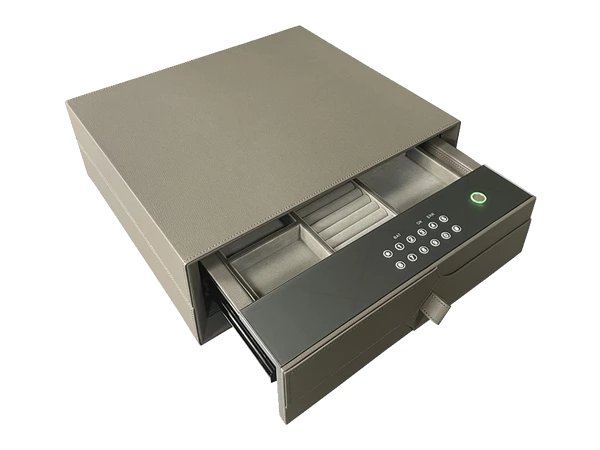
Hidden Safe Box in Wardrobe: A Real Custom Case for a Middle East Villa Owner
When it comes to true luxury, ultimate peace of mind is just as important as exquisite interior design. For high-net-worth individuals, securing valuables isn’t just about buying a heavy metal box; it is about integrating top-tier security seamlessly into their daily lives without compromising the aesthetic of their living spaces.
Recently, we were approached by a villa owner in the Middle East—let’s call him Mr. Tariq—who presented us with a unique challenge. He required a highly secure, easily accessible, yet entirely invisible storage solution for his master suite. The answer was a custom-engineered hidden safe in wardrobe setup that blended impenetrable security with bespoke craftsmanship.
In this comprehensive guide, we will walk you through this fascinating custom case study. Along the way, we will break down the engineering, the decision-making process, and the actionable lessons you can apply to your own property, whether you are looking for a massive custom build or simply exploring inconspicuous security solutions for valuables.

The Client’s Dilemma: Security Meets Haute Couture
Mr. Tariq’s villa featured a meticulously designed, walk-in master wardrobe fitted with floor-to-ceiling mahogany cabinetry, bespoke lighting, and premium leather finishes. He possessed a collection of luxury watches, high-value family heirloom jewelry, and critical international business documents.
He needed a discrete jewelry safe for master bedroom use. However, his core requirement was strict: the safe could not disrupt the room's visual harmony, nor could it be obvious to anyone casually walking into the closet.
Many homeowners immediately think of hiding a floor safe under floorboards when looking for ultimate concealment. While floor safes offer excellent covert protection, they come with distinct disadvantages for daily use. They require bending down, moving rugs or heavy furniture, and are notoriously difficult to protect against environmental moisture or flooding. Because Mr. Tariq needed to access his watches and cufflinks daily, a floor safe was quickly ruled out in favor of a hidden safe box in wardrobe.
Evaluating the Best Concealment Strategies
When evaluating the best ways to conceal home safes, accessibility must be balanced against invisibility. We considered several options for the villa:
- Behind a False Wall: Creating a secret room or cavity behind a motorized mirror. (Deemed too structurally invasive for the finished room).
- Inside Custom Furniture: Utilizing DIY secret furniture compartments for cash and small items. (Great for minor valuables, but lacking the heavy-duty steel required to stop a determined burglar).
- The Wardrobe Integration: Housing a high-security steel enclosure behind a false cabinet door that perfectly matched the surrounding mahogany woodwork.
The wardrobe integration was the clear winner. It allowed us to install a substantial hidden home safe box at a comfortable height while keeping it entirely out of sight.
Ergonomics: How High Should a Safe Be Mounted?
A frequently overlooked aspect of installing a hidden safe box is ergonomics. Homeowners often ask: how high should a safe be mounted?
The answer depends entirely on the locking mechanism and the frequency of use. If you are using a biometric scanner, the safe should ideally be mounted at chest or eye level to allow for a natural, seamless scan of your fingerprint or retina. If you are using a mechanical dial, mounting it slightly lower (waist level) allows you to look down comfortably at the numbers. For Mr. Tariq, we engineered the cabinetry to house the safe exactly at chest height, ensuring he could open it effortlessly while standing in his suit.
Engineering the Safe: Specifications and Protection
Choosing the right hidden safe boxes requires looking far beyond the exterior paint job. A premium hidden safe box for home use must be built to withstand severe physical attacks and catastrophic environmental disasters.
UL Rated Home Burglary Protection
For a property of this magnitude, standard big-box store safes were inadequate. We needed a unit with stringent UL rated home burglary protection. Underwriters Laboratories (UL) is an independent safety science company that rigorously tests safes.
We selected a safe with a TL-30 rating. This means the door and the front face of the safe can withstand a grueling 30-minute attack by professional safecrackers using hand tools, picking tools, mechanical or electrical tools, grinding points, carbide drills, and pressure devices. The body of the safe was constructed of high-density, drill-resistant steel armor, functioning similarly to heavy duty steel cabinet lock boxes but on a much more massive, sophisticated scale.
Fireproof and Waterproof Document Storage
While theft is a primary concern, fire and water damage are statistically far more likely to destroy valuables. Mr. Tariq required robust fireproof and waterproof document storage for his property deeds, passports, and bearer bonds.
The custom unit we installed featured a dual-layer defense system:
- Fire Protection: The safe was rated to withstand external temperatures of 1,700°F (927°C) for up to two hours while maintaining an internal temperature below 350°F (177°C)—the point at which paper chars. This was achieved through a proprietary mix of concrete and gypsum encased in the steel walls.
- Waterproofing: In the event of a fire, sprinkler systems or firefighter hoses can flood a room. The safe featured an intumescent door seal that expands up to seven times its size when exposed to heat, sealing the interior off from both smoke and water.
The Interior: A Personal Hidden Safe Deposit Box
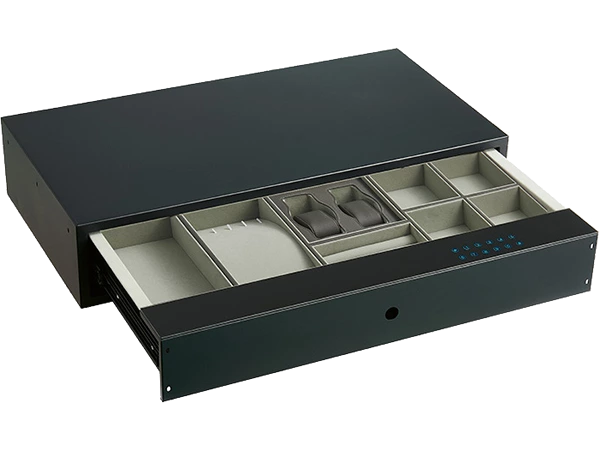
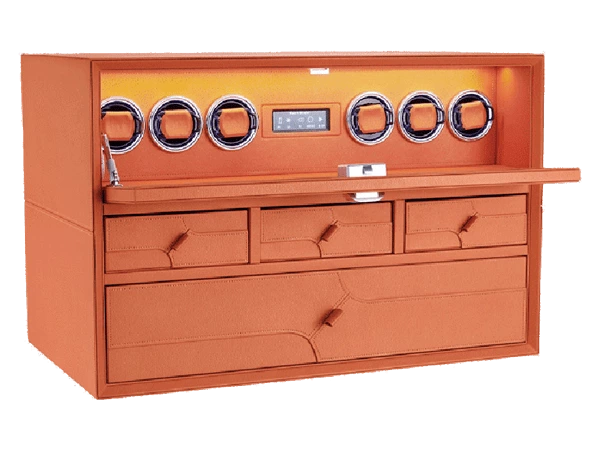
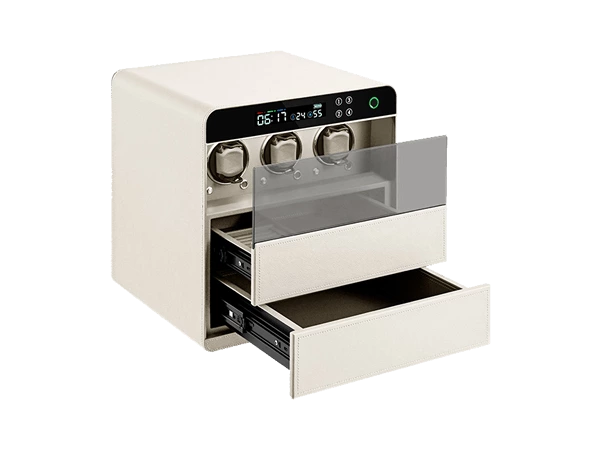
The inside of a custom luxury safe looks nothing like a standard metal box. It functions as a personalized hidden safe deposit box right in your own home. We worked with a master carpenter to line the interior with tarnish-resistant microsuede.
The layout included:
- Four ultra-quiet, programmable watch winders.
- Two shallow drawers with custom inserts for rings and cufflinks.
- A deep, reinforced bottom drawer for bulk cash.
- A specialized, airtight folder compartment for documents.
The Great Debate: Selecting the Right Locking Mechanism
A secure box is useless if the locking mechanism fails or is easily bypassed. During the consultation phase, we had a detailed discussion regarding the locking interface. The two main topics of debate were mechanical dial vs electronic lock reliability, and biometric vs digital keypad security.
Mechanical Dial vs Electronic Lock Reliability
Traditionalists often swear by the mechanical dial lock.
- Pros: They require no batteries, boast a centuries-old track record of reliability, and are largely immune to electromagnetic pulses (EMPs).
- Cons: They are slow to open. In a high-stress situation, or simply when you are in a rush to catch a flight, spinning a dial perfectly to a multi-digit combination can be frustrating.
Electronic locks, on the other hand, offer speed and convenience. Modern high-end electronic locks are incredibly reliable, provided they are EMP-resistant and undergo regular battery changes. Because Mr. Tariq prioritized daily convenience, we opted to go the electronic route.
Biometric vs Digital Keypad Security
Once we decided on an electronic interface, we had to choose between a fingerprint/retina scanner and a numeric keypad.
- Biometrics offer the pinnacle of speed and personalization. You are the key. However, biometrics can occasionally be finicky if your fingers are wet, dirty, or cut.
- Digital Keypads offer steadfast consistency but require you to remember a code, which can theoretically be coerced out of a person or seen by a hidden camera.
The Solution: We implemented a redundant dual-lock system. The primary access is a high-resolution, anti-spoofing biometric fingerprint scanner. If the biometric scanner ever fails (or if a trusted family member needs access in an emergency), there is a secondary digital keypad that requires a complex 8-digit pin. This provided the perfect balance of immediate access and reliable backup.
The Installation Process: Securing the Vault
The most critical phase of the project was the installation. A 1,200-pound steel safe cannot simply be pushed into a wooden cabinet. If a safe is not properly anchored, professional thieves armed with heavy-duty dollies will simply remove the entire unit from the home and crack it open at their leisure in a remote locati0n.
Securing a Safe to a Wooden Floor over Concrete Slab
Mr. Tariq’s wardrobe featured beautiful, imported hardwood floors. However, securing a safe to a wooden floor alone is a massive security risk, as wood can easily be splintered or cut around the bolts.
Fortunately, the villa's second story was constructed with reinforced concrete beneath the hardwood. We utilized heavy-duty masonry anchors. The process involved:
- Carefully mapping out the exact dimensions of the safe within the wardrobe framing.
- Precision-drilling through the hardwood and deep into the concrete slab below.
- Driving half-inch thick, expanding steel wedge anchors through the interior floor of the safe, down into the concrete.
- Torquing the bolts from the inside, ensuring that once the safe door is locked, the bolts cannot be accessed or tampered with from the outside.
Because of this intense anchoring process, the safe effectively became part of the villa's structural foundation.
Bolting a Safe to Wall Studs
For homes without concrete subfloors (such as traditional wood-framed houses in North America or Europe), floor anchoring must be supplemented by bolting a safe to wall studs.
If this case study had taken place in a wood-framed property, we would have pre-planned the wardrobe’s construction to align perfectly with the load-bearing studs of the wall. Using heavy-duty lag bolts, we would anchor the back of the safe directly into the structural timber. Bolting a heavy safe to both the floor joists and the wall studs creates an L-shaped anchor point that makes leverage-based attacks nearly impossible.
Seamless Camouflage: The Art of Invisibility
With the safe permanently anchored, the final step was concealment. Security through obscurity is a powerful secondary defense. If intruders do not know a safe exists, they will not spend time trying to breach it.
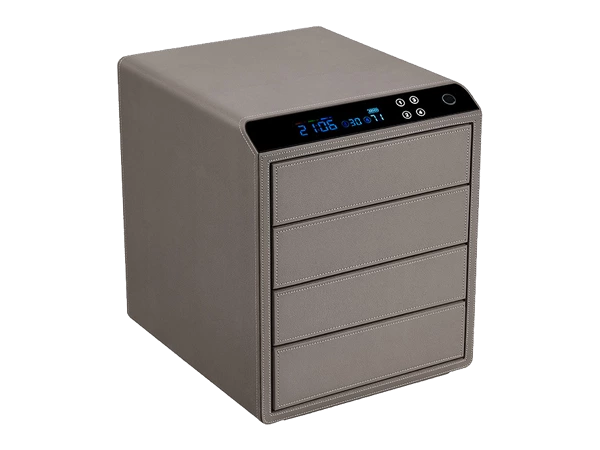
We collaborated closely with Mr. Tariq's interior design team. The section of the wardrobe housing the safe was fitted with a false facade. On the outside, it looked exactly like a stack of four beautifully crafted mahogany drawers. However, these "drawers" were actually a single, unified door attached to heavy-duty, hidden soft-close hinges.
By pulling on the top handle, the entire panel swung open to reveal the imposing steel face of the safe. Furthermore, we integrated a micro-switch into the false door. Whenever the false door was opened, focused LED lighting automatically illuminated the safe’s biometric scanner and keypad, making operation effortless regardless of the room's ambient lighting.
This custom hidden safe in wardrobe was a triumph of engineering and design, proving that elite security does not have to be an eyesore.
Lessons for the Everyday Homeowner
While Mr. Tariq’s custom Middle Eastern villa project utilized a heavy, highly customized vault, the core principles of his security strategy apply to homes of all sizes and budgets. You do not need a millionaire’s budget to protect your family's valuables effectively. Here is how you can scale these concepts for your own property.
How to Install a Wall Safe in a Closet
If a heavy floor-anchored model is too large for your space, a wall safe is a phenomenal alternative. Wall safes are designed to fit snugly between standard wall studs (typically spaced 16 inches apart).
For those wondering how to install a wall safe in a closet, here is a streamlined, actionable guide:
- Locate the Studs: Use a high-quality stud finder to locate two adjacent studs in the back or side wall of your closet. Make sure there is no plumbing or electrical wiring running between them.
- Mark and Cut: Use the template provided by the safe manufacturer to mark the exact dimensions on your drywall. Use a drywall saw to carefully cut out the rectangle.
- Insert the Safe: Slide the wall safe into the cavity. The flange (the lip around the edge of the safe) should rest flush against the outside of the drywall, hiding the cut edges.
- Secure to Studs: Open the safe door. You will see pre-drilled holes on the inside side-walls. Drive heavy-duty lag screws through these holes directly into the wooden wall studs on both sides.
- Concealment: Because the safe sits flush with the wall, you can easily hang a mirror, a piece of artwork, or even a row of hanging clothes directly in front of it, rendering it completely invisible.
Compact Electronic Safes for Small Spaces
For apartment dwellers or those with limited closet real estate, compact electronic safes for small spaces are a highly practical solution. These units are small enough to be tucked onto a high shelf inside a wardrobe or bolted under a desk.
When choosing a compact safe, prioritize models made with solid, pry-resistant steel doors. Even small safes should be bolted down. Most compact safes come with pre-drilled holes in the bottom and back, allowing you to secure them directly to a thick wooden shelf and the back wall. While they may not offer the same level of fireproofing or tool-resistance as a massive TL-30 safe, they are excellent for deterring smash-and-grab burglaries and keeping dangerous items away from children.
Alternative Hideaways and DIY Solutions
Not all valuables require a steel vault. Sometimes, clever concealment is all you need for smaller amounts of emergency cash, spare keys, or digital backups on USB drives. The market for discrete security has grown significantly, leading to highly creative solutions.
- Diversion Safes: These are everyday items (like a can of shaving cream, a wall clock, or a faux book) that feature a hollowed-out center. They are cheap, easy to use, and rely entirely on blending in.
- Air Vents: Installing a fake air return vent on your wall is a classic and effective way to hide small items. The vent looks entirely functional but opens to reveal a small cavity between the wall studs.
- DIY Compartments: For the woodworking enthusiast, building DIY secret furniture compartments for cash into existing furniture is an engaging project. This could involve creating a false bottom in a deep dresser drawer, a hidden sliding panel behind a bookshelf, or a hollowed-out cavity in the base of a heavy wooden bed frame.
While these DIY and diversion tactics are brilliant for obscurity, it is crucial to remember their limitations. They offer zero fire protection and no physical resistance. If a burglar happens to discover them, your items are immediately lost. Therefore, these methods should only be used for items you can afford to lose, or in conjunction with a primary, heavy-duty hidden safe box.
The Importance of Professional Consultation
One of the main takeaways from Mr. Tariq’s custom wardrobe project is the value of professional assessment. Security is not a one-size-fits-all product; it is a layered ecosystem.
Before purchasing a safe, consider consulting with a certified locksmith or physical security specialist. They can help you identify structural weaknesses in your home, advise on the exact type of floor anchoring required for your specific subfloor, and ensure that your safe choice aligns with the requirements of your homeowner’s insurance policy (especially crucial when insuring high-value jewelry and fine art).
Furthermore, a professional can assist in balancing the load. A heavy duty safe can weigh anywhere from 500 to over 3,000 pounds. If you are installing a safe on a second floor or in a historic home, a structural engineer may need to verify that your floor joists can handle the concentrated weight without sagging or causing structural damage to the property.
Final Considerations for Your Home Security Upgrade
Whether you are looking for a simple hidden home safe box to store some emergency cash, or you are ready to commission a fully integrated, bespoke hidden safe box in wardrobe like our client in the Middle East, keep the following core principles at the forefront of your mind:
- Concealment First: The best safe is the one a thief never finds. Utilize the natural geometry of your home, such as closets, false cabinets, and structural voids, to hide your security hardware.
- Anchor Relentlessly: Never rely on the weight of a safe alone. Always bolt your safe to concrete, or utilize both floor joists and wall studs to make unauthorized removal impossible.
- Invest in Fire Protection: Ensure your safe has legitimate fire ratings to protect irreplaceable documents and digital media.
- Prioritize Accessibility: Choose a locking mechanism that fits your lifestyle. If a safe is too difficult to open, you will stop using it, leaving your valuables vulnerable on nightstands and countertops.
- Layer Your Defenses: A hidden safe is the final line of defense. It should be supported by strong exterior doors, window shatter sensors, motion-activated lighting, and a monitored home alarm system.
Conclusion: The Ultimate Synthesis of Luxury and Defense
The project for Mr. Tariq stands as a testament to modern security capabilities. By blending the robust, uncompromising strength of a UL-rated steel vault with the delicate, bespoke craftsmanship of high-end cabinetry, we created an environment where luxury and defense coexist in perfect harmony.
A hidden safe in wardrobe represents the ultimate evolution of residential security. It acknowledges that your home is your sanctuary—a place that should remain beautiful and unblemished by industrial security equipment, yet fortified against any threat.
By taking the time to plan your concealment strategy, understanding the nuances of different locking technologies, and insisting on proper, structural installation, you can achieve that exact same peace of mind. True security is silent, invisible, and uncompromising. Protect your legacy by keeping it out of sight, firmly anchored, and ready for whatever the future may hold.