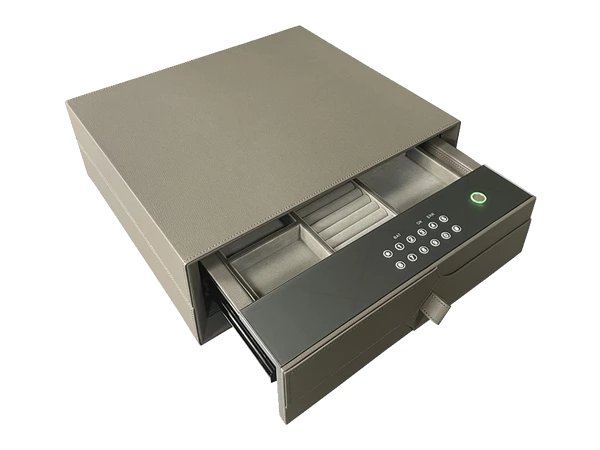
How We Designed a Hidden Safe for a Luxury Wardrobe Brand in Kuwait
When you think of high-end interior design, your mind likely immediately drifts to premium materials, flawless lighting, and seamless architectural lines. However, for high-net-worth individuals, true luxury also encompasses absolute peace of mind. Recently, our team was approached by a premier bespoke cabinetry brand in Kuwait to solve a unique engineering and design challenge: seamlessly integrating maximum-security storage into their flagship line of custom bedroom cabinetry.
The mandate was clear. The client wanted to offer their elite clientele a way of protecting heirlooms from home invasion without compromising the immaculate aesthetic of their custom dressing rooms. They needed an elegant, virtually undetectable solution that went far beyond the standard heavy metal boxes sitting awkwardly in the corner of a room.
What followed was a fascinating journey into the world of hidden house safes, blending behavioral psychology, advanced metallurgy, and master craftsmanship. Here is the inside look at how we designed the ultimate covert security system, along with actionable insights you can apply to protect your own valuables.

The Challenge: Marrying High Fashion with High Security
In the luxury market, aesthetics and functionality must exist in perfect harmony. The Kuwaiti wardrobe brand specializes in rich Italian veneers, glass-fronted display cases for designer accessories, and automated LED lighting. Introducing a bulky, industrial-looking metal box into this environment would instantly ruin the visual experience.
Traditionally, a safe hidden in closet spaces is simply bolted to a shelf and covered with a pile of sweaters. However, our client demanded a true hidden safe design for luxury wardrobes. This meant the vault had to be structurally integrated into the cabinetry framework itself, entirely invisible to the naked eye, yet instantly accessible to the homeowner.
Creating a hidden closet safe of this caliber requires precise engineering. Wood and steel expand and contract at different rates, especially in climate-controlled environments that battle extreme external temperatures. We had to design a housing system that could bear the immense weight of reinforced steel without warping the delicate custom woodwork that surrounded it.

The Psychology of Security: Beating the "Smash and Grab"
To design the ultimate concealed storage, we first had to understand the enemy. When consulting on security, the very first question we address is: where do burglars check first?
Statistics and law enforcement data consistently show that intruders follow a highly predictable pattern. They immediately head for the master bedroom, tearing through nightstands, under the mattress, top dresser drawers, and standard closet shelves. They are looking for easy targets that can be swept into a bag in minutes. Because of this frantic "smash and grab" mentality, simply putting a standard lockbox in the back of a wardrobe is insufficient.
Therefore, the best places to hide a safe are areas that require significant time, tools, or architectural knowledge to access. A closet hidden safe works exceptionally well, but only if the intruder doesn't realize it exists. Our goal was to ensure that even if a burglar stood directly in front of the wardrobe, they would see nothing but seamlessly aligned wooden panels.
Diversion Tactics vs. Structural Security
For smaller items or lower-risk environments, many people successfully use fireproof diversion containers—items designed to look like books, household products, or air vents that feature a small internal cavity. While clever, these are not suitable for high-value items like luxury watches, inherited jewelry, or critical business documents.
A true hidden home safe relies on both camouflage and impenetrable physical defense. We needed to create high-security camouflaged storage that offered the deception of a diversion safe, but the structural integrity of a commercial bank vault.

Engineering the Disguise: How to Disguise a Home Vault
To achieve absolute invisibility, we abandoned the idea of a traditional safe door. Instead, we utilized a false-depth architectural technique.
We designed a custom shelving unit within the wardrobe that appeared to be standard depth. However, the rear panel of this specific section was actually a motorized, reinforced veneer facade. By triggering a hidden touch-sensor embedded beneath the wood grain of an adjacent shelf, the rear panel would smoothly slide back and away, revealing the steel vault behind it.
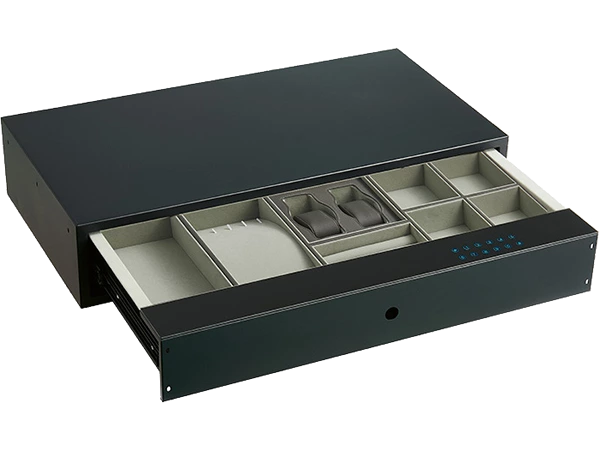
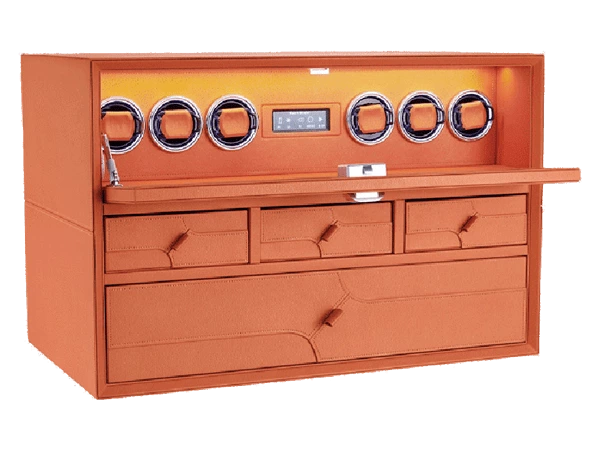
This approach elevated the concept of secret compartment furniture for jewelry to an entirely new level. The homeowner could store daily-wear items in the beautiful, velvet-lined display drawers, while keeping their most precious assets secured behind a mechanized, invisible wall.
Expanding Options: Concealed Wall and Floor Solutions
While we chose a built-in cabinetry approach for this specific luxury wardrobe, there are other highly effective methods for concealing safes in a residential setting:
- Concealed wall safe installation: This involves cutting into the drywall and mounting a vault directly between the wooden or steel studs of your home. It is easily hidden behind large mirrors or heavy artwork. However, space is generally limited to the standard 16-inch stud spacing.
- In-floor security vaults: Sunk directly into the concrete foundation of a home and covered with rugs or floorboards, these offer incredible burglary protection because they are incredibly difficult to pry open from a top-down angle. However, they can be cumbersome for daily use and require bending or kneeling to access.
For the Kuwait project, integrating the hidden safes for home directly into the eye-level cabinetry provided the perfect balance of covert security and ergonomic daily access.

Selecting the Right Protection Standards
Once the concealment mechanism was perfected, we had to ensure the vault itself was virtually impenetrable. A hidden safe is only as good as the metal it is forged from.
When advising clients on the physical construction of a vault, we always refer to a residential steel plate thickness guide. Many mass-market safes found in big-box hardware stores feature doors made of 12-gauge or 14-gauge steel. While this sounds robust, it is actually less than 1/8th of an inch thick and can be breached with a simple consumer-grade crowbar or a battery-powered angle grinder in minutes.
For high-net-worth protection, the minimum acceptable standard is a 1/2-inch solid steel plate door, with a body constructed of at least 1/4-inch solid steel.
Understanding UL Ratings
To guarantee the quality of the safe, we look to independent testing laboratories. Familiarizing yourself with UL rated burglary protection levels is crucial when selecting a vault. Underwriters Laboratories (UL) rigorously tests safes using an array of tools, from sledgehammers and drills to carbide saws and explosives.
For the luxury wardrobe project, we utilized a custom vault that met the equivalent of a TL-15 rating. This means the safe can withstand a sustained, severe physical attack from professional safe-crackers using specialized hand and power tools for at least 15 uninterrupted minutes. Given that the average residential burglary lasts less than 10 minutes, and the safe is entirely hidden to begin with, this level of protection provides an exceptional security buffer.

Access Control: Choosing the Perfect Lock
The locking mechanism is the brain of any hidden safe. For this project, we had long discussions with the client regarding the pros and cons of biometric vs manual dial locks.
- Manual Dial Locks: These are the traditional rotary combination locks. They are incredibly reliable, require no batteries, and have a lifespan that can span generations. However, they are slow to open and require adequate lighting and a steady hand—which is not ideal in a high-stress emergency or for quick, daily access in a dimly lit closet.
- Biometric Locks: These utilize fingerprint scanners to grant access in less than a second. For our luxury clientele, convenience is paramount. A homeowner wants to grab their favorite watch or a passport quickly before heading to the airport.
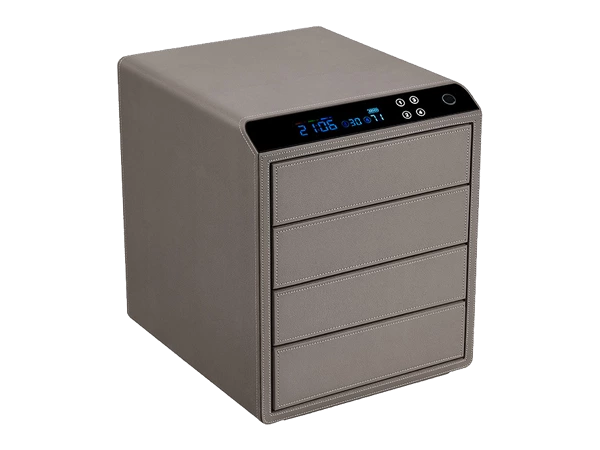
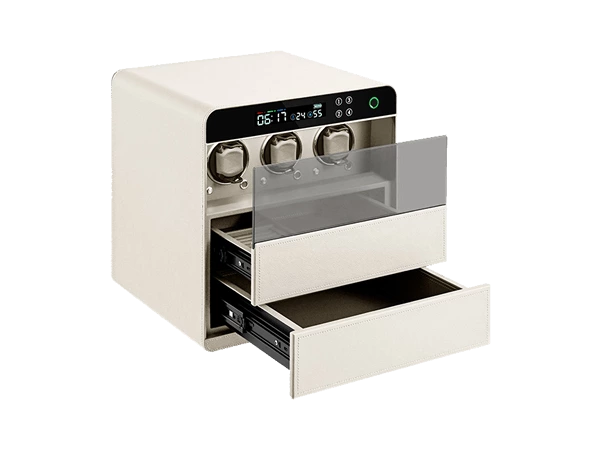
We ultimately chose a military-grade biometric lock for the wardrobe safes. It allowed the homeowner to open the hidden vault instantly with a single touch. However, technology is never infallible. Batteries can die, and electronic panels can occasionally malfunction. Therefore, it is absolutely essential that any electronic vault includes digital keypad emergency override keys. We integrated a concealed keyhole beneath the biometric scanner, ensuring the client would never be permanently locked out of their own assets due to a technical glitch.
Installation Strategies: Creating an Immovable Object
A safe is utterly useless if a burglar can simply pick it up and carry it out the front door to crack open later at their own leisure. Given that luxury clothing and jewelry are often targeted by organized groups rather than opportunistic solo thieves, we had to ensure the vault was a permanent fixture.
This brings us to the critical step of anchoring security boxes to concrete. Because the custom wardrobe was being installed on the ground floor of a sprawling villa, we designed the cabinetry base to allow direct access to the concrete slab foundation of the home.
During installation, our technicians drilled directly through the base of the heavy steel safe, past the subfloor, and deep into the concrete foundation. We utilized heavy-duty wedge anchors and industrial epoxy. Once these bolts expand inside the concrete, it requires thousands of pounds of upward force to remove them. Even if intruders managed to bypass the home alarm system, locate the hidden motorized panel, and discover the safe, they would be completely unable to move it.
Environmental Considerations: Protecting Valuables from the Elements
One of the most overlooked aspects of designing hidden safes for home use is climate control. Kuwait experiences intense heat and, particularly in coastal areas, surprisingly high humidity. Furthermore, high-end homes rely heavily on intense air conditioning, which can create distinct temperature differentials and condensation within enclosed spaces.
When storing sensitive items like vintage automatic watches, delicate paper documents, and certain precious metals, the internal environment of the safe is just as important as the steel walls protecting it. Moisture prevention in small safes is a critical design element. If left unchecked, trapped humidity can rust watch movements, cause mold to grow on property deeds, and tarnish antique jewelry.
To combat this, we integrated several environmental safeguards into our hidden home safe design:
- Passive Dehumidification: We included specialized, rechargeable silica desiccant canisters within the safe to continuously absorb ambient moisture.
- Active Climate Control: Because the safe was built into a custom wardrobe with an electrical supply (used for the motorized sliding panel and interior LED lighting), we were able to hardwire a low-wattage dehumidifier rod directly into the vault. This device slightly elevates the internal temperature of the safe, completely preventing condensation from forming on the steel walls or the valuables inside.
- Intumescent Fire Seals: Aside from moisture, we had to account for fire. We outfitted the door frame of the safe with specialized intumescent seals. In the event of a house fire, these seals rapidly expand to up to five times their original size, sealing the door gaps and preventing both flames and corrosive smoke from entering the vault.

Alternative Hidden Safe Solutions for Every Home
While the Kuwaiti luxury wardrobe project represented the absolute pinnacle of bespoke security design, the core principles we utilized can be adapted to almost any residential setting. You do not need to commission custom Italian cabinetry to dramatically improve your home security.
If you are looking to integrate a hidden safe into your own home, consider the following actionable strategies:
- Retrofit Your Existing Closet: You can create your own closet hidden safe by bolting a heavy-duty, half-inch steel safe to the floor in the back corner of your wardrobe. To camouflage it, build a simple false wooden box or utilize stackable storage bins that sit directly in front of and on top of the vault.
- Utilize Dead Space: Look for architectural "dead zones" in your home. The space beneath a staircase, behind a heavy bookcase, or inside a false air return vent can serve as excellent locations for concealed storage.
- Invest in Heavy Furniture: If you cannot bolt a safe to the floor, buy a safe that is simply too heavy to move. When a safe exceeds 500 pounds, it generally requires specialized moving equipment and multiple people to transport—something burglars looking for a quick exit do not have.
Conclusion: The Intersection of Elegance and Peace of Mind
Designing a custom hidden safe for a luxury wardrobe brand in Kuwait was a masterclass in balancing aesthetic perfection with uncompromising physical security. It proved that protecting your most cherished assets does not mean you have to turn your bedroom into something resembling a bank branch.
By understanding burglar psychology, prioritizing heavy-duty materials over cheap alternatives, and employing clever architectural camouflage, it is entirely possible to create a security system that is as elegant as it is impenetrable. Whether you are installing a specialized concealed wall unit, exploring in-floor vaults, or simply rethinking how you use the space in your master bedroom, the ultimate luxury is knowing that your family’s history and heirlooms are safe, secure, and completely out of sight.