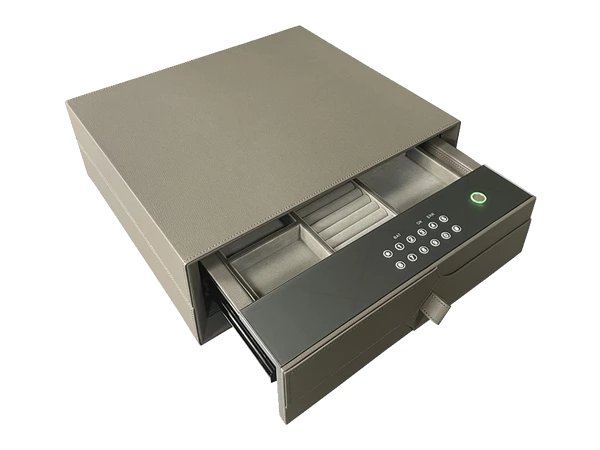
Smart Safe Drawer Integration in a Luxury Hotel Room Furniture Project in Europe
This project was part of a luxury hotel renovation in Europe where the requirement was to integrate secure storage directly into guest room furniture rather than using visible standalone safes. The interior design concept emphasized minimal visual interruption, so the security function had to be completely embedded within the furniture structure, specifically within bedside cabinets across approximately 180 rooms.
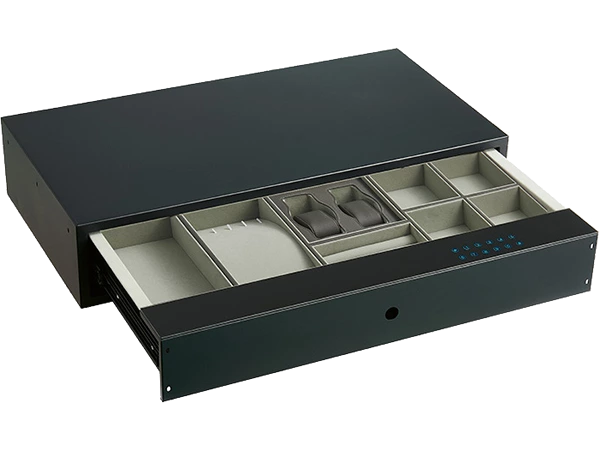
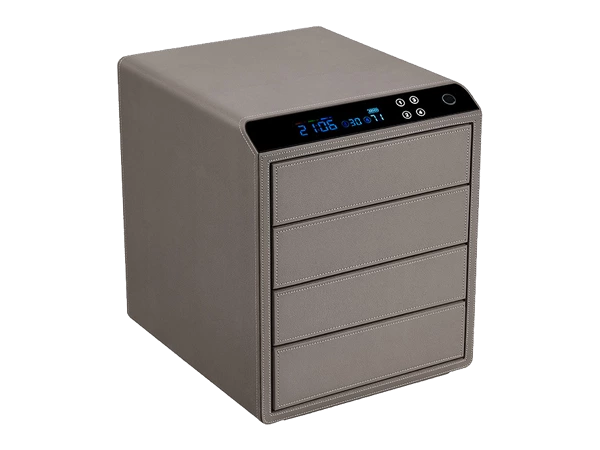
The solution selected for this project was a smart safe drawer system designed for furniture integration. Each unit was built into a custom wooden cabinet produced by the hotel’s furniture contractor. The internal structure of the drawer was reinforced with a metal frame to maintain rigidity, while the external surfaces were matched to the furniture finish so that the system remained visually indistinguishable from standard storage drawers.
From a structural standpoint, the drawer used full-extension ball-bearing sliding rails to ensure smooth operation under frequent daily use. Because hotel environments typically involve repeated access cycles by different users, stability of the sliding mechanism was a key requirement. The alignment between the drawer body and cabinet frame had to be controlled precisely, since even minor deviations could affect the engagement of the locking mechanism over time.
The locking system itself was based on an electromechanical bolt actuator positioned at the rear of the drawer. When the drawer was fully closed, the actuator would extend and engage with a strike plate fixed inside the cabinet structure. This required careful coordination between mechanical positioning and electronic control timing to ensure the lock engaged only when the drawer reached its correct final position. The fingerprint module was integrated into the inner upper section of the drawer panel, positioned in a way that was accessible but not visible from normal viewing angles. The control board was placed in a concealed cavity behind the drawer structure to protect it from humidity and mechanical impact.
Since this was a hospitality application, the operational requirements were different from residential use. Each room needed to support multiple guest turnovers, meaning the system had to allow quick reset and reconfiguration of access permissions. The fingerprint data management system was designed so that hotel staff could clear and reassign user access after each checkout without physical intervention in the hardware.
Power supply was handled through a centralized low-voltage wiring system integrated into the furniture structure. This approach was chosen to avoid the long-term maintenance issues associated with battery-powered systems. Wiring was routed through internal channels within the cabinet to ensure that it did not interfere with drawer movement or create wear points over time.
During installation, one of the main challenges was maintaining consistent mechanical alignment across all furniture units produced in different batches. Because wooden furniture naturally expands and contracts with humidity changes, slight adjustments had to be made in the locking tolerance to ensure reliable engagement in all environmental conditions. Reinforcement was added at the rail mounting points to reduce micro-movement caused by repeated opening and closing cycles.
Before final deployment, each installed unit went through functional checks including sliding smoothness, locking response, fingerprint recognition accuracy, and repeated cycle testing. Only after passing these checks were the units approved for installation in guest rooms.
After deployment, the system operated as part of the room furniture without drawing attention to itself, which was consistent with the design intent of the project. From a maintenance perspective, the modular structure allowed individual components such as the control module or locking actuator to be replaced without dismantling the entire cabinet, which simplified long-term servicing.
This project reflected a typical application of smart safe drawer systems in hospitality environments where integration, consistency, and durability are more important than standalone security structures. The final implementation relied heavily on coordination between furniture manufacturing, mechanical design, and electronic control integration, rather than treating security as an independent device.
The landscape of luxury hospitality is undergoing a profound transformation. Today’s affluent travelers expect an experience where cutting-edge technology and uncompromising elegance coexist flawlessly. They travel with high-value items—fine jewelry, sensitive corporate laptops, luxury watches, and vital travel documents—and they demand a secure place to store them. However, the days of the clunky, utilitarian metal box bolted to a closet floor are over.
In a recent ambitious endeavor, the successful Smart Safe Drawer Integration in a Luxury Hotel Room Furniture Project in Europe set a new benchmark for in-room security and design. By embedding state-of-the-art security features directly into bespoke cabinetry, designers and hoteliers have proven that safety can be both invisible and highly intuitive.
If you are a hotelier, an interior designer, or an FF&E (Furniture, Fixtures, and Equipment) specialist, understanding how to merge advanced security with premium aesthetics is crucial. Let’s explore how the industry is reimagining guest room security, step by step.
The Evolution of In-Room Security: Aesthetics Meet Function
When evaluating a smart safe vs traditional floor safe for high-end suites, the contrast is stark. Traditional safes often disrupt the visual flow of a meticulously designed room. They require guests to crouch down in dark closets, fumbling with keypads. Modern luxury dictates a frictionless experience.
The introduction of the safe drawer has revolutionized this aspect of hotel design. Instead of a standalone metal box, security is integrated directly into the natural ergonomics of the room. By strategically optimizing room layout with built-in hidden storage, designers can free up valuable floor space while providing a sleek, accessible security solution at waist height.
This transition represents a core philosophy in modern hospitality: security should adapt to the guest, not the other way around.
The Art of Disguise: Bespoke Joinery and Millwork
Integrating heavy-duty security into delicate, high-end furniture requires exceptional craftsmanship. This is where bespoke joinery solutions for tech-enabled hotel rooms come into play.
Crafting the Perfect Wardrobe Integration
Placing a safe drawer in wardrobe units is currently the gold standard in luxury room layouts. To the naked eye, the wardrobe features a continuous, beautifully veneered front. But behind one of those soft-close drawer faces lies a highly secure, reinforced steel enclosure.
Achieving this seamless look relies heavily on custom millwork for integrated hotel drawer safes. Millworkers must account for:
- Weight distribution: Safe drawers are significantly heavier than standard wooden drawers. Heavy-duty, concealed runners are required to prevent sagging.
- Ventilation and Wiring: Smart safes require power. Custom routing paths must be milled into the wardrobe’s back panels to hide cables completely.
- Acoustics: High-end cabinetry should sound luxurious. Integrating dampening materials ensures that closing a heavy metal safe box drawer sounds like a gentle whisper rather than a metallic clang.
Catering to High-Net-Worth Individuals
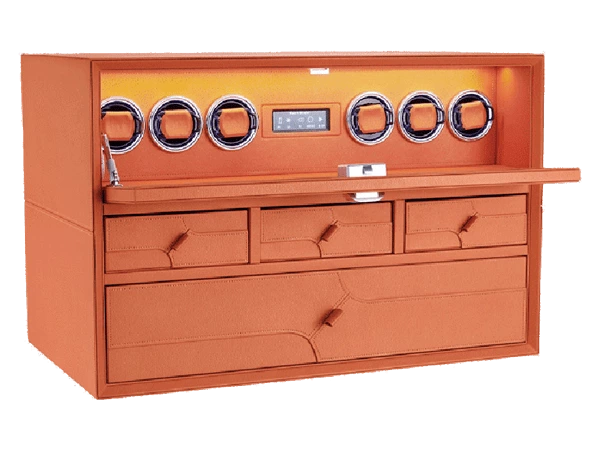
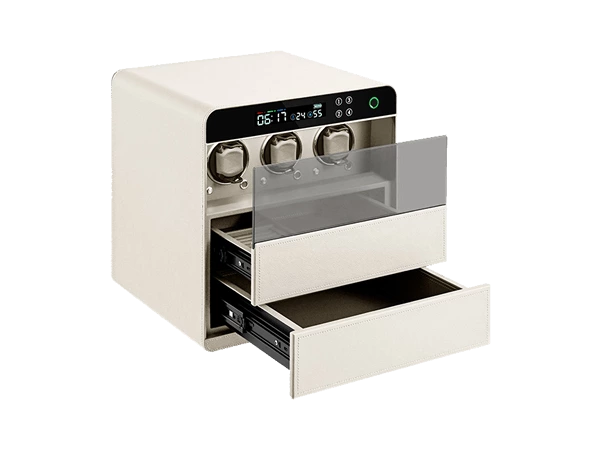
For ultra-luxury suites, a standard safe is not enough. Designers are increasingly incorporating a dedicated safe jewelry drawer within the primary safe unit. These specialized drawers feature plush velvet or suede linings, custom ring rolls, and watch winders, ensuring that delicate valuables are protected from both theft and scratches.
Next-Generation Security: Biometrics and Smart Access
As technology advances, so do the expectations of the modern guest. Hoteliers frequently ask: are biometric drawer safes more secure for hotel guests? The short answer is yes.
Biometrics eliminate the risk of guests forgetting their PIN codes—a common issue that results in frustrating calls to the front desk and potential security vulnerabilities. A fingerprint safe drawer uses advanced capacitive sensors to read the unique topography of a guest's fingerprint, granting instant, exclusive access.
Overcoming Integration Challenges
Knowing how to integrate biometric safes into bespoke furniture is a specialized skill. The fingerprint scanner or digital interface must remain accessible without protruding awkwardly from the furniture's facade. Designers typically flush-mount the digital safe drawer interface onto the top edge of the drawer front or create a sliding wooden panel that conceals the scanner until needed.
Frictionless RFID Technology
For hotels utilizing connected ecosystems, RFID access control for integrated hotel drawer security provides another layer of convenience. Guests can unlock their safe drawer using the same RFID room key, wristband, or even a digital key stored on their smartphone. This unified access strategy simplifies the guest experience immensely.
Enhancing the User Experience with Intuitive Features
Modern integrated safes are not just about locking things away; they are about adding tangible value to the guest's stay.
- Motorized Openings: Solving guest security concerns with motorized drawer safes has become a popular design choice. With a simple tap of an RFID card or a quick fingerprint scan, the drawer automatically glides open. This touchless, motorized mechanics feels deeply premium and prevents guests from having to aggressively pull on heavy reinforced drawers.
- Illumination and Power: There is nothing more frustrating than a dark safe. The inclusion of hidden drawer safes with internal LED lighting and charging ports (both AC outlets and USB-C) is a game-changer. Guests can securely lock away their laptops, tablets, and smartphones while ensuring they wake up fully charged and ready for the day.
Navigating the Complexities of European Hospitality Projects
Executing a project of this magnitude in Europe comes with its own unique set of logistical and regulatory challenges. Europe’s luxury hotels are often situated in historic buildings, requiring a delicate touch and strict adherence to modern regulations.
Meeting Stringent European Standards
Before a single piece of furniture is installed, hoteliers must ensure compliance with European safety regulations for luxury guest room safes. This includes CE certifications for electronic components, rigorous fire-resistance ratings, and specific anti-tamper standards. Insurance companies in Europe often have strict stipulations regarding the gauge of steel and the pull-strength of the anchoring systems used in hotel furniture.
Sustainability and Ethical Sourcing
The European market is leading the global charge in eco-conscious hospitality. Meeting sustainability standards for European hotel furniture manufacturing is no longer optional. When commissioning bespoke cabinetry to house these safes, FF&E procurement teams must source FSC-certified timbers, non-toxic glues, and low-VOC finishes. Even the smart safes themselves are increasingly evaluated on their standby power consumption and the recyclability of their electronic components.
Logistics and Installation
Managing luxury hotel furniture installations across Europe is a highly complex ballet. A project might source smart technology from Germany, bespoke joinery from Italy, and assemble everything in a historic 18th-century chateau in France.
Achieving seamless FF&E technology integration for hospitality projects requires meticulous coordination. Installation teams must navigate narrow cobblestone streets, maneuver heavy safes up historic, winding staircases, and precisely level custom cabinetry on uneven antique floors—all without disrupting the hotel's tight renovation schedule.
Operational Advantages for Hotel Management
While the aesthetic and guest-facing benefits of a smart safe drawer are obvious, the operational advantages for hotel management are equally profound.
Security in a hotel environment is a shared responsibility. Protecting the hotel from liability is just as important as protecting the guest's valuables. This is achieved through sophisticated software integration.
The implementation of digital audit trail features for hospitality drawer safes provides absolute transparency. If a guest claims an item is missing, hotel security can instantly download an encrypted log detailing exactly when the safe was opened, how long it remained open, and which credential (guest PIN, RFID card, or master override key) was used. This data resolves disputes rapidly, protecting the hotel's reputation and saving countless hours of investigative work.
Actionable Tips for Hoteliers and Interior Designers
If you are currently planning a hotel renovation or a new build and wondering what are the best smart safe options for boutique hotels versus large-scale luxury chains, here are several actionable tips to guide your strategy:
1. Prioritize Internal Dimensions Over External Bulk When selecting a safe drawer, ensure the internal capacity can comfortably hold a standard 15-inch laptop. Many travelers work remotely, and laptop storage is their primary reason for using a room safe.
2. Plan Cable Management Early Do not treat power access as an afterthought. Work with your millwork team during the initial CAD drawing phase to map out power sources. Hidden drawers with internal charging require dedicated, isolated power lines that comply with local electrical codes.
3. Choose a Timeless Finish While the technology inside the safe is modern, the interior finish of the drawer should reflect the hotel's design ethos. Opt for high-quality powder-coated finishes, leather bases, or flocked interiors that match the bespoke joinery of the room.
4. Test the Ergonomics Install a physical mockup of the wardrobe or desk before mass production. Have team members test the height and accessibility. A safe drawer placed too low defeats the purpose of the drawer design, while one placed too high can be dangerous if the motorized drawer opens forcefully.
5. Train Your Staff Thoroughly Even the most intuitive technology can confuse a tired traveler. Ensure your front desk and concierge staff are intimately familiar with the biometric and RFID functions of the safes so they can assist guests promptly if needed. Furthermore, train your security team on how to properly manage and interpret digital audit trails.
The Future of Hotel Room Architecture
The successful Smart Safe Drawer Integration in a Luxury Hotel Room Furniture Project in Europe serves as a blueprint for the future of hospitality design. We are moving away from treating room amenities as isolated gadgets. Instead, they are becoming harmonious elements of a unified architectural vision.
In the highly competitive luxury market, differentiation is found in the details. When a guest opens a beautifully crafted wooden wardrobe drawer, gently places their luxury watch on a velvet pad, plugs in their laptop, and secures everything with a simple touch of their finger, they experience a profound sense of care.
By investing in high-quality millwork, embracing cutting-edge biometrics, and adhering to strict European manufacturing and sustainability standards, hoteliers can elevate their properties. Seamlessly integrating security doesn't just protect a guest’s physical belongings; it protects their peace of mind, ensuring their stay is remembered for its luxury, comfort, and effortless sophistication.
FAQ
1.What was the main purpose of this project?
The goal was to integrate secure storage into hotel room furniture without using visible standalone safes, maintaining a clean interior design.
2.What type of system was used?
A furniture-embedded smart safe drawer system with electronic locking and fingerprint-based access control.
3.Why was a wired power system used instead of batteries?
To ensure stable long-term operation in a high-usage hotel environment and reduce maintenance requirements.
4.What was the biggest technical challenge?
Maintaining consistent alignment and locking reliability across large-scale furniture production under varying humidity conditions.
5.Can this system be used in other hotel projects?
Yes, the modular structure allows it to be replicated across large hospitality installations with consistent performance.