Why Middle East Buyers Prefer Hidden Safes for Villas and Walk-In Closets
For many luxury homeowners in the Middle East, security is not only about stronger locks or visible alarms. It is about protecting jewellery, watches, documents, cash, and private family assets without disturbing the elegance of a villa, dressing room, or walk-in closet. Hidden Safes offer that balance: they keep valuables close, discreet, and easier to use as part of daily life.
In high-end homes where interiors are carefully designed, a visible safe can feel out of place and may attract the exact attention it is meant to prevent. A concealed safe drawer, wardrobe safe, or custom-built compartment supports both privacy and convenience, especially when planned early with cabinetry, interior design, and anchoring in mind.
Why do Middle East villa owners choose hidden safes?
Middle East villa owners often choose hidden safes because they add a second layer of protection: concealment. A safe that is not obvious is harder to target, especially when it blends into private areas such as a walk-in closet, dressing room, master suite, or custom wardrobe. This makes Hidden Safes for Villas appealing to buyers who want secure storage without turning a refined interior into something that feels commercial or institutional.
There is also a lifestyle reason. Jewellery, watches, passports, private documents, and selected cash are often used regularly, so storage must be secure but not inconvenient. If a safe is placed too far away, too visible, or too difficult to open, people may stop using it consistently. A well-designed hidden drawer safe solves this by placing protected storage exactly where the owner already gets ready, dresses, packs, or prepares for travel.

The Case for Middle East Buyers is about privacy, design, and daily access
The Case for Middle East Buyers is especially strong because luxury homes in the region often place high value on private family spaces, elegant interiors, and custom joinery. A concealed safe can be integrated into these priorities rather than competing with them. Instead of adding a bulky metal box after the villa is complete, homeowners can plan a safe drawer in wardrobe cabinetry, behind false panels, or within a dressing island.
This approach respects the visual language of the home. A hidden safe in drawer format can look like part of a normal wardrobe, dresser, or closet island while still offering controlled access. When guests, staff, or contractors enter the home, the safe does not immediately announce where valuables may be kept.
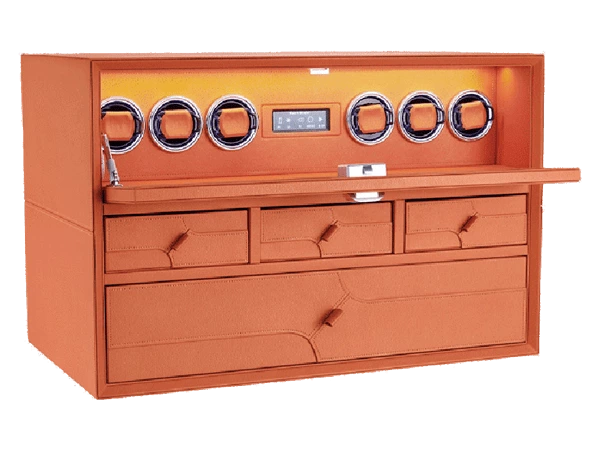
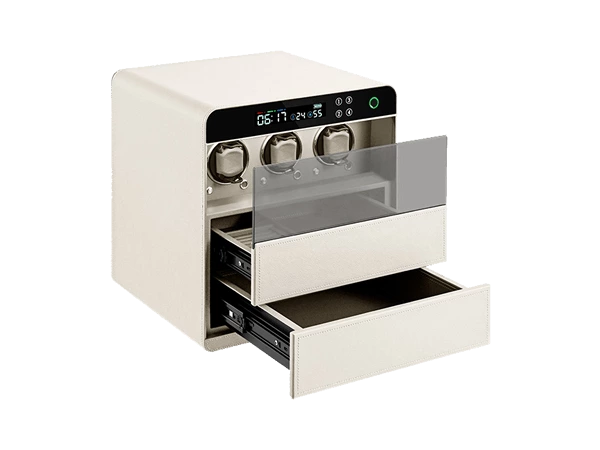
For owners with extensive wardrobes or dressing rooms, Safes for Walk-In Closets also feel intuitive. Watches can be stored near watch winders, jewellery near dressing counters, passports near travel accessories, and documents in a flatter compartment. The benefit is not only concealment; it is a smoother routine that makes secure habits easier to maintain.
Popular hidden safe formats for villas and closets
Not every hidden safe suits every home. The right choice depends on what is being stored, how often it is accessed, and where the safe can be anchored without compromising the surrounding furniture or structure. The best designs feel natural in the room and are difficult to identify when closed.
Common options include:
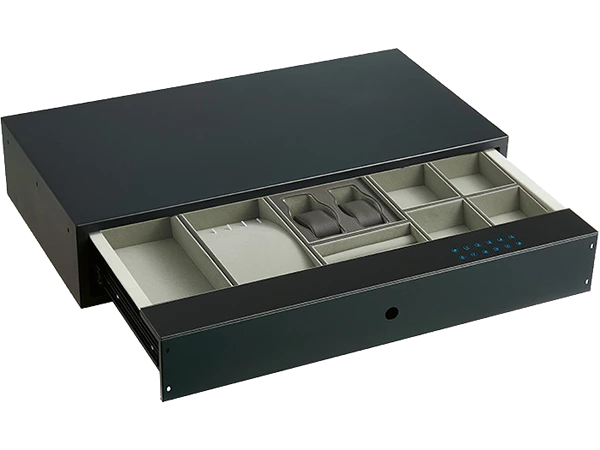
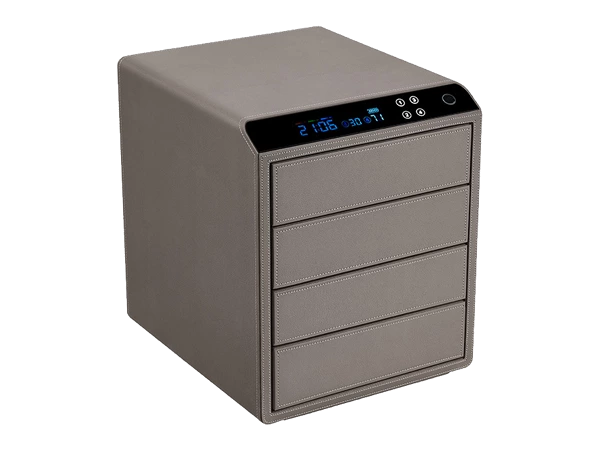
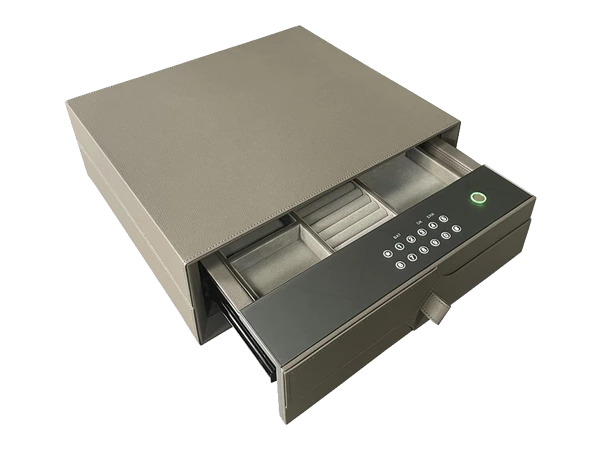
- Hidden drawer safe: A discreet drawer-based unit built into a dresser, closet island, wardrobe, or bedside cabinet. It is especially useful for jewellery, watches, passports, and compact valuables that need regular access.
- Large drawer safe: A wider or deeper drawer safe suited to larger collections, document folders, watch cases, or multiple organized trays. It works well in walk-in closets where cabinetry can support the size and weight.
- Safe drawer in wardrobe: A concealed safe built into wardrobe cabinetry, often placed behind a normal-looking drawer front or panel. This is practical for dressing rooms because valuables stay close to clothing and accessories.
- Furniture-integrated safe: A safe concealed within custom furniture, such as a vanity, sideboard, dressing island, or private office cabinet. This format is ideal when the design must remain seamless.
- Wall or floor safe: A concealed unit installed into a suitable wall, floor, or raised platform, often hidden behind panels, rugs, shelving, or built-in features.
- Safe deposit box drawer: A compartment-style drawer that helps separate items by owner, category, or use. This can be helpful for households that want organized storage without mixing jewellery, documents, and cash.
A hotel drawer safe may inspire the idea of compact in-room convenience, but villa buyers usually need a more tailored solution. Residential hidden safes should be selected for the owner’s specific valuables, furniture design, anchoring options, and access preferences rather than copied from hospitality settings.
How does a hidden safe balance security with luxury design?
A hidden safe balances security with luxury design by making protection feel built-in rather than added-on. The safe should be strong and properly fixed, but the visible surfaces around it should match the home’s cabinetry, finishes, proportions, and daily flow. When done well, the user sees a refined closet or drawer system, while the valuables benefit from concealed, controlled storage.The most successful installations begin with the room layout. In a walk-in closet, for example, the safe should sit where access feels natural but not predictable. A central island may offer daily convenience, while a wardrobe bay or false panel may provide better concealment. A private dressing area can also reduce exposure because the safe is accessed away from public rooms.
Interior detailing matters as much as exterior concealment. Jewellery and watches benefit from organized trays, soft-lined compartments, and enough separation to prevent scratches. Documents need flatter storage, while passports, keys, and cash may need smaller divided sections. A large drawer safe can be especially useful when the owner wants a single secure space with multiple internal zones.The goal is to avoid the two common mistakes: making the safe too obvious, or hiding it so well that it becomes annoying to use. A secure solution should encourage consistent daily use, not create friction.
Practical placement ideas for walk-in closets and private rooms
Walk-in closets are popular locations because they combine privacy, convenience, and cabinetry depth. They are often close to the master bedroom, away from main entertaining areas, and already designed around personal valuables. For Middle East villas with generous dressing rooms, this creates strong opportunities for discreet integration.
Useful placement ideas include:
- Inside a closet island: A hidden drawer safe can be built into an island drawer with a matching front, making it appear like standard storage.
- Behind wardrobe doors: A safe drawer in wardrobe cabinetry can sit behind clothing, shelving, or internal panels, adding another layer of visual cover.
- Within a dressing table or vanity: Smaller valuables can be kept close to where they are used, while the safe remains hidden within the furniture design.
- Under a raised platform or floor section: Where construction allows, a floor-based concealed safe can be hidden beneath a removable or disguised surface.
- Behind a false panel: Panels, shelving, or decorative joinery can conceal access points if they are designed to look intentional, not suspicious.

Good concealment depends on restraint. If a panel looks too unusual, a drawer is much heavier than the others, or the surrounding design feels inconsistent, the hiding place may become more noticeable. The best hidden safes disappear because they follow the logic of the room.
Security details that should not be overlooked
Concealment is powerful, but it is not a substitute for proper security. A hidden safe still needs suitable construction, reliable access control, and strong installation. This is where planning with the interior team, safe supplier, and installer becomes important.
Key considerations include:
- Anchoring: Whenever possible, the safe should be fixed to a strong structural surface. Concrete floors or walls are often preferred when available because they can support secure anchoring better than lightweight cabinetry alone.
- Access control: Biometric access is popular for frequent use because it is quick and personal. Keypads and backup keys can add flexibility, but backup methods should be managed carefully.
- Moisture avoidance: Bathrooms, kitchens, laundry areas, and other moisture-prone spaces are usually poor choices for valuables, papers, and electronics.
- Temperature stability: Documents, watches, and some electronics are better stored in stable conditions, away from excessive heat, direct sun, or damp corners.
- Interior organization: A safe that is organized is easier to use. Dividers, trays, flat compartments, and dedicated sections reduce handling damage and speed up access.
- Discretion during installation: The fewer unnecessary people who know the exact safe locati0n, the better. Planning should be professional, but information should remain limited.
These details are especially important for a hidden safe in drawer installations because the furniture must support both concealment and weight. A drawer front may look elegant, but the structure behind it must be robust enough for repeated use and secure fixing.
Hidden safes versus walk-in vaults
For some homeowners, the choice is not only between visible and concealed safes. It may be between Hidden Safes and a dedicated vault room. Both can be effective, but they serve different lifestyles.A walk-in vault may suit a larger or expanding collection, especially if the owner wants to store and view many watches, jewellery pieces, documents, art items, or heirlooms in one controlled space. It can become a private secure room rather than a single storage unit. However, it requires more space, greater planning, and a design approach that may not fit every villa layout.Hidden safes are better suited to discreet everyday storage. They can be placed in several private areas, integrated into furniture, and used without changing the feel of the home. For many buyers, the ideal solution may be a combination: a more substantial secure room for long-term storage and a hidden drawer safe or large drawer safe for items used frequently.
Choosing the right hidden safe for your valuables
The best safe is the one that matches both the value of the items and the way the homeowner actually lives. A person who wears watches daily may need quick biometric access and shallow organized trays. A family storing passports and property papers may prefer flatter compartments and less frequent access. Someone with a wider jewellery collection may need a large drawer safe with multiple levels or divided sections.
Before choosing a model or locati0n, consider this checklist:
- What will be stored: jewellery, watches, documents, cash, passports, keys, or electronics?
- How often will each item be accessed: daily, weekly, seasonally, or only in emergencies?
- Should the safe be reachable from a dressing routine, travel packing area, or private office?
- Can the locati0n support secure anchoring without damaging the design?
- Will the surrounding cabinetry hide the safe naturally?
- Is biometric, keypad, key, or combined access most practical for the household?
- Does the interior need trays, flat files, watch sections, or separate compartments?
This is where custom planning matters. A standard safe may protect valuables, but a tailored hidden safe can protect them while also supporting the owner’s habits, privacy, and interior standards.
A discreet future for luxury home security
Hidden Safes for Villas are popular because they answer a very specific luxury-home challenge: how to keep valuables secure without making security visually dominant. In Middle East villas, where private spaces, custom interiors, and refined finishes are often central to the home, concealment can feel more natural than display.A hidden drawer safe, safe drawer in wardrobe, or furniture-integrated compartment works best when it is planned as part of the room rather than forced into it later. With thoughtful placement, reliable access control, proper anchoring, and interiors designed around real valuables, Safes for Walk-In Closets can be both elegant and highly practical.The strongest takeaway is simple: a hidden safe should not merely be hard to find. It should be easy for the owner to use, difficult for others to notice, and designed to belong exactly where it is.