What Do Interior Designers Look for in Custom Luxury Leather Safes
Custom luxury leather safes bring secure storage into the design conversation rather than treating it as an afterthought. For an interior designer specifying one, the brief should balance documented protection, coordinated finishes, collection-specific organization, and practical installation. The goal is a luxury home safe that belongs in the room and works comfortably every day.
What makes a leather safe fit a luxury interior?
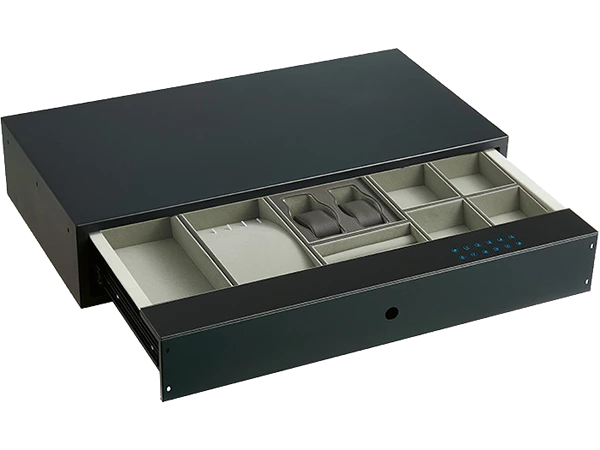
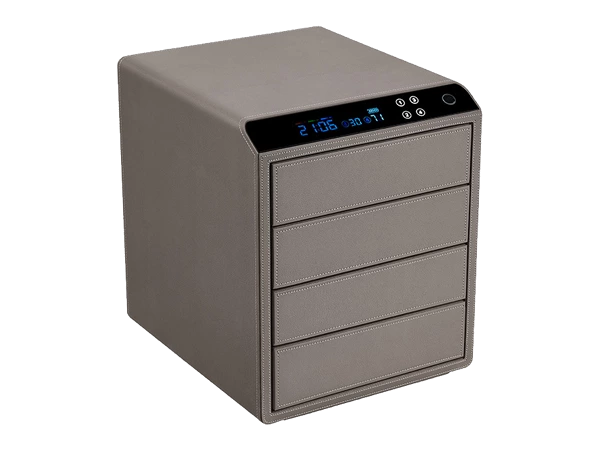
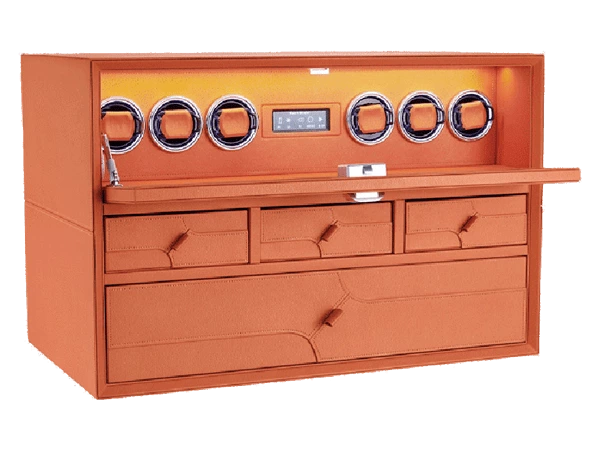
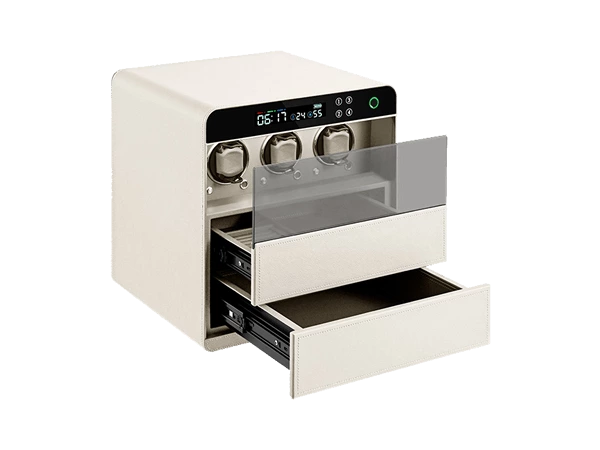
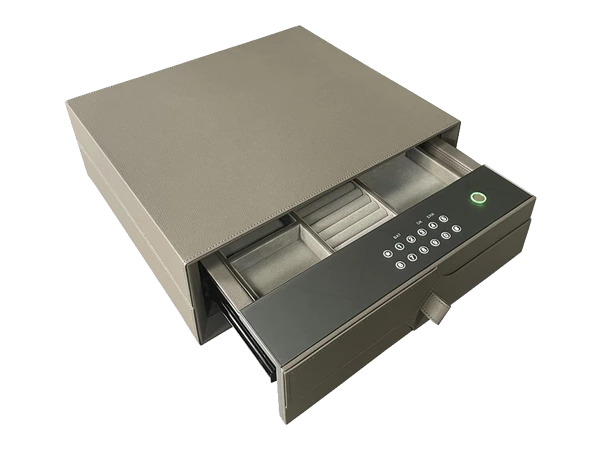
A leather safe should complement the room’s proportions, materials, and detailing—not simply match its color. Start by deciding whether it will stand visibly as furniture or sit discreetly within cabinetry. That choice should guide the exterior finish, hardware, and relationship to surrounding joinery. Leather-wrapped construction and tailored interiors are available from specialist manufacturers; Brown Safe, for example, offers full-grain leather exteriors and customized drawer configurations. Treat those options as a starting point for a project-specific brief, not proof of security performance.
When reviewing leather storage solutions, request physical samples and examine:
- Color and grain: Compare samples beside wardrobe veneers, upholstery, and metal finishes under the room’s lighting.
- Stitching and edges: Specify seam placement, thread contrast, and corner detailing before approving production.
- Care requirements: Ask for cleaning instructions and guidance on placement near sunlight, heat, or moisture.
How should designers evaluate security beyond appearance?
Evaluate high-end safes through documented testing, not decorative finishes or an impressive lock alone. Burglary resistance and fire protection require separate scrutiny: UL identifies burglary-resistant safe testing under UL 687, while its fire labels state a temperature class and exposure duration. Ask the luxury safe manufacturer to explain the exact model’s certifications. Specify the required protection before finalizing the enclosure. Then confirm access methods, backup procedures, anchoring requirements, and any proposed alarm connection with the supplier. If biometric entry is offered, request a demonstration and an explanation of recovery access rather than assuming convenience establishes security.
Organization should follow the client’s collection
Plan a safe for a luxury wardrobe around an inventory of watches, jewelry, documents, and other valuables. Drawers and inserts should reflect what the client owns and how they retrieve it. Brown Safe offers configurable jewelry inserts and watch-storage options, illustrating why interior planning deserves attention alongside the exterior. Ask the custom leather safe manufacturer to show usable compartment dimensions. Check necklace layouts, watch clearances, and space for future additions before approving the arrangement.
Installation belongs in the initial brief
Before ordering luxury safes, coordinate these decisions with the supplier and installer:
- Delivery: Confirm the route, access restrictions, and handling responsibilities.
- Placement: Review weight, support, anchoring, door swing, and drawer clearance.
- Services: Establish power and maintenance access for specified accessories.
- Accountability: For an OEM luxury safe project, document who approves drawings, installs the unit, and handles aftercare.
The strongest specification connects finish, protection, organization, and installation. Resolve those together before approving the final design; customization should serve the client’s routine, not merely add decoration.