A Vietnam Furniture Factory Case: Building Home Safes Into Modern Wardrobes
The modern approach to interior design increasingly demands that utility and aesthetics coexist in perfect harmony. In the past, deciding to keep a safe at home meant compromising on either security or style. You either ended up with a bulky metal box sitting awkwardly in the corner of your bedroom, or you sacrificed accessibility by burying it in a damp basement. However, an innovative furniture factory in Vietnam is fundamentally changing how we think about a safe box for home.
By seamlessly integrating high-security home safes directly into bespoke, modern wardrobes, this manufacturer has created a blueprint for discreet, elegant residential security. This case study explores how integrating a home safe box into custom cabinetry offers the ultimate blend of design and protection, providing actionable insights for homeowners looking to upgrade their personal security.

The Evolution of Residential Security and Furniture Design
For decades, safes for home use were an afterthought in residential planning. Homeowners typically purchased a freestanding unit and hid it as best they could. Today, the philosophy has shifted. Security-conscious homeowners want safe home safes that are an integral part of their daily routine—easily accessible for the owners but virtually invisible to intruders.
The integration of safes in home cabinetry solves a crucial dilemma: how to keep valuables close at hand without broadcasting their locati0n. A customized wardrobe provides the perfect camouflage. Behind a sleek, soft-close wooden door lies a heavily fortified steel enclosure. This method perfectly aligns with the principles of modern interior design, where minimizing visual clutter is paramount.
The Vietnam Factory Case Study: Engineering Concealment
A prominent luxury furniture manufacturer based in Vietnam, known for its precision woodworking and innovative spatial designs, recently launched a line of wardrobes specifically engineered to house a small safe for home. Their engineering team realized that simply placing a safe on a wooden shelf was structurally unsound and visually unappealing.
Instead, they designed a reinforced lower plinth within the wardrobe frame. This dedicated compartment is structurally tied to the wardrobe’s base, allowing the entire unit to bear the weight of heavy security devices. When considering the best locations to hide a residential vault, the bottom corner of a master bedroom wardrobe consistently ranks at the top. It offers rapid access during emergencies while keeping the unit entirely out of the casual line of sight.
Overcoming Installation Challenges
One of the primary concerns with custom cabinetry is ensuring the vault cannot simply be carried away. The factory addressed this by pre-drilling access ports through the wardrobe’s solid wood base. This ingenious design streamlines the process of how to bolt a safe to the floor. By securing heavy-duty anchor bolts through the interior of the safe, through the custom wooden base, and directly into the home’s concrete or timber subfloor, the safe becomes completely immovable.
When comparing a wall safe vs floor safe installation, this hybrid "wardrobe-floor" approach offers distinct advantages. Wall safes are often limited in depth due to standard wall stud spacing, restricting what you can store. Traditional floor safes require excavating a hole in your foundation. The integrated wardrobe safe offers the spaciousness of a freestanding model with the concealed, anchored security of a built-in unit.

Evaluating the Anatomy of a Premium Built-In Safe
If you are planning to integrate a home safe into your bedroom furniture, the quality of the vault itself is just as important as the cabinetry hiding it. The Vietnam factory partnered with top-tier security firms to ensure their custom fit-outs met rigorous international standards. Here is what to look for when selecting home security safes for your custom builds.
Structural Integrity and Steel Quality
The first line of defense is the physical construction. You should always look for a unit boasting heavy duty steel gauge thickness. The lower the gauge number, the thicker the steel (for example, 10-gauge is thicker and stronger than 14-gauge). Thick steel framing prevents the safe from being punctured or crushed.
Additionally, to thwart brute-force attacks, the safe must feature a pry-resistant door and internal hinges. Thieves frequently attempt to use crowbars to snap external hinges or pry the door away from the frame. Internal hinges are inaccessible from the outside, and a recessed, pry-resistant door with thick locking bolts extending in multiple directions ensures that even if a burglar finds your hidden wardrobe safe, they won't be able to force it open.
Locking Mechanisms and Access Control
When integrating a safe into a wardrobe, the lighting may be dim. This environment makes the choice of access mechanism critical. Buyers often weigh the benefits of biometric fingerprint vs keypad entry.
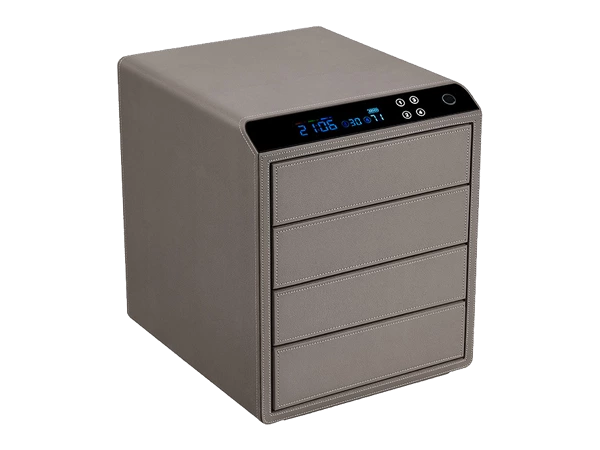
- Biometric Fingerprint Scanners: These offer instantaneous access with a simple touch, which is highly beneficial in high-stress situations. Modern capacitive sensors are incredibly accurate and ideal for low-light wardrobe interiors.
- Electronic Keypads: An illuminated digital keypad provides reliable access via a PIN code and is less susceptible to issues caused by dirty or wet fingers.
- Mechanical Dials: When comparing digital vs mechanical dial combination locks, mechanical dials offer unparalleled longevity and require no batteries. However, they can be difficult to read and slow to operate inside a dark closet.
Regardless of the primary electronic lock you choose, it is absolutely vital that the unit includes an emergency backup key override system. If the batteries die while you are away, or if the biometric sensor malfunctions, a high-security physical key ensures you are never permanently locked out of your valuables.
Environmental Protection: Fire, Water, and Moisture
A high-quality safe does more than deter thieves; it protects your irreplaceable assets from the elements. House fires and plumbing leaks pose a significant threat to important documents and heirlooms.
Understanding Fire and Water Ratings
When choosing a safe, look for UL certified fire resistance ratings. Underwriters Laboratories (UL) rigorously tests safes to ensure they can withstand external temperatures of 1,200°F or more for specified durations (e.g., 30 minutes, 1 hour, or 2 hours) while maintaining an internal temperature below the point where paper chars (350°F).
For maximum security, you need comprehensive fireproof and waterproof document protection. A safe with a water-resistant door seal will expand in the event of a fire to seal out heat and smoke, and it will also prevent water from seeping in during a flood or when firefighters extinguish a blaze.
If your primary built-in wardrobe safe has a lower fire rating, a highly effective secondary strategy is to place a compact fire chest for birth certificates, passports, and social security cards inside the larger metal safe. This "safe-within-a-safe" method creates a layered defense, providing the highest level of thermal protection for your most sensitive paperwork.
Internal Climate Control
One overlooked aspect of placing a vault inside a wooden wardrobe is the potential for humidity buildup. Valuables like paper documents, photographs, and certain metals can degrade if exposed to trapped moisture.
To combat this, the Vietnam furniture factory designed their wardrobes with discreet cable routing paths. This allows owners to easily install dehumidifier rods for internal moisture control. These low-wattage electrical rods slightly elevate the internal temperature of the safe, continually circulating the air and preventing condensation from forming, thereby ensuring your belongings remain pristine.

Organizing the Interior: Tailored Storage Solutions
The interior layout of your safe dictates how effectively you can utilize its space. Because wardrobes are deeply personal spaces where people get ready for the day, the safe inside should be organized to accommodate daily-use items alongside long-term storage.
Safeguarding Jewelry and Valuables
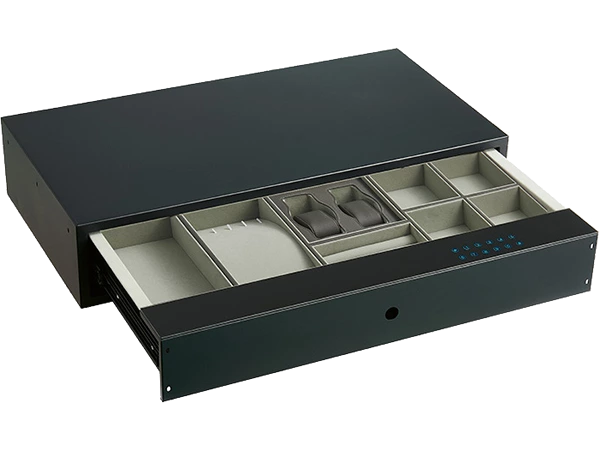
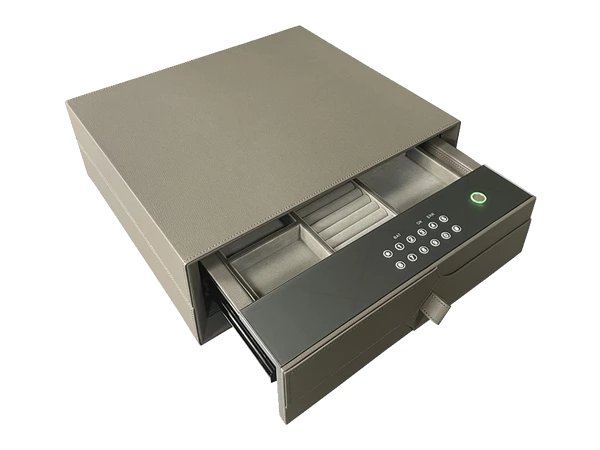
For many homeowners, the primary goal is protecting heirloom jewelry from theft. Unlike bulky cash or large electronics, jewelry is easily misplaced and easily pocketed by intruders. A well-designed interior will feature plush, velvet-lined jewelry drawers. These specialized trays prevent necklaces from tangling and keep rings from scratching against each other. Integrating these drawers directly into the safe means you can bypass the traditional, vulnerable wooden jewelry box entirely.
Regulatory Compliance and Specialized Storage
If you own firearms, safety and legal compliance are non-negotiable. Storing self-defense items securely while keeping them out of the hands of children or unauthorized users is paramount. When purchasing a residential vault, verify that it meets strict regulatory standards, such as serving as a California DOJ approved firearm storage device. This certification ensures the safe has passed rigorous compliance testing for strength and locking mechanisms.
Furthermore, you may want to familiarize yourself with residential security container classifications. The term "Residential Security Container" (RSC) is a rating given to safes that have withstood specific testing against tools, drills, and prying. Understanding these ratings helps you match the safe’s capabilities to the actual value of the items you intend to store.

Actionable Tips for Integrating a Safe into Your Home
If the Vietnam factory’s approach has inspired you to rethink your own home security, here are several practical steps to ensure a successful integration:
- Measure Twice, Buy Once: Before ordering a custom wardrobe or a new safe, ensure the dimensions align perfectly. Leave a few inches of clearance for the door to swing open fully and for any external hinges.
- Assess Floor Load Capacity: Heavy duty steel safes can weigh anywhere from 100 to 500 pounds or more. Ensure your floor joists can support the combined weight of the wardrobe and the loaded safe.
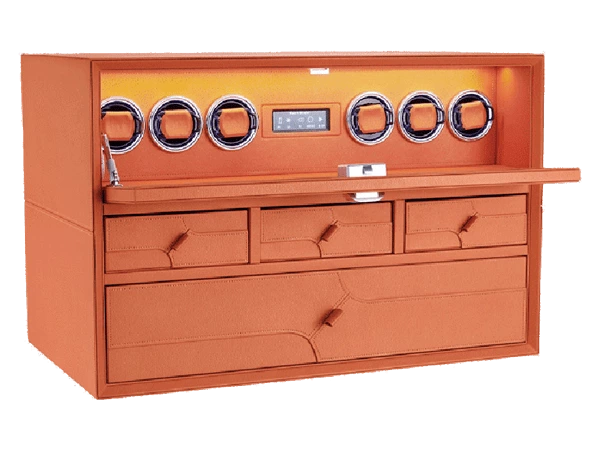
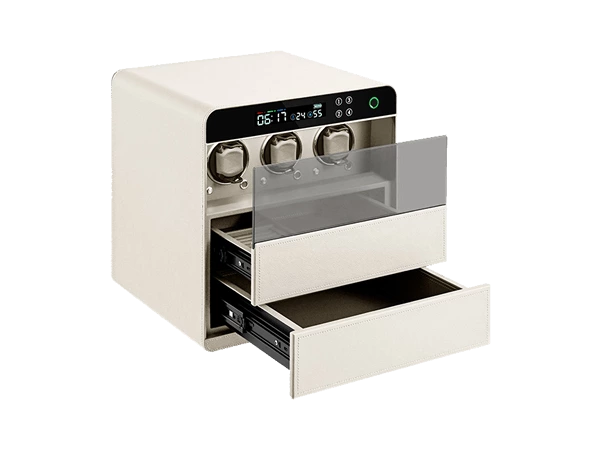
- Plan for Power: Opt for a safe with an internal power outlet, or drill a small access hole in the back. This allows you to plug in automatic watch winders, internal LED lighting, and dehumidifiers without relying constantly on battery power.
- Conceal the Front: Take a page from the Vietnam factory’s playbook. Instead of leaving the safe exposed when the main wardrobe door opens, use a false panel, a slide-out mirror, or a hanging laundry hamper to further obscure the vault from view.
- Regular Maintenance: Replace the batteries in your digital keypad or biometric scanner every six months. Keep the emergency override key securely stored outside of the safe and off-site (such as a bank safety deposit box or a trusted family member's house).
Conclusion
The intersection of bespoke furniture making and advanced residential security has birthed a new standard for home protection. As demonstrated by the Vietnam furniture factory case study, building a safe box into a custom wardrobe is no longer just a luxury—it is a highly practical, aesthetically pleasing solution for modern living.
By moving away from standalone clunky boxes and embracing integrated security, you maintain the beauty of your living space while ensuring unparalleled protection for your valuables. Whether you are prioritizing heavy steel construction, advanced biometric locks, or robust fire and water protection, the careful integration of a safe into your home’s architecture ensures that your peace of mind is permanent, secured, and beautifully concealed.